
The Auschwitz and Birkenau Guided Tour from Krakow serves as a crucial opportunity for individuals to confront the stark realities of history at these UNESCO World Heritage Sites. Participants travel in an air-conditioned vehicle, guided by experts who provide profound insights into the events that transpired within these walls. This small group experience not only fosters personal reflection on the loss of over one million lives but also encourages a deeper understanding of remembrance. As they prepare to step into the past, many wonder what emotions and revelations await them on this solemn journey.
Key Points
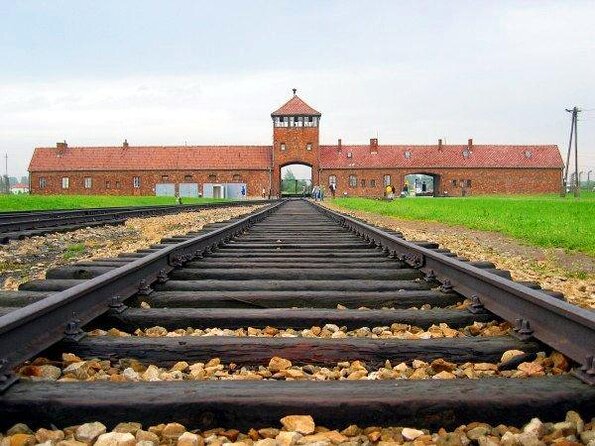
- Experience a guided tour of Auschwitz and Birkenau, emphasizing historical insights and personal stories from professional guides.
- Tours operate daily with convenient pickup points in Krakow, ensuring easy access and hassle-free transportation.
- Small group sizes (maximum 8 participants) allow for personalized attention and meaningful discussions throughout the tour.
- Comfortable air-conditioned vehicles equipped with Wi-Fi enhance your travel experience from Krakow to the camps.
- Modest clothing is recommended, and respectful behavior is expected to honor the site’s significance and dignity.

👉 Check out our guide to the 25 Best Cruises And Boat Tours In Krakow
Contents
- Key Points
- Overview of Auschwitz-Birkenau
- Tour Inclusions and Amenities
- Pickup Information and Process
- Detailed Tour Schedule
- Accessibility Features
- Important Participation Guidelines
- What to Expect on the Tour
- Booking Your Tour From Krakow
- Frequently Asked Questions
- How Long Is the Guided Tour of Auschwitz and Birkenau?
- Are There Age Restrictions for Participants on the Tour?
- Is Photography Allowed Inside the Memorial and Museum?
- Can I Bring My Own Food and Drinks on the Tour?
- What Should I Wear for the Tour?
- Recap
- Our Top Picks in Krakow
- More Guided Tours in Krakow
- More Tours in Krakow
- More Tour Reviews in Krakow
- Not for you? Here's more things to do in Krakow we have recnetly reviewed
Overview of Auschwitz-Birkenau
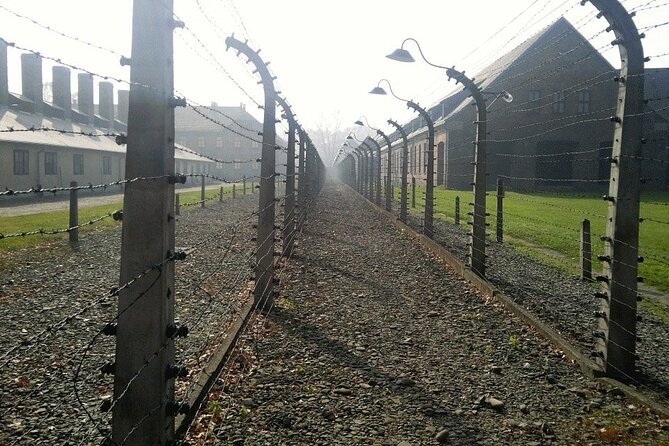
Auschwitz-Birkenau stands as a haunting reminder of the atrocities committed during World War II, serving both as a memorial to its victims and a UNESCO World Heritage Site dedicated to educating future generations.
Established by the Nazis in 1940, this complex became the largest extermination camp, where over a million lives were lost.
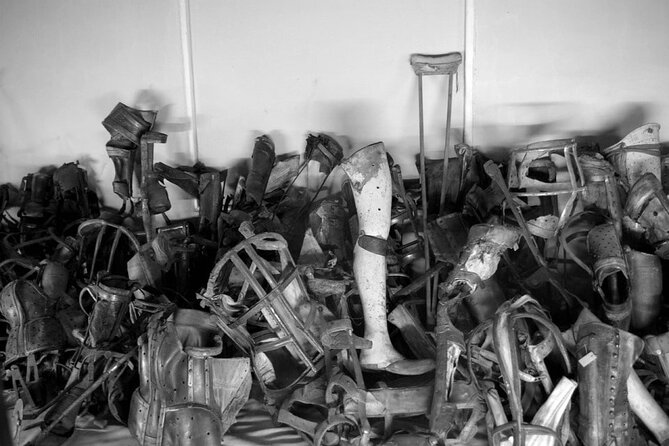
Visitors encounter preserved barracks, gas chambers, and poignant exhibits that tell the stories of those who suffered. The site emphasizes the importance of remembrance and the lessons learned from history.
Loving the local insights? Here are more guided experiences we recommend in Krakow


Tour Inclusions and Amenities
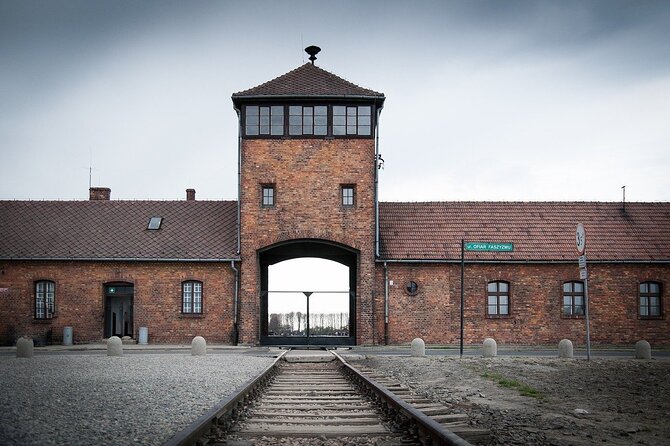
Visitors can expect a comfortable and informative experience on the Auschwitz-Birkenau guided tour, which includes an air-conditioned vehicle with Wi-Fi and the expertise of a professional guide.
The small-group format ensures personalized attention, allowing participants to engage deeply with the historical significance of the sites. An English-speaking driver assists throughout the journey, enhancing communication and convenience.
While food and drinks aren’t included, participants have the opportunity to explore local options during breaks. The tour offers door-to-door service, making it accessible and easy to join.
With a maximum of eight travelers, the intimate setting fosters meaningful discussions about the somber history represented at this UNESCO World Heritage Site.
Pickup Information and Process
Pickup for the Auschwitz-Birkenau guided tour is convenient and tailored to each participant, with specific points selected during the booking process. Travelers can choose from various locations in Krakow, ensuring a hassle-free start to their journey.
Approximately 24 hours before the tour, participants receive a confirmation email detailing the driver’s name and contact information, enhancing the overall experience. This personalized approach guarantees that everyone knows where to meet and what to expect, reducing any potential stress.
The air-conditioned vehicle, equipped with Wi-Fi, ensures a comfortable ride, setting the stage for a meaningful visit to this historic site. With door-to-door service, the tour prioritizes convenience and accessibility for all participants.
Detailed Tour Schedule
The guided tour operates on a carefully planned schedule, allowing participants to explore the poignant history of the site while adhering to specific timeframes.
Tours run from Monday to Thursday between 10:00 AM and 12:00 PM, providing ample opportunity for reflection and discovery.
On Fridays and Saturdays, the schedule shifts to an earlier start, from 07:30 AM to 12:00 PM, accommodating those eager to maximize their experience.
Sundays mirror the weekday hours, ensuring consistent accessibility throughout the week.
Each session is designed to engage participants meaningfully, emphasizing the significance of Auschwitz and Birkenau as UNESCO World Heritage Sites.
This structured timetable guarantees a comprehensive understanding of the memorial’s historical context, making each visit impactful and memorable.
Accessibility Features
Recognizing the importance of accessibility, the Auschwitz-Birkenau guided tour ensures a welcoming experience for all participants, including those with mobility challenges.
The tour is fully wheelchair accessible and stroller-friendly, making it easier for families and individuals to navigate the site comfortably. Plus, it’s conveniently located near public transportation, enhancing access for everyone.
Infant seats are also available for those traveling with young children, promoting a hassle-free experience.
With a maximum of eight travelers, the small group size fosters a personalized approach, allowing guides to cater to specific needs.


Important Participation Guidelines
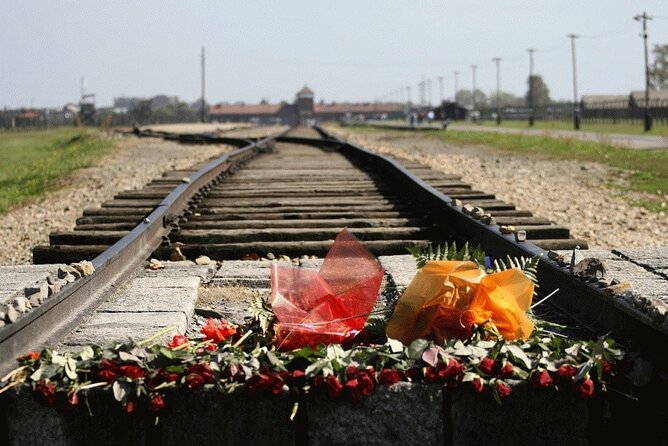
Participating in the Auschwitz-Birkenau guided tour requires adherence to specific guidelines to ensure a respectful and meaningful experience for all attendees. Visitors should keep in mind the following essential participation guidelines:
| Guideline | Details | Notes |
|---|---|---|
| Dress Code | Modest clothing is recommended. | Avoid shorts and sleeveless tops. |
| Behavior | Maintain a respectful demeanor. | Silence is preferred in sensitive areas. |
| Group Size | Maximum of 8 participants. | Smaller groups enhance the experience. |
| Photography | Allowed in most areas, except memorials. | Respect the dignity of the site. |
What to Expect on the Tour
Visitors can anticipate a deeply moving experience as they explore the haunting history of Auschwitz and Birkenau through expertly guided tours. These tours offer invaluable insights into the atrocities that took place, ensuring a respectful and educational visit.
Here’s what they can expect:
-
Professional Guidance: Knowledgeable guides share personal stories and historical context throughout the visit.
-
Comprehensive Exploration: Tour you will visit key sites, including barracks, gas chambers, and memorials.
-
Small Group Experience: With a maximum of eight travelers, the tours encourage meaningful discussions and personal reflection.
-
Comfortable Transportation: The air-conditioned vehicle provides a comfortable journey from Krakow, enhancing the overall experience.
These elements come together to create a profound and unforgettable tour of one of history’s darkest chapters.
Booking Your Tour From Krakow
Booking a tour from Krakow to Auschwitz and Birkenau is a straightforward process that ensures a meaningful and reflective journey into history.
Travelers can easily secure their spots online, choosing from various small-group options designed for an intimate experience. Upon booking, they’ll receive confirmation within 24 hours, detailing pickup points and driver information.
Tours operate Monday through Sunday at scheduled times, ensuring flexibility for different itineraries. The air-conditioned vehicles provide comfort, while professional guides offer insights into the historical significance of the sites.
It’s essential to note that the tour is non-refundable, and participants should be aware of the age restrictions, as it’s not recommended for children.
This streamlined process allows for a poignant exploration of a crucial historical landmark.
Frequently Asked Questions
How Long Is the Guided Tour of Auschwitz and Birkenau?
The guided tour typically lasts around three to four hours. Participants explore various exhibits and memorials, gaining deep insights into the historical significance while honoring the victims of this tragic period in history.
Are There Age Restrictions for Participants on the Tour?
The tour has age restrictions, not recommended for children. It’s designed for mature audiences, ensuring participants fully grasp the historical significance. Parents should consider suitability before booking, as content may be distressing for younger individuals.
Is Photography Allowed Inside the Memorial and Museum?
Photography isn’t allowed inside the memorial and museum to preserve the solemn atmosphere and respect the victims. Visitors must focus on reflection and learning, ensuring the site maintains its dignity and significance for future generations.
Can I Bring My Own Food and Drinks on the Tour?
The tour doesn’t allow guests to bring their own food and drinks. Participants should plan accordingly, as food and beverages aren’t included in the tour package, ensuring a respectful experience throughout the visit.
What Should I Wear for the Tour?
For the tour, visitors should wear comfortable, weather-appropriate clothing and sturdy shoes. They’ll be walking extensively, so layers are advisable. It’s also best to avoid overly casual attire, respecting the tour’s solemn atmosphere.
Auschwitz and Birkenau Guided Tour From Krakow
Recap
To sum it up, the Auschwitz and Birkenau Guided Tour from Krakow offers a deeply moving experience that honors the memories of those lost during this dark chapter in history.
With expert guides, comfortable transportation, and a small group setting, visitors gain valuable insights into the significance of these UNESCO World Heritage Sites.
This tour not only educates but also fosters reflection, making it an essential journey for anyone seeking to understand the past and its impact on our present.


