
Visiting the Auschwitz-Birkenau concentration camp is a somber yet essential experience for many travelers to Poland. This full-day guided tour from Krakow provides an in-depth look into one of the most notorious sites of the Holocaust, led by licensed experts who offer a thoughtful and educational journey. Guests can witness the scale and efficiency of the camp system, gaining insights into the systematic dehumanization that occurred under the Nazi regime. While a profoundly heavy topic, preserving the historical integrity of Auschwitz-Birkenau is crucial in ensuring the lessons of the past are not forgotten. Those seeking to understand this dark chapter of history would be well-served by this comprehensive tour.
Key Points
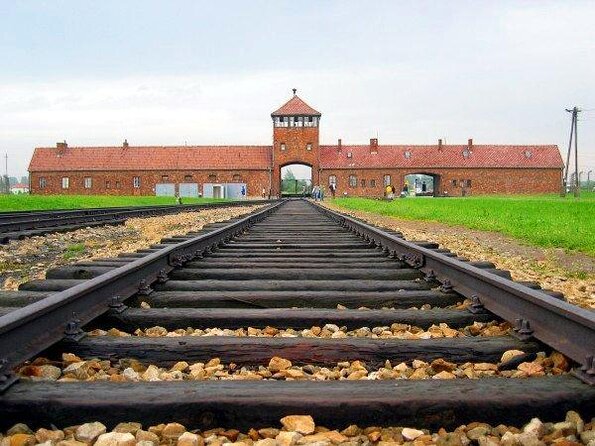
- Comprehensive guided tour of the Auschwitz Museum and Birkenau Camp, providing historic insights and honoring the memory of the victims.
- Personalized small-group experience with licensed experts, ensuring a meaningful and educational exploration of the site.
- Wheelchair-accessible transportation and tour sites, ensuring accessibility for all visitors.
- Opportunity to reflect on the systematic genocide and dehumanization during the Holocaust, and the importance of remembrance.
- Meticulously preserved historical site that serves as a powerful reminder of the past and a testament to human rights.

👉 Check out our guide to the 25 Best Cruises And Boat Tours In Krakow
Contents
- Key Points
- Overview of Auschwitz-Birkenau
- Tour Details and Inclusions
- Booking Confirmation and Requirements
- Accessibility and Transportation
- Pickup and Drop-off Arrangements
- Group Size and Duration
- Insights Into the Holocaust
- Historic Significance and Preservation
- Frequently Asked Questions
- How Long Does the Walking Tour Last?
- Can I Take Photographs During the Tour?
- Are Audio Guides Available for the Tour?
- What Is the Dress Code for the Tour?
- Are There Any Restrictions on What I Can Bring?
- Recap
- Our Top Picks in Krakow
- More Guided Tours in Krakow
- More Tours in Krakow
- More Tour Reviews in Krakow
- Not for you? Here's more things to do in Krakow we have recnetly reviewed
Overview of Auschwitz-Birkenau
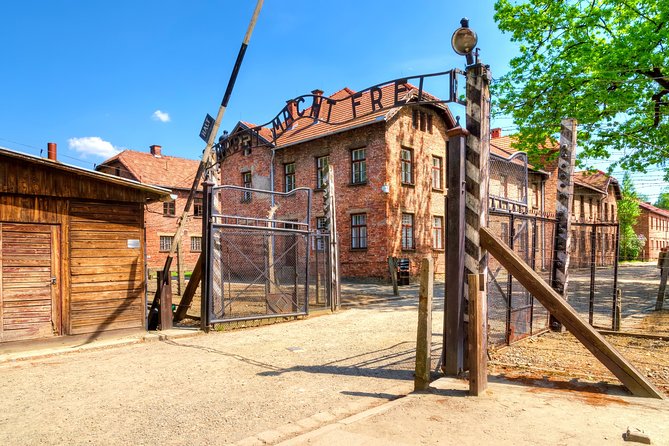
Auschwitz-Birkenau was one of the most notorious Nazi concentration camps of World War II, infamously known for the systematic genocide of millions of people during the Holocaust.
Now preserved as a museum and memorial, the camp provides historic insight into the tragic events that occurred within its walls.
Visitors can explore the Auschwitz Museum and the Birkenau Camp, guided by licensed experts who offer a comprehensive understanding of the camp’s harrowing history.
The tour offers a somber yet profoundly meaningful experience, allowing people to reflect on the horrors of the past and honor the memory of those who suffered.
It’s a critical reminder of the importance of advocating for human rights and preventing such atrocities from ever happening again.
Loving the local insights? Here are more guided experiences we recommend in Krakow


Tour Details and Inclusions
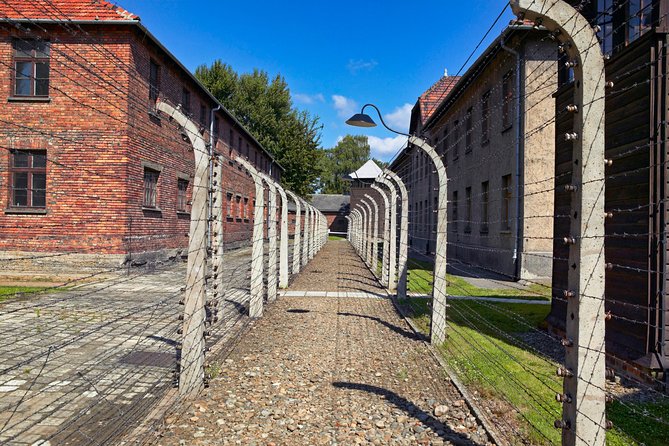
The guided tour package includes entrance to both the Auschwitz Museum and the Birkenau Camp, led by licensed professionals who provide historic context and insights.
You’ll embark on a walking tour, accompanied by an English-speaking driver who’ll pick you up from your Krakow hotel.
The small-group tour, limited to 15 people, ensures a personalized experience.
All entrance fees and taxes are covered, so there are no hidden costs. However, food and drinks aren’t included.
The tour is wheelchair accessible, and student IDs are required for discounted tickets.
Confirmation is provided upon booking, and the exact departure time will be communicated 1-2 weeks prior to the tour date.
Booking Confirmation and Requirements
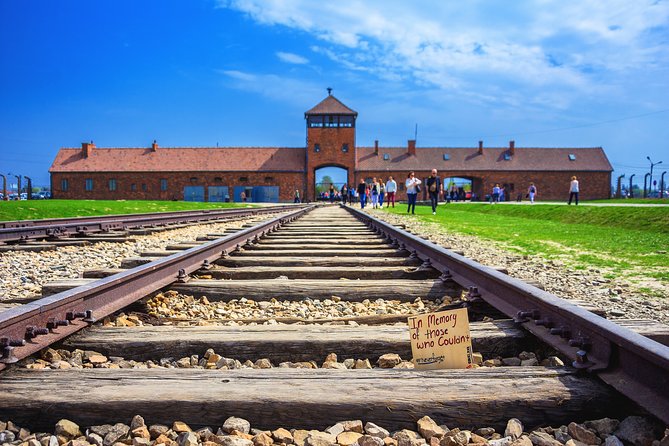
Booking the tour requires confirming at the time of purchase, and providing full names and contact details as per museum requirements.
The tour isn’t recommended for children 13 and under, and student IDs are necessary for discounted tickets.
Wheelchair accessibility is available for both the transportation and the tour sites.
The departure time is confirmed 1-2 weeks before the tour, which has a maximum group size of 60 travelers.
Guests should be prepared for a walking tour with a licensed guide, and transportation to and from Krakow is included.
While food and drinks aren’t provided, this hassle-free experience offers a profound historical insight into the Auschwitz-Birkenau concentration camp and the Holocaust.
Accessibility and Transportation
For this tour, the transportation is entirely wheelchair accessible, allowing guests of all mobility levels to conveniently travel from their Krakow hotel to the historic Auschwitz-Birkenau sites.
The tour includes hassle-free pickup and drop-off, ensuring a seamless experience. The small-group size, with a maximum of 15 people, provides a more personalized and intimate tour.
The licensed guide, speaking the language of your choice, will accompany you throughout the tour, providing valuable historical insights.
Whether you’re visiting the Auschwitz Museum or exploring the expansive Birkenau Camp, the tour is designed to be accessible and comfortable for all participants.
Pickup and Drop-off Arrangements
Your Krakow hotel or designated meeting point serves as the convenient pickup location for this tour.
The air-conditioned transportation then takes you directly to the Auschwitz-Birkenau sites, ensuring a hassle-free start and end to your historical exploration.
The tour includes:
- Pickup from your Krakow accommodations or a centralized meeting spot.
- Return transportation to Krakow in a comfortable, climate-controlled vehicle.
- Smooth transitions between the Auschwitz Museum and Birkenau Camp without the need to arrange your own logistics.
- Seamless drop-off at the conclusion of the tour, allowing you to continue your day in Krakow with ease.
This comprehensive package provides a stress-free way to learn about the somber history of the Auschwitz-Birkenau sites.
Here are more great tours and experiences we've reviewed in Krakow


Group Size and Duration
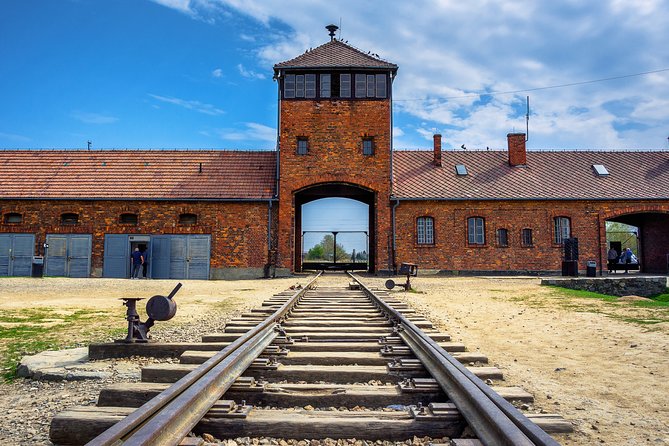
The tour group size is capped at a maximum of 15 participants, ensuring an intimate and personalized experience. The guided experience lasts approximately 5-6 hours, providing ample time to explore both the Auschwitz Museum and the expansive Birkenau Camp.
| Duration | Highlights |
|---|---|
| 1-2 hours | Auschwitz Museum tour, including the infamous Block 11 and the gas chambers |
| 2-3 hours | Visit to the Birkenau Camp, where the scale of the Nazi atrocities is fully realized |
| 1 hour | Time for reflection and personal exploration at the memorial sites |
| 1 hour | Return transport from Krakow to the Auschwitz-Birkenau complex |
Insights Into the Holocaust
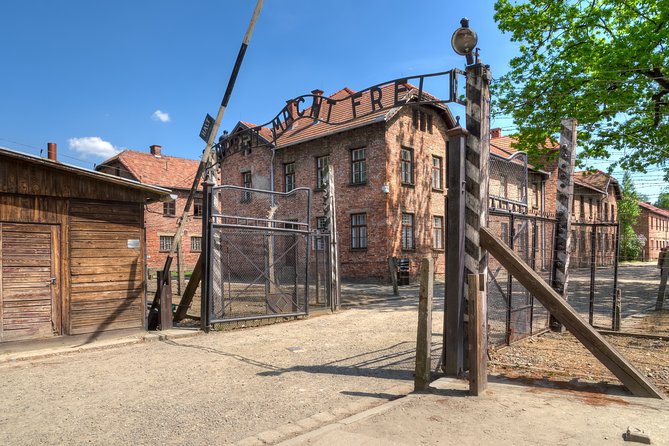
This tour provides a profound and sobering insight into the Holocaust, offering visitors a deeper understanding of the atrocities that occurred at Auschwitz-Birkenau during World War II.
Through the guided exploration of the Auschwitz Museum and Birkenau Camp, the tour:
- Examines the systematic dehumanization and genocide of millions of Jews, Roma, and other groups by the Nazi regime.
- Highlights the scale and efficiency of the concentration camp system, which was designed to imprison, enslave, and exterminate entire populations.
The tour also:
- Shares personal stories and testimonies, giving a voice to the victims and survivors of this unimaginable tragedy.
- Encourages reflection on the importance of remembrance, human rights, and the collective responsibility to prevent such horrors from happening again.
Historic Significance and Preservation
Auschwitz-Birkenau holds immense historic significance as a somber reminder of the atrocities committed during the Holocaust, and its preservation as a museum and memorial serves to honor the victims and educate visitors about this dark chapter in human history.
The site is meticulously maintained to ensure its historical integrity, allowing visitors to gain a deeper understanding of the horrors that transpired there.
Through guided tours and exhibitions, the museum provides a powerful and thought-provoking experience, fostering reflection on the importance of human rights and the consequences of hatred and intolerance.
Preserving Auschwitz-Birkenau as a living memorial is crucial in ensuring the lessons of the past aren’t forgotten and serve to prevent the recurrence of such tragedies.
Frequently Asked Questions
How Long Does the Walking Tour Last?
The walking tour typically lasts several hours, allowing visitors ample time to explore the historical sites and gain a comprehensive understanding of the significant events that occurred. The duration may vary depending on the specific tour and group size.
Can I Take Photographs During the Tour?
Photographs are generally allowed during the guided tour, though visitors should be respectful and avoid disrupting the solemn atmosphere. Some restrictions may apply in certain sensitive areas, so it’s best to follow the guide’s instructions.
Are Audio Guides Available for the Tour?
Audio guides are not available for this tour. The tour is led by a licensed, English-speaking guide who provides a walking tour and historic insights. Visitors are expected to follow the guide’s instructions during the tour.
What Is the Dress Code for the Tour?
There’s no specific dress code, but visitors are encouraged to dress comfortably and modestly. Comfortable walking shoes and layered clothing are recommended, as the tour involves both indoor and outdoor activities in varying temperatures.
Are There Any Restrictions on What I Can Bring?
Travelers should avoid bringing large bags, sharp objects, or any items that could pose a security risk. Photography is generally permitted, but flash photography and filming may be restricted in certain areas. Sticking to the essentials is recommended for a smooth tour experience.
Auschwitz-Birkenau Camp Full-Day Guided Tour From Krakow
Recap
The Auschwitz-Birkenau Camp Full-Day Guided Tour from Krakow provides an impactful and educational experience, honoring the victims of the Holocaust.
Visitors can examine the scale of the camp system and gain insights into the systematic dehumanization carried out by the Nazi regime.
Preserving the historical integrity of the site is crucial, ensuring the lessons of the past aren’t forgotten.


