- Introduction
- Key Points
- A Closer Look at the Tour Experience
- The Value of the Experience
- Detailed Breakdown of the Tour Stops
- Starting Point – Bleeker Street and Broadway
- Mary Jones (Peter Sewally) and 19th-Century Transgender History
- Lord Cornbury and Colonial Scandal
- Bohemian and Artistic Roots
- Nightlife and Underground Bars
- Activism and Resistance
- Hidden Sites and Landmarks
- Murray Hall and Other Forgotten Pioneers
- Practicalities & What to Know Before Booking
- Who This Tour Is Best For
- The Sum Up
- FAQ
- Our Top Picks in New York City
- More LGBTQ-Friendly in New York City
- More Historical Tours in New York City
- More Tour Reviews in New York City
- Not for you? Here's more things to do in New York City we have recnetly reviewed
Introduction
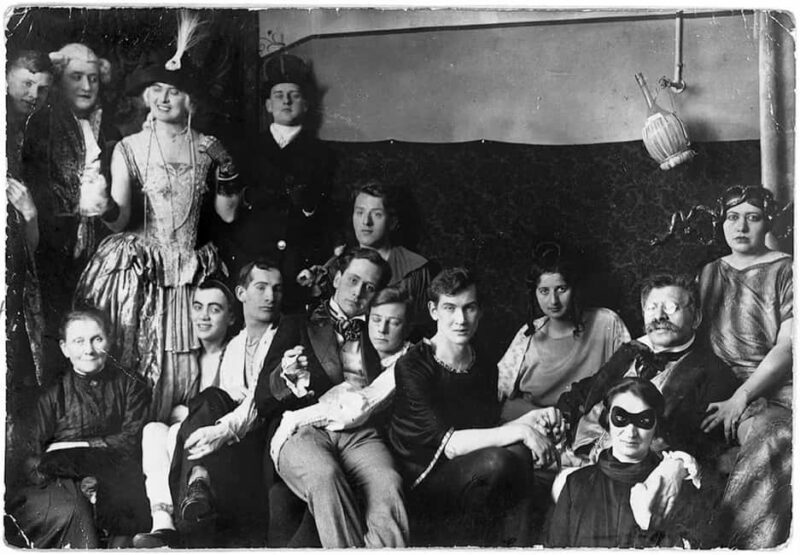
Exploring New York City’s history often means walking past iconic landmarks, but this tour offers a different perspective—uncovering the secret LGBTQ+ stories that shaped the city long before the Stonewall Riots. It’s a guided walk that invites curious travelers to learn about queer lives, struggles, and triumphs in the streets of Greenwich Village, the birthplace of America’s modern gay rights movement.
What we love about this experience is its deep historical insight paired with authentic storytelling, which makes the past come alive. Plus, the tour’s focus on lesser-known figures and places offers a fresh angle on NYC’s vibrant history. One thing to consider is that it involves moderate walking for about two hours, so comfortable shoes are a must.
This tour is best suited for those who enjoy history, social movements, or exploring hidden stories of LGBTQ+ pioneers. It’s ideal for travelers eager to connect with the city’s roots in a meaningful way—without the crowds or commercial hype.
You can check availability for your dates here:
👉 Check out our guide to the 3 Best Craft Beer Tours And Tastings In New York City
Key Points
- Historical depth: Uncovers LGBTQ+ stories from the 19th century through the 1960s, long before Stonewall.
- Authentic storytelling: Guided by an expert LGBTQ+ historian, the tour offers well-researched narratives.
- Focus on Greenwich Village: Explores key neighborhoods like NoHo and East Village, rich with Bohemian history.
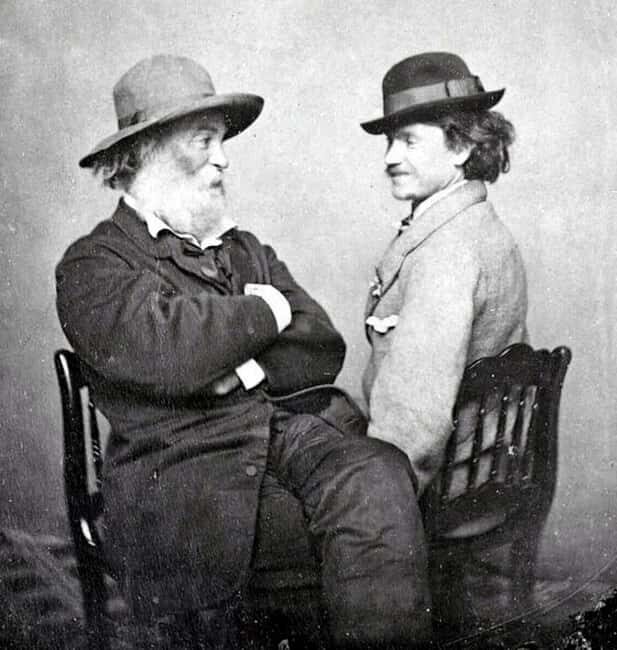
- Highlighting pioneers: Discusses figures such as Mary Jones, Lord Cornbury, Murray Hall, and others who broke barriers.
- Cultural insights: Learn about queer artists, poets, radicals, and how NYC’s nightlife was exploited and fought over.
- Accessible and flexible: Runs rain or shine, with options to reserve and pay later, making planning easy.
Fascinated by New York City's past? More historical tours we've covered



A Closer Look at the Tour Experience
This two-hour walking tour takes you through the streets of Greenwich Village, a neighborhood famous for its Bohemian spirit and LGBTQ+ history. Meeting at the corner of Bleeker Street and Broadway in front of Van Leeuwen Ice Cream, the guide kicks off promptly, ready to share stories that are often overlooked in standard history books.
The tour’s value lies in its storytelling, which weaves together historical facts with personal narratives. For example, you’ll hear about Mary Jones (Peter Sewally), a 19th-century Black transgender sex worker, whose story challenges classic notions of identity and survival. The guide recounts her life with sensitivity and depth, providing context about race, gender, and social status in that era.
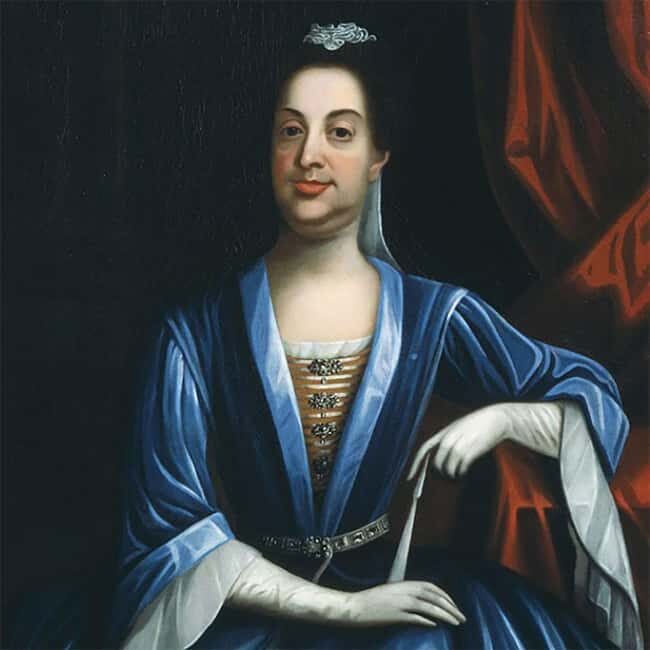
Another fascinating stop is Lord Cornbury, the colonial governor rumored to have ruled in drag, which highlights how early colonial attitudes and scandalous figures played into public perceptions of gender and authority. These stories are often delivered with a touch of humor, making them memorable and engaging.
The tour also explores how Greenwich Village became America’s first Bohemian playground—a space where queer artists, poets, and radicals could live and express themselves more openly. We loved the way the guide narrates the role of nightlife and underground bars, such as lesbian bars like the Pony Stable Inn, where queer communities thrived despite societal repression.
A significant part of the experience involves learning about activism and resistance—notably the 1966 Sip-In at Julius, an event that challenged discriminatory liquor laws targeting gay establishments. Hearing about how brave activists fought back gives the tour a sense of hope and resilience.
The tour doesn’t shy away from darker topics either, like how organized crime profited off queer nightlife or how public spaces were used as refuges for queer connection—and often police crackdowns. These stories bring a nuanced understanding of the conflicts and complexities faced by LGBTQ+ individuals.
Throughout the walk, you’ll see hidden historical sites and landmarks, many of which are not marked or widely known. The guide’s in-depth knowledge makes each stop feel like uncovering a secret, enriching your understanding of the city’s hidden LGBTQ+ legacy.
The Value of the Experience
For a modest $39, this tour offers an affordable window into aspects of NYC’s history that are seldom highlighted. The small group setting means you get personalized attention and can ask questions freely—making it a more intimate experience than larger tours.
While the tour’s focus is historical, it’s also a cultural journey that emphasizes progress and resilience. You’ll leave with a deeper appreciation for how queer communities have shaped and been shaped by NYC’s streets, often working in the shadows to survive and thrive.
The guide’s expertise and storytelling skills are consistently praised, with many reviews mentioning how engaging and informative the tour is. One reviewer mentioned, “I loved the way the stories were told—personal, respectful, and never sensationalized.” Others note that the hidden sites they visited felt like uncovering NYC’s best-kept secrets.
Of course, the moderate walking might be a consideration for some. The tour operates rain or shine, so dress accordingly and wear comfortable shoes. It is not suitable for children under 10, given the mature themes and historical complexity.
Detailed Breakdown of the Tour Stops
More Great Tours NearbyStarting Point – Bleeker Street and Broadway
The tour begins in the heart of Greenwich Village, a neighborhood synonymous with counterculture and LGBTQ+ history. Here, the guide sets the stage, giving an overview of how the area became a safe haven for queer communities in the early 20th century.
Here are more great tours and experiences we've reviewed in New York City
Mary Jones (Peter Sewally) and 19th-Century Transgender History
A key highlight is learning about Mary Jones, a Black transgender sex worker from the 1800s. This story underscores the intersectionality of race, gender, and survival, revealing a figure who was both marginalized and respected. It’s a reminder that trans history isn’t only recent.
Lord Cornbury and Colonial Scandal
Moving back in time, the guide discusses Lord Cornbury, the scandalous colonial governor rumored to have ruled in drag—showing that questions of gender and authority have long been intertwined with political power. It’s an amusing yet thought-provoking story that challenges stereotypes.
Bohemian and Artistic Roots
Next, we walk through neighborhoods like NoHo and the East Village, exploring how artists, poets, and radicals created spaces to live more openly. It’s a chance to see how gay and lesbian artists contributed to the neighborhood’s bohemian reputation.
Nightlife and Underground Bars
The tour visits historic lesbian bars like the Pony Stable Inn and Eves Hangout, places that once provided refuge and community. Stories of how these spaces operated under societal repression demonstrate resilience and creativity.
Activism and Resistance
A significant segment covers the 1966 Sip-In at Julius, a bold protest against discriminatory laws. This event marked a turning point in LGBTQ+ activism, and the guide explains its impact with clarity and passion.
Hidden Sites and Landmarks
Throughout, you’ll discover sites with little visible signage, which makes the experience feel like a treasure hunt. These places often hold stories of pioneers, struggles, and victories that are integral to understanding NYC’s queer history.
Murray Hall and Other Forgotten Pioneers
The story of Murray Hall, a 19th-century trans man who led a double life as a respected politician, highlights how history often overlooks queer figures. Learning about these pioneers makes the city’s history more inclusive.
Practicalities & What to Know Before Booking
For just $39, this tour offers excellent value—especially considering it’s led by an experienced LGBTQ+ historian. The two-hour duration means you get a thorough introduction without feeling rushed, though be prepared for moderate walking.
The meeting point is convenient: corner of Bleeker Street and Broadway, right in the heart of Greenwich Village. No transportation is needed once you’re there. The tour runs rain or shine, so dress comfortably and bring essentials like water, sunscreen, and a camera.
Since the tour is not suitable for children under 10, families with younger kids might want to look for other options. Also, note that food and drinks are not included, so you could plan to grab a bite afterward in the neighborhood.
Booking is flexible, with options to reserve and pay later, and full refunds available if canceled more than 24 hours in advance—a plus for travelers with unpredictable plans.
Who This Tour Is Best For
If you’re someone interested in hidden histories, social justice, or LGBTQ+ culture, this tour hits the mark. It’s perfect for history buffs, culture seekers, or anyone wanting to see Greenwich Village through a different lens.
It’s also a great choice for travelers who prefer small-group experiences that foster genuine conversations. The stories shared are respectful and enlightening, making it suitable for those who appreciate authentic narratives.
However, if you’re after a quick overview of NYC’s top sights or traveling with very young children, this might not be the best fit. It’s more suited for those eager to dig into stories often left out of mainstream narratives and who want to feel connected to the city’s long-standing LGBTQ+ roots.
The Sum Up
This Before Stonewall: Secret Gay History of NYC tour offers a rare chance to look beneath the surface of New York’s well-trodden tourist spots and step into the hidden stories of LGBTQ+ pioneers. It’s engaging, educational, and thoughtfully curated, making it an excellent addition to any trip focused on cultural exploration and social history.
Travelers who appreciate authentic storytelling and meaningful insights will find this tour rewarding. The focus on lesser-known figures and spaces adds depth and perspective, helping you understand the complex fabric of NYC’s queer history.
Overall, it’s a value-packed experience that makes the city’s past come alive, especially for those interested in activism, culture, and resilience. Whether you’re a history lover or just curious about the stories lurking beneath NYC’s familiar skyline, this tour will deepen your appreciation of the city’s diverse and enduring legacy.
Before Stonewall: Secret Gay History of NYC
FAQ
Is this tour suitable for people with mobility issues?
The tour involves moderate walking on city streets. It is wheelchair accessible, but travelers with mobility concerns should check with the provider for specific accommodations.
What should I bring?
Comfortable shoes are a must, along with a camera, sunscreen, and water. Since it’s outdoors, dress for the weather, whether sun or rain.
Does the tour operate in bad weather?
Yes, it runs rain or shine, so be prepared for the weather conditions on the day of your booking.
How long is the tour?
It lasts approximately two hours and covers multiple stops around Greenwich Village and nearby neighborhoods.
Can I cancel if my plans change?
Absolutely. You can cancel up to 24 hours in advance for a full refund, providing flexibility in your travel plans.
Is the guide knowledgeable about LGBTQ+ history?
Yes, the guide is an expert LGBTQ+ historian, passionate about sharing authentic stories and providing insightful context.
Is this tour family-friendly?
It’s not suitable for children under 10 due to mature themes and historical content. It’s best suited for older teens and adults interested in history and social issues.