
London’s storied past is laced with grim tales of death and brutality. From the devastation wrought by the Black Death pandemic to the gruesome executions of medieval justice, the city’s history is steeped in a macabre legacy. Whether it’s the mass graves that housed countless victims or the haunting presence of royal ghosts, London’s dark past continues to captivate those who dare to explore its sinister underbelly. What unspeakable horrors lurk in the shadows of this ancient metropolis?
Key Points
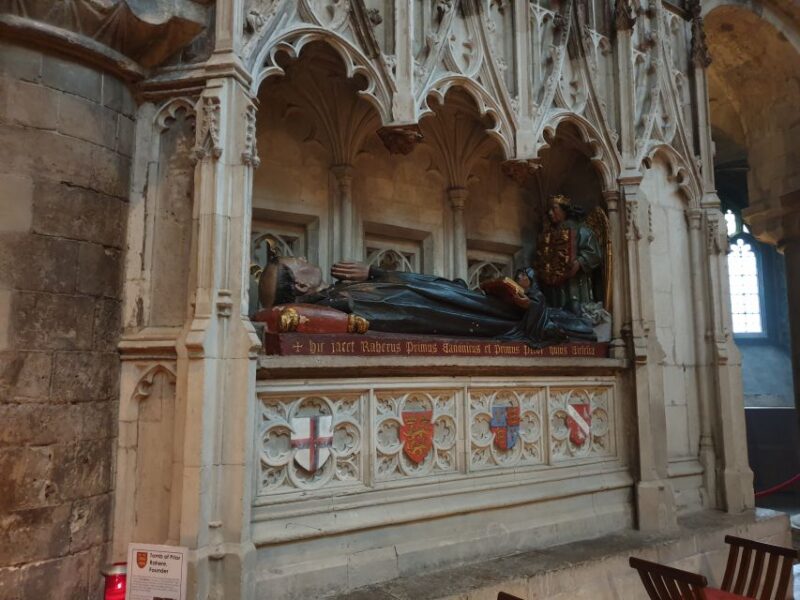
- The Black Death pandemic in 14th-century London led to the grisly task of disposing countless corpses, often in mass graves.
- Medieval execution methods like hanging, drawing and quartering, and burning at the stake were stark reminders of the harsh realities of justice.
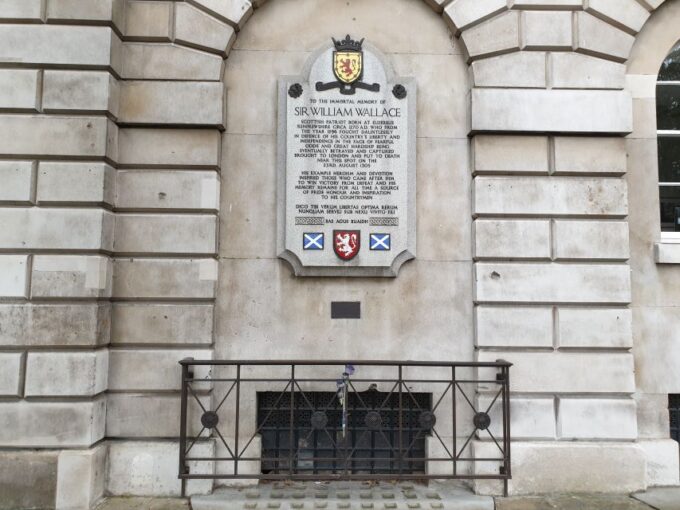
- The execution of Scottish rebel William Wallace in 1305 exemplified the brutal justice of the era, with his body parts displayed as a warning.
- Macabre tales of grave robbers, known as ‘Resurrection Men,’ supplying cadavers to medical schools, and the haunting of London’s streets by ghosts, add to the city’s grisly past.
- Smithfield’s history as a site of public executions, religious burnings, and the disposal of Black Death victims has left a lasting imprint on the area.

👉 Check out our guide to the 2 Best Craft Beer Tours And Tastings In London
Contents
- Key Points
- Black Death Corpse Disposal
- Medieval Execution Methods
- William Wallace’s Execution
- Kings, Body Snatchers, and Ghosts
- Smithfield’s Notorious Slum History
- Barbican to Farringdon Station Tour
- Church Entry (Subject to Availability)
- Age Restriction for Attendees
- Recap
- Our Top Picks in London
- More Tour Reviews in London
- Not for you? Here's more things to do in London we have recnetly reviewed
Black Death Corpse Disposal
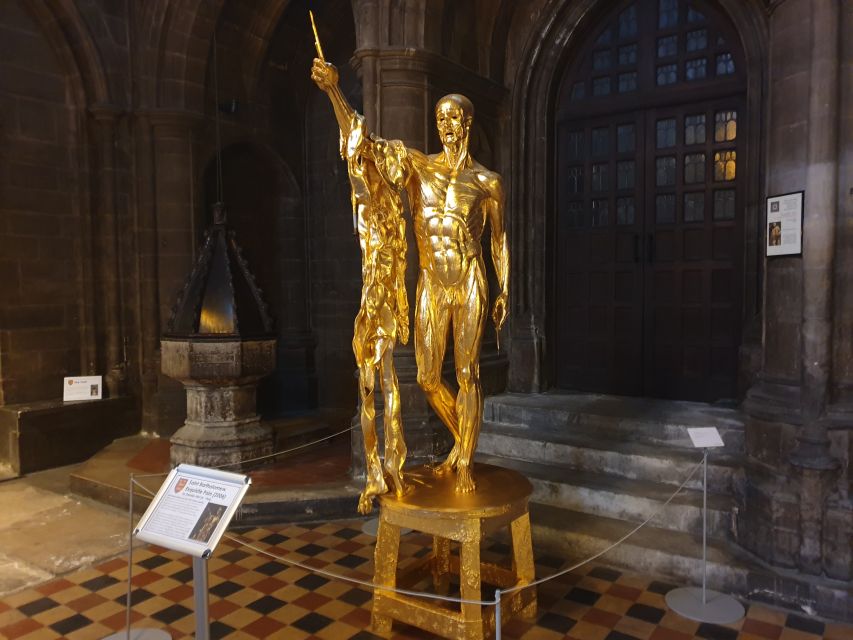
During the 14th century Black Death pandemic, London authorities faced the grim task of disposing of the countless corpses that littered the streets, often resorting to mass graves to cope with the staggering death toll.
With cemeteries overflowing, the dead were hastily buried in pits dug in open spaces around the city. Corpses were piled high, sometimes dozens deep, creating makeshift mass graves to accommodate the overwhelming number of victims.
The sheer scale of the crisis overwhelmed the city’s ability to provide dignified burials, leading to mass graves scattered across London’s landscape. This desperate measure was a stark testament to the catastrophic impact of the Black Death on the medieval city.
You can also read our reviews of more tours and experiences in London.


Medieval Execution Methods
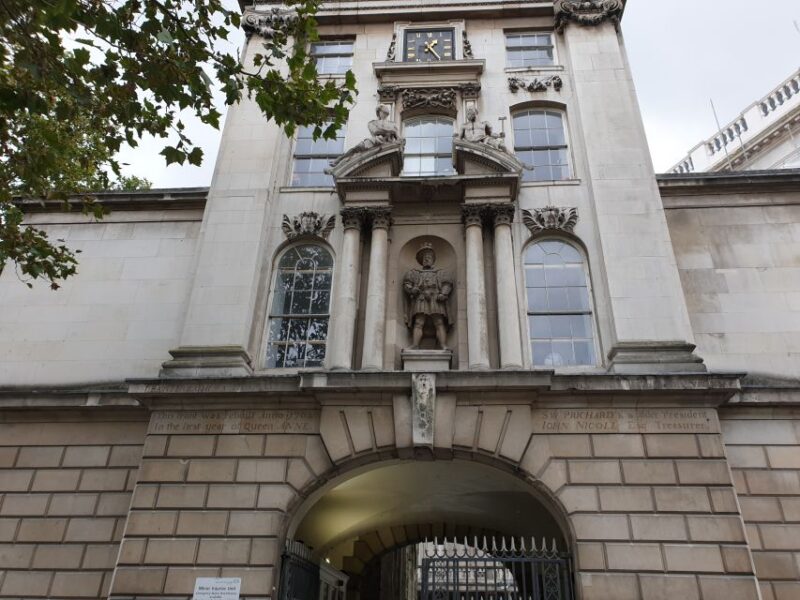
Burnings, Butchery & Black Death: London’s Bloody Past
Medieval London’s authorities employed a range of gruesome execution methods to punish criminals, from the grisly spectacle of public hangings to the torturous demise of being drawn and quartered.
Hanging was the most common form of execution, with criminals swinging from the gallows as crowds looked on. Even more brutal was the practice of drawing and quartering, where the condemned were tied to horses and literally torn apart.
Burning at the stake was reserved for heretics, with victims often forced to watch their own limbs consumed by the flames. These chilling punishments served as stark reminders of the harsh realities of medieval justice.
William Wallace’s Execution
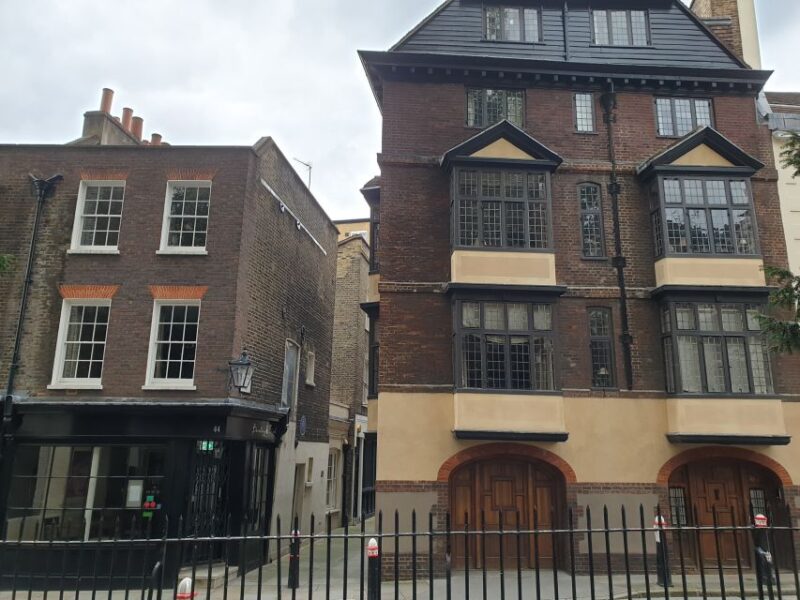
One of the most infamous executions in medieval London was that of the Scottish rebel William Wallace, who was hanged, drawn, and quartered in 1305 for his role in the Wars of Scottish Independence.
Wallace’s brutal demise exemplified the brutal justice of the era:
He was first hanged, but cut down before he died to prevent a quick death.
Then, his abdomen was cut open and his entrails were burned before his eyes.
Finally, his body was decapitated and quartered, with the pieces displayed throughout England as a warning to those who dared defy the Crown.
Wallace’s gruesome end served as a grim reminder of the high stakes and savage punishments of medieval politics.
Kings, Body Snatchers, and Ghosts
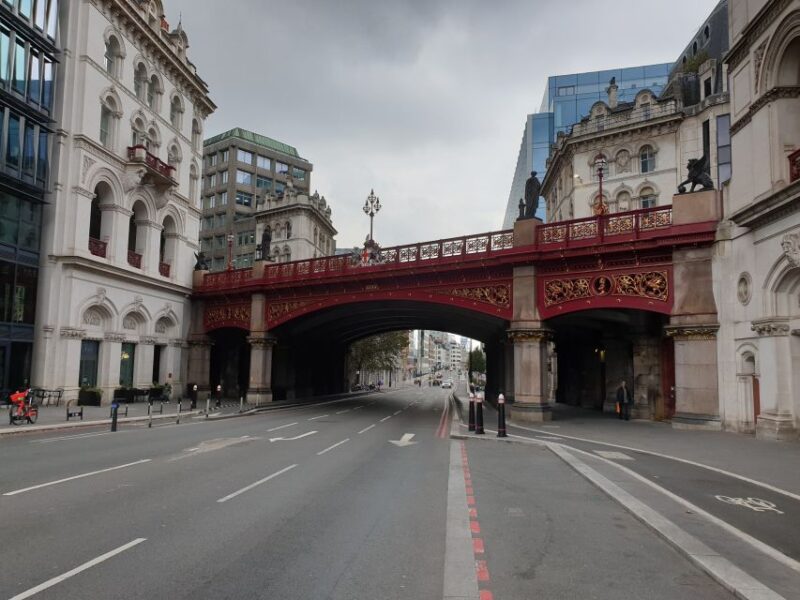
Visitors on the tour can expect to encounter the ghastly tales of kings, body snatchers, and an 18th-century specter that haunt the streets of London. Participants will learn about the grisly fate of King Edward II, who was assassinated by being impaled on a hot poker. They’ll also discover the macabre activities of the "Resurrection Men," grave robbers who supplied medical schools with cadavers. And the tour culminates with the sighting of the ghost of Sir Roger Newdigate, who is said to wander the area, his footsteps echoing through the night.
| Kings | Body Snatchers | Ghosts |
|---|---|---|
| Edward II | "Resurrection Men" | Sir Roger Newdigate |
| Impaled on hot poker | Supplied cadavers | Wandering the streets |
| Assassinated | Grave robbers | Footsteps echoing |
| Grisly fate | Macabre activities | 18th-century specter |
Smithfield’s Notorious Slum History
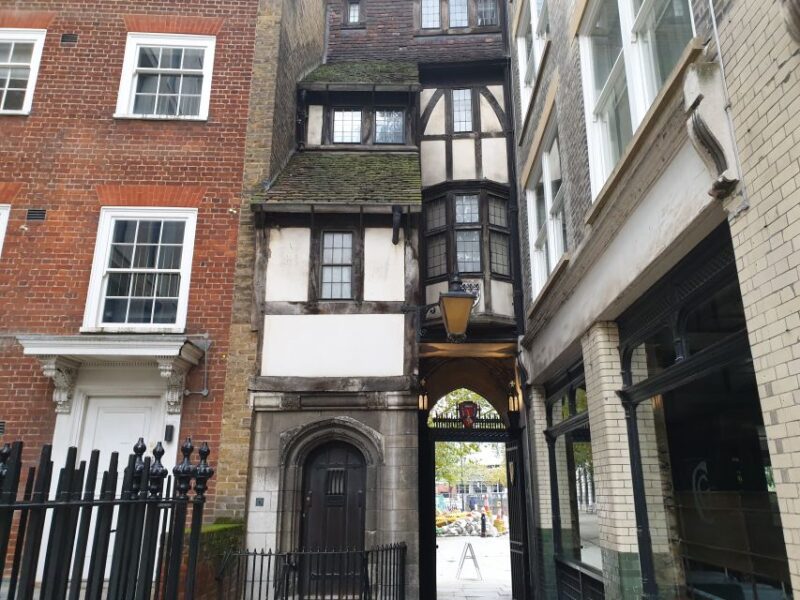
Burnings, Butchery & Black Death: London’s Bloody Past
The tour then turns to the notorious slum of Smithfield, a site memorialized in Charles Dickens’ Oliver Twist, where you will uncover the area’s grisly history of animal and human slaughter over the centuries.
Smithfield was the site of:
- Public executions, including the beheading of William Wallace in the 14th century.
- The burning of religious dissenters during the Marian Persecutions of the 16th century.
- The disposal of Black Death victims, whose corpses were piled high in mass graves in the 14th century.
This dark history has left a lasting imprint on the area, making Smithfield a must-see destination for those seeking to understand London’s bloody past.


Barbican to Farringdon Station Tour
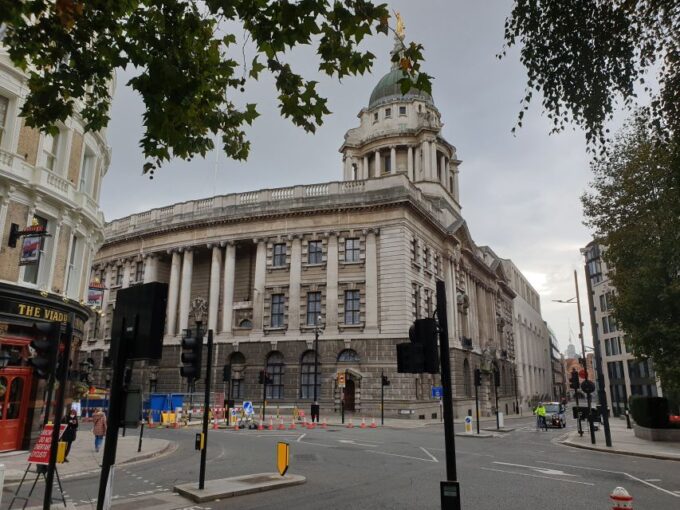
Burnings, Butchery & Black Death: London’s Bloody Past
Barbican to Farringdon Station Tour
The tour kicks off at Barbican Station, providing participants easy access to the starting point.
From there, attendees embark on a captivating journey through 1,000 years of London’s tumultuous history.
The tour delves into the notorious Smithfield area, a site of both animal and human slaughter for centuries.
Travelers will learn about the gruesome disposal of Black Death corpses in the 14th century and discover the execution methods used in the Middle Ages, including the fate of the legendary William Wallace.
Along the way, you will encounter kings, body snatchers, and even a ghost from Charles Dickens’ world.
The tour concludes near Farringdon Station.
Church Entry (Subject to Availability)
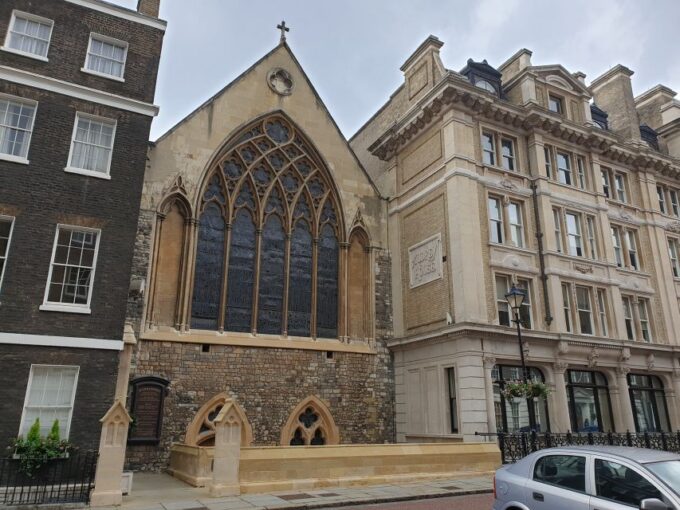
Burnings, Butchery & Black Death: London’s Bloody Past
The tour’s church entries are subject to the availability of services, allowing participants to explore these historic religious sites. When open, visitors can:
Marvel at the intricate architecture and artworks that have borne witness to centuries of London’s tumultuous history.
Imagine the pious parishioners who once gathered within these hallowed halls, perhaps unaware of the grisly events unfolding just outside their doors.
Reflect on the role these churches played in both the spiritual and practical lives of Londoners, from offering sanctuary to hosting public executions.
The churches provide a momentary respite from the tour’s darker themes, offering a glimpse into the city’s complex relationship with faith and community.
Age Restriction for Attendees
The tour isn’t suitable for children under 13 years of age due to the graphic nature of the content.
The walking tour takes visitors through 1,000 years of London’s dark history, exploring sites of animal and human slaughter, disposal of Black Death victims, and brutal execution methods used in the Middle Ages.
Given the disturbing subject matter, the tour is restricted to attendees aged 13 and above. This ensures that participants can fully engage with the material without concerns about younger guests.
The tour’s limited size of 15 people allows for a more intimate and immersive experience, but it also means the age requirement is strictly enforced to maintain the tour’s educational objectives.
Burnings, Butchery & Black Death: Londons Bloody Past
“Our guide was absolutely excellent – knowledgeable, fluent and entertaining. All 8 of us loved him!”
Recap
London’s bloody past is a testament to the city’s grisly history.
From the devastating impact of the Black Death to the gruesome executions of the medieval era, this tour offers a chilling glimpse into the dark realities that shaped the city.
Explore the macabre tales of body snatchers, royal ghosts, and Smithfield’s notorious slum, providing a harrowing yet captivating exploration of London’s grim past.
You can check availability for your dates here:


