
Chepstow Castle, a Norman architectural masterpiece, has witnessed centuries of tumultuous history along the banks of the River Wye. From its construction in the 11th century to the clash between Welsh and English forces, the rise and fall of rulers, and the turbulent events of the English Civil War, this captivating fortress offers visitors a glimpse into the realities of medieval life. Exploring its imposing limestone walls, gatehouses, and well-preserved interiors, including the ornate Marten’s Tower and the Chapel of St Mary, transports guests back in time, sparking their curiosity to uncover more about this historic landmark’s enduring legacy.
Key Points
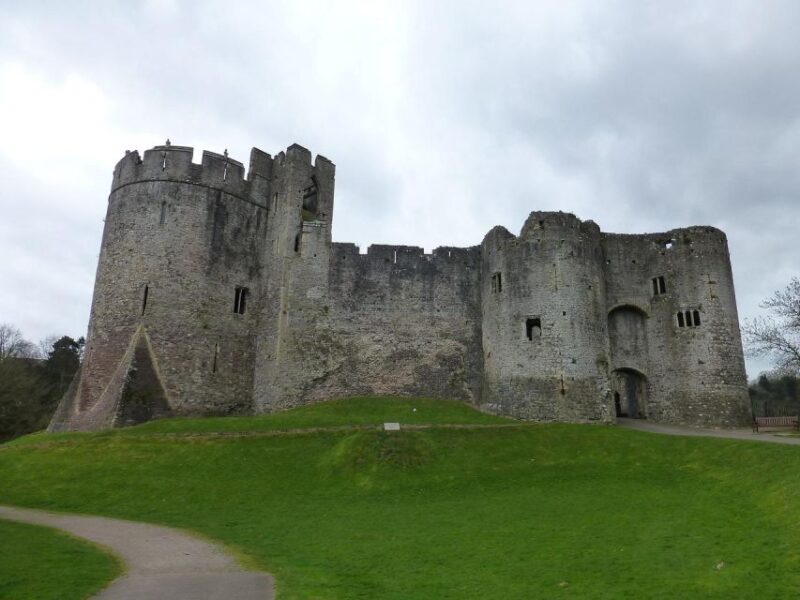
- Chepstow Castle, a Norman architectural marvel built in the 11th century, has witnessed centuries of clashes between Welsh and English forces.
- Explore the castle’s evolution, from its strategic location on the River Wye to its role as a crucial stronghold during the English Civil War.
- Discover the castle’s impressive design, featuring imposing limestone walls, gatehouses, and a well-preserved Marten’s Tower, showcasing the engineering prowess of its builder, William FitzOsbern.
- Learn about the daily life within the castle’s medieval walls, from grand banquet halls to the realities of life for its servants.
- Gain insight into the castle’s accessibility, with private group tours available in English, allowing visitors to explore its rich history and heritage.
Contents
- Key Points
- Norman Jewel of Monmouthshire
- William FitzOsbern’s Architectural Marvel
- Clash of Welsh and English
- Under English Crown’s Dominion
- Historic Architecture and Design
- Life Within Medieval Walls
- Civil War’s Impact
- Accessibility and Logistics
- Frequently Asked Questions
- Is Photography Allowed During the Tour?
- Can We Bring Our Own Food and Drinks?
- Are There Any Discounts for Students or Seniors?
- What Is the Dress Code for the Tour?
- How Long Does It Take to Get to the Castle?
- Recap
Norman Jewel of Monmouthshire
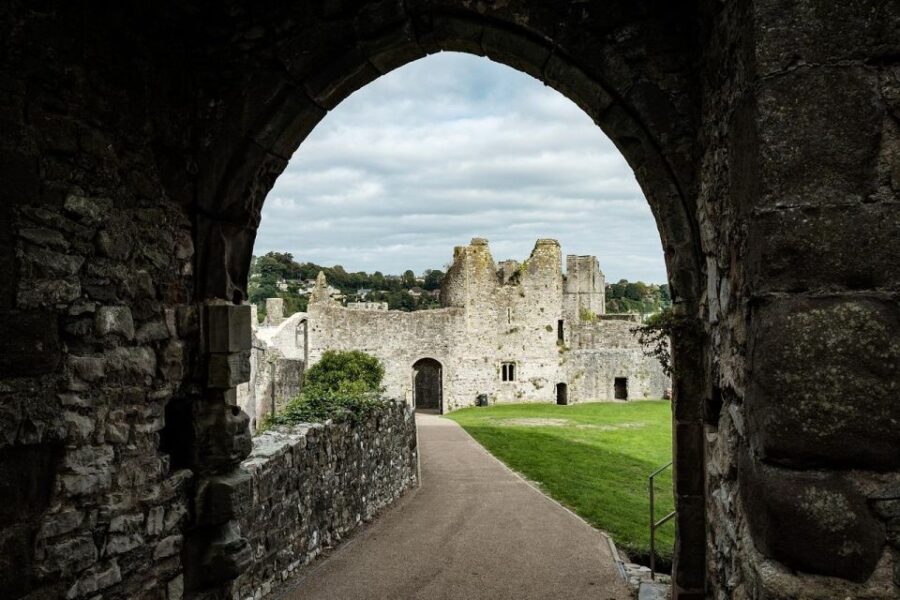
Situated along the banks of the River Wye, Chepstow Castle is a Norman jewel that has long stood as a testament to Monmouthshire’s rich history.
Built in the 11th century by William FitzOsbern, Earl of Hereford, this formidable structure was constructed to solidify Norman control over the region.
Over the centuries, the castle has witnessed numerous rulers and clashes between Welsh and English hands, before finally coming under the English crown in the late 13th century.
Today, this majestic castle remains an impressive example of Norman architecture, offering visitors a glimpse into the life and times of medieval Monmouthshire.
William FitzOsbern’s Architectural Marvel
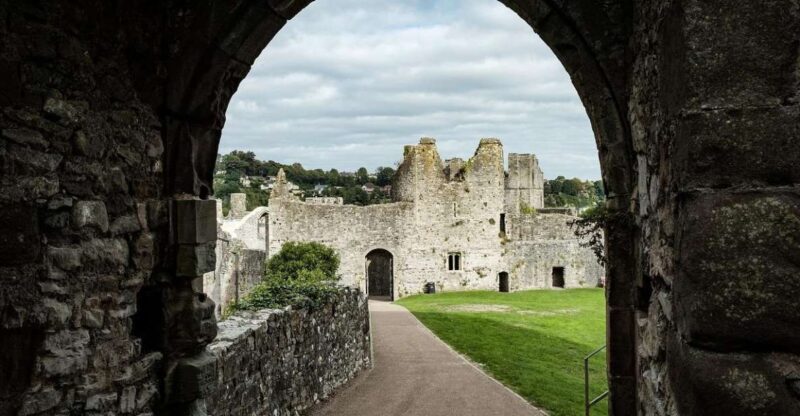
How did William FitzOsbern’s architectural vision manifest in the construction of Chepstow Castle?
Built in the 11th century, this formidable Norman structure was a testament to FitzOsbern’s strategic and engineering prowess, designed to solidify his family’s control over the region.
Towering over the River Wye, the castle’s imposing limestone walls, gatehouses, and keep showcased the latest military innovations of the time. Its intricate design, with multiple baileys and a formidable curtain wall, made Chepstow a virtually impregnable fortress.
FitzOsbern’s masterful blend of form and function ensured the castle’s enduring significance, surviving centuries of tumultuous history and changing hands between Welsh and English rulers.
Today, Chepstow Castle remains an architectural marvel, a lasting monument to the vision and ambition of its Norman founder.
Clash of Welsh and English
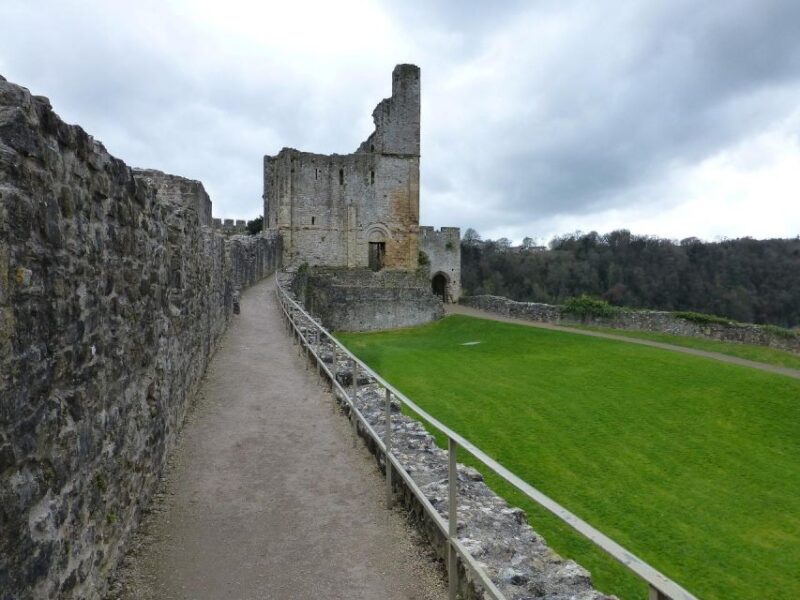
Over the centuries, Chepstow Castle frequently found itself at the center of the clash between Welsh and English forces, changing hands numerous times as control of the region shifted.
As a strategic outpost on the border, the castle was hotly contested, with the Welsh attempting to assert their independence and the English seeking to maintain their hold on the area. Bitter battles were fought within and around the castle walls, as each side vied for supremacy.
The castle’s architecture and defenses were repeatedly tested, modified, and reinforced to meet the evolving military demands.
Through it all, Chepstow Castle remained a focal point in the ongoing struggle between the two nations for mastery of this contested territory.
Under English Crown’s Dominion
Chepstow Castle: Under English Crown‘s Dominion
Chepstow Castle, located in Monmouthshire, Wales, was originally constructed in the 11th century as a Norman castle.
Over the centuries, the castle has undergone numerous expansions and renovations, transforming it into an impressive fortification.
Chepstow Castle came under the dominion of the English Crown in the late 13th century and remained under its control for centuries thereafter.
This strategic location allowed the English to exert their influence over the surrounding region and maintain a stronghold in the border area between England and Wales.
The castle’s imposing structure and historical significance continue to attract visitors from around the world, who come to explore its rich heritage and the role it played in the history of the region.
More Great Tours NearbyHistoric Architecture and Design
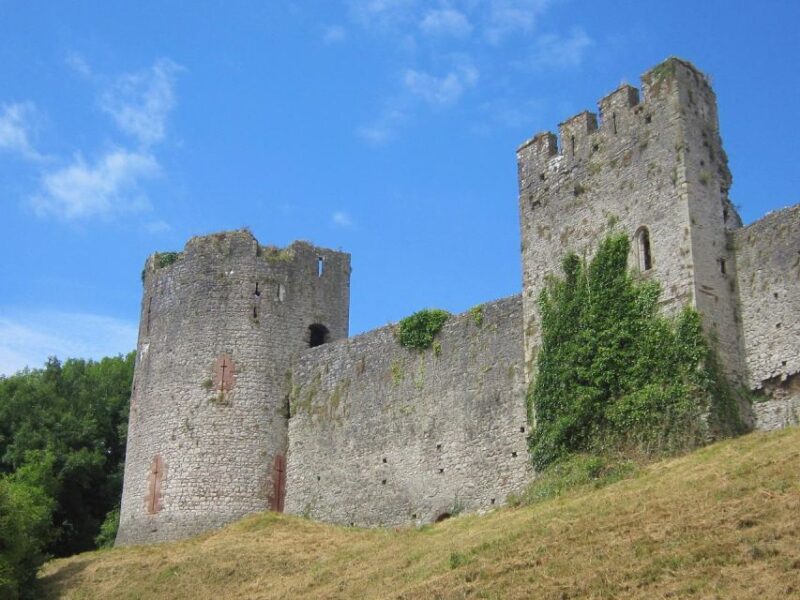
The castle’s Norman architecture, featuring impressive stone walls and towers, has endured through the centuries, standing as a testament to the skilled craftsmanship of its medieval builders.
Visitors can marvel at the intricate design elements, like the ornate gatehouse and the well-preserved Marten’s Tower.
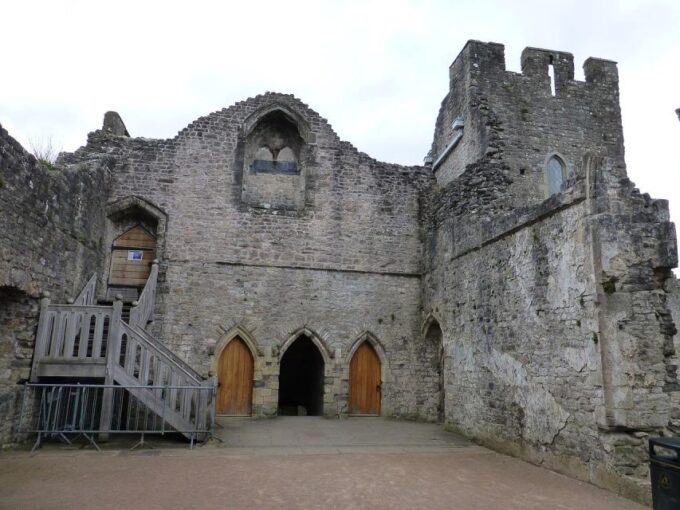
Over time, the castle’s layout has evolved, with additions like the Great Hall and the Chapel of St Mary.
Exploring the castle’s historic rooms and passages offers a unique glimpse into the architectural evolution of this iconic site.
From the imposing keep to the delicate carvings, Chepstow Castle’s historic architecture captivates all who wander its grounds, leaving them with a deeper appreciation for the castle’s enduring legacy.
Life Within Medieval Walls
Stepping inside the castle walls transports visitors back in time, offering a captivating glimpse into the daily lives of those who once inhabited this formidable Norman stronghold.
From the grand banquet hall to the cramped quarters of the servants, each nook and cranny holds a story waiting to be uncovered. Visitors can envision the bustling activity within the castle, from the clatter of armor and the clanging of swords to the aromas wafting from the kitchens.
Tales of courtly intrigue, lavish feasts, and the ever-present threat of attack come alive as the guide unveils the realities of medieval life within these ancient walls.
Civil War’s Impact
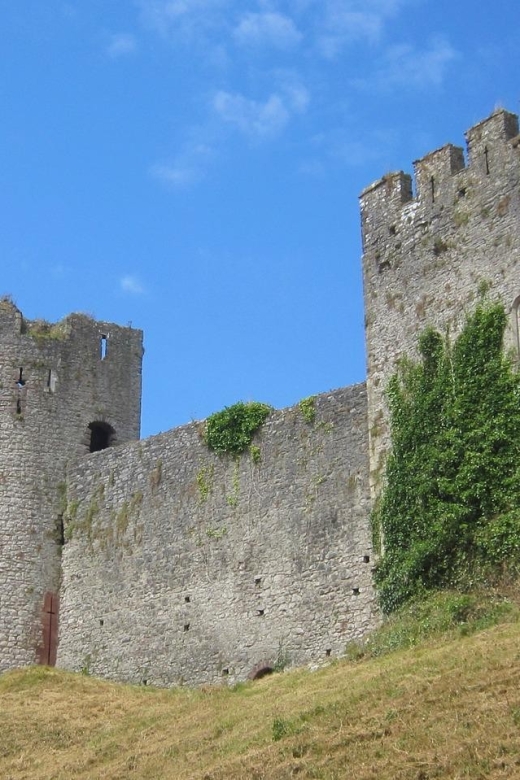
Chepstow Castle’s strategic location thrust it into the tumultuous events of the English Civil War, as it changed hands multiple times between Royalist and Parliamentary forces.
The imposing stone walls and commanding River Wye position made it a crucial stronghold.
In 1642, the castle fell to Parliamentarian troops led by Sir John Wintour. But two years later, Royalist forces reclaimed it, only to lose it again in 1648.
Throughout this conflict, the castle endured bombardments, sieges, and occupations that left their mark on its historic fabric.
Today, visitors can explore the scars of these turbulent times and gain insight into Chepstow’s pivotal role in the Civil War’s regional power struggles.
Accessibility and Logistics
Visiting Chepstow Castle is accessible for those with mobility issues, though they may not access all points within the site.
The meeting point is at the bottom of the path, near the edge of the car park, making it convenient for participants.
Private group tours can accommodate up to 10 people and are offered in English.
Cancellations are free up to 24 hours in advance, and visitors can reserve now and pay later.
The tour, led by a live guide, lasts 1.5 hours and provides an in-depth look at the castle’s history, architecture, and its role during the Civil War.
Pricing starts at £130 per group, not including castle admission, ensuring an immersive and informative experience for all.
Frequently Asked Questions
Is Photography Allowed During the Tour?
Photography is generally allowed during the tour, but visitors are advised to check with the tour guide for any restrictions. The tour guide can provide guidance on appropriate photography etiquette within the castle grounds.
Can We Bring Our Own Food and Drinks?
Visitors are generally welcome to bring their own food and drinks to enjoy during the tour. However, it’s recommended to check with the tour organizers beforehand, as some sites may have restrictions on outside food and beverages.
Are There Any Discounts for Students or Seniors?
Yes, the tour provider offers discounts for students and seniors. Visitors can save up to 20% off the standard group rate by showing valid ID at the time of booking.
What Is the Dress Code for the Tour?
There is no specific dress code for the Chepstow Castle tour. Visitors should wear comfortable, weather-appropriate clothing and comfortable walking shoes. The tour takes place outdoors, so dressing in layers is recommended.
How Long Does It Take to Get to the Castle?
The meeting point is at the bottom of the path at the edge of the car park, so it’ll take just a short walk to reach the castle. The duration of the tour itself is 1.5 hours.
Chepstow Castle Tour: History and Heritage
Recap
Chepstow Castle’s enduring legacy as a Norman architectural masterpiece continues to captivate visitors.
Its storied past, from Welsh-English clashes to the English Civil War, is palpable within its imposing walls.
Exploring the castle’s historic interiors, including the Marten’s Tower and St Mary’s Chapel, offers a unique glimpse into medieval life.
Despite the ravages of time, Chepstow Castle remains an accessible and remarkable testament to the region’s rich heritage.
You can check availability for your dates here: