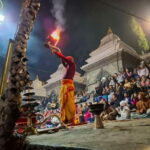
Along the sacred Bagmati River in Kathmandu, visitors can witness an ancient Hindu tradition that offers a profound glimpse into Nepali culture. Cremation rites at the renowned Pashupatinath Temple are solemn ceremonies that honor the deceased through cleansing, adorning, and chanting. These rituals symbolize the release of the soul, reflecting the belief in achieving moksha – liberation from the cycle of rebirth. As one of Nepal’s most significant spiritual sites, this experience not only showcases the country’s rich cultural heritage but also fosters a deeper appreciation for its enduring traditions.
Key Points
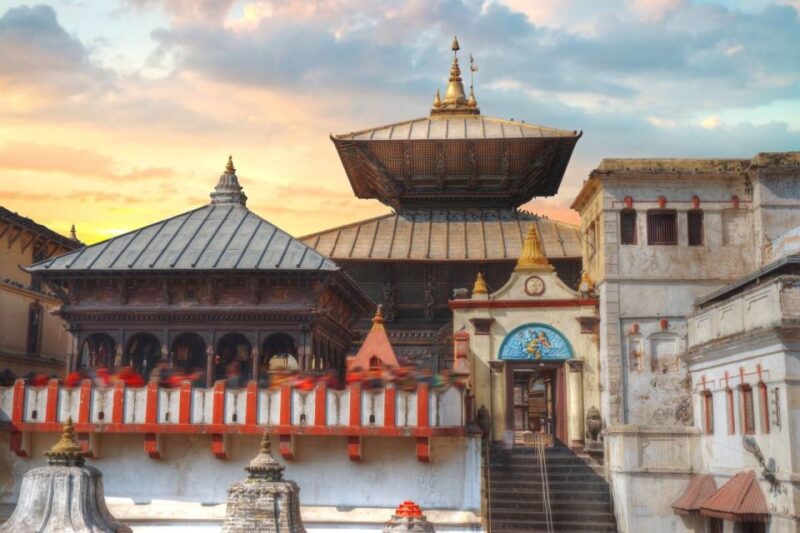
- Pashupatinath Temple in Kathmandu is a UNESCO World Heritage site, where visitors can witness Hindu cremation rituals along the Bagmati River.
- Cremation ceremonies at Pashupatinath involve cleansing the deceased, adorning them with flowers, and chanting mantras to symbolize the release of the soul from the physical form.
- The cremation rituals at Pashupatinath represent the Hindu belief in the cycle of life and death, and the pursuit of moksha or liberation from the cycle of rebirth.
- Visitors can explore the architectural marvels and encounter sadhus, or Hindu ascetic monks, within the temple grounds during the tour.
- Witnessing the cremation rites at Pashupatinath Temple offers a profound insight into Nepal’s enduring cultural traditions and spiritual heritage.

👉 Check out our guide to the 2 Best Guided Tours In Jagat
Contents
- Key Points
- Activity Overview
- Itinerary and Location
- Highlights of the Experience
- Cultural Significance
- Tour Inclusions
- Pashupatinath Temple
- Hindu Cremation Rituals
- Exploring the Temple Complex
- Frequently Asked Questions
- Is Photography Allowed During the Cremation Rituals?
- Can I Bring Children to Observe the Cremation Ceremonies?
- What Is the Dress Code for Attending the Cremation Rites?
- Are There Any Restrictions on the Types of Clothing Allowed?
- Can I Participate in the Rituals or Ceremonies as a Non-Hindu Visitor?
- Recap
- Our Top Picks in Kathmandu
- More Tour Reviews in Kathmandu
- Not for you? Here's more things to do in Kathmandu we have recnetly reviewed
Activity Overview

The article provides an overview of a cremation rites experience in Kathmandu, Nepal. This activity allows visitors to witness solemn Hindu cremation rituals at the renowned Pashupatinath Temple, one of the oldest Hindu temples in the world.
Priced from ₹4,221 per person, the 3-hour private group tour is offered in multiple languages, including English, Japanese, Chinese, French, and Hindi.
With free cancellation up to 24 hours in advance, the experience immerses participants in the spiritual and architectural marvels of the UNESCO World Heritage site.
Travelers can encounter sadhus within the temple compound and gain insights into the profound rituals and customs integral to Nepal’s rich cultural heritage.
You can also read our reviews of more tours and experiences in Kathmandu.

Itinerary and Location
This tour begins with pickup from the bustling Thamel neighborhood, a popular tourist hub in Kathmandu.
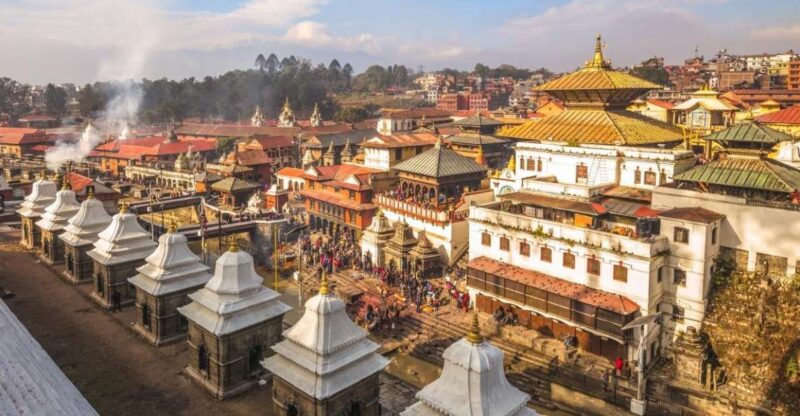
Participants then travel to the iconic Pashupatinath Temple, one of the oldest Hindu temples in Nepal and a UNESCO World Heritage site. Here, they’ll witness the solemn cremation rituals along the Bagmati River.
The temple complex features architectural marvels and is a hub for sadhus, Hindu ascetics, who can be encountered within the grounds.
The tour concludes with a return to the Thamel area. While the itinerary is subject to change, this experience offers a profound glimpse into Nepal’s rich cultural and spiritual heritage centered around the sacred rites of cremation.
Highlights of the Experience
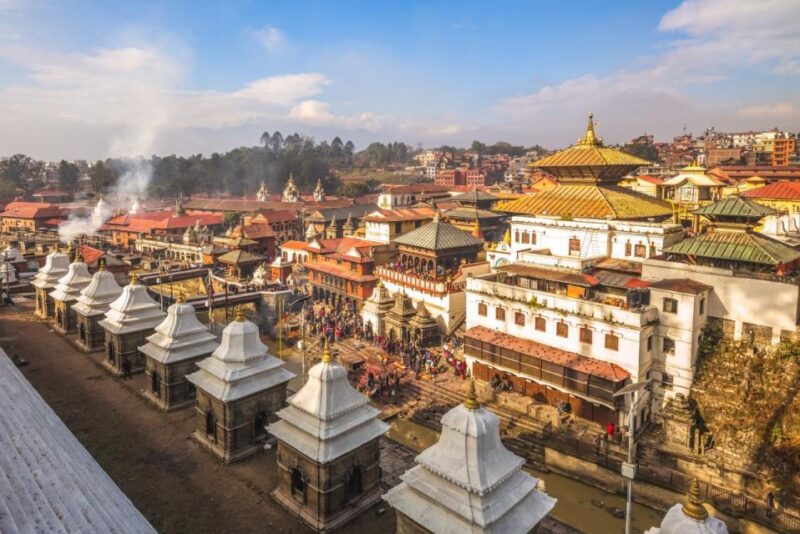
Visitors can witness the solemn Hindu cremation rituals at Pashupatinath, where the dead are cremated along the sacred Bagmati River.
Within the temple compound, they’ll encounter sadhus – Hindu ascetic monks – who come to pray and meditate.
This UNESCO World Heritage site is one of the oldest and most significant Hindu temples, featuring intricate architectural marvels.
Visitors can observe the profound rituals and customs that are integral to Nepal’s rich cultural heritage, gaining insights into the spiritual significance of the temple.
The experience allows them to delve deeper into the sacred traditions that have been practiced here for centuries.
Cultural Significance
Pashupatinath’s status as a UNESCO World Heritage site underscores its profound cultural significance within Hinduism and Nepalese society.
The temple complex’s architectural marvels and the sacred Hindu rituals performed along the Bagmati River have captivated visitors for centuries, offering a window into Nepal’s rich cultural heritage.
Observing the cremation ceremonies here allows travelers to gain deeper insights into the spiritual beliefs and customs that are deeply ingrained in the country’s collective identity.
The cremation rites, steeped in ancient traditions, hold immense significance, representing the Hindu belief in the cycle of life and death.
Witnessing these solemn rituals provides a profound and humbling experience, fostering a greater appreciation for Nepal’s enduring cultural and spiritual traditions.
More Great Tours NearbyTour Inclusions
The tour includes a professional guide who provides insights and commentary throughout the experience. Participants also receive entrance fees, mineral water during the tour, and all applicable government taxes and service charges.
While transportation isn’t specified, tips and gratuities for the guide and driver are optional. Meals and beverages beyond the provided mineral water aren’t included in the tour package.
This ensures that visitors can focus on the immersive cultural experience of witnessing the solemn Hindu cremation rituals at Pashupatinath Temple, one of the oldest and most significant Hindu temples in Nepal.
The comprehensive tour inclusions allow participants to fully engage with the profound spiritual significance of this sacred ceremony.



Pashupatinath Temple
At the heart of the cremation rites experience lies Pashupatinath Temple, a UNESCO World Heritage site and one of the most revered Hindu temples in Nepal. This ancient riverside sanctuary is home to the solemn cremation rituals that visitors witness. Within the grand temple complex, they’ll encounter sadhus, or holy men, and marvel at the architectural wonders. The temple’s spiritual significance is profound, offering a glimpse into Nepal’s rich cultural heritage.
| Feature | Description |
|---|---|
| Age | Over 5 centuries old |
| Location | Situated along the Bagmati River |
| Significance | One of the holiest Hindu pilgrimage sites |
Hindu Cremation Rituals
Hindu cremation rituals at Pashupatinath are deeply rooted in the spiritual traditions of Nepal, offering visitors a profound glimpse into the country’s cultural heritage.
The ceremonies along the Bagmati River are solemn and reverent, as mourners gather to honor their deceased loved ones.
Visitors can observe the rituals, which include cleansing the body, adorning it with flowers, and chanting sacred mantras.
The cremation itself is a sacred act, as the flames symbolize the release of the soul from the physical form.
Through these rituals, Hindus believe the deceased attains moksha, or liberation from the cycle of rebirth.
Witnessing these deeply meaningful ceremonies provides an unparalleled opportunity to understand the spiritual core of Nepali culture.
Exploring the Temple Complex
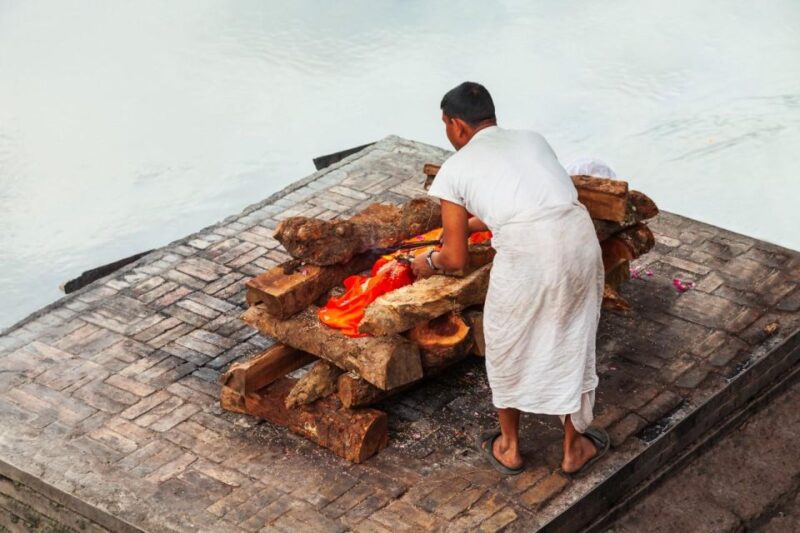
Visitors exploring the temple complex at Pashupatinath will be captivated by its architectural marvels, from the intricately carved pagodas to the serene riverfront setting.
The temple’s history and cultural significance come alive through the guided tour, as one discovers the fusion of spirituality and artistic expression that permeates this UNESCO World Heritage site.
Ornate shrines, sacred sculptures, and ornamental gateways showcase the temple’s exquisite design, reflecting centuries of Hindu tradition.
Navigating the winding pathways, visitors can observe sadhus and devotees engaged in rituals, providing a glimpse into the temple’s enduring spiritual significance.
The temple complex’s seamless blend of natural and built environments creates a captivating ambiance, inviting deeper exploration of Nepal’s rich cultural heritage.
Frequently Asked Questions
Is Photography Allowed During the Cremation Rituals?
Photography is generally not allowed during the cremation rituals out of respect for the sacred ceremony and the privacy of the grieving family. Visitors are advised to be discreet and respectful during the experience.
Can I Bring Children to Observe the Cremation Ceremonies?
It’s generally not recommended to bring children to observe cremation ceremonies, as the rituals can be solemn and sensitive. The cremation site is a sacred place, and children may find the experience disturbing or inappropriate.
What Is the Dress Code for Attending the Cremation Rites?
The dress code for attending cremation rites is generally conservative and respectful. Visitors should wear loose, modest clothing that covers the shoulders and knees. Shorts, skirts, and sleeveless tops are typically discouraged out of consideration for the solemn nature of the ceremonies.
Are There Any Restrictions on the Types of Clothing Allowed?
There are generally no strict dress code requirements, but visitors should wear modest, respectful clothing that covers the shoulders and knees. Revealing or overly casual attire may be seen as disrespectful in this sacred setting.
Can I Participate in the Rituals or Ceremonies as a Non-Hindu Visitor?
As a non-Hindu visitor, you can observe but not directly participate in the rituals and ceremonies at the Pashupatinath Temple. Respectful behavior and appropriate attire are expected, but active involvement is typically reserved for practicing Hindus.
Cremation Rites in Kathmandu
Recap
Attending cremation rites in Kathmandu’s Pashupatinath Temple is a profound cultural experience.
Visitors can witness the sacred rituals that honor the deceased and their journey to moksha.
This immersive encounter not only showcases Nepal’s rich Hindu heritage but also fosters a deeper appreciation for the spiritual traditions that have shaped the country’s identity.
You can check availability for your dates here: