
Marrakesh, a captivating UNESCO World Heritage site, offers visitors a rich tapestry of cultural heritage. From the majestic 12th-century mosques with their intricate tilework to the ornate Moroccan palace architecture, the city’s landmarks reveal its enduring legacy. The vibrant Jemaa el-Fnaa Square showcases the city’s time-honored traditions, while the Medersa Ben Youssef, a 16th-century Islamic university, highlights Marrakesh’s intellectual heritage. Whether you’re intrigued by the city’s religious, architectural, or academic traditions, there’s much to discover that might surprise you.
Key Points
-
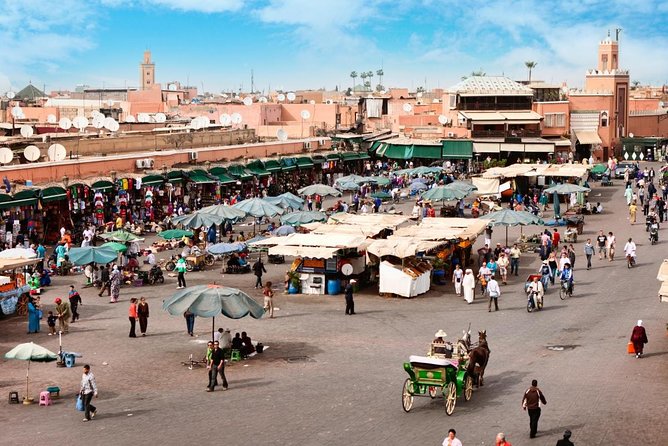
Marrakesh is home to the vibrant Jemaa el-Fnaa Square, a 11th century marketplace and UNESCO World Heritage site showcasing traditional Moroccan culture and entertainment.
-
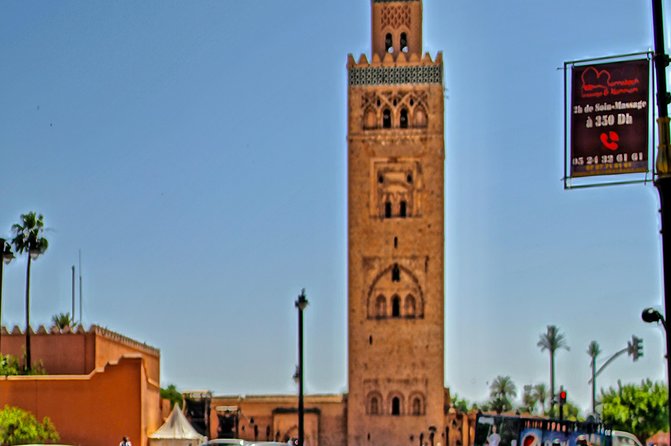
The city features majestic 12th-century mosques, such as the Koutoubia Mosque, with ornate Islamic architectural designs and surrounding ornamental gardens.
-
Marrakesh’s rich cultural heritage is evident in its ornate Moroccan palace architecture, like the Bahia Palace and El Badi Palace, featuring Moorish and Andalusian influences.
-
The Medersa Ben Youssef, a 16th-century Islamic madrasa, serves as a hub of intellectual activity and showcase of Morocco’s academic traditions.
-
Jemaa El-Fnaa Square offers a captivating sensory experience, with fragrant spices, traditional Moroccan delicacies, skilled entertainers, and the striking architecture of historic buildings.

👉 Check out our guide to the 20 Best 2 Day Tours In Marrakech
Contents
- Key Points
- Marrakech’s UNESCO World Heritage Site
- Majestic 12th-Century Mosques
- Intricate Moroccan Palace Architecture
- Merdersa Ben Youssef: Islamic University
- Vibrant Jemaa El-Fnaa Square
- Insider’s Perspective of Marrakech
- Accessible and Inclusive Exploration
- Immersive Cultural Heritage Experience
- Frequently Asked Questions
- Can I Take Photographs Inside the Mosques?
- What Is the Dress Code for Visiting the Religious Sites?
- How Much Time Is Typically Spent at Each Location?
- Are Guides Required to Access the Private Areas of Palaces?
- Are There Any Age or Mobility Restrictions for This Tour?
- Recap
- Our Top Picks in Marrakech
- More Historical Tours in Marrakech
- More Tour Reviews in Marrakech
- Not for you? Here's more things to do in Marrakech we have recnetly reviewed
Marrakech’s UNESCO World Heritage Site
Nestled within the bustling city of Marrakech lies the UNESCO World Heritage-listed Jemaa el-Fnaa Square, a vibrant hub that’s long captivated visitors with its mesmerizing blend of culture, history, and tradition.
This iconic marketplace, dating back to the 11th century, is a whirlwind of activity, where snake charmers, acrobats, and storytellers entertain the crowds amidst the tantalizing aromas of Moroccan cuisine.
Exploring the square’s labyrinth of narrow streets and alleyways, visitors can discover historic monuments, such as the 12th-century Koutoubia Mosque and the Saadian Tombs, providing a glimpse into Marrakech’s rich architectural heritage.
The UNESCO designation recognizes Jemaa el-Fnaa as a testament to the city’s enduring cultural significance, a living embodiment of Morocco’s captivating traditions.
Fascinated by Marrakech's past? More historical tours we've covered


Majestic 12th-Century Mosques
Beyond the vibrant Jemaa el-Fnaa Square, Marrakech boasts an array of majestic 12th-century mosques that showcase the city’s rich architectural heritage.
The Koutoubia Mosque, for instance, stands as a shining example, its towering minaret visible from miles away and serving as a prominent landmark in the city’s skyline.
These mosques, adorned with intricate tilework, ornate arched entryways, and ornamental gardens, aren’t merely places of worship – they’re architectural marvels that transport visitors back in time.
Exploring these well-preserved structures offers a glimpse into Marrakech’s storied past, a testament to the enduring influence of Islamic design and the city’s status as a cultural hub.
Intricate Moroccan Palace Architecture
Tucked within the labyrinthine streets of Marrakech, the city’s iconic palaces showcase a remarkable blend of Moorish and Andalusian architectural styles, captivating visitors with their intricate details and ornate grandeur.
The Bahia Palace, a 19th-century masterpiece, impresses with its ornately decorated rooms, expansive courtyards, and lush gardens.
Nearby, the El Badi Palace, a former royal residence, boasts impressive ruins that hint at its former splendor.
Exploring these architectural gems offers a glimpse into Morocco’s rich cultural heritage, where the influences of Islamic, European, and African styles converge to create a truly unique and captivating aesthetic.
Merdersa Ben Youssef: Islamic University

The Merdersa Ben Youssef, a 16th-century Islamic madrasa (university), stands as a testament to Marrakech’s rich cultural heritage, offering visitors a glimpse into the city’s renowned legacy of scholarship and learning.
This exquisite architectural gem, with its intricate tile work, ornate carved woodwork, and serene courtyards, was once a hub of intellectual activity, where students from across the Muslim world gathered to study Islamic sciences, law, and philosophy.
Today, the Merdersa Ben Youssef serves as a museum, allowing travelers to enjoy the captivating history of Morocco’s vibrant academic traditions and the profound influence they’ve had on the region’s cultural identity.
Vibrant Jemaa El-Fnaa Square
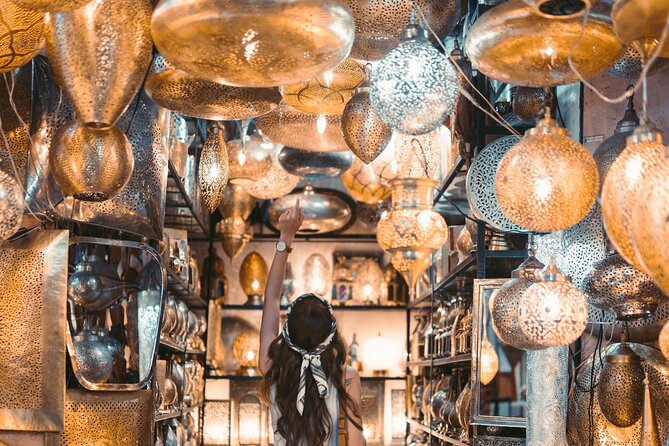
After exploring the tranquil interiors of the Merdersa Ben Youssef, visitors can enjoy the lively energy of Jemaa el-Fnaa, Marrakech’s iconic central square.
This vibrant marketplace, designated as a UNESCO World Heritage Site, hums with the activity of countless vendors, performers, and locals, creating a captivating sensory experience that encapsulates the essence of Moroccan culture.
Visitors can:
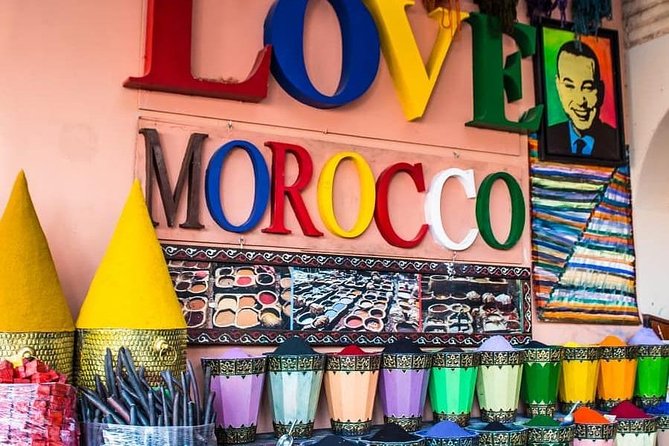
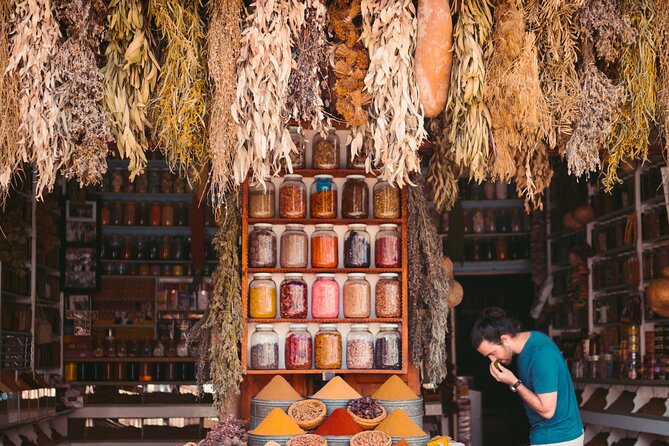
- Sample fragrant spices, freshly squeezed juices, and traditional Moroccan delicacies from the bustling food stalls
- Watch skilled entertainers like snake charmers, acrobats, and storytellers captivate the crowds
- Haggle with artisans selling handcrafted souvenirs, carpets, and leather goods in the bustling souk
- Admire the striking architecture of the surrounding historic buildings and monuments
- Immerse themselves in the lively atmosphere, where the sounds, sights, and smells create an unforgettable experience.


Insider’s Perspective of Marrakech
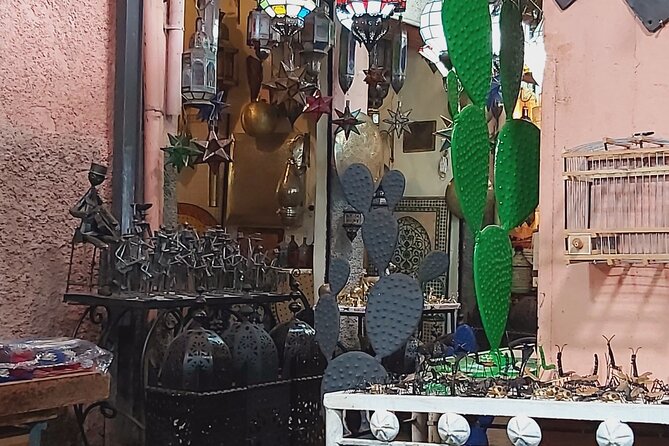
Venturing beyond the bustling Jemaa el-Fnaa Square, Marrakech offers visitors a chance to uncover its rich cultural heritage and gain an insider’s perspective on the city’s vibrant traditions.
On this private guided tour, you’ll discover 12th-century mosques, explore the intricate architecture of Moroccan palaces, and visit the renowned Medersa Ben Youssef, a 16th-century Islamic university.
Along the way, your knowledgeable guide will share insights into the city’s history and customs, shedding light on the local way of life.
From navigating the maze-like souks to admiring the intricate tilework, this immersive experience provides a deeper understanding of Marrakech’s enduring cultural tapestry.
Accessible and Inclusive Exploration
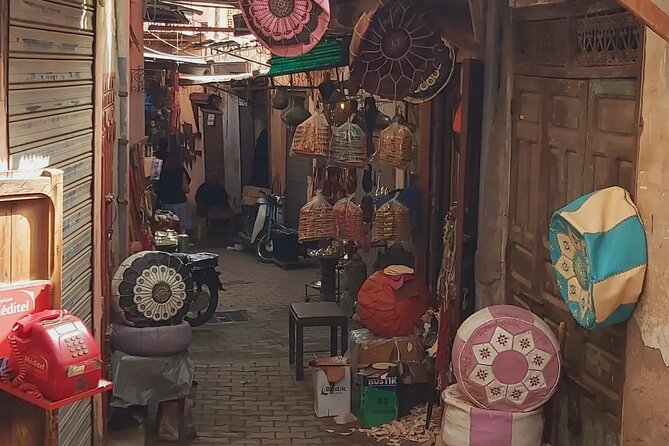
Marrakech’s cultural heritage beckons to visitors of all abilities, offering an accessible and inclusive exploration of the city’s timeless traditions. Wheelchair users and families with strollers can seamlessly navigate the tour’s carefully selected sites, which feature wheelchair-accessible surfaces and transportation. Infant seats are available, catering to the needs of young travelers.
With the guidance of a knowledgeable local, visitors can explore Marrakech’s captivating history and customs, regardless of their mobility or age. The tour highlights:
- UNESCO-listed Jemaa el-Fnaa Square, a vibrant hub of Moroccan culture
- 12th-century mosques and Moroccan palaces, showcasing the city’s architectural marvels
- The 16th-century Medersa Ben Youssef, an Islamic madrasa (university) rich in history
- Opportunities to connect with local artisans and explore traditional crafts
- Delicious Moroccan cuisine, savored during a included lunch
Immersive Cultural Heritage Experience
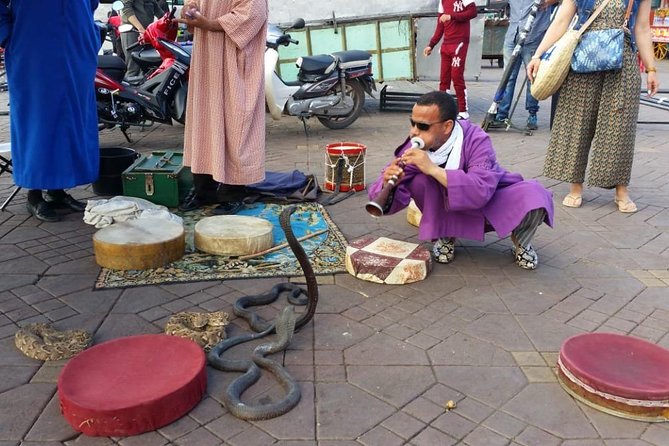
This immersive cultural heritage experience in Marrakech invites visitors to explore the timeless traditions and captivating stories that have shaped the city’s vibrant identity. Through the expertise of a knowledgeable local guide, travelers can uncover the architectural marvels and historical significance of iconic landmarks like the UNESCO-listed Jemaa el-Fnaa Square, 12th-century mosques, and the 16th-century Medersa Ben Youssef. Discover the rich tapestry of Moroccan culture as you stroll through bustling marketplaces, marvel at intricate tilework, and learn about the region’s fascinating history. This immersive journey promises an unforgettable encounter with Marrakech’s captivating cultural heritage.
| Landmark | Significance |
|---|---|
| Jemaa el-Fnaa Square | UNESCO World Heritage site, vibrant hub of Marrakech |
| 12th-century Mosques | Architectural marvels showcasing Moroccan craftsmanship |
| Medersa Ben Youssef | 16th-century Islamic madrasa (university), rich in history |
| Bustling Marketplaces | Vibrant hubs of Moroccan culture and commerce |
| Intricate Tilework | Showcase of Moroccan artistry and design |
Frequently Asked Questions
Can I Take Photographs Inside the Mosques?
You generally can’t take photographs inside mosques in Marrakech. Most mosques don’t allow photography out of respect for the religious and cultural significance of the spaces. Check with your guide for specific policies at each site.
What Is the Dress Code for Visiting the Religious Sites?
When visiting religious sites in Marrakech, visitors should wear modest attire that covers the shoulders, knees, and midriff. Loose, lightweight clothing is recommended to stay comfortable. Hats and sunglasses may be worn but should be removed when entering mosques.
How Much Time Is Typically Spent at Each Location?
The tour typically spends 1-2 hours at each location, allowing visitors to thoroughly explore the sites. This provides a well-rounded experience to discover Marrakech’s iconic landmarks and gain insights into the city’s rich cultural heritage.
Are Guides Required to Access the Private Areas of Palaces?
Guides are typically required to access the private areas of palaces in Marrakech. They have the necessary permissions and expertise to lead visitors through these restricted sites, providing insight and context not available to those exploring independently.
Are There Any Age or Mobility Restrictions for This Tour?
This tour has no age or mobility restrictions. The tour is wheelchair and stroller accessible, and infant seats are available. Most travelers can participate in this private tour for your group.
Cultural Heritage of Marrakesh
“Bassam was an exceptional guide. His knowledge and engagement was so wonderful. We highly recommend this tour and Bassam.”
Recap
Marrakech’s cultural heritage is a captivating tapestry that weaves together historic sites, architectural grandeur, and vibrant traditions.
From the UNESCO-listed Jemaa el-Fnaa Square to the majestic mosques and opulent palaces, the city offers an immersive experience that showcases Morocco’s rich intellectual and artistic legacy.
Exploring Marrakech allows visitors to connect with the enduring cultural identity that has defined this remarkable destination for centuries.


