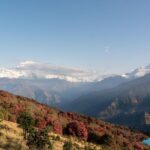
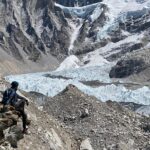
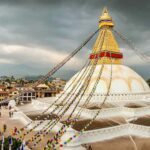
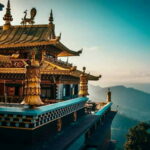
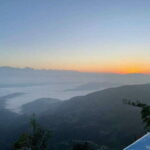
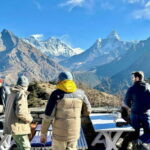
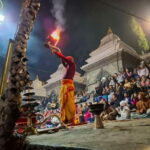
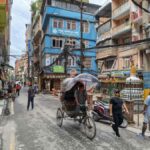
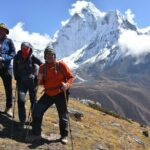
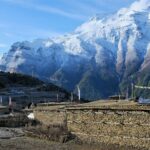
The Everest Base Camp Short Trek promises a thrilling 14-day journey through the Himalayas. This guided trek is perfect for fit and active individuals seeking to experience stunning mountain landscapes. With a maximum group size of 12, trekkers enjoy a personalized experience as they tackle daily walks of 6-7 hours, reaching altitudes up to 5500 meters. Backed by expert guides, comfortable accommodations, and essential gear, this adventure prioritizes health and safety. Whether you’re an avid hiker or seeking an unforgettable challenge, the Everest Base Camp Short Trek offers an opportunity to learn about the majesty of the world’s highest peaks.
Key Points
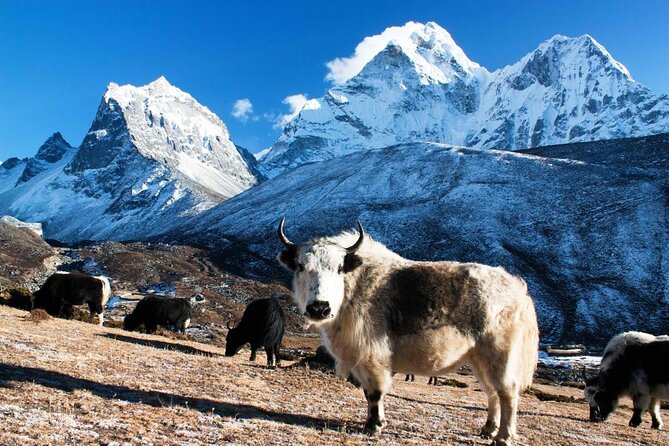
- This 14-day guided trek to Everest Base Camp is suitable for fit, active individuals who can handle 6-7 hours of daily trekking on challenging terrain.
- The trek reaches an altitude of up to 5500m, with daily ascents of 400-700m, making it suitable for the spring and autumn seasons.
- The group size is limited to a maximum of 12 participants to provide a personalized experience, with an experienced English-speaking guide and porter support.
- Essential gear, such as down jackets and sleeping bags, is provided for the trek, reducing the need for individual gear procurement.
- Additional costs, such as visa fees, international flights, and personal expenses, should be considered when budgeting for the Everest Base Camp Short Trek.
👉 Check out our guide to the 2 Best Guided Tours In Jagat
Contents
- Key Points
- Trek Overview
- Itinerary and Duration
- Group Size and Fitness
- Accommodation and Meals
- Included Gear and Equipment
- Guide and Porter Support
- Health and Safety Measures
- Additional Costs and Considerations
- Frequently Asked Questions
- Can I Extend the Trek Duration Beyond 14 Days?
- What Is the Cancellation and Refund Policy?
- What Vaccinations Are Required for the Trek?
- Can I Book the Trek Independently Without a Guide?
- What Is the Level of Cell Phone/Internet Coverage During the Trek?
- Recap
- Our Top Picks in Kathmandu
- More Hiking & Trekking Tours in Kathmandu
- More Tour Reviews in Kathmandu
- Not for you? Here's more things to do in Kathmandu we have recnetly reviewed
Trek Overview
The Everest Base Camp trek is a 14-day guided journey that takes adventurous travelers on a challenging yet rewarding trek to the base camp of the world’s highest mountain.
The group size is limited to a maximum of 12 participants, ensuring a more intimate and personalized experience.
This high-altitude trek is suitable for fit, active individuals who are comfortable with steep terrain and daily walking durations of 6-7 hours.
Trekkers will reach altitudes up to 5500m, with daily ascents of 400-700m.
The best time to embark on this adventure is during the spring (March-May) and autumn (September-November) seasons, when the weather conditions are generally more favorable.
Ready to hit more trails? More hiking adventures we feature in Kathmandu
Itinerary and Duration
Over the course of 14 days, trekkers embark on a guided journey to Everest Base Camp, covering a route that presents both stunning natural landscapes and challenging terrain.
The daily walking duration averages 6-7 hours over steep inclines, with daily ascents of 400-700 meters. Trekkers can expect to reach altitudes up to 5500 meters during the trek.
The best times to undertake this adventure are:
- Spring (March-May)
- Autumn (September-November)
This high-altitude trek is suitable for fit, active travelers, though it’s important to note that the itinerary may change due to weather or health concerns, prioritizing the safety of all participants.
Group Size and Fitness
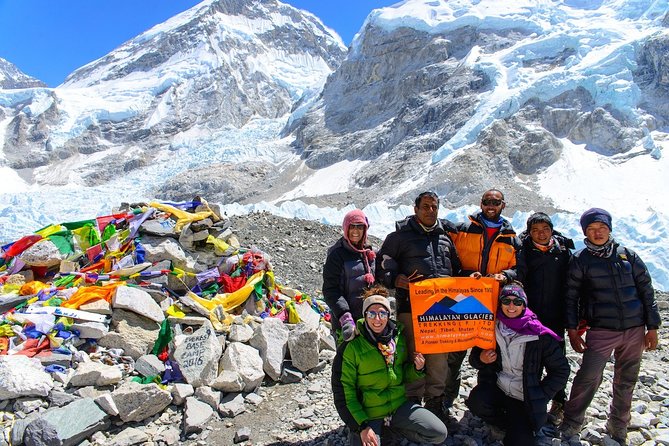
Small group sizes, with a maximum of 12 participants, allow for a more personalized and intimate trekking experience along the Everest Base Camp route. To undertake this high-altitude adventure, trekkers must possess a moderate level of physical fitness, as the daily treks span 6-7 hours over steep terrain with significant daily ascents.
| Fitness Level | Suitability |
|---|---|
| Moderate | Recommended for the Everest Base Camp Trek |
| High | Ideal for the Everest Base Camp Trek |
| Low | Not recommended for the Everest Base Camp Trek |
| Serious Medical Conditions | Not suitable for the Everest Base Camp Trek |
This trekking experience is designed for fit, active travelers who can handle the physical challenges of high-altitude hiking. Safety is a top priority, and the itinerary may be adjusted as needed.
Accommodation and Meals
Accommodation during the Everest Base Camp trek consists of 3-star hotel stays in Kathmandu and teahouse lodges along the trekking route. Meals are provided for the full duration, including 14 breakfasts, 13 dinners, and 12 lunches.
The package includes:
-
Welcome and farewell dinners in Kathmandu.
-
Availability of down jackets and sleeping bags for borrowing.
-
Provision of a trekking bag/duffel bag, t-shirt, and trekking map.
-
All meals during the trek, ensuring you’re well-fueled for the day’s activities.
This comprehensive accommodation and meal plan allows you to focus on the journey ahead, without worrying about the logistical details.
Included Gear and Equipment
The trek organizers provide several pieces of essential gear and equipment to ensure a comfortable and well-equipped journey. They offer high-quality down jackets and sleeping bags that can be borrowed, allowing trekkers to pack light.
Plus, each participant receives a trekking bag or duffel bag, a t-shirt, and a detailed trekking map to aid in navigation.
These inclusions mean you don’t have to worry about procuring all the necessary gear, making it easier to focus on the adventure ahead.
With these provisions, you can be confident you’ll have the right equipment to tackle the challenging terrain and cold temperatures of the Everest Base Camp trek.

Guide and Porter Support
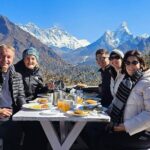
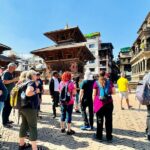
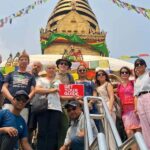
To ensure a safe and supported trekking experience, the tour company provides an experienced English-speaking trek leader and an assistant guide for every group of four trekkers. Plus, they assign a porter to carry the luggage of every two participants, allowing the hikers to focus on the trail ahead without the burden of heavy packs.
The guide and support team are essential for the Everest Base Camp Trek:
-
They possess in-depth knowledge of the trekking routes, local culture, and emergency procedures.
-
They monitor the group’s well-being, provide first-aid, and arrange alternative plans if needed.
-
The porters handle the heavy lifting, enabling the trekkers to conserve their energy for the long days on the trail.
-
Together, the team ensures a seamless and safe journey to the iconic Everest Base Camp.
Health and Safety Measures
Safety is a paramount concern for the trek organizers, who’ve implemented various measures to ensure the well-being of participants.
The experienced trek leader carries a comprehensive medical kit to address any health issues that may arise during the challenging high-altitude journey. In addition, an assistant guide accompanies the group, ensuring a 4:1 trekker-to-guide ratio for personalized support.
Porters are also provided to carry the bulk of the group’s equipment, allowing trekkers to focus on their own well-being.
Should any unexpected issues occur, such as flight delays, the trek organizers offer an optional helicopter rescue service to ensure a safe return.
The safety and comfort of participants is the top priority throughout the Everest Base Camp trek.
Additional Costs and Considerations
Aside from the included services, trekkers should budget for visa fees, excess baggage charges, and international flights, as well as personal expenses like phone calls and laundry, and tips for the trek staff.
The tour operator also offers a single supplement option for those who’d like private accommodations at an additional cost of $425.
However, it’s important to note that there are no refunds for unused services due to delays or cancellations.
Here are some additional considerations:
-
Nepalese visa fee
-
Excess baggage charges
-
Personal expenses (phone calls, laundry, etc.)
-
Tips for trek staff
Frequently Asked Questions
Can I Extend the Trek Duration Beyond 14 Days?
The trek duration can likely be extended beyond 14 days, but participants would need to consult the tour operator. Extending the trek may require additional planning, costs, and considerations based on the specific itinerary and participant needs.
What Is the Cancellation and Refund Policy?
The cancellation and refund policy typically doesn’t allow refunds for unused services due to delays or cancellations. Travelers should check the specific policy, as it may vary by tour operator.
What Vaccinations Are Required for the Trek?
The trek organizers recommend travelers get vaccinated against hepatitis A, typhoid, and routine immunizations like measles-mumps-rubella (MMR). However, specific vaccination requirements may vary, so it’s best to consult a travel health specialist before the trek.
Can I Book the Trek Independently Without a Guide?
Yes, travelers can book the EBC trek independently without a guide. However, it’s strongly recommended to use a reputable local trekking agency as they’ll provide essential support, logistics, and safety services during the high-altitude trek.
What Is the Level of Cell Phone/Internet Coverage During the Trek?
Cell phone and internet coverage is limited during the trek. Coverage is typically spotty and unreliable, especially at higher altitudes. Trekkers should prepare for limited connectivity and prioritize essential communications during the journey.
Everest Base Camp Short Trek
Recap
The Everest Base Camp Short Trek is a fantastic opportunity for fit and active individuals to enjoy the breathtaking landscapes of the Himalayas.
With expert guides, comfortable accommodations, and essential gear, trekkers can embark on a personalized 14-day adventure, reaching altitudes of up to 5500 meters.
This unforgettable journey prioritizes health and safety, ensuring an incredible experience in one of the world’s most stunning mountain regions.