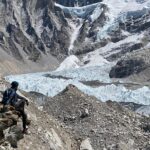
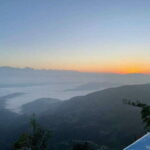
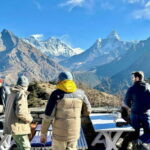
The Everest Base Camp Trek is a bucket-list adventure for many outdoor enthusiasts. This high-altitude trek through the Himalayas offers trekkers the chance to witness the sheer majesty of the world’s highest mountain up close. With carefully curated packages that handle everything from domestic flights to traditional tea house accommodations, the trek can be an accessible journey for those who meet the necessary physical fitness requirements. Safety measures and expert guides ensure a rewarding, if challenging, experience. But for those willing to push their limits, the Everest Base Camp Trek promises an unforgettable window into one of Earth’s most awe-inspiring landscapes.
Key Points
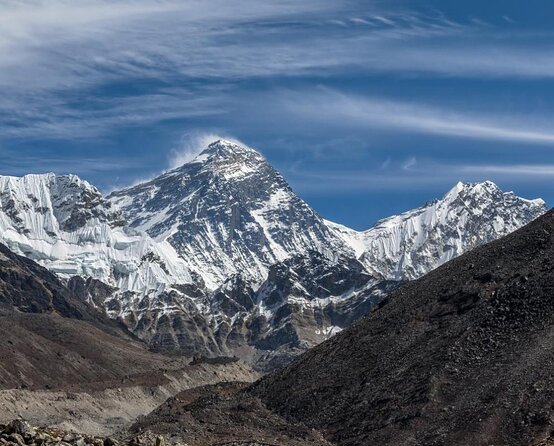
- The Everest Base Camp Trek offers a once-in-a-lifetime opportunity to explore the stunning Himalayan landscapes and reach the base camp of the world’s highest mountain.
- Participants must possess cardiovascular endurance, muscular strength, and flexibility to tackle the high-altitude hike, with a guide providing support and first-aid assistance.
- The trek includes accommodation in traditional tea houses, featuring family-style meals and a cozy atmosphere, as well as round-trip flights from Kathmandu to the Lukla Airport.
- Travelers must adhere to a 10 kg luggage limit and pack essential gear, with the option to store extra belongings at the Kathmandu hotel during the trek.
- The trek caters to a maximum group size of 8 participants, with a minimum age of 8 years old, and travelers should be prepared for potential flight delays or cancellations.
👉 Check out our guide to the 2 Best Guided Tours In Jagat
Contents
- Key Points
- Package Inclusions
- Physical Fitness Requirements
- Accommodation and Meals
- Domestic Transportation
- Safety and First-Aid
- Packing and Luggage
- Group Size and Age
- Flight Considerations
- Frequently Asked Questions
- Can I Hire Porters to Carry My Luggage During the Trek?
- Are There Any Special Dietary Requirements During the Trek?
- What Is the Cancellation Policy if I Need to Cancel My Trip?
- Are There Any Permits or Fees Required to Trek to Everest Base Camp?
- Can I Extend My Stay in Nepal Before or After the Trek?
- Recap
- Our Top Picks in Kathmandu
- More Hiking & Trekking Tours in Kathmandu
- More Tour Reviews in Kathmandu
- Not for you? Here's more things to do in Kathmandu we have recnetly reviewed
Package Inclusions
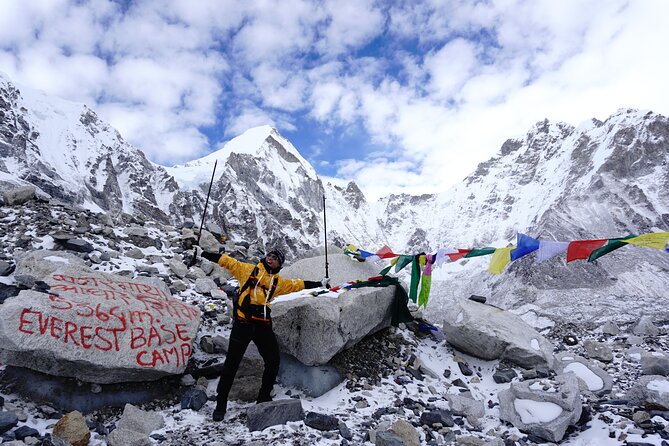
The Everest Base Camp Trek package includes domestic airfare from Kathmandu to Lukla and back, accommodation in tea houses during the trek, and three nights in a 3-star Kathmandu hotel with breakfast.
The package also includes a government-licensed trekking guide, a first-aid kit, and a Himalayan Recreation t-shirt.
Plus, the package provides a farewell dinner with a cultural show, ensuring travelers can enjoy the local traditions before returning home.
The inclusions are designed to offer a comprehensive and seamless trekking experience, allowing participants to focus on the journey without having to worry about logistical details.
With these provisions, the Everest Base Camp Trek provides an unparalleled opportunity to explore the stunning Himalayan landscape.
Ready to hit more trails? More hiking adventures we feature in Kathmandu
Physical Fitness Requirements
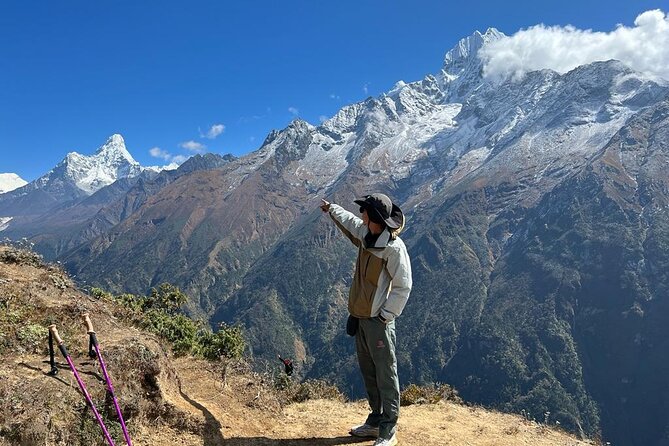
Everest Base Camp Trek requires strong physical fitness from participants. Travelers must be able to hike for extended periods in high-altitude environments, carrying their own daypacks weighing up to 10 kg. This challenging trek is not recommended for pregnant individuals or those with limited mobility, as the demanding terrain and high altitudes can pose significant risks. Prospective trekkers should consult with their healthcare providers to ensure they are medically fit for this expedition.
| Fitness Requirements | Description |
|---|---|
| Cardiovascular Endurance | Trekkers must be able to maintain a steady pace for long durations. |
| Muscular Strength | Hiking with a loaded pack requires leg and core strength. |
| Flexibility | Stretching is crucial to prevent injuries during the trek. |
Accommodation and Meals
During the Everest Base Camp trek, travelers can expect to stay in traditional tea houses along the trail. These basic yet comfortable accommodations provide a unique cultural experience and respite from the day’s hike.
Meals are typically served family-style, featuring local Nepali cuisine that fuels trekkers for the next leg of their journey. The tea houses offer dormitory-style sleeping quarters, with shared bathroom facilities.
While basic, they offer a cozy atmosphere and the opportunity to interact with fellow trekkers from around the world. Dietary requirements can usually be accommodated, though travelers should come prepared with their own snacks and preferred meals.
Domestic Transportation
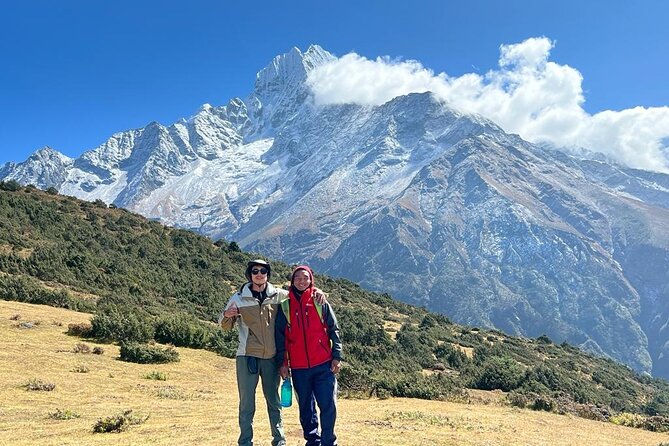
Travelers’ domestic transportation for the Everest Base Camp trek begins with a round-trip flight from Kathmandu to Lukla Airport, also known as the world’s most dangerous airport. This short but scenic flight takes trekkers directly into the heart of the Khumbu region, providing breathtaking aerial views of the Himalayas before landing on the steep, narrow runway nestled in the mountains.
The package includes this essential domestic airfare, ensuring a smooth and efficient start and end to the trek. Once at Lukla, trekkers will rely on their own two feet, hiking along ancient trails to reach Everest Base Camp.
The domestic transportation is a critical component of this immersive high-altitude adventure.
Safety and First-Aid
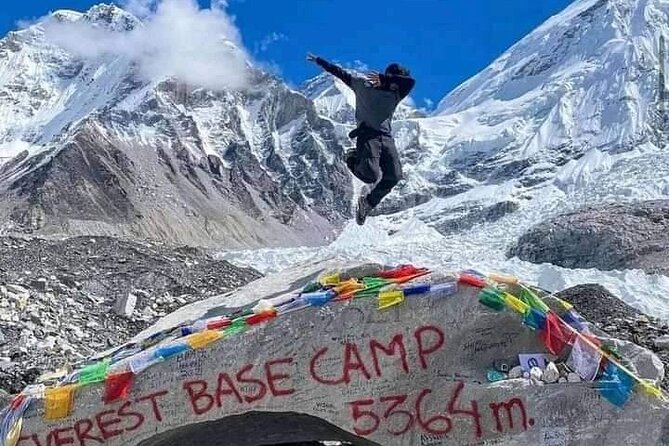
The tour operator provides a first-aid kit and ensures the trekking guide has first-aid training to address potential health concerns during the Everest Base Camp trek.
Travelers must also obtain travel insurance covering medical expenses at high altitudes, as access to medical facilities can be limited along the route.
While the trek doesn’t recommend pregnant individuals or wheelchair users, anyone with pre-existing conditions should consult a doctor before booking to understand the risks of high-altitude hiking.
The guide is equipped to handle minor injuries and illnesses, but serious medical emergencies may require evacuation, underscoring the importance of comprehensive travel insurance.
The tour operator prioritizes participant safety throughout the challenging trek to Everest Base Camp.


Packing and Luggage
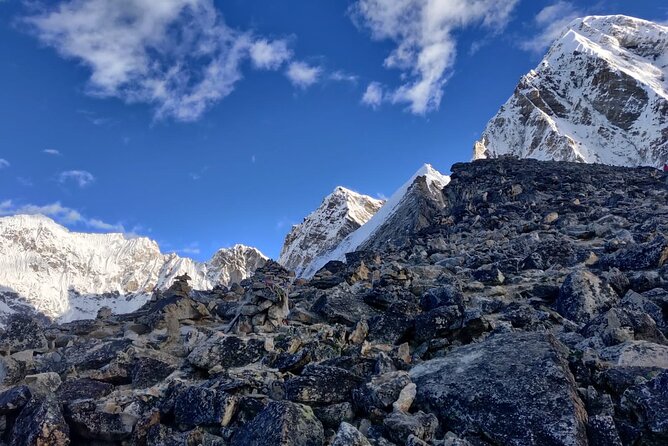
Packing light is crucial for the Everest Base Camp trek, with a maximum luggage limit of 10 kg per person. Participants can store any extra belongings at the hotel in Kathmandu while on the trek.
When packing, consider versatile, lightweight clothing that can be layered. Bring essential gear like a warm sleeping bag, trekking poles, and a good pair of hiking boots.
It’s also important to pack personal medications, a water bottle, and snacks. Remember, you’ll be carrying your own daypack, so pack only the necessities.
The trek can be physically demanding, so packing strategically and traveling light will make the journey more comfortable and enjoyable.
Group Size and Age
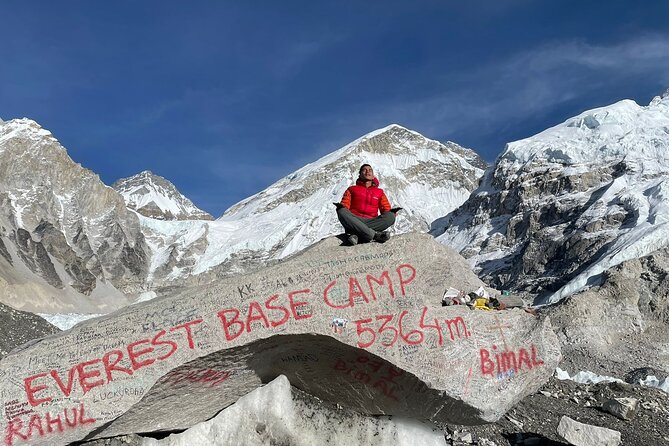
A maximum group size of 8 travelers ensures an intimate and personalized Everest Base Camp trekking experience.
Children as young as 8 years old are welcome to join, providing they possess the necessary physical fitness and stamina for the challenging high-altitude hike. This smaller group size allows the guide to provide more attentive support and care for each participant.
It also fosters a stronger sense of camaraderie and shared adventure among the trekkers. With a minimum age of 8, the trek is suitable for families, though it’s crucial that younger participants are well-prepared and accompanied by responsible adults.
The group size and age range create a dynamic and inclusive expedition, allowing travelers of diverse backgrounds to come together and conquer the iconic Everest Base Camp trek.
Flight Considerations
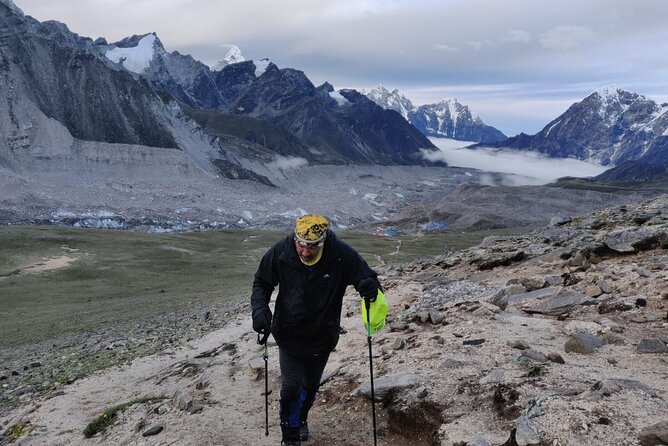
Upon booking the Everest Base Camp trek, travelers must consider potential flight delays and cancellations, as domestic flights to and from Lukla can be susceptible to weather-related disruptions.
Given the remote location of the trek’s starting and ending points, it’s crucial for participants to build in extra time before and after the trek to account for any flight-related contingencies.
The package includes round-trip flights between Kathmandu and Lukla, but delays or cancellations may require travelers to spend additional days in Kathmandu or the nearby town of Lukla, incurring extra costs.
To mitigate these risks, the tour operator recommends that travelers schedule flexible return flights and consider purchasing travel insurance that covers trip interruptions and delays.
Frequently Asked Questions
Can I Hire Porters to Carry My Luggage During the Trek?
Yes, porters can be hired to carry one’s luggage during the trek. Most trekking companies offer this service, which allows hikers to carry only a daypack and have the rest of their gear transported.
Are There Any Special Dietary Requirements During the Trek?
The trek has no special dietary requirements, but hikers should bring any necessary medications or snacks. Teahouses along the way offer a range of local cuisines, and the guide can accommodate most dietary needs with advance notice.
What Is the Cancellation Policy if I Need to Cancel My Trip?
The cancellation policy typically allows for full refunds minus any non-refundable fees up to 30 days prior to the trip start date. Within 30 days, refunds are subject to availability and fees may apply.
Are There Any Permits or Fees Required to Trek to Everest Base Camp?
There are permits and fees required to trek to Everest Base Camp. Travelers need to obtain a Trekking Permit and pay a conservation fee to enter the Sagarmatha National Park. These costs are typically included in the overall tour package price.
Can I Extend My Stay in Nepal Before or After the Trek?
Yes, travelers can extend their stay before or after the trek. The package includes 3 nights in a Kathmandu hotel, but travelers can book extra nights or add other activities in Nepal as desired.
Everest Base Camp Trek
Recap
The Everest Base Camp Trek offers a once-in-a-lifetime opportunity for adventurous trekkers. With its stunning Himalayan landscapes, traditional tea house accommodations, and comprehensive safety precautions, the trek is both challenging and rewarding.
Prospective participants must ensure they meet the physical fitness requirements and carefully consider the domestic flights and group size before embarking on this unforgettable journey to the base of the world’s highest mountain.