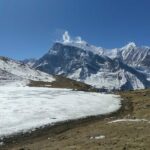
The Everest Base Camp Trek is a renowned adventure that draws trekkers from around the world to Nepal’s Khumbu region. Trekkers embark on a journey through diverse landscapes, from lush forests to towering peaks, as they ascend to the iconic Everest Base Camp at an elevation of 5,364 meters. With experienced guides, porters, and essential services, the trek offers a well-supported experience. However, the real challenge lies in navigating the physical and mental demands of high-altitude trekking, which requires thorough preparation and acclimatization. Those who are up for the challenge will be rewarded with breathtaking views and a profound connection to the majesty of the Himalayas.
Key Points
- The Everest Base Camp Trek is a popular trekking route in the Khumbu region of Nepal, offering stunning views of Mount Everest and other Himalayan peaks.
- The trek begins and ends in Kathmandu, with a scenic flight to Lukla, and ascends to Everest Base Camp at an elevation of 5,364 meters.
- The trek includes roundtrip domestic flights, meals, accommodation, essential trekking equipment, and the services of an experienced guide and porters.
- Participants must have a moderate level of physical fitness, and those with serious medical conditions, especially heart issues, are advised against joining the trek.
- Proper preparation, including acquiring appropriate gear and gradual acclimatization, is crucial for a successful and comfortable Everest Base Camp trekking experience.
👉 Check out our guide to the 2 Best Guided Tours In Jagat
Contents
- Key Points
- Overview and Location
- Inclusions and Services
- Exclusions
- Health and Safety
- Booking and Cancellation
- Trekking Experience
- Preparing for the Trek
- Frequently Asked Questions
- Frequently Asked Questions
- What Is the Best Time of Year to Do the Everest Base Camp Trek?
- Can I Bring My Own Trekking Gear or Is It Provided?
- Is There Wi-Fi or Phone Signal Available During the Trek?
- Can I Extend the Trek to Visit Other Areas of Nepal?
- What Is the Typical Group Size for This Trek?
- Recap
- Our Top Picks in Kathmandu
- More Hiking & Trekking Tours in Kathmandu
- More Tour Reviews in Kathmandu
- Not for you? Here's more things to do in Kathmandu we have recnetly reviewed
Overview and Location
The Everest Base Camp Trek is a renowned trekking expedition that takes adventurers on a journey to the foot of the world’s highest mountain, Mount Everest, situated in the Khumbu region of northeastern Nepal.
This iconic trek begins and ends in the bustling capital city of Kathmandu, where trekkers embark on a scenic flight to the small village of Lukla.
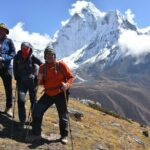
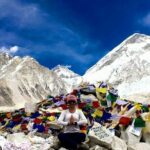
From there, they navigate through diverse landscapes, from lush forests to rugged mountain terrain, while gradually ascending to the iconic Everest Base Camp at an altitude of 5,364 meters (17,598 feet).
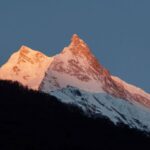
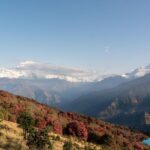
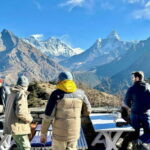
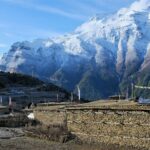
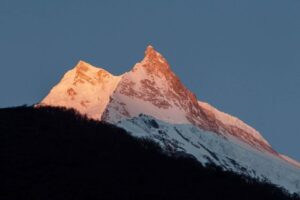
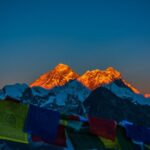
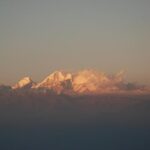
The trek offers breathtaking vistas of the Himalayan giants, including Everest, Lhotse, and Nuptse, making it a once-in-a-lifetime experience for outdoor enthusiasts and mountaineering aficionados.
Ready to hit more trails? More hiking adventures we feature in Kathmandu
Inclusions and Services
To embark on the Everest Base Camp Trek, travelers can expect a comprehensive package that covers all necessary ground transportation, meals, accommodation, and essential equipment.
This trek includes roundtrip domestic flights between Kathmandu and Lukla, which serve as the starting and ending points of the expedition.
Throughout the journey, you will enjoy nutritious breakfast, lunch, and dinner meals. They’ll stay in comfortable, private twin-sharing rooms during the trekking portion.
The package also provides an Everest trekking map, a first-aid kit, an oximeter, and a certificate acknowledging the trek achievement.
Plus, the tour includes an experienced, English-speaking guide, porters, and emergency helicopter rescue arrangements covered by insurance.
Exclusions
While the Everest Base Camp Trek package includes a comprehensive set of services, there are some exclusions that travelers should be aware of. Personal equipment such as hiking gear and clothing is not provided, and participants must arrange their own international airfare to and from Kathmandu. Plus, travel and rescue insurance are not included in the package price, so it’s essential for trekkers to secure their own coverage prior to the expedition.
| Exclusions | Details |
|---|---|
| Personal Equipment | Hiking gear, clothing, etc. |
| International Airfare | Flights to/from Kathmandu |
| Travel and Rescue Insurance | Mandatory for trek participation |
| Extra Personal Expenses | Phone calls, laundry, bar bills, etc. |
| Tips for Trekking Staff and Driver | Gratuities not included |
Health and Safety
For the Everest Base Camp Trek, participants must meet certain health and safety requirements.
The trek isn’t wheelchair accessible, but service animals are allowed. Those with serious medical conditions, such as heart problems, aren’t recommended to attempt this trek, which requires a moderate level of physical fitness.
It’s important to note that pregnant travelers are also not recommended to join. Trekkers should be prepared for the high altitude and challenging terrain.
The trek includes safety measures like a first aid medical kit, oximeter, and emergency helicopter rescue arrangements. However, participants must still exercise caution and be in good physical shape to undertake this adventure.
Booking and Cancellation
The Everest Base Camp Trek accepts a maximum of 25 travelers per tour or activity, with confirmation received at the time of booking.
Travelers can take advantage of the free cancellation policy up to 24 hours before the experience starts in the local time zone, allowing for flexibility in their travel plans.
The trek’s price starts from $1,350.00, reflecting the comprehensive inclusions and services provided for this immersive adventure.
Based on 21 reviews, the Everest Base Camp Trek maintains an impressive overall rating of 5.0 stars, indicating a highly satisfactory experience for past participants.
The booking process is straightforward:
-
Secure your spot with the initial payment
-
Receive confirmation of your reservation
-
Take advantage of the flexible cancellation policy if needed


Trekking Experience
With the booking essentials taken care of, travelers can now focus on the Everest Base Camp Trek experience. This iconic journey through Nepal’s captivating Himalayan landscape offers a once-in-a-lifetime opportunity to witness the majestic beauty of the world’s highest mountain up close.
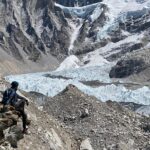
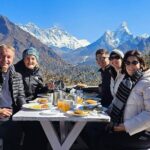
Along the trail, trekkers will be treated to stunning vistas of towering peaks, pristine glaciers, and vibrant Sherpa villages. Each day brings new challenges and rewards, from navigating steep, winding paths to savoring hearty Nepali cuisine at cozy teahouses.
With the guidance of experienced English-speaking guides and the support of porters, even hikers with moderate fitness levels can conquer this bucket-list adventure and revel in the pride of reaching Everest Base Camp.
Preparing for the Trek
Careful preparation is crucial for a successful Everest Base Camp trek, as trekkers must ensure they’ve the proper gear, physical fitness, and acclimatization plan to navigate the challenging terrain and high altitudes.
Before embarking on this journey, it’s essential to invest in quality trekking gear, including sturdy boots, warm layers, and a reliable backpack.
Maintaining a consistent fitness routine focused on cardiovascular endurance and strength training can also greatly improve one’s chances of completing the trek comfortably.
Plus, following a gradual acclimatization schedule is vital to mitigate the risks of altitude sickness, which can be a serious concern at the high elevations of the Everest region.
-
Proper trekking gear
-
Physical fitness preparation
-
Acclimatization plan
Frequently Asked Questions
Curious trekkers often inquire about the most pressing concerns when embarking on the Everest Base Camp trek, from the required fitness level to potential health risks.
The trek is considered moderate in difficulty, requiring a good level of physical fitness but not extreme conditioning. Trekkers shouldn’t have any serious medical conditions, especially heart problems, as the high altitude can be taxing.
While the trail is well-trafficked, emergency evacuation services are available if needed. Proper preparation, including acquiring the right gear and packing light, is essential.
Staying hydrated, eating well, and allowing for acclimatization are also key to a successful and safe adventure.
With the right mindset and precautions, the Everest Base Camp trek can be an immensely rewarding experience.
Frequently Asked Questions
What Is the Best Time of Year to Do the Everest Base Camp Trek?
The best time to do the Everest Base Camp trek is typically from March to May or from September to November. These seasons offer clear skies, mild temperatures, and optimal trekking conditions along the route.
Can I Bring My Own Trekking Gear or Is It Provided?
Travelers can bring their own trekking gear, but the trek provider also offers equipment like sleeping bags and jackets if needed. This provides flexibility for travelers who may not have all the required gear.
Is There Wi-Fi or Phone Signal Available During the Trek?
Wi-Fi and phone signal can be spotty during treks, but there are typically options to purchase local SIM cards or access internet cafes in towns along the route. Travelers should plan ahead and expect limited connectivity in more remote areas.
Can I Extend the Trek to Visit Other Areas of Nepal?
Yes, trekkers can often extend their trip to visit other areas of Nepal after completing the Everest Base Camp trek. Additional destinations like Chitwan, Pokhara, and Kathmandu are popular extensions that allow travelers to further explore Nepal’s diverse cultural and natural wonders.
What Is the Typical Group Size for This Trek?
The typical group size for this trek is a maximum of 25 travelers. The small group size allows for a more personalized and flexible experience, with ample support from the experienced trekking guide and porter.
Everest Base Camp Trek
“Great experience with unique path Tour! The arrangement of the guide and itinerary was done in detail. Makes the arduous trek very enjoyable and ma…”
Recap
The Everest Base Camp Trek offers an unparalleled adventure for outdoor enthusiasts.
With its stunning landscapes, experienced guides, and essential services, trekkers can enjoy the unique beauty of the Himalayas.
By properly preparing and prioritizing health and safety, adventurers can enjoy an unforgettable experience at the iconic Everest Base Camp.
This trek is a must-do for those seeking a challenging yet rewarding journey through Nepal’s breathtaking Khumbu region.