Embarking on the Everest Base Camp Trek is a captivating adventure that transports adventurers to the heart of the Himalayas. Trekkers begin their journey with a scenic flight to Lukla, setting the stage for an unforgettable exploration of diverse landscapes, traditional Sherpa villages, and the majestic presence of the world’s highest peak. As they navigate through the stunning terrain, trekkers will witness breathtaking views of iconic mountains, enjoy the rich cultural heritage, and enjoy the comfort of teahouse accommodations. However, the trek’s success hinges on the crucial role of acclimatization days, ensuring the well-being and safety of all participants. With the guidance of experienced professionals, this extraordinary expedition promises an unparalleled glimpse into the wonders of the Himalayas.
Good To Know
-
The Everest Base Camp Trek offers stunning views of the Himalayan peaks, including Mount Everest, during a 30-minute flight from Kathmandu to Lukla Airport.
-
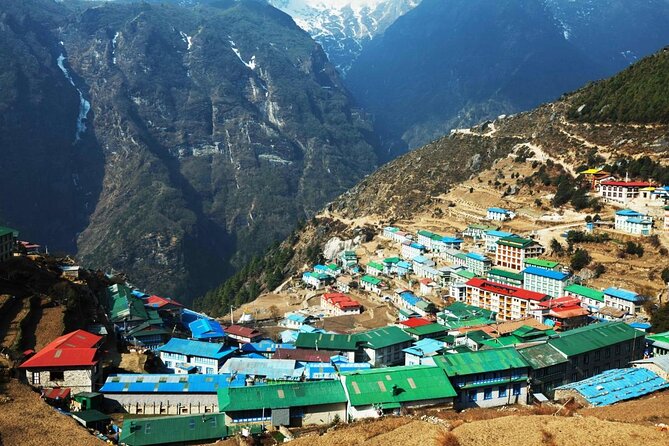
The trek through diverse landscapes showcases lush rhododendron forests, swift rivers, rugged mountain passes, and traditional Sherpa villages with opportunities to spot rare Himalayan wildlife.
-
Sherpa cultural heritage is prominent throughout the trek, with visits to the Sherpa capital Namche Bazaar, the Tengboche Monastery, and interactions with hospitable Sherpa communities.
-
Proper acclimatization with rest days is crucial for the successful completion of the trek and to prevent altitude sickness.
-
The trek provides breathtaking views of iconic mountains such as Mount Everest, Lhotse, Ama Dablam, and Nuptse, along with comfortable teahouse accommodations and support from experienced guides.
👉 Check out our guide to the 2 Best Guided Tours In Jagat
Contents
- Good To Know
- Scenic Flight to Lukla
- Trekking Through Diverse Landscapes
- Sherpa Villages and Cultural Sites
- Acclimatization and Rest Days
- Breathtaking Mountain Views
- Teahouse Accommodations and Meals
- Guides and Trip Support
- Additional Travel Considerations
- Frequently Asked Questions
- What Is the Best Time of Year to Do the Everest Base Camp Trek?
- How Physically Fit Do I Need to Be to Complete the Everest Base Camp Trek?
- What Are the Visa Requirements for Traveling to Nepal for the Everest Base Camp Trek?
- Can I Book the Everest Base Camp Trek as a Solo Traveler?
- What Should I Pack for the Everest Base Camp Trek?
- Sum Up
- Our Top Picks in Kathmandu
- More Hiking & Trekking Tours in Kathmandu
- More Tour Reviews in Kathmandu
- Not for you? Here's more things to do in Kathmandu we have recnetly reviewed
Scenic Flight to Lukla
Embarking on the Everest Base Camp Trek begins with a thrilling scenic flight from Kathmandu to Lukla Airport. This 30-minute flight offers stunning views of the Himalayan peaks, including the mighty Everest.
Lukla Airport, nicknamed the "world’s most dangerous airport", is situated at an altitude of 2,845 meters (9,330 feet), making it the starting point for the trek. The landing on the short, steep runway requires exceptional piloting skills.
Trekkers are advised to sit back, enjoy the breathtaking scenery, and prepare themselves for the challenging yet rewarding journey ahead. From Lukla, the trek continues through diverse landscapes, Sherpa villages, and towards the ultimate goal – the Everest Base Camp.
Ready to hit more trails? More hiking adventures we feature in Kathmandu
Trekking Through Diverse Landscapes
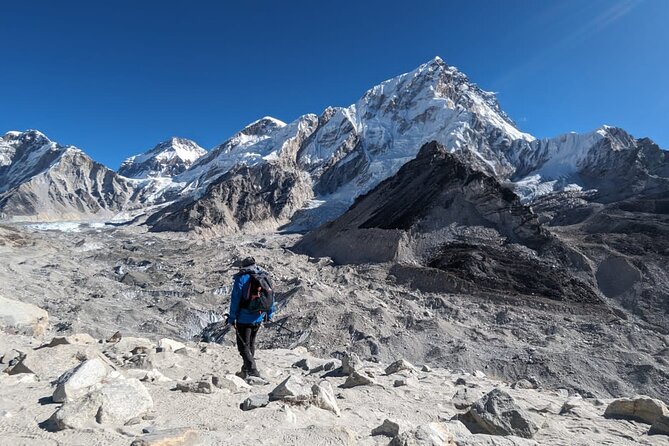
From Lukla, trekkers set out on a captivating journey through diverse landscapes.
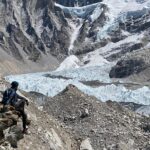
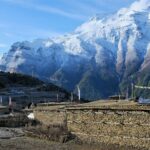
The trek winds through dense rhododendron forests, crosses swift-flowing rivers, and climbs over rugged mountain passes. Along the way, they’ll encounter traditional Sherpa villages, prayer flags fluttering in the breeze, and stunning views of snow-capped peaks.
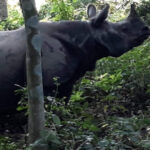
The trail traverses lush green meadows, rocky terrain, and barren, high-altitude landscapes. Trekkers can spot rare Himalayan wildlife, including the elusive musk deer and the mighty Himalayan griffon vulture.
The diversity of flora and fauna, combined with the awe-inspiring mountain vistas, creates an unforgettable trekking experience on the path to Everest Base Camp.
Sherpa Villages and Cultural Sites
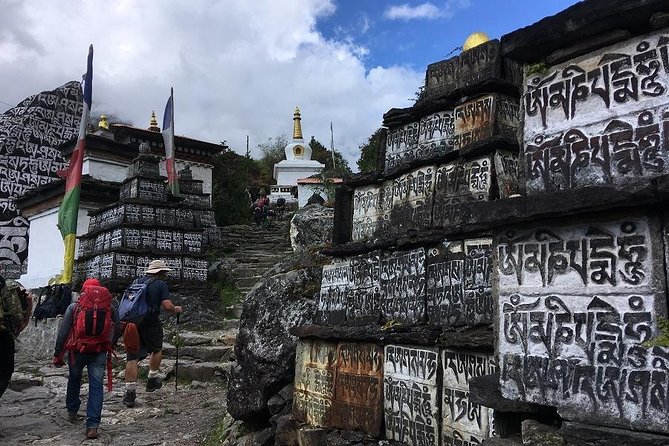
As trekkers make their way towards Everest Base Camp, they’re immersed in the rich cultural heritage of the Sherpa people.
They’ll visit Namche Bazaar, the Sherpa capital, which hosts the Mountain Museum showcasing the region’s culture and mountaineering history.
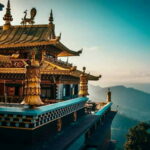
At Tengboche, they’ll explore the famous Tengboche Monastery, a Buddhist pilgrimage site with stunning views of Ama Dablam.
In Khumjung, they’ll experience the Sherpa way of life, visiting the Hillary School and Hillary Hospital.
Throughout the trek, trekkers can interact with the warm and hospitable Sherpa communities, gaining insights into their unique traditions and way of life in the Himalayan region.
Acclimatization and Rest Days
Crucial acclimatization days are built into the Everest Base Camp trek itinerary, allowing trekkers to adjust to the increasing altitudes gradually.
After reaching Namche Bazaar on Day 4, the group takes a rest day to acclimate. Another acclimatization day is scheduled in Dingboche on Day 7.
These strategic breaks are essential for preventing altitude sickness and ensuring a safer, more enjoyable trek. Trekkers can use the rest days to explore the local Sherpa culture, visit the Mountain Museum, and take in the breathtaking views of the surrounding peaks.
Proper acclimatization is key to successfully reaching Everest Base Camp without compromising health and safety.
Breathtaking Mountain Views
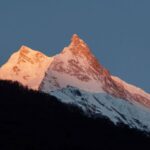
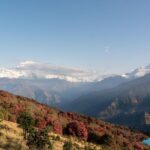
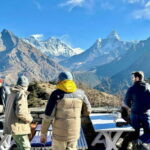
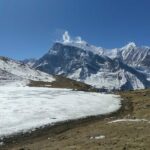
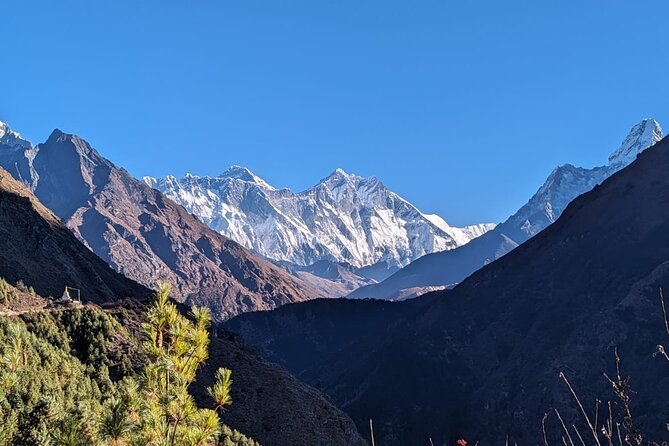
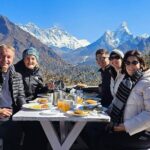
Along the Everest Base Camp trek, trekkers are treated to breathtaking vistas of some of the world’s highest peaks. The trail winds through the Khumbu region, offering stunning panoramic views of towering mountains like Everest, Lhotse, Nuptse, and Ama Dablam. As trekkers ascend higher, the landscapes become more dramatic, with jagged, snow-capped summits dominating the skyline. Capturing the grandeur of these majestic peaks through photography is a highlight for many participants. The table below showcases some of the iconic mountains encountered during the trek:
| Mountain | Elevation (m) |
|---|---|
| Mount Everest | 8,849 |
| Lhotse | 8,516 |
| Ama Dablam | 6,812 |
| Nuptse | 7,861 |

Teahouse Accommodations and Meals
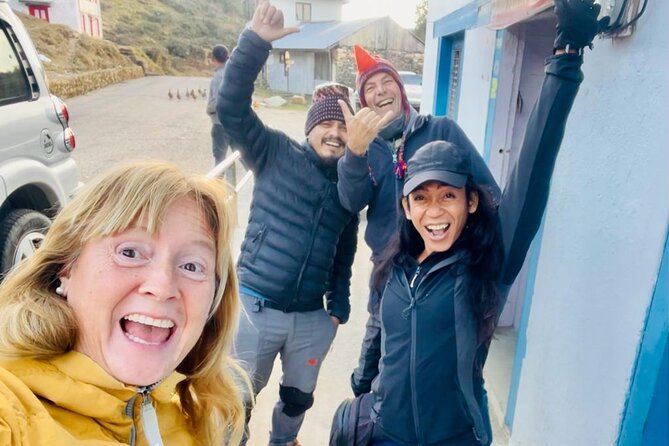
Trekkers along the Everest Base Camp route are provided with comfortable teahouse accommodations throughout the journey.
These traditional Nepali inns offer basic yet cozy rooms, typically with shared bathroom facilities. Meals are prepared on-site, featuring a variety of local and international cuisines. Breakfast, lunch, and dinner are included, ensuring trekkers are well-nourished during the physically demanding trek.
Vegetarian options are available upon request. Alcoholic beverages can be purchased separately.
The teahouse experience allows trekkers to enjoy the Sherpa culture and enjoy moments of rest and relaxation after each day’s hike.
With its essential amenities and authentic ambiance, the teahouse stay enhances the overall Everest Base Camp trekking adventure.
Guides and Trip Support
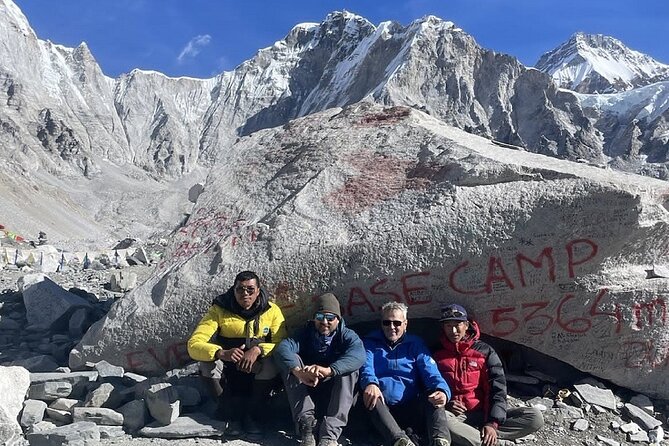
Nir Kumar Karki, the guide on the Everest Base Camp Trek, has received positive feedback from participants for his unwavering support and motivation throughout the journey.
The reviews highlight Karki’s commitment to ensuring a smooth trekking experience, even after some initial coordination issues with Bikat Adventures.
Participants have reported overall satisfaction with the guiding and trekking experience, praising Karki’s ability to:
- Provide detailed information about the trail and local culture.
- Tailor the pace to accommodate the group’s needs.
- Offer encouragement during challenging sections of the trek.
- Promptly address any concerns or questions that arose.
These factors have contributed to the success of the Everest Base Camp Trek, making it a memorable and enjoyable experience for all participants.
Additional Travel Considerations
When planning the Everest Base Camp trek, travelers should consider several additional factors to ensure a seamless and enjoyable experience. Altitude sickness is a common concern, so proper acclimatization and rest days are crucial. Proper gear, including warm clothing, sturdy hiking boots, and trekking poles, is essential. Travelers should also be mindful of local customs and traditions, and respect the Sherpa culture throughout the journey. Plus, travel insurance is recommended to cover potential medical emergencies or flight cancellations.
| Consideration | Importance | Tips |
|---|---|---|
| Altitude Sickness | High | Follow acclimatization schedule, stay hydrated, avoid alcohol |
| Proper Gear | High | Pack warm layers, sturdy boots, trekking poles |
| Cultural Awareness | Moderate | Respect local customs, interact with Sherpas |
| Travel Insurance | High | Cover medical emergencies, flight delays/cancellations |
Frequently Asked Questions
What Is the Best Time of Year to Do the Everest Base Camp Trek?
The best time for the Everest Base Camp trek is typically from March to May and September to November when weather conditions are most favorable, with clear skies, moderate temperatures, and fewer crowds on the trails.
How Physically Fit Do I Need to Be to Complete the Everest Base Camp Trek?
To complete the Everest Base Camp trek, one should be in good physical shape with endurance for extended walking at high altitudes. Proper preparation, including cardiovascular fitness and altitude acclimatization, is key for a successful and enjoyable trekking experience.
What Are the Visa Requirements for Traveling to Nepal for the Everest Base Camp Trek?
To visit Nepal for the Everest Base Camp trek, travelers need a valid tourist visa, which can be obtained in advance or upon arrival at Tribhuvan International Airport in Kathmandu. The visa application process is straightforward and efficient.
Can I Book the Everest Base Camp Trek as a Solo Traveler?
Yes, solo travelers can book the Everest Base Camp trek. Many trekking companies in Nepal welcome solo hikers and provide the necessary support to ensure a safe and seamless trekking experience.
What Should I Pack for the Everest Base Camp Trek?
When packing for the trek, it’s important to bring warm layers, sturdy hiking boots, a water bottle, snacks, sunscreen, and a camera to capture the stunning mountain vistas. Pack light to ensure a comfortable journey.
Everest Base Camp Trek
“From the day we landed lukla, Nir Kumar karki sir was with us through out the journey motivating and helping us understanding the nature of the ter…”
Sum Up
The Everest Base Camp Trek offers an unparalleled adventure, immersing trekkers in the grandeur of the Himalayas. Traversing diverse landscapes, encountering Sherpa culture, and witnessing breathtaking mountain vistas, this trek is a once-in-a-lifetime experience. Proper acclimatization, reliable guides, and comfortable teahouse accommodations ensure a safe and memorable journey to the base of the world’s highest peak.