The Everest Base Camp Trek is a renowned adventure that beckons trekkers to the very foot of the world’s highest mountain. Spanning two exhilarating weeks, this journey takes explorers through the breathtaking landscapes of the Himalayas, immersing them in the captivating Sherpa culture, and culminating in the awe-inspiring views of Mount Everest from Everest Base Camp and Kala Patthar. With a well-crafted itinerary, comprehensive acclimatization, and a wealth of cultural experiences, this trek offers an unforgettable opportunity to connect with the grandeur of the Himalayas in a way that few can truly appreciate. But there’s more to this extraordinary adventure than meets the eye.
Key Points
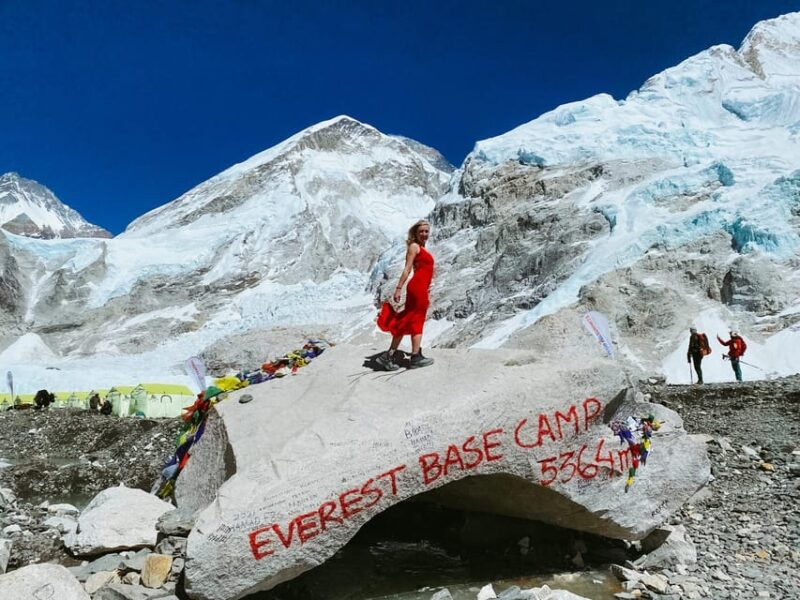
- The Everest Base Camp trek offers a 14-day journey through scenic Sherpa settlements to reach the base of the world’s tallest mountain, Mount Everest.
- Highlights include a scenic flight to Lukla, acclimatization in Namche Bazaar, and trekking to the iconic Everest Base Camp with panoramic views of the Everest massif.
- Trekkers can experience the rich Buddhist culture and traditions of the Khumbu region, engaging with the resilient Sherpa communities along the way.
- The trek requires proper preparation, including warm clothing, sturdy trekking boots, and precautions against altitude sickness, as the high-altitude terrain and unpredictable weather pose safety risks.
- Accommodation is provided in comfortable teahouses, with additional expenses for Nepalese visa fees, excess baggage, and travel/rescue insurance necessary for the Himalayan adventure.
👉 Check out our guide to the 2 Best Guided Tours In Jagat
Contents
- Key Points
- Trek Overview
- Itinerary Highlights
- Scenic Experiences
- Cultural Immersion
- Accommodation and Amenities
- Trekking Requirements
- Additional Expenses
- Safety Considerations
- Frequently Asked Questions
- What Is the Best Time of Year to Do the Everest Base Camp Trek?
- Can I Rent Equipment During the Trek or Do I Need to Bring Everything?
- Is There Reliable Mobile Network Coverage Throughout the Trek?
- Can I Extend My Trek to Visit Other Himalayan Destinations?
- What Is the Toilet Situation Like During the Trek?
- Recap
- Our Top Picks in Kathmandu
- More Tour Reviews in Kathmandu
- Not for you? Here's more things to do in Kathmandu we have recnetly reviewed
Trek Overview
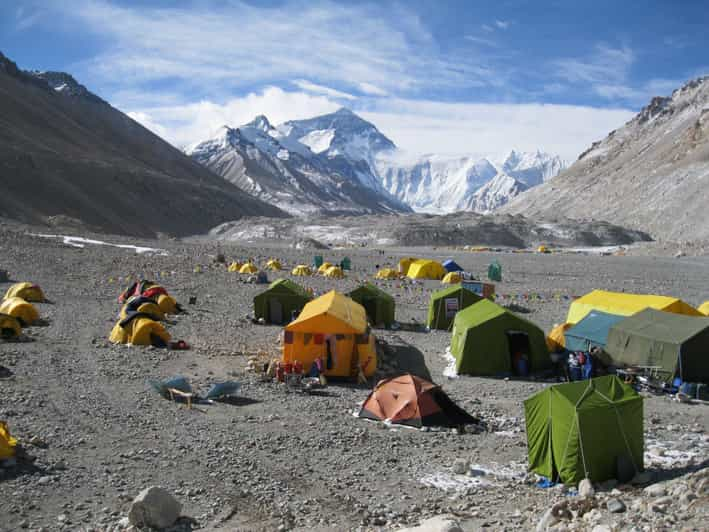
The Everest Base Camp trek is a captivating 14-day journey that takes adventurers to the foot of the world’s tallest peak.
Beginning in Kathmandu, the trek winds through scenic Sherpa settlements, offering glimpses of vibrant local culture. Highlights include a scenic flight to Lukla, trekking to the historic Tengboche Monastery, and panoramic views of the mighty Everest massif and surrounding peaks.
Acclimatization days in Namche Bazaar and Dingboche help participants adjust to the high altitude. The trek culminates at the renowned Everest Base Camp, where trekkers can savor the exhilaration of standing before the world’s highest mountain.
With expert Sherpa guides and comfortable teahouse accommodations, this trek presents an unforgettable Himalayan adventure.
You can also read our reviews of more tours and experiences in Kathmandu.
Itinerary Highlights
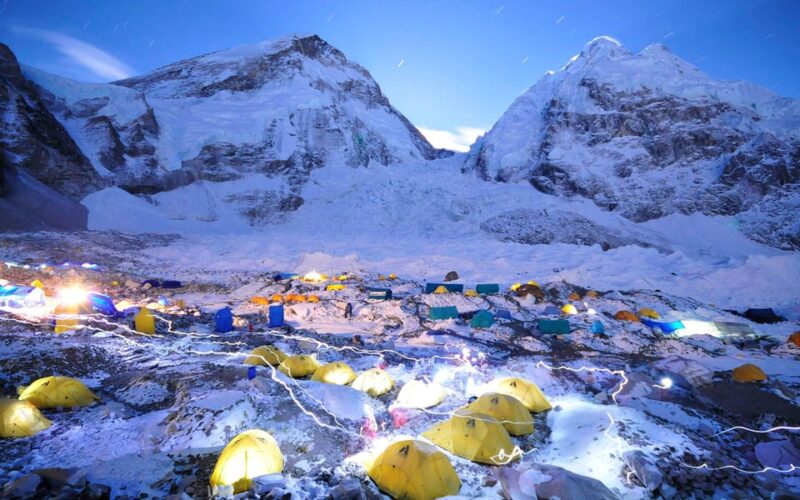
The 14-day Everest Base Camp trek features a meticulously crafted itinerary that takes trekkers on a captivating journey through the heart of the Himalayas.
After arriving in Kathmandu, the trek begins with a scenic flight to the iconic Lukla airstrip, followed by a trek to the charming village of Phakding.
The route then winds through the vibrant Sherpa settlement of Namche Bazaar, where trekkers acclimatize to the altitude.
The journey continues to the historic Tengboche Monastery and the picturesque Dingboche, before reaching the trekking hub of Lobuche.
The highlight is the trek to the Everest Base Camp and the ascent of Kala Patthar, offering unparalleled panoramic views of the world’s highest peaks.
Scenic Experiences
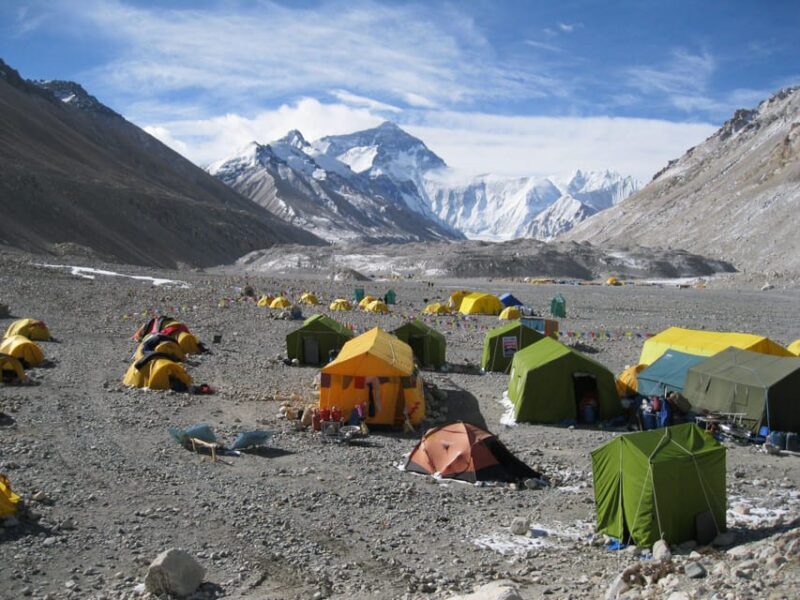
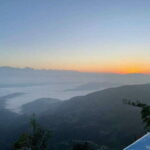
Trekkers on the Everest Base Camp journey are treated to a visual feast of scenic splendor. The highlight is the scenic flight from Kathmandu to Lukla, which offers breathtaking views of the Himalayas.
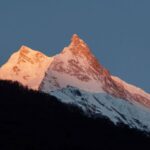
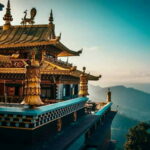
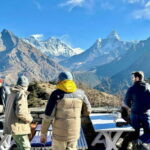
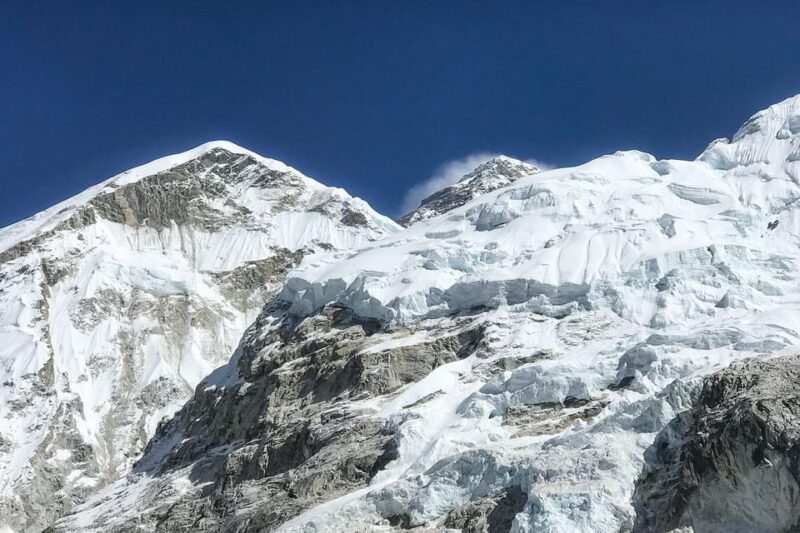
Along the trek, one encounters vibrant Sherpa settlements and the iconic Tengboche Monastery, the highest in the Khumbu region. Panoramic vistas of Mt. Everest, Lhotse, Makalu, and Cho-Oyu unfold, leaving trekkers in awe.
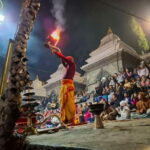
The trek also allows exploration of UNESCO World Heritage Sites in Kathmandu, providing a well-rounded cultural experience. Throughout the journey, the ever-changing landscapes, from lush forests to snow-capped peaks, captivate the senses and create lasting memories.
Cultural Immersion
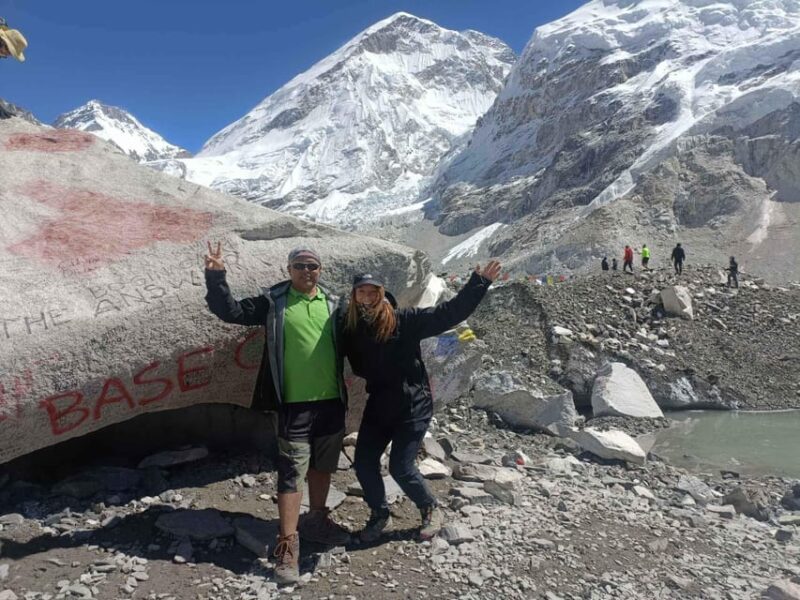
Beyond the scenic splendor, the Everest Base Camp trek offers an immersive cultural experience.
Trekkers will journey through the heart of the Khumbu region, home to the resilient Sherpa people. Along the way, they’ll encounter vibrant monasteries, like the iconic Tengboche, and witness the rich Buddhist traditions that permeate daily life.
Stopping in Sherpa settlements, trekkers can engage with locals, learning about their unique customs and livelihoods. This cultural exposure provides a profound appreciation for the resilience and adaptability of the Himalayan communities thriving in this remote, high-altitude environment.
The Everest Base Camp trek promises not just a physical challenge, but a profound cultural journey as well.
More Great Tours NearbyAccommodation and Amenities
Throughout the Everest Base Camp trek, accommodations are carefully selected to provide trekkers with comfortable and well-equipped lodging.
Accommodation during the trek comes in the form of teahouses, which are traditional Nepali inns found in the Everest region. These teahouses offer:
- Basic but clean rooms with beds and bedding.
- Shared bathroom facilities with running water, when available.
- Communal dining areas where trekkers can enjoy hearty, local cuisine.
The trek also includes a 3-star hotel stay in Kathmandu, allowing trekkers to rest and explore the city before and after their mountain adventure.


Trekking Requirements
Along With the comfortable accommodations, the Everest Base Camp trek requires specific preparations and equipment to ensure a safe and successful journey. Hikers must bring warm, layered clothing, sturdy trekking boots, and essential gear like sunglasses, hats, and sunscreen. Plus, a well-stocked daypack with water, snacks, and first-aid supplies is crucial. To navigate the challenging terrain, trekkers should have trekking poles and be physically fit. Proper precautions against altitude sickness, such as gradual ascent and rest days, are also necessary. The following table outlines the key trekking requirements:
| Clothing | Gear | Other |
|---|---|---|
| Warm layers | Trekking poles | Altitude sickness precautions |
| Sturdy boots | Daypack | Physical fitness |
| Protective accessories | First-aid kit | Gradual ascent |
Additional Expenses
Travelers must account for several additional expenses beyond the inclusions listed in the Everest Base Camp trek package.
These may include:
- Nepalese visa fees, which require USD cash and passport photos.
- Excess baggage charges for luggage exceeding the allotted weight limit.
- Travel and rescue insurance, a critical safeguard for trekkers in the Himalayan mountains.
Plus, hikers may need to cover the cost of any extra nights required in Kathmandu or Lukla, as well as personal expenses like phone calls, laundry, and tips.
It’s essential to budget for these additional costs to ensure a smooth and enjoyable Everest Base Camp adventure.
Safety Considerations
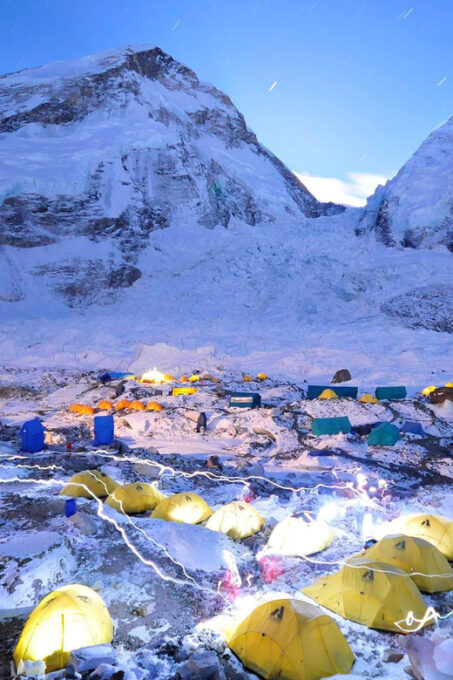
Safety is paramount when undertaking the Everest Base Camp trek. The high altitude, remote terrain, and unpredictable weather can pose significant risks. Trekkers must be physically and mentally prepared for the challenges.
It’s essential to acclimatize properly, stay hydrated, and be aware of the symptoms of altitude sickness. The trek isn’t recommended for pregnant women, individuals with mobility issues, heart problems, or a history of altitude sickness.
Trekkers should bring appropriate gear, including sturdy footwear, warm clothing, and sun protection. Carrying a personal first-aid kit and having travel insurance are also crucial.
Responsible conduct, such as avoiding alcohol and drugs and properly disposing of waste, is expected to preserve the fragile Himalayan environment.
Frequently Asked Questions
What Is the Best Time of Year to Do the Everest Base Camp Trek?
The best time to attempt the Everest Base Camp trek is typically during the spring (March to May) and autumn (September to November) seasons when the weather is mild and the skies are clear, offering optimal trekking conditions.
Can I Rent Equipment During the Trek or Do I Need to Bring Everything?
You can rent various trekking equipment like down jackets, sleeping bags, and backpacks during the Everest Base Camp trek. However, it’s recommended to bring your own personal gear and hiking boots for comfort and familiarity.
Is There Reliable Mobile Network Coverage Throughout the Trek?
There’s limited mobile network coverage during the Everest Base Camp trek, with better connectivity in lower-altitude areas. Travelers should expect sporadic and unreliable service, especially at higher elevations. Carrying a satellite phone is recommended for emergency communication.
Can I Extend My Trek to Visit Other Himalayan Destinations?
Yes, trekkers can extend their trip to visit other Himalayan destinations after completing the Everest Base Camp trek. Many choose to explore Annapurna, Langtang, or Manaslu regions to experience diverse landscapes and cultural experiences in the Himalayas.
What Is the Toilet Situation Like During the Trek?
The toilet facilities along the Everest Base Camp trek are basic but functional. Teahouses provide squat toilets, while campsites have designated areas. Trekkers must bring their own toilet paper and practice Leave No Trace principles.
Everest Base Camp Trek: Foot of the Worlds Tallest Mountain
Recap
The Everest Base Camp Trek offers an unparalleled opportunity to experience the grandeur of the world’s highest mountain. Trekkers will be awed by the breathtaking landscapes, immersed in rich cultural traditions, and rewarded with the ultimate view from Everest Base Camp and Kala Patthar. This 14-day journey is a true bucket-list adventure that’s sure to leave a lasting impression on all who undertake it.
You can check availability for your dates here: