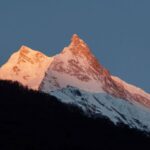
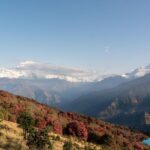
Embarking on the Everest Base Camp trek is a thrilling prospect for many adventurous souls. This 11-day itinerary promises to immerse trekkers in the captivating landscapes of the Himalayas, from the bustling streets of Kathmandu to the iconic base camp nestled at the foot of the world’s highest mountain. With proper preparation and a sense of wonder, beginners can tackle this challenging yet rewarding journey, discovering the rich cultural heritage and awe-inspiring vistas that make this trek a truly unforgettable experience. As the trek unfolds, trekkers will encounter a myriad of extraordinary moments that will leave a lasting impression.
Key Points
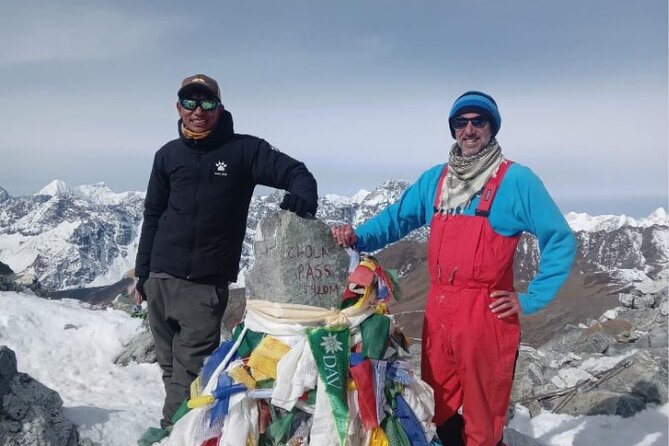
- Comprehensive planning and physical conditioning are essential for a successful Everest Base Camp trek.
- Acclimatization to high altitudes is crucial to prevent altitude sickness during the trek.
- The trek starts with a flight to Lukla, followed by a gradual ascent through the Dudh Koshi river valley.
- Namche Bazaar serves as an important acclimatization stop, offering opportunities to explore local culture and scenery.
- The trek culminates at the iconic Everest Base Camp, providing a profound sense of accomplishment.
👉 Check out our guide to the 2 Best Guided Tours In Jagat
Contents
- Key Points
- Preparing for the Trek
- Arrival and Acclimatization
- Trekking to Namche Bazaar
- Exploring Namche and Everest Views
- Ascending to Tengboche Monastery
- Continuing the Trek to Dingboche
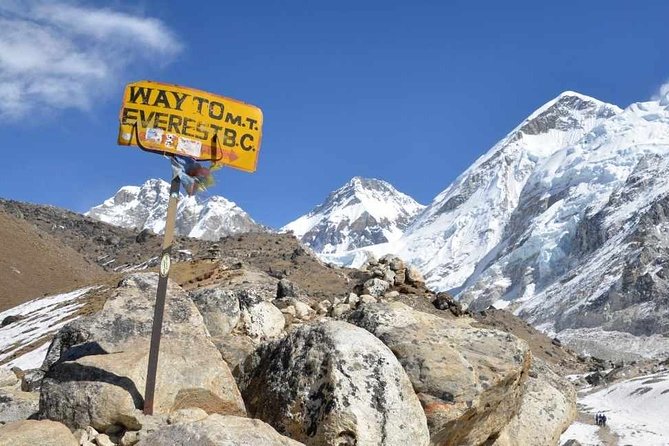
- Reaching the Everest Base Camp
- Returning to Kathmandu
- Frequently Asked Questions
- What Is the Minimum Age Requirement for This Trek?
- Can I Bring My Own Hiking Gear or Is It Provided?
- How Much Extra Baggage Can I Bring on the Flight to Lukla?
- Is Travel Insurance Mandatory for This Trek?
- Can I Extend the Trek Duration if I Wish To?
- Recap
- Our Top Picks in Kathmandu
- More Hiking & Trekking Tours in Kathmandu
- More Tour Reviews in Kathmandu
- Not for you? Here's more things to do in Kathmandu we have recnetly reviewed
Preparing for the Trek
Preparing for the Everest Base Camp Trek requires thorough planning and physical conditioning. Trekkers must ensure they’ve the necessary gear, including warm clothing, sturdy hiking boots, and trekking poles.
Proper acclimatization is crucial to prevent altitude sickness, so hikers should arrive in Kathmandu several days early to allow their bodies to adjust. Building cardiovascular endurance through regular exercise is vital, as the trek involves long days of strenuous uphill hiking.
Mental preparation is also important, as the journey can be physically and mentally demanding. With the right mindset and training, however, even beginner trekkers can conquer the Everest Base Camp trek and enjoy the breathtaking scenery along the way.
Ready to hit more trails? More hiking adventures we feature in Kathmandu
Arrival and Acclimatization
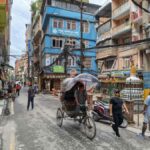
Travelers begin their Everest Base Camp trek adventure by arriving in Kathmandu, Nepal’s vibrant capital.
They’ll meet their guide at the designated meeting point and transfer to their hotel.
The following day, they’ll attend a pre-trek briefing to review the itinerary and prepare for the journey ahead.
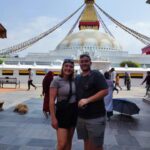
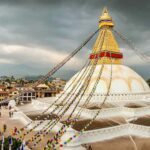
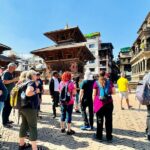
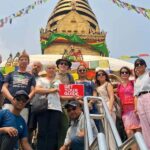
Acclimatization is crucial, so they’ll spend a day exploring Kathmandu, visiting iconic landmarks like Boudhanath Stupa and Swayambhunath Stupa.
This allows their bodies to adjust to the higher altitude gradually.
After the acclimatization day, they’ll board a flight to Lukla, the starting point of their trek, and begin their ascent towards the legendary Everest Base Camp.
Trekking to Namche Bazaar
From the Lukla airport, the trekkers embark on their journey towards Namche Bazaar.
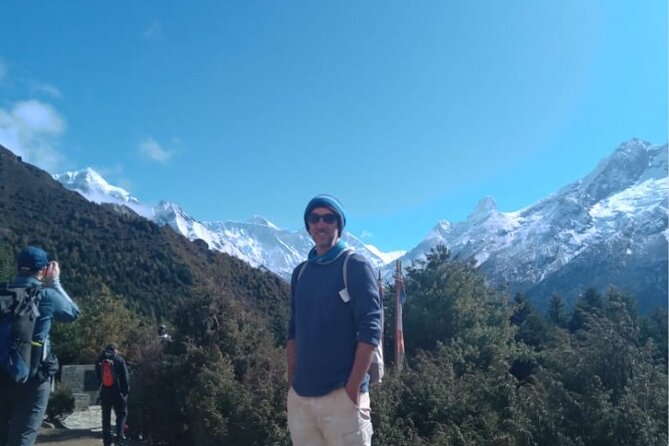
They’ll trek through the Dudh Koshi river valley, surrounded by magnificent peaks. The trail gradually ascends, with the first major checkpoint being Phakding. Here, they’ll stop to rest and enjoy the stunning views.
As they continue, the path becomes steeper, and the air thinner. Crossing several suspension bridges, they’ll reach the vibrant Sherpa town of Namche Bazaar, the gateway to the Everest region.
This acclimatization stop provides an opportunity to explore the local markets, visit the monastery, and prepare for the challenging terrain ahead.
Exploring Namche and Everest Views
After reaching the vibrant Sherpa town of Namche Bazaar, trekkers use this acclimatization stop to explore the local markets and visit the historic monastery.
The town’s bustling streets offer a chance to stock up on gear and sample Nepali cuisine.
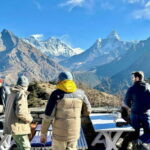
Trekkers also hike to the Sherpa Cultural Museum and the stunning viewpoint of Sagarmatha National Park Headquarters, which provides breathtaking vistas of Mt. Everest and the surrounding peaks.
This day allows trekkers to adjust to the high altitude and prepare for the more challenging ascent ahead.
Proper acclimatization is crucial for a successful and safe Everest Base Camp trek.
Ascending to Tengboche Monastery
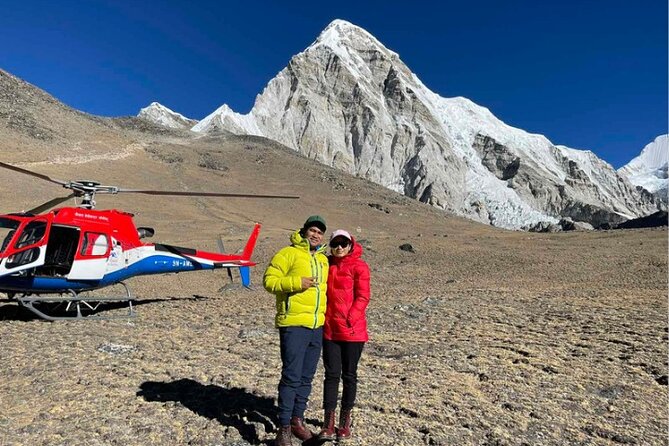
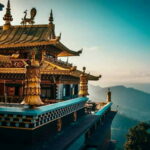
The trail climbs steadily through rhododendron forests and yak pastures as trekkers ascend towards the iconic Tengboche Monastery. This Buddhist monastery, perched at an elevation of 3,867 meters (12,687 feet), offers breathtaking views of Ama Dablam, Nuptse, and the mighty Everest. Trekkers can explore the monastery, witness religious ceremonies, and even receive a blessing from the resident lama. The ascent is challenging, but the reward of reaching the monastery is immense. Trekkers can take a break and refuel at the nearby teahouses before continuing their journey.
| Elevation Gain | Duration |
|---|---|
| 590 m (1,936 ft) | 3-4 hours |
| Difficulty Level | Terrain |
|---|---|
| Moderate | Steep, rocky trail |

Continuing the Trek to Dingboche
Leaving the serenity of Tengboche Monastery behind, trekkers embark on the next leg of their Everest Base Camp journey, headed towards the settlement of Dingboche.
The trail winds through rhododendron forests and yak pastures, offering panoramic views of the Himalayas. Trekkers will cross the Imja Khola river, and as they gain altitude, the landscape transitions to a rugged, alpine environment.
Dingboche, situated at an elevation of 4,410 meters, is a popular acclimatization stop, where trekkers can adjust to the thinner air before continuing their ascent.
The village provides cozy teahouses, stunning mountain vistas, and opportunities to explore the local Sherpa culture, making it a welcome respite on the trek.
Reaching the Everest Base Camp
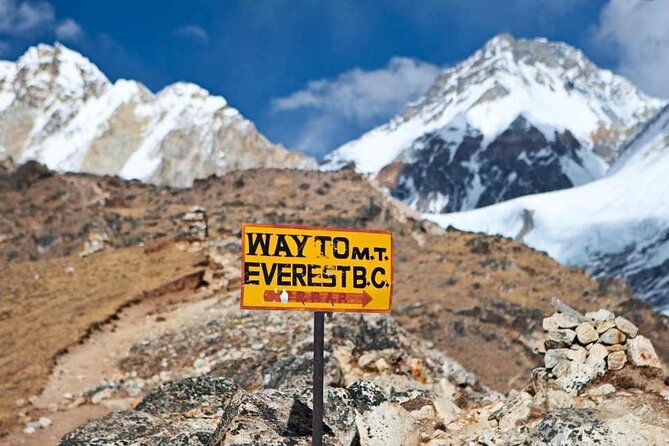
Trekkers’ hard-earned journey towards the iconic Everest Base Camp now comes into view as they ascend the final leg of the trail.
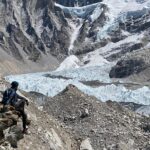
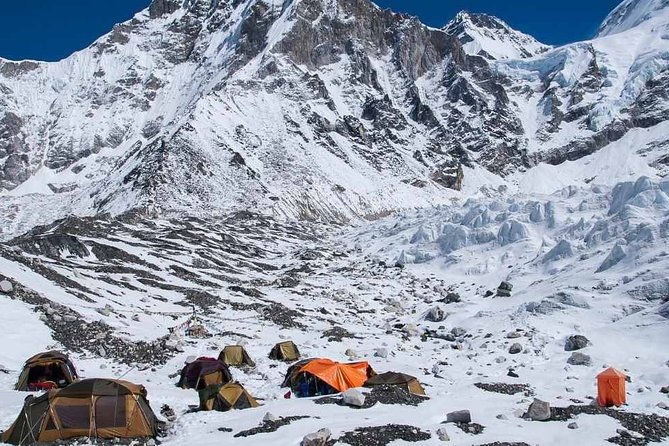
The landscape transforms, with snow-capped peaks and glaciers dominating the horizon. Reaching the Base Camp is a momentous achievement, marked by the following:
- Panoramic vistas of the mighty Everest and surrounding Himalayan giants.
- Exploration of the bustling Base Camp, home to mountaineering expeditions and support staff.
- Visits to the Khumbu Icefall, a challenging route for those attempting to summit Everest.
- Opportunities to interact with fellow trekkers and learn about their experiences.
The sense of accomplishment and awe is palpable as trekkers stand in the shadow of the world’s highest mountain, having conquered the arduous trek to Everest Base Camp.
Returning to Kathmandu
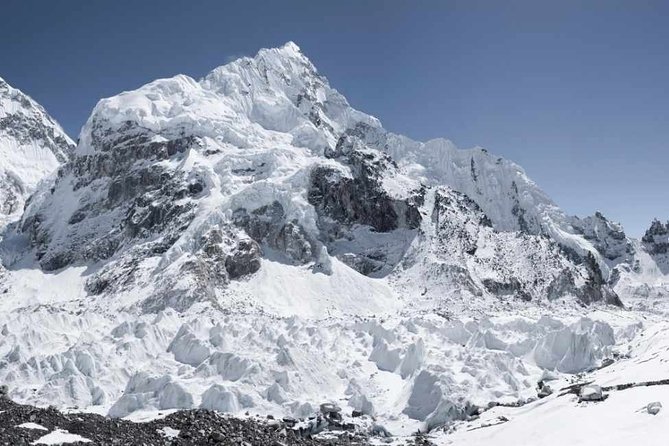
How does one’s journey toward Kathmandu begin after the euphoric experience at Everest Base Camp? Trekkers embark on the return trek, retracing their steps down the mountain path. This allows them to revisit stunning vistas and catch glimpses of the mighty Everest one last time. The descent is generally faster, taking about 3-4 days to reach Lukla. From there, trekkers take a short flight back to Kathmandu, where they are transported to their original meeting point.
| Destination | Duration |
|---|---|
| Everest Base Camp to Pheriche | 1 day |
| Pheriche to Namche Bazaar | 1-2 days |
| Namche Bazaar to Lukla | 1-2 days |
| Lukla to Kathmandu | 35 minutes |
Frequently Asked Questions
What Is the Minimum Age Requirement for This Trek?
There is no minimum age requirement stated for this trek. However, it is recommended that participants have a strong physical fitness level and are not travelers with back problems, pregnant, or have serious medical conditions.
Can I Bring My Own Hiking Gear or Is It Provided?
Participants can bring their own hiking gear for the trek. However, the tour company also provides necessary trekking equipment, including backpacks, sleeping bags, and hiking poles, if needed by the travelers.
How Much Extra Baggage Can I Bring on the Flight to Lukla?
The flight to Lukla has strict weight limits on checked and carry-on baggage. Travelers can typically bring up to 15 kg (33 lbs) of checked luggage and 5 kg (11 lbs) of carry-on. Any excess weight may incur additional charges.
Is Travel Insurance Mandatory for This Trek?
Travel insurance is not mandatory for this trek, but it’s strongly recommended. The trek involves high-altitude hiking, and travel insurance can provide coverage for medical emergencies, trip cancellations, and other unforeseen events that may occur during the journey.
Can I Extend the Trek Duration if I Wish To?
Yes, the tour operator typically allows customers to extend the trek duration if they wish to. This can be arranged by contacting the operator and paying any additional costs for extra days or services.
Everest Base Camp Trek for Beginners: 11-Day Itinerary
“This was the first time trip with my spouse. this is a real adventure to everest base camp. I go there without any experience and knowledge (but th…”
Recap
The Everest Base Camp trek is an unforgettable adventure for beginners. With proper preparation and a well-planned itinerary, trekkers can enjoy the breathtaking Himalayan scenery, explore Sherpa culture, and achieve the remarkable feat of reaching the iconic base camp. This 11-day journey offers a challenging yet rewarding experience that will leave a lasting impression on those seeking the thrill of the world’s highest mountain.