Trekking to Everest Base Camp from Kathmandu is a bucket-list adventure for many outdoor enthusiasts. This 12-day journey through Nepal’s stunning Khumbu region offers breathtaking vistas and immersive cultural experiences. Travelers start with a flight to Lukla before embarking on a well-supported trek that includes stops at iconic landmarks like Namche Bazaar and Tengboche Monastery. While the challenge is undeniable, the sense of accomplishment upon reaching the base camp at 5,364 meters is truly unparalleled. With comprehensive packages to handle the logistics, adventurers can focus on savoring every step of this once-in-a-lifetime expedition.
Key Points
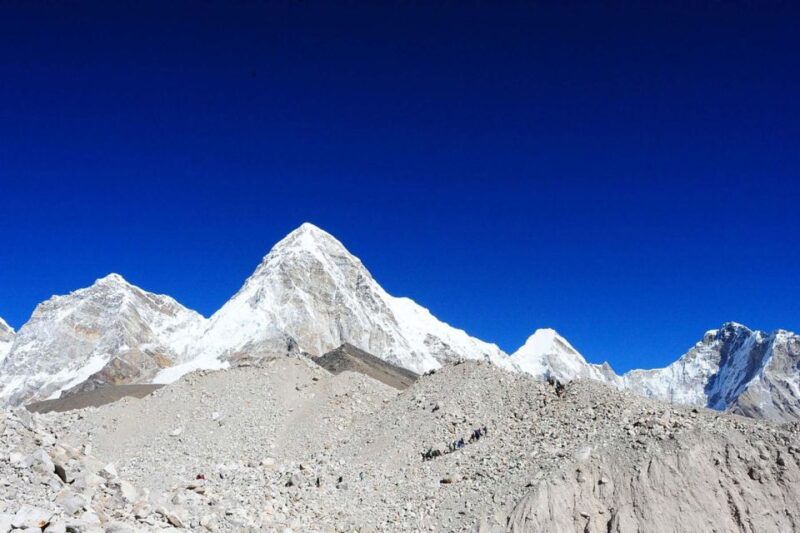
- The Everest Base Camp Trek is a renowned 12-day trekking adventure in the Khumbu region of Nepal, starting from Lukla.
- The trek includes key stops at Namche Bazaar, Tengboche Monastery, Dingboche, and Lobuche, with the final destination being Everest Base Camp at 5,364 meters.
- The comprehensive package includes flights between Kathmandu and Lukla, ground transportation, teahouse/lodge accommodations, guides, porters, permits, and equipment.
- The trek is not suitable for children under 10 or individuals over 95 years, and requires a certain level of physical fitness due to the challenging terrain and high altitudes.
- The trek focuses on scenery and cultural experiences, with the inclusion of experienced guides and porters to enhance the overall trekking experience.

👉 Check out our guide to the 9 Best 3 Day Tours In Nepal
Contents
- Key Points
- Trek Overview
- Itinerary Highlights
- Included Services
- Exclusions
- Participant Restrictions
- Flights and Ground Transport
- Accommodation and Meals
- Guide and Porter
- Frequently Asked Questions
- What Is the Best Time of Year to Do the Everest Base Camp Trek?
- How Difficult Is the Everest Base Camp Trek for an Average Trekker?
- Can I Bring My Own Hiking Gear or Is It Provided?
- Is There a Maximum Group Size for the Everest Base Camp Trek?
- How Much Spending Money Should I Budget for the Everest Base Camp Trek?
- Recap
- Our Top Picks in Nepal
- More Hiking & Trekking Tours in Nepal
- More Tour Reviews in Nepal
- Not for you? Here's more things to do in Nepal we have recnetly reviewed
Trek Overview
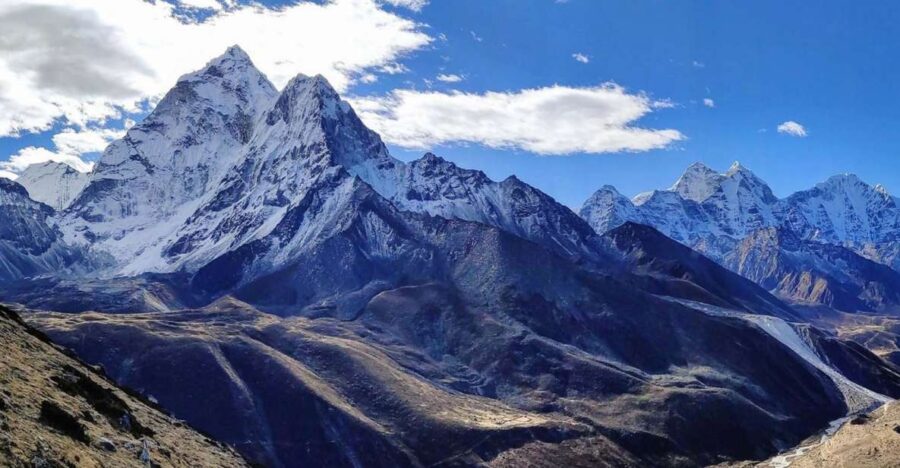
The Everest Base Camp trek is a renowned trekking adventure in the Khumbu region of Nepal, offering breathtaking views of the world’s highest mountain. This 12-day trek takes participants from Lukla to the iconic Everest Base Camp at an elevation of 5,364 meters.
Along the way, trekkers will visit the Sherpa trading hub of Namche Bazaar, the famous Tengboche Monastery, and the stunning landscapes of Dingboche and Lobuche.
The trek is priced from $1,425.70 per person, with free cancellation up to 24 hours in advance and a reserve now, pay later option available.
Experienced guides, porters, and all necessary permits and equipment are included, making this a comprehensive and well-organized adventure.
Ready to hit more trails? More hiking adventures we feature in Nepal


Itinerary Highlights
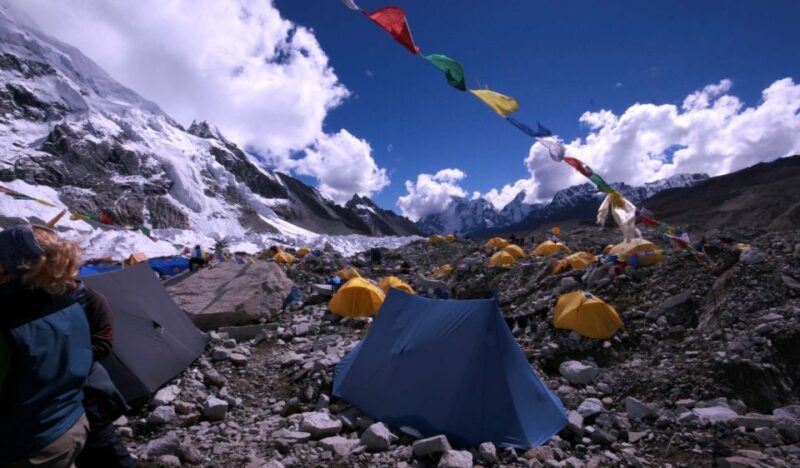
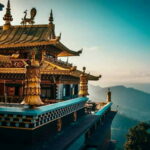
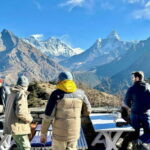
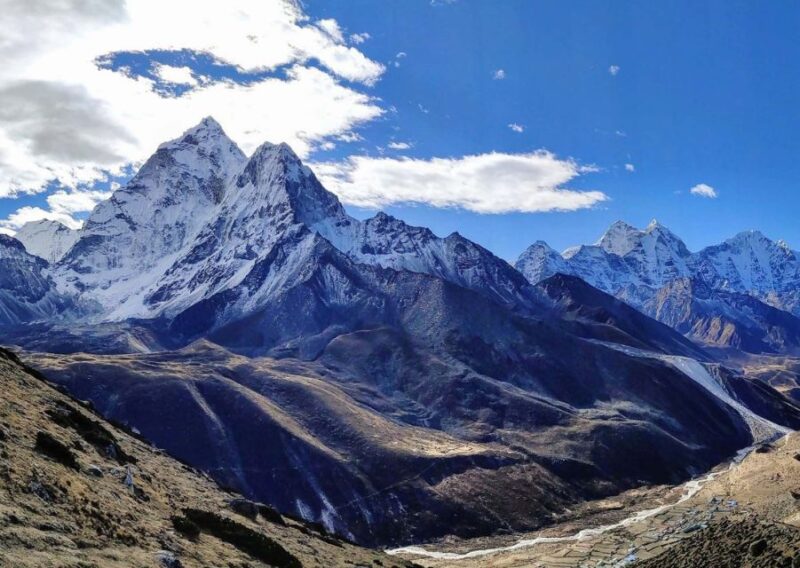
Commencing in Lukla at an elevation of 2,800 meters, trekkers embark on a journey that leads them to Phakding, situated at 2,652 meters, on the first day. The second day sees them ascending to Namche Bazaar, a thriving Sherpa trading hub at 3,440 meters. Acclimatization and exploration of the town and Sherpa Museum follow on day three. Trekkers then proceed to Tengboche at 3,860 meters, known for its impressive monastery, before reaching Dingboche at 4,410 meters, offering stunning views of Ama Dablam and Lhotse.
| Day | Destination | Elevation |
|---|---|---|
| 1 | Lukla | 2,800m |
| 2 | Namche Bazaar | 3,440m |
| 3 | Tengboche | 3,860m |
| 4 | Dingboche | 4,410m |
Included Services
The Everest Base Camp trek package includes a comprehensive set of services to ensure a smooth and enjoyable experience for participants.
Flights between Kathmandu and Lukla are provided, along with ground transportation as per the itinerary using private vehicles.
Trekkers will stay in teahouse/lodge accommodations on a bed and breakfast basis, accompanied by an experienced trekking guide and porter (with a 2:1 ratio).
The package covers the TIMS fee, Sagarmatha national park permit, and rural municipality entrance fee.
Trekkers will also receive a down jacket and sleeping bag, which they can use during the trek and return after.
At the end of the trek, you will receive an appreciation certificate and a farewell dinner, as well as a one-hour trekking massage.
Exclusions
While the Everest Base Camp trek package includes a comprehensive set of services, several items are excluded from the overall cost.
These include the Nepalese visa fee, any excess baggage charges over the 15 kg limit, and additional accommodation in Kathmandu due to itinerary changes.
On top of that, you will be responsible for covering their own lunch and evening meals both in Kathmandu and during the trek itself.
Participants will also need to arrange for their own international flights, travel and rescue insurance, and any personal expenses such as phone calls, laundry, or hiring extra porters.
Plus, the cost of private transportation from Kathmandu to Pokhara and tips for the guide and porter aren’t included in the package price.
More Great Tours NearbyParticipant Restrictions
The Everest Base Camp trek is not suitable for children under 10 years old or people over 95 years of age. Participants for this trek need to be physically fit and able to walk for long hours in high altitudes. The trek’s terrain and conditions can be challenging, so it’s essential to consider one’s health and fitness level before booking. Fortunately, travelers can check the trek’s availability and select their preferred dates. This allows them to ensure the trip aligns with their schedule and abilities.
| Age Restrictions | |
|---|---|
| Under 10 | Not Suitable |
| 10 – 95 | Suitable |
| Over 95 | Not Suitable |


Flights and Ground Transport
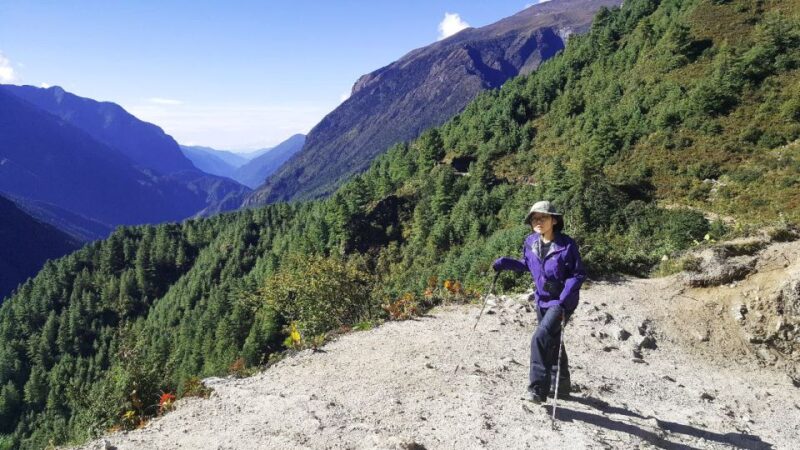
Travelers reach the starting point of the Everest Base Camp trek by taking flights from Kathmandu to Lukla, which are included in the package. This convenient mode of transportation provides direct access to the trailhead at 2,800 meters.
Once at Lukla, the trek begins with a gradual descent to Phakding, located at 2,652 meters.
Plus, ground transportation by private vehicle is provided as per the itinerary, ensuring a seamless journey throughout the trek.
This all-inclusive approach simplifies logistics and allows trekkers to focus on the breathtaking scenery and cultural experiences that await them along the Everest Base Camp route.
Accommodation and Meals
Trekkers enjoy teahouse/lodge accommodation during the Everest Base Camp trek, with twin-sharing rooms on a bed-and-breakfast basis. These simple but comfortable teahouses provide a warm and welcoming respite after long days of trekking.
Meals, too, are included in the price, with the trek organizer ensuring that trekkers are well-fed throughout the journey. Breakfast, lunch, and dinner are served at the teahouses, showcasing the delicious local Nepali cuisine.
The guide and porter’s meals and accommodations are also covered, ensuring the entire trek team is well-taken care of.
With all the logistics handled, trekkers can focus on the breathtaking scenery and the challenge of reaching Everest Base Camp.
Guide and Porter
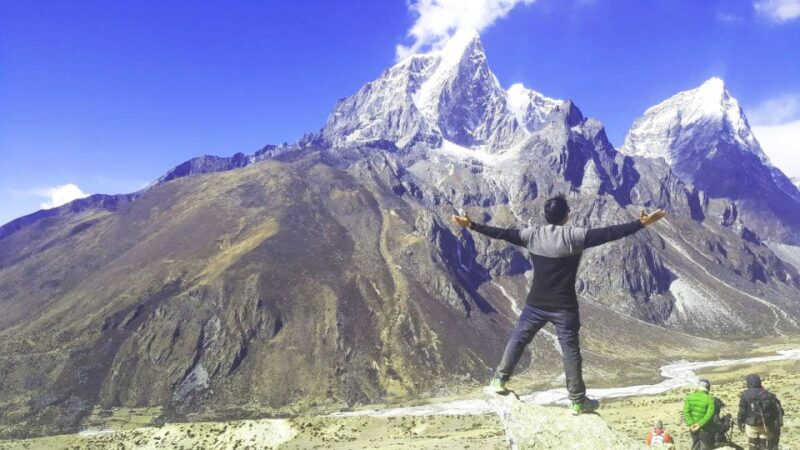
An experienced trekking guide and porters are crucial for the Everest Base Camp trek, ensuring a safe and successful journey.
Guides provide expert navigation, cultural insight, and emergency support, while porters carry the bulk of the trekking equipment, allowing participants to focus on the trek itself.
The trek includes one guide for every two trekkers, as well as one porter per two trekkers to handle the luggage.
These experienced professionals are responsible for the well-being and comfort of the group, managing the logistics, and navigating the challenging terrain.
Their knowledge and skills are invaluable in making the Everest Base Camp trek a truly unforgettable experience.
Frequently Asked Questions
What Is the Best Time of Year to Do the Everest Base Camp Trek?
The best times to do the Everest Base Camp trek are spring (March-May) and autumn (September-November) when the weather is mild, the skies are clear, and trekking conditions are ideal. Crowds are smaller during these peak seasons.
How Difficult Is the Everest Base Camp Trek for an Average Trekker?
The Everest Base Camp trek is a moderately challenging hike suitable for average trekkers in good physical condition. The high altitude and strenuous terrain require proper preparation, but the trek is achievable with proper training and acclimatization.
Can I Bring My Own Hiking Gear or Is It Provided?
Trekkers can bring their own hiking gear, but the tour operator also provides a down jacket and sleeping bag that are returned at the end of the trek. Participants should pack appropriately for the high-altitude environment.
Is There a Maximum Group Size for the Everest Base Camp Trek?
The maximum group size for the Everest Base Camp trek is usually 12 to 15 people. This allows for a more personalized trekking experience and ensures the group remains manageable on the trails.
How Much Spending Money Should I Budget for the Everest Base Camp Trek?
For the Everest Base Camp trek, travelers should budget around $300-$500 per person for personal spending. This covers meals, snacks, tips, and any additional activities or gear not included in the trek package.
Everest Base Camp Trek From Kathmandu
Recap
The Everest Base Camp Trek from Kathmandu is an exhilarating 12-day adventure, offering breathtaking views and cultural experiences.
The comprehensive package includes guided support, necessary permits, and accommodations, making it an unforgettable experience for adventure enthusiasts.
Trekkers will journey through the stunning Khumbu region, with key stops at iconic landmarks like Namche Bazaar and Tengboche Monastery, before reaching the legendary Everest Base Camp at 5,364 meters.
You can check availability for your dates here: