
Nestled in the historic town of Takehara Tadanoumi, Shounji Temple offers a unique opportunity to experience the tranquility of Zen meditation. Guided by a knowledgeable monk, visitors can engage in a two-hour session of Zazen and Shakyou, seeing the temple’s rich history and serene surroundings. With limited group sizes, this personalized experience fosters a deep connection to the practice, promising a spiritual journey unlike any other. But the real question is, are you ready to embark on this transformative adventure?
Key Points
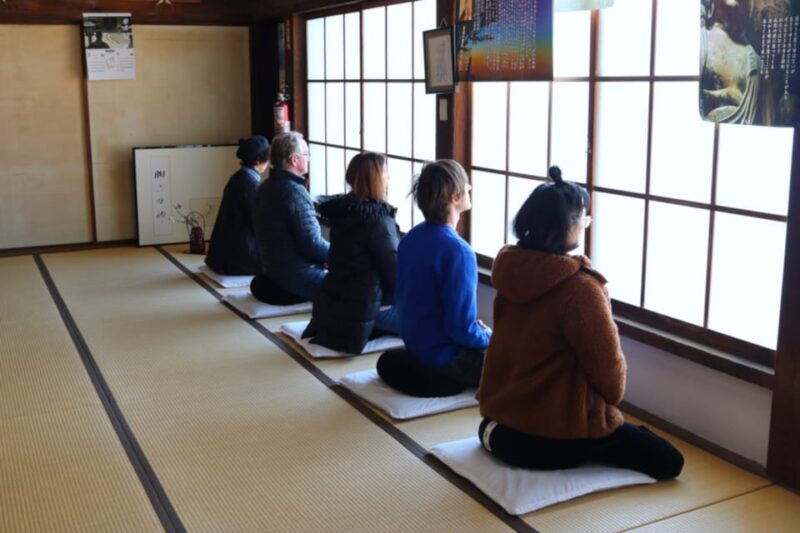
- Shounji Temple in Tadanoumi offers a 2-hour Zen meditation session, including Zazen and Shakyou, guided by a knowledgeable monk.
- The meditation experience features proper posture and breathing techniques, rhythmic sutra copying, and a refreshing cup of Japanese green tea.
- The guiding monk shares insights on the temple’s history, connecting participants to the spiritual lineage and significance of the practices.
- Shounji Temple dates back to the 16th century and holds cultural and spiritual importance in the Tadanoumi region.
- Nearby attractions like Rabbit Island and Kurotaki-san hiking trails complement the Zen experience at Shounji Temple.
Contents
- Key Points
- Overview of Zen Meditation at Shounji Temple
- Zazen and Shakyou: The Meditation Experience
- Insights From the Guiding Monk
- Historical Significance of Shounji Temple and Tadanoumi
- Exploring Nearby Attractions: Rabbit Island and Kurotaki-san
- Discovering Takehara’s Townscape Conservation Area
- Accommodation Options for Your Stay
- Preparing for Your Zen Meditation Journey
- Frequently Asked Questions
- Can I Bring My Own Meditation Cushion?
- Is There a Dress Code for the Meditation Session?
- Are There Any Age Restrictions for Participants?
- Can I Take Photos During the Meditation Session?
- Is There an Option to Participate in a Private Session?
- The Sum Up
Overview of Zen Meditation at Shounji Temple
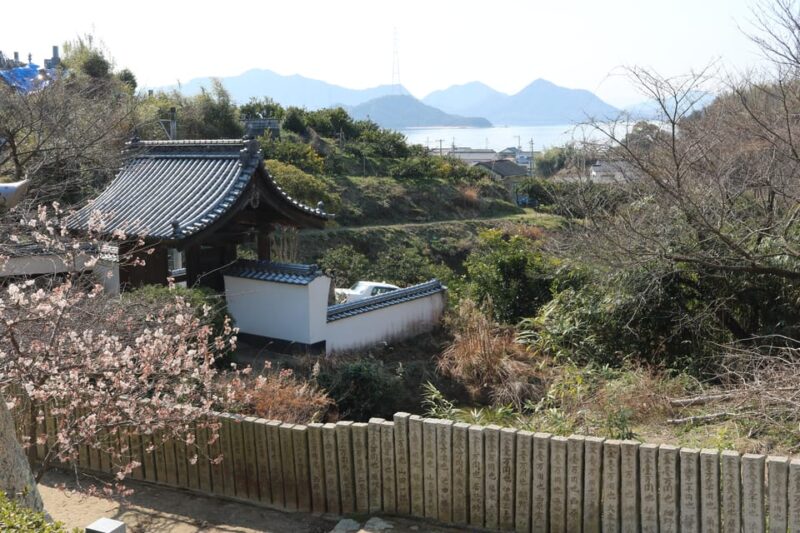
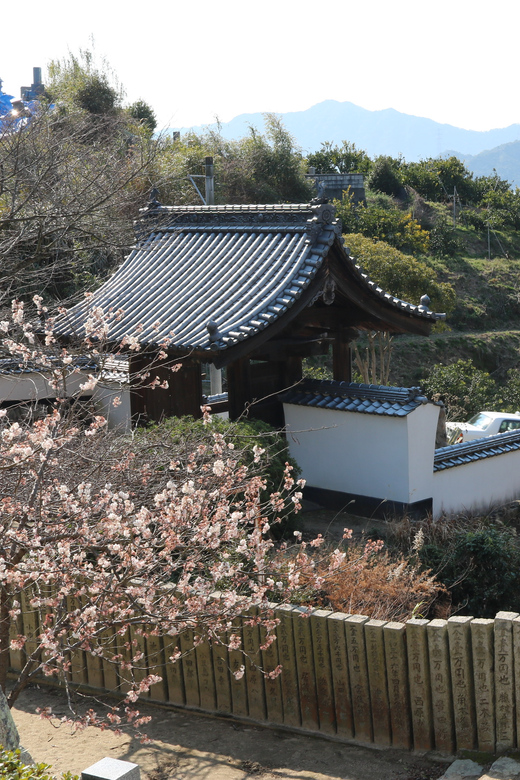
Nestled in the charming town of Tadanoumi, Shounji Temple offers visitors a unique opportunity to enjoy the centuries-old practice of Zen meditation.
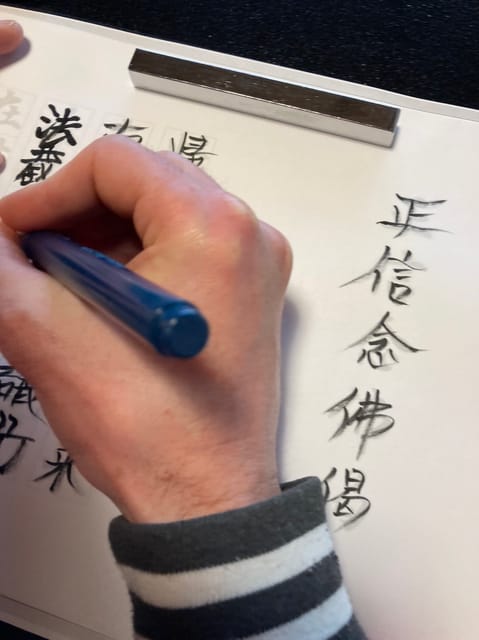
The 2-hour session includes both Zazen (sitting meditation) and Shakyou (sutra copying), guided by a knowledgeable monk who provides insights into the temple’s historical significance.
The intimate group size, limited to 6 participants, ensures a personalized experience. Attendees will also enjoy a soothing cup of Japanese green tea.
With a flexible cancellation policy and affordable pricing, this Zen meditation experience is an ideal way to connect with Japanese culture and traditions.
Zazen and Shakyou: The Meditation Experience
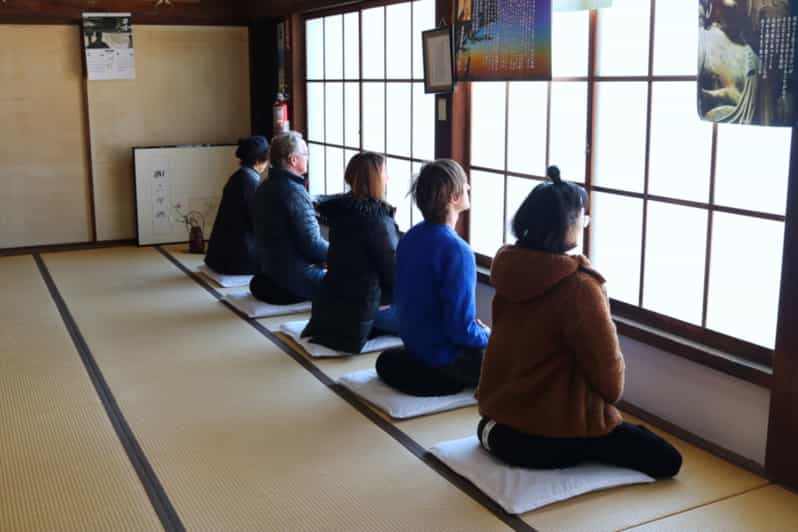
The Zen meditation experience at Shounji Temple begins with Zazen, the practice of sitting meditation. Guided by an experienced monk, participants learn proper posture and breathing techniques.
The session includes:
- Shakyou, or sutra copying, which allows practitioners to focus the mind through the rhythmic movement of pen on paper.
- A cup of Japanese green tea, offering a moment of mindful refreshment.
- Insights from the monk on the historical significance of the temple and its artifacts, deepening the cultural and spiritual understanding.
The meditation experience at Shounji Temple integrates ancient practices with the serene setting, offering a truly immersive journey.
Insights From the Guiding Monk
How does the guiding monk at Shounji Temple deepen the cultural and spiritual understanding of the meditation experience? The monk provides valuable insights, sharing the temple’s history and the significance of the meditative practices. Through their guidance, participants gain a deeper appreciation for Zazen and Shakyou and their connection to the temple’s legacy.
| Guide’s Insights | Significance |
|---|---|
| Temple’s founding | Establishes cultural context |
| Zazen tradition | Connects to spiritual lineage |
| Sutra copying | Reveres Buddhist scriptures |
| Tea ceremony | Complements meditative state |
| Temple artifacts | Imbues practices with meaning |
The monk’s expertise enhances the immersive meditation experience, transforming it into a profound exploration of Shounji Temple’s enduring spiritual and cultural traditions.
Historical Significance of Shounji Temple and Tadanoumi
As a historic site dating back to the 16th century, Shounji Temple holds significant cultural and spiritual significance within the Tadanoumi region. The temple was built in 1581 by Munekatsu Ura, a prominent figure of the Ura clan.
The Tadanoumi area itself has a long history, with ties to the Heian and Kamakura periods and the Kobayakawa clan. It was known for its salt production and sake brewing, with a 350-year history as a merchant town.
The temple’s architecture, artifacts, and connection to the region’s past make it a valuable cultural resource, offering visitors a glimpse into Japan’s rich history.
More Great Tours NearbyExploring Nearby Attractions: Rabbit Island and Kurotaki-san
What else can visitors explore around Shounji Temple? Just a short drive away is Rabbit Island (Okunoshima), known for its large population of free-roaming bunnies.
The island also has a dark history as the site of a former poisonous gas factory during WWII.
For those seeking scenic hikes, Kurotaki-san offers stunning views of the Seto Inland Sea and Shikoku island.
The moderate 1.5-hour trail winds through lush forests and provides excellent photo opportunities.
These nearby attractions complement the serene Zen experience at Shounji Temple, giving visitors a more well-rounded cultural journey in the Takehara region.
Discovering Takehara’s Townscape Conservation Area
Nestled just a short distance from Shounji Temple, the Takehara Townscape Conservation Area offers visitors a captivating glimpse into the city’s rich history.
This well-preserved district features:
- Historic buildings, some dating back to the Edo period, that showcase traditional Japanese architecture.
- Charming cafes and shops, where visitors can savor local delicacies and browse artisanal goods.
- Two internationally recognized sake brewers, allowing visitors to explore the region’s vibrant sake culture.
The Takehara Townscape Conservation Area provides a complementary experience to the serene meditation at Shounji Temple, inviting visitors to enjoy the town’s heritage and contemporary offerings.
Accommodation Options for Your Stay
Travelers visiting Shounji Temple and the Takehara Townscape Conservation Area have several accommodation options to choose from.
The traditional Japanese inn Akari offers a cozy, authentic experience. For a more modern stay, the Green Sky Hotel Takehara provides a convenient business-style hotel in the city center.
Those seeking luxury can book a room at the Nipponia Hotel, which features French cuisine.
Lastly, the Hotel Kamogawa Sou combines traditional Japanese hospitality with hot springs and local cuisine.
With these diverse choices, visitors can find the perfect home base to explore Takehara’s historical and cultural attractions.
Preparing for Your Zen Meditation Journey
How can visitors best prepare for their immersive Zen meditation experience at Shounji Temple? Consider these tips:
-
Dress comfortably. Wear loose, breathable clothing that allows for easy sitting and movement during the meditation sessions.
-
Arrive with an open mind. Zen meditation emphasizes being fully present in the moment, so leave preconceptions and distractions behind.
-
Familiarize yourself with basic meditation techniques. Review Zazen (sitting meditation) and Shakyou (sutra copying) to make the most of the guided instruction.
The Shounji Temple experience offers a unique opportunity to take in the tranquility of Zen practice.
With a little preparation, visitors can fully engage and derive maximum benefit from this spiritual journey.
Frequently Asked Questions
Can I Bring My Own Meditation Cushion?
Yes, participants can bring their own meditation cushions. The experience description indicates that meditation takes place at the temple, so personal cushions would be allowed to ensure comfort during the 2-hour session.
Is There a Dress Code for the Meditation Session?
There’s no formal dress code, but participants should wear comfortable, modest clothing suitable for seated meditation. Loose, breathable fabrics are recommended to allow for easy movement during the session.
Are There Any Age Restrictions for Participants?
The experience is open to participants of all ages. There are no stated age restrictions for the Zen meditation session at Shounji Temple. Guests can join the group activity regardless of their age.
Can I Take Photos During the Meditation Session?
Participants can take photos before and after the meditation session, but aren’t allowed to do so during the actual practice out of respect for the sacred space and to avoid disrupting the experience.
Is There an Option to Participate in a Private Session?
Yes, there’s an option for private meditation sessions at Shounji Temple. Private sessions can be arranged for an additional fee and provide a more personalized experience with the monk.
Experience Meditation at Shounji Temple, Takehara Tadanoumi
“Me ha encantado”
The Sum Up
Enjoy the timeless traditions of Shounji Temple, where the practice of Zazen and Shakyou will transport you to a realm of profound tranquility. Guided by a knowledgeable monk, this personalized experience offers a unique opportunity to connect with the temple’s rich history and cultivate deeper mindfulness. Complement your spiritual journey with a soothing cup of Japanese green tea amidst the serene surroundings, leaving you refreshed and rejuvenated.
You can check availability for your dates here: