Travelers looking to understand the soul of Nepal’s Kathmandu Valley shouldn’t miss this walking tour focused on Patan’s old town. It’s a window into the everyday lives, spiritual practices, and stories that make this city a tapestry of tradition and modernity. What sets this experience apart is its emphasis on local, lesser-known sites, providing a more nuanced perspective than the bustling main square. It’s perfect for those curious about Nepali society, culture, and religious practices, especially if you prefer authentic, off-the-beaten-path encounters over typical tourist spots.
Two things we particularly appreciate about this tour: first, the knowledgeable guides who bring the history and folklore alive with humor and insight, and second, the chance to explore hidden courtyards and monasteries that most visitors overlook. One potential consideration is that the tour excludes Patan Durbar Square itself, so if you’re eager to see the main palace complex, you might want to visit it separately afterward. This tour is best suited for travelers who enjoy walking and exploring small, intricate spaces and who value learning about faith, tradition, and local stories beyond surface-level sightseeing.
- Key Points
- An Authentic Glimpse into Patan’s Living Traditions
- Guided by Knowledge and Humor
- Cost, Duration, and Value
- The Sites in Detail
- Pimbahal Courtyard
- Nyakhachowk
- Nagbahaa
- Swotha Square
- Authentic, Engaging, and Educational
- Who Should Consider This Tour?
- The Sum Up
- FAQ
- Our Top Picks in Kathmandu
- More Tour Reviews in Kathmandu
- Not for you? Here's more things to do in Kathmandu we have recnetly reviewed
Key Points
- Authentic Experience: Focuses on local neighborhoods and hidden gems rather than the busy main square.
- Expert Guidance: Knowledgeable guides share interesting stories, folklore, and cultural insights.
- Cultural Depth: Explores Newar Buddhism, Tantric Hinduism, and their influence on daily life.
- Accessible and Value-Driven: At $65 for around 2.5 hours, it offers good value for a rich culture.
- Flexible and Convenient: Starting at 10 am from Patan Dhoka, with a walking route that’s manageable for most travelers.
- Independent Exploration: End at Swotha Square, just a short walk to Patan Durbar Square if you’d like to explore further.

👉 Check out our guide to the 2 Best Guided Tours In Jagat
An Authentic Glimpse into Patan’s Living Traditions

The strength of this tour lies in its focus on authentic neighborhood sites that reveal how faith, community, and history shape daily life in Patan. Instead of the typical crowd around the main palace, you’ll stroll through quiet courtyards, see traditional houses, and visit monasteries that are active parts of local society.
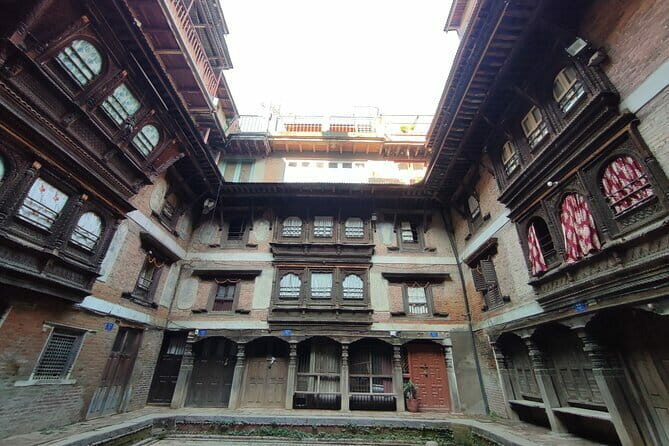
Expect to start your journey at the Pimbahal courtyard, home to a Newar Buddhist monastery. Here, your guide will explain how traditional urban settlements in Patan reflect spiritual practices and indigenous knowledge — a fascinating look at how deeply intertwined religion and community are. This part of the tour gives travelers insight into local architecture and the spiritual significance of these spaces, making it more meaningful than just snapping photos of old walls.
Next, the walk takes you along a cozy alley to Nyakhachowk, another courtyard with ancestral shrines, vernacular houses, and the characteristic ‘falchaa’ resting areas—examples of traditional Nepalese architecture. The guide’s commentary helps you understand how these structures are designed for both functionality and spiritual symbolism, making each corner of the town a storybook of cultural practices.
A highlight for many is visiting Nagbahaa, one of the largest courtyards in Patan. The guide will describe how ancient globalization influenced local art, with Greek and Hellenistic touches subtly evident in Buddhist and Hindu iconography. This is a rare chance to see how cross-cultural influences have enriched local religious art, making it more than just local tradition — it’s an echo of historical exchanges.
The tour concludes at Swotha Square, a charming space filled with temples, shrines, and inviting tea shops. Here, you can absorb the peaceful ambiance and observe how faith continues to be a lively part of life. If you wish, you’re just a short walk away from Patan Durbar Square, where the historic palace and museum await — a perfect next step for those wanting a deeper dive into the royal history and architecture.
You can also read our reviews of more tours and experiences in Kathmandu.

Guided by Knowledge and Humor
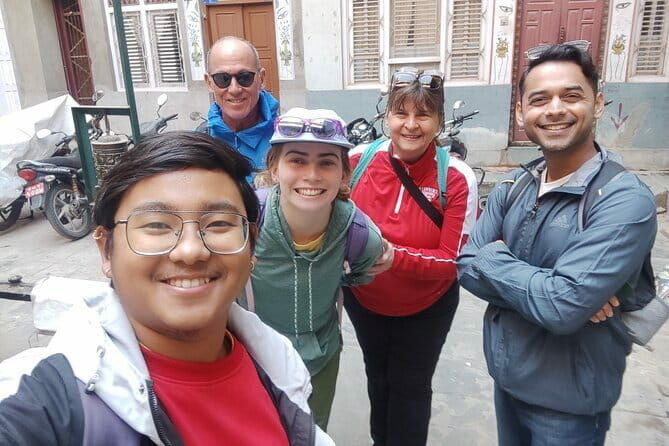
Guests consistently praise the guides’ expertise and engaging storytelling. One reviewer mentions that Sandip, the guide, is great at uncovering hidden gems and has a wonderful sense of humor, making the experience both educational and fun. Such personable guides make a difference when navigating complex topics like religious symbolism and local customs, ensuring visitors leave with a genuine understanding and appreciation.
The tour’s small size — capped at 10 travelers — guarantees an intimate environment, allowing for personalized attention and spontaneous questions. This setup makes for a more relaxed, engaging experience that genuinely feels like exploring with a knowledgeable friend.
Cost, Duration, and Value
For $65, this experience offers about 2 hours and 30 minutes of walking through thoughtfully selected sites. Compared to larger, more generic tours, this price points to excellent value, especially considering the depth of cultural insight and the chance to see local, sometimes hidden, parts of Patan. The tour is also mobile ticketed, adding convenience for travelers who prefer digital entry.
While it doesn’t include access to Patan Durbar Square or its museum, the tour’s price and content make up for this by emphasizing local life rather than tourist crowds. It’s a worthwhile investment if you’re eager to connect with Patan’s ongoing traditions and learn how ancient faiths still influence daily routines.
The Sites in Detail
Pimbahal Courtyard
This first stop sets the tone for the tour. The Pimbahal Buddhist monastery is a quiet spot where monks go about their routines, giving visitors a glimpse into spiritual practice that’s very much alive. The guide explains how urban settlements in Patan are built around spiritual needs and reflect indigenous knowledge. You might find yourself admiring the intricate woodwork and observing monk activities, which add layers of authenticity to your experience.



Nyakhachowk
A short walk from Pimbahal leads you into Nyakhachowk, a cozy, traditional courtyard filled with ancestral shrines and vernacular houses. Here, the architecture tells stories of community life. Expect to see fālchāa resting spots—places where locals gather or rest—and get explanations about their role in spiritual and social life. The guide’s insights clarify how each structure serves both practical and symbolic purposes.
Nagbahaa
This courtyard is notable for its size and the artwork influenced by Hellenistic styles. It’s fascinating to see how global influences trickled into local religious art, creating a unique blend of cultural motifs. The guide will point out specific iconography that hints at historical exchanges and cultural mixing, enriching your understanding of Patan’s historical openness to outside influences.
Swotha Square
Ending in Swotha Square, you’re immersed in a peaceful space with temples and shrines. It’s a perfect place to reflect on your walk and observe the faith in action. As mentioned by reviewers, this square is lively yet tranquil, with tea shops that invite you to relax and absorb the local atmosphere. If time permits, you might want to continue on to Patan Durbar Square for more architectural splendor — but this tour keeps the focus on local stories and traditions.
Authentic, Engaging, and Educational
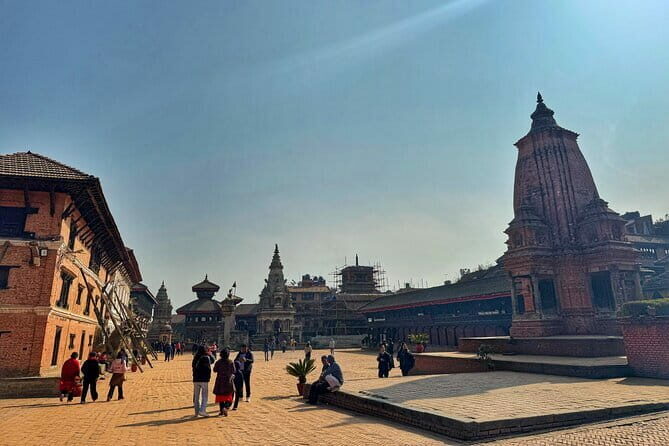
The reviews confirm that guides like Sandip bring the history and folklore to life, making the experience memorable. Travelers rave about the hidden gems discovered and the depth of knowledge shared. One reviewer calls it “the best way to see Patan,” highlighting that off-the-beaten-path sites provide a richer perspective than mainstream attractions.
Given its focus on local culture, architecture, and religious practices, this tour offers value far beyond its modest price point. It’s especially suited for those who want to understand Nepali society in a more personal way, and who enjoy small-group walking experiences that are both educational and relaxed.
Who Should Consider This Tour?
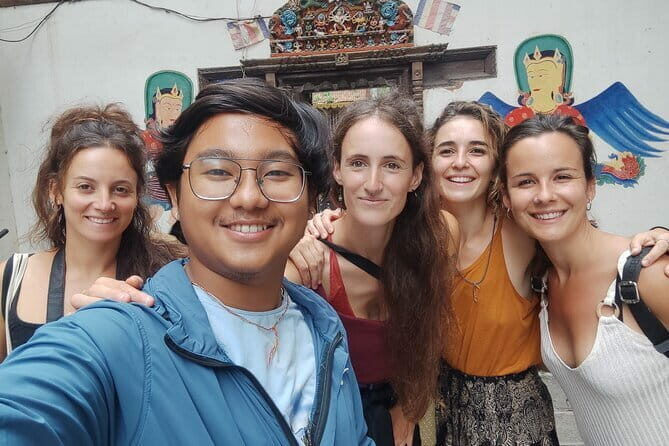
This experience is ideal for culture enthusiasts, history buffs, and spiritual travelers eager to see the living traditions of Patan. It’s well-suited for those who want a more authentic, less touristy taste of the city’s old town, without the crowds of the main square. The tour’s pace and focus on local community sites make it accessible for most travelers, including those with limited mobility or short time in Kathmandu.
If you’re interested in religious practices, traditional architecture, or folklore, you’ll find this tour both enlightening and enjoyable. It’s a great introduction for first-time visitors and a meaningful revisit for seasoned travelers wanting to deepen their understanding of Nepali culture.
The Sum Up

This walking tour of Ancient Patan’s folklore and daily life offers a rare glimpse into the city’s authentic neighborhoods and living traditions. With an engaging guide, a carefully curated route, and a focus on local stories and spiritual practices, it provides real value for those seeking more than just surface-level sightseeing. The price point makes it accessible, and the small-group setting ensures a personalized experience that’s both educational and enjoyable.
For travelers interested in cultural depth, local architecture, and religious traditions, this tour is an ideal choice. It’s especially suitable for those who want to connect with the everyday life of Patan’s residents and gain a deeper appreciation of how history continues to shape contemporary Nepalese society.
Folklore and Everyday Life in Ancient Patan
“Sandip is a great guide, who brings you to the nice, hidden gems in Patan. It is absolutely wonderful how much he can tell you about all the aspect…”
FAQ
Does this tour include Patan Durbar Square?
No, the tour focuses on the old town around the main square but does not include Patan Durbar Square itself. You can visit it independently afterward, as it’s just a short walk away.
How long does the tour last?
The walk lasts approximately 2 hours to 2 hours 30 minutes, starting at 10 am from Patan Dhoka.
What is included in the tour?
You’ll have an experienced local guide who will lead you through the sites and share stories and insights during the walk.
Are there any extra costs?
Yes, Patan Durbar Square and its museum are not included in the tour and require separate admission fees if you choose to visit afterward.
Is this tour suitable for everyone?
Most travelers can participate, and it’s designed to be accessible. It’s perfect for those interested in culture, history, and religious practices.
What should I bring?
Bring comfortable walking shoes, sun protection, and curiosity. The tour is outdoors and involves walking through narrow streets and courtyards.