Traveling along the Silk Road is like flipping through a living history book—full of stories, cultures, and landscapes that have shaped Eurasia for centuries. This 12-day tour from Urumqi to Kashgar promises an in-depth look at some of the most iconic sites in China’s Xinjiang region. It’s a journey that combines archaeological wonders, vibrant local traditions, and jaw-dropping scenery, all wrapped in the comfort and convenience of a guided small-group experience.
What we particularly appreciate about this tour is how it balances well-curated visits—like the ancient city of Jiaohe and the Karez Well System—with enough free time to soak in the atmosphere and take photos. Plus, the inclusion of local guides with a good command of English makes it easier to understand and appreciate the significance of each stop. That said, the long drives across expansive deserts and the somewhat packed itinerary might test those prone to fatigue or seeking a more leisurely pace.
This adventure is best suited for travelers with a curiosity for history and culture, who don’t mind a fair amount of walking and bumpy desert roads. If you’re after an authentic, comprehensive look at the Silk Road’s treasures with a good dose of natural beauty, this tour might be just the ticket. However, it’s not ideal for those with mobility issues or who prefer more relaxed travel days.
Key Points
- Rich historical sites including Jiaohe, Qiuci ruins, and Kuqa’s ancient temples
- Stunning landscapes like Baisha Lake, Karakul Lake, and the Taklimakan Desert
- Expert guides provide insightful commentary and local context
- Comfortable transportation with a private, spacious vehicle for all transfers
- Balanced itinerary with a mix of sightseeing, cultural visits, and scenic drives
- Value for money considering the wide range of included activities and accommodations
👉 Check out our guide to the 9 Best Tours In Urumqi
Contents
- Key Points
- An In-Depth Look at the 12-Day Silk Road Itinerary
- Starting Point: Urumqi and the First Impressions
- Day 2: Turpan and Its Desert Marvels
- Day 3: The Ancient City of Jiaohe
- Day 3: Cultural Insights in Turpan
- Day 4: Kuqa and the Qiuci Kingdom
- Day 5: Buddhist Art and Grand Canyon
- Day 6: Local Culture and Royal Heritage
- Day 7-8: Crossing the Taklimakan Desert and Khotan
- Day 9–10: Kashgar and Its Old Town
- Day 11: Scenic Drive into the Pamirs
- Day 12: Farewell and Reflection
- What Makes This Tour Stand Out?
- Final Thoughts
- FAQ
- Our Top Picks in Urumqi
- More Tour Reviews in Urumqi
- Not for you? Here's more things to do in Urumqi we have recnetly reviewed
An In-Depth Look at the 12-Day Silk Road Itinerary

You can also read our reviews of more tours and experiences in Urumqi.

Starting Point: Urumqi and the First Impressions
The journey kicks off in Urumqi, China’s westernmost major city, with a warm welcome from your guide. The initial transfer sets the tone: expect a comfortable, spacious vehicle suited for the long drives ahead, and a chance to acclimate to Xinjiang’s unique blend of cultures and landscapes. The inclusion of a knowledgeable local guide ensures you’ll get a well-rounded introduction to the region’s history, geography, and current affairs.
Day 2: Turpan and Its Desert Marvels
Your first significant stop is Turpan, famed for its Karez Well System—an ingenious underground irrigation network that’s been sustaining agriculture here for over a thousand years. We loved the way this system exemplifies ancient ingenuity and how it’s still in use today. Visiting the Bezeklik Thousand Buddha Caves, you’ll glimpse centuries-old Buddhist murals, a testament to the region’s diverse cultural past.
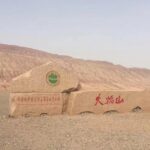
The highlight, perhaps, is the Flaming Mountain, which has inspired poets and travelers for generations. Standing in front of this fiery-red cliff, you get a sense of how these landscapes have shaped local legends.
Day 3: The Ancient City of Jiaohe
One of the most striking archaeological sites on this route is Jiaohe, built by carving into a plateau rather than constructing upward. Walking through its ruins, you’ll see well-preserved city walls, ancient homes, and temples spread across a flat, rocky terrain overlooking the river—offering incredible photo opportunities and a tangible sense of history. Expect a fair amount of walking, but the site’s compact size makes it manageable.
More Great Tours NearbyDay 3: Cultural Insights in Turpan
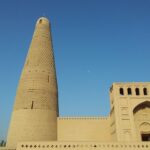
Later, you’ll visit the Emin Minaret, a stunning example of Islamic architecture that has watched over the city for centuries. The tour also includes a walk through the Karez Well System, giving you insight into how local communities thrived in harsh desert conditions.



Day 4: Kuqa and the Qiuci Kingdom
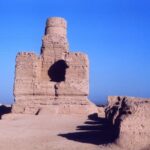
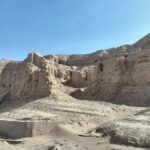
The drive to Kuqa introduces travelers to the remarkable landscapes of western China. The Ruins of Subashi Ancient Temple sit amid gravel deserts, where the ruins tell stories of Buddhism’s spread along the Silk Road. The Kizilgaha Beacon Tower adds a layer of archaeological intrigue with its ancient inscriptions.
Day 5: Buddhist Art and Grand Canyon
In Kuqa, you’ll explore the Kezil Thousand-Buddha Caves—home to exquisite murals and sculptures—offering a glimpse into religious life centuries ago. The Tianshan Grand Canyon impresses with its towering cliffs and rushing waters, a natural counterpoint to the historical sites.
Day 6: Local Culture and Royal Heritage
Highlights include the Kuqa Grand Mosque—a lively place to observe Islamic traditions—and the Kuqa Royal Palace, which offers a look into the region’s political history. Traveling along the Tarim River, you get a sense of how this vital waterway sustains life in the desert.
Day 7-8: Crossing the Taklimakan Desert and Khotan
Driving across the Taklimakan Desert, the vastness is humbling. You might find yourself pondering how ancient caravans navigated these endless sands. In Khotan, the Khotan Museum displays artifacts from the old oasis towns, and the Yuetegan Ancient City transports you back in time, revealing the region’s role in Silk Road commerce.
Day 9–10: Kashgar and Its Old Town
From Khotan, you’ll travel through Yarkant County, visiting the mausoleum of Amani Shah Khan—a site rich with local stories. The Kashgar Old Town is a highlight, with narrow alleyways, traditional mud-brick houses, and lively markets. A visit to Kashgar’s grand mosque, the region’s largest, offers a fascinating glimpse into local Islamic practice.
Day 11: Scenic Drive into the Pamirs
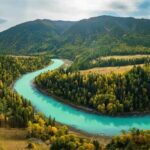
This day is all about the extraordinary scenery along the China-Pakistan Highway. Expect views of Baisha Lake and Karakul Lake, both framed by snow-capped peaks like Muztag Ata—sometimes called the “Father of Ice Mountains.” The landscape here feels otherworldly, with desert plains giving way to towering mountains and shimmering lakes.
Day 12: Farewell and Reflection
Your guide will escort you to the airport, ending the trip with a head full of memories. The overall experience offers a compelling mix of history, culture, and natural beauty—worth every penny for those eager to explore a lesser-traveled but profoundly rewarding part of China.
What Makes This Tour Stand Out?
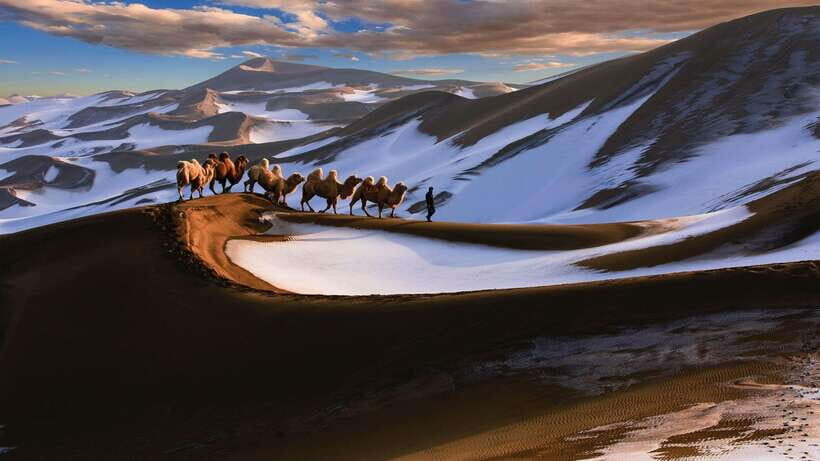
We loved the variety of sites covered—from ancient ruins like Jiaohe to lively markets in Kashgar—and the expert guides who make the history come alive. The inclusion of both archaeological sites and scenic landscapes means you get a full picture of this iconic trade route.
The transportation setup is thoughtfully designed: a private, spacious vehicle that allows for comfortable long drives, crucial in such a vast and sometimes dusty region. The group size is limited to 15, which helps keep the experience intimate and personalized.
Meals and accommodations are not included, but the tour’s focus on high-value sites means you’ll be spending your budget on meaningful experiences rather than tourist traps. Plus, the option to reserve and pay later adds flexibility, which is especially helpful if your plans change.
The combination of cultural depth, stunning scenery, and expert guidance makes this a compelling choice for history buffs, culture seekers, and adventurous travelers who want to see the Silk Road in an authentic way.
Final Thoughts
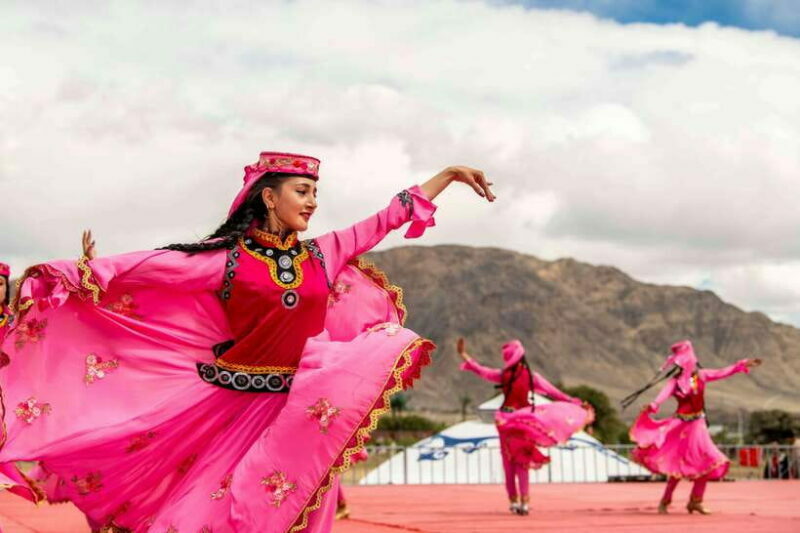
This 12-day Silk Road tour offers a well-rounded, immersive experience for travelers eager to understand this historic trade route beyond just reading about it. You’ll visit ancient cities built from stone and sand, marvel at natural wonders shaped by millennia, and get a sense of how diverse and resilient the people of Xinjiang are.
While the schedule is busy, the careful planning ensures you’re seeing the most significant sites without feeling overwhelmed. It’s a fantastic way to combine archaeology, natural beauty, and local culture into one memorable journey.
If you’re someone who appreciates history, stunning landscapes, and a touch of adventure, this tour provides excellent value. The scenery alone is worth the price, but the stories and insights from knowledgeable guides turn it into a once-in-a-lifetime experience.
From Urumqi: 12-Day Silk Road Adventure to Kashgar
FAQ
Is this tour suitable for travelers with limited mobility?
Since the tour involves a good deal of walking and navigating uneven ruins and temples, it’s not recommended for those with mobility issues.
Are meals included in the price?
No, meals and drinks are not included. You might find your guide can recommend local restaurants or eateries along the way.
How comfortable is the transportation?
Transportation is by private, air-conditioned vehicle with ample space and big windows, ideal for long drives across deserts and mountain scenery.
What kind of clothing should I bring?
Comfortable shoes are essential for walking, along with warm clothing for cooler evenings and layered options for changing weather. Sunscreen, a hat, and water are also recommended.
Can I take photos at the archaeological sites?
Yes, photography is generally allowed, but it’s courteous to ask permission before photographing local people or religious sites.
What is the group size?
The tour is limited to 15 participants, which helps keep the experience intimate and allows for more personalized attention from guides.
Is this tour suitable for children or teenagers?
While it can be educational and enjoyable for younger travelers, the long drives and extensive walking might be tiring. It’s best suited for older children or teenagers with an interest in history and adventure.