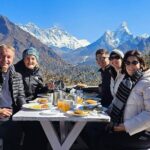
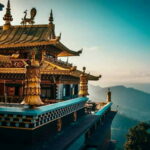
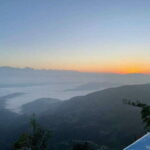
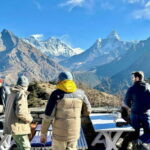
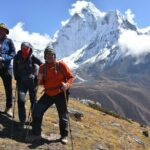
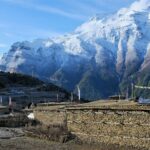
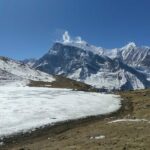
The Ghorepani Ghandruk Trek, a captivating journey through Nepal’s Annapurna region, offers trekkers a unique blend of natural beauty and cultural experiences. This moderate trek showcases lush rhododendron forests, charming Gurung villages, and the breathtaking sunrise from Poon Hill, with the majestic Annapurna massif as the backdrop. Along the way, adventurers can relax in the natural hot springs at Jhinu Danda, making this an unforgettable adventure. Whether you’re a seasoned hiker or a first-time trekker, the Ghorepani Ghandruk Trek promises to leave you in awe of the region’s stunning landscapes and rich cultural heritage.
Good To Know
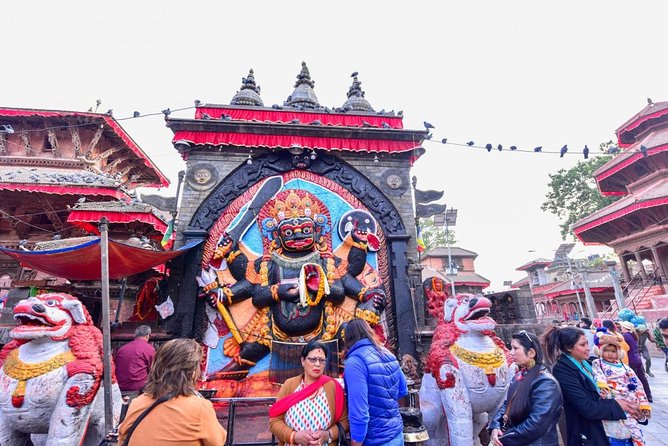
- The Ghorepani Ghandruk Trek, also known as the Poon Hill Circuit or Annapurna Sunrise View Trek, offers stunning Himalayan vistas, including views of Annapurna and Dhaulagiri peaks.
- The trek features the world’s largest rhododendron forest, providing a visually stunning and natural experience for trekkers.
- The trek takes trekkers through Gurung villages, allowing for culture and exploration of traditional Nepali customs and lifestyle.
- The trek is considered a moderate-level hike, suitable for those with some hiking experience, with daily treks of 5-7 hours covering a total distance of 60-70 km.
- The trek includes a sunrise hike to Poon Hill, offering panoramic views of the Annapurna massif, as a highlight of the itinerary.
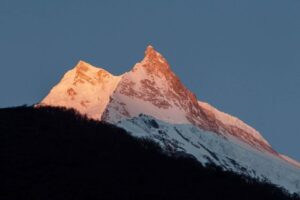
👉 Check out our guide to the 2 Best Guided Tours In Jagat
Contents
- Good To Know
- Trek Overview
- Highlights of the Itinerary
- Getting to the Trek
- Trek Accommodations
- Cultural Experiences
- Trek Difficulty and Fitness
- Traveler Reviews
- Trek Highlights
- Frequently Asked Questions
- What Is the Best Time of Year to Do This Trek?
- Is Group Trekking or Solo Trekking Recommended?
- Can I Charge My Electronic Devices During the Trek?
- Are There Any Age Restrictions for This Trek?
- What Is the Weather Like During the Trek?
- Sum Up
- Our Top Picks in Kathmandu
- More Morning in Kathmandu
- More Hiking & Trekking Tours in Kathmandu
- More Tour Reviews in Kathmandu
- Not for you? Here's more things to do in Kathmandu we have recnetly reviewed
Trek Overview
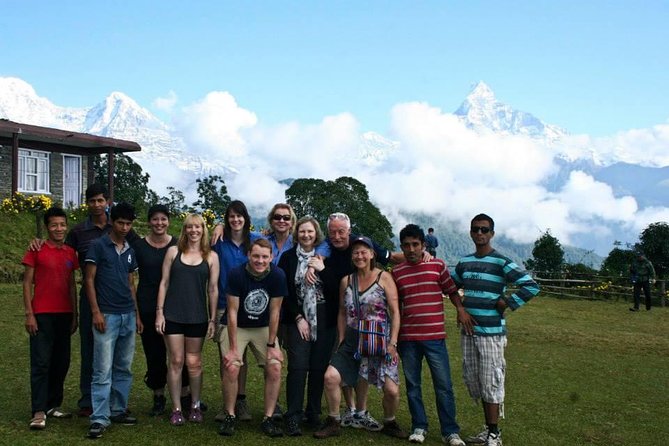
The Ghorepani Ghandruk Trek is located in the Gandaki Province of Nepal, nestled between the bustling city of Pokhara and the majestic northern Himalayas.
The trek is named after the Gurung villages of Ghorepani and Ghandruk, which are home to the Gurkhas, renowned soldiers serving in the British and Indian armies.
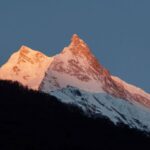
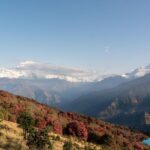
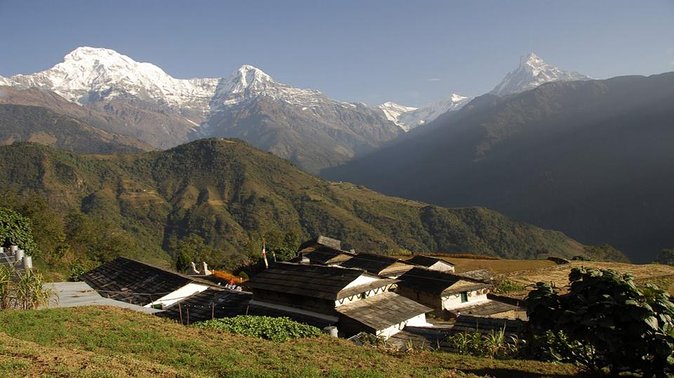
This captivating trek offers breathtaking views of towering peaks, including Annapurna (8,091 m), Dhaulagiri (8,167 m), Mt. Machhapuchhre (6,993 m), Mt. Nilgiri, and Singa Chuli.
The journey takes trekkers through lush oak and rhododendron forests, with Ghorepani hosting the world’s largest rhododendron forest, creating a stunning natural backdrop for this remarkable adventure.
Ready to hit more trails? More hiking adventures we feature in Kathmandu
Highlights of the Itinerary
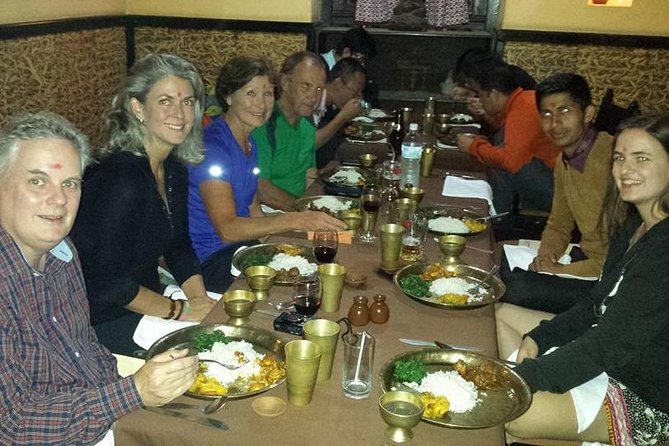
Typically, the Ghorepani Ghandruk Trek itinerary begins with an arrival in Kathmandu, where travelers enjoy a hotel transfer and a welcome dinner.
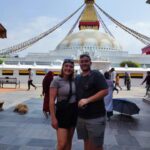
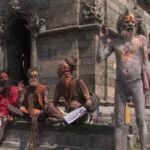
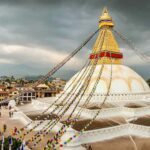
The next day, they’ll explore the UNESCO World Heritage Sites in Kathmandu, including Pashupatinath Temple and Bouddhanath Stupa.
Then, they’ll head to Pokhara, where they can explore the scenic Lakeside.
The trek starts with a hike to Ulleri, passing through forests and stone staircases.
On the fifth day, they’ll reach Ghorepani, where they can experience the local culture.
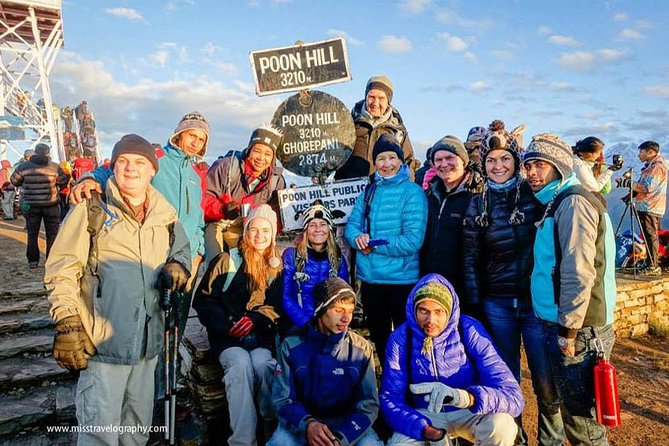
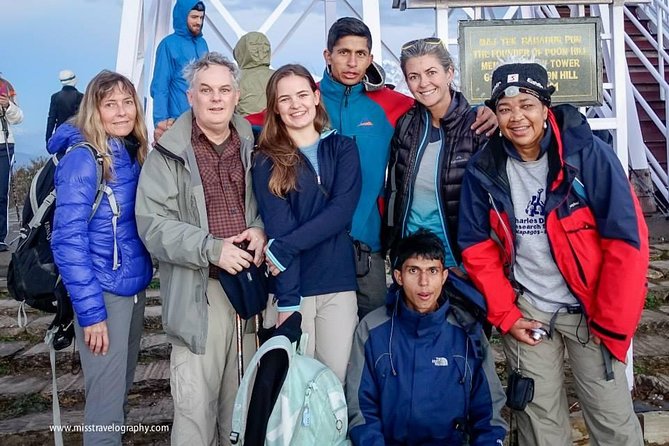
The highlight is the sunrise trek to Poon Hill, offering breathtaking views.
The trek also includes a visit to the natural hot springs in Jhinu Danda and exploring Gurung villages before returning to Pokhara and Kathmandu.
Getting to the Trek
Accessing the starting point of the Ghorepani Ghandruk Trek is straightforward.
Travelers have the option to:
-
Fly into Tribhuvan International Airport in Kathmandu and then take a scenic drive along the Prithvi Highway to Pokhara, which offers breathtaking views of the Langtang, Ganesh Himal, Manaslu, and Annapurna Ridges.
-
Alternatively, they can fly directly to Pokhara Airport, which is the gateway to the Annapurna region.
The trek organizers provide convenient pickup services from both Kathmandu and Pokhara, ensuring a seamless start to the adventure.
Trek Accommodations
During the Ghorepani Ghandruk Trek, trekkers enjoy cozy accommodations in teahouses and lodges along the way.
These locally-run establishments provide basic but comfortable rooms, often with shared bathroom facilities. Meals are served in the communal dining areas, featuring Nepali and international cuisine.
Trekkers have the opportunity to interact with fellow adventurers and learn about the local Gurung culture. The accommodations are simple but clean, ensuring a restful night’s sleep after each day’s hike.
With the stunning Himalayan scenery outside their windows, trekkers can soak in the peaceful mountain ambiance. The local hosts are welcoming and attentive, making the trek a truly immersive cultural experience.
Cultural Experiences
Trekkers on the Ghorepani Ghandruk Trek have ample opportunities to enjoy the rich cultural heritage of the Gurung people. Along the route, they can explore Gurung villages, such as Ghandruk, and witness firsthand the traditional lifestyle, customs, and hospitality of this ethnic group.
Some highlights include:
- Visiting the local Gurung museum and learning about their history, dress, and social structure
- Observing artisanal crafts like weaving and woodcarving
- Participating in community activities, such as traditional dances and ceremonies
The cultural exchange during this trek provides a deeper understanding and appreciation of the Gurung people, their resilience, and their enduring traditions.
Here are more great tours and experiences we've reviewed in Kathmandu


Trek Difficulty and Fitness
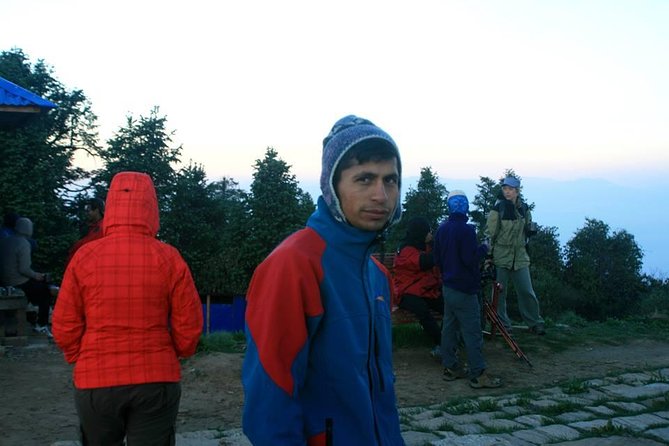
The Ghorepani Ghandruk Trek is generally considered a moderate-level trek, suitable for those with some previous hiking experience and a reasonable level of fitness.
The trek involves daily hikes of 5-7 hours, covering a total distance of approximately 60-70 km. While the terrain isn’t technical, it does include steep ascents and descents, particularly on the way to Ghorepani and Poon Hill.
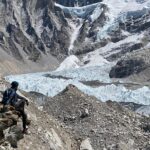
Good physical conditioning, sturdy hiking boots, and a positive mental attitude are essential for a successful and enjoyable trek. Trekkers should be prepared for varying weather conditions, including potential rain, snow, and cold temperatures, especially at higher elevations.
Traveler Reviews
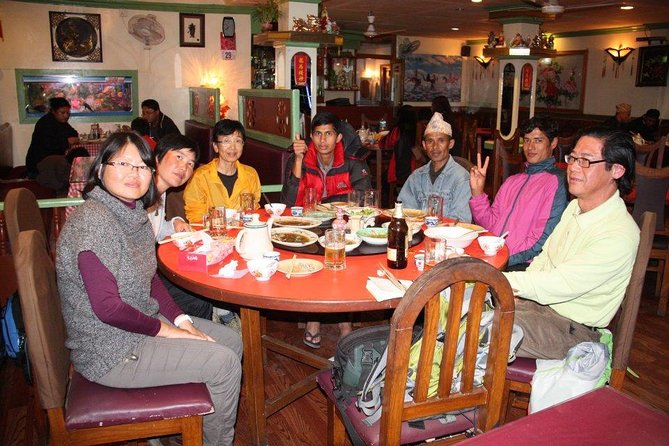
Across a range of online platforms, travelers have offered overwhelmingly positive feedback on the Ghorepani Ghandruk Trek.
With a 100% recommendation rate and a perfect 5-star average, the trek has garnered rave reviews from those who’ve experienced it firsthand.
Some key highlights from traveler reviews include:
- Excellent guides who provide immersive cultural experiences and ensure a seamless journey
- Stunning scenery, including breathtaking views of the Annapurna range and the world’s largest rhododendron forest
- The trek’s ability to offer an introduction to the Annapurna region, making it suitable for those with limited time
The consistently excellent reviews firmly establish the Ghorepani Ghandruk Trek as a must-do experience for anyone seeking to explore the natural wonders and cultural richness of Nepal’s Himalayan landscape.
Trek Highlights
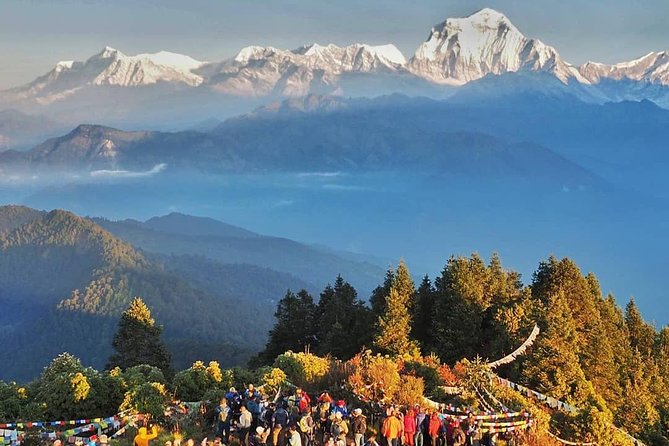
Stunning vistas of snow-capped peaks, lush forests, and quaint Gurung villages characterize the highlights of the Ghorepani Ghandruk Trek.
Trekkers can look forward to a sunrise hike to Poon Hill, offering breathtaking panoramic views of the Annapurna massif, Dhaulagiri, and Machhapuchhre.
Along the way, they’ll traverse through rhododendron forests, the world’s largest of their kind, and explore the cultural heritage of the Gurung people, renowned Gurkha soldiers.
The trek also includes a visit to the natural hot springs at Jhinu Danda, providing a rejuvenating respite amidst the stunning scenery.
With a mix of awe-inspiring landscapes and authentic cultural encounters, the Ghorepani Ghandruk Trek offers a well-rounded trekking experience in the Annapurna region.
Frequently Asked Questions
What Is the Best Time of Year to Do This Trek?
The best time to do this trek is typically during the Spring (March-May) or Autumn (September-November) seasons when the weather is mild, skies are clear, and the rhododendrons are in bloom, offering optimal trekking conditions.
Is Group Trekking or Solo Trekking Recommended?
Group trekking is generally recommended for the Ghorepani Ghandruk Trek. It provides better safety, social experience, and support from guides and porters, making it a more suitable option for most travelers, especially those with limited trekking experience.
Can I Charge My Electronic Devices During the Trek?
Trekkers can charge their electronic devices during the trek, as most lodges and tea houses along the route provide charging facilities. However, power outages may occur, so it’s recommended to bring a power bank as a backup.
Are There Any Age Restrictions for This Trek?
There are no strict age restrictions for this trek, but it’s best suited for trekkers aged 12 to 70 who are in good physical condition. Younger or older participants may require special considerations.
What Is the Weather Like During the Trek?
The weather during the trek varies depending on the season. Generally, it’s cool and dry in the spring and fall, with mild temperatures perfect for hiking. Winters can be cold, while summers are warmer with occasional rain showers.
Ghorepani Ghandruk Trek ( Poon Hill Circuit, Annapurna Sunrise View Trek)
“Myself and my son did the Ghorepani Ghandruk Trek which include extra time in Kathmandu for a cultural tour and farewell dinner. This is a good tre…”
Sum Up
The Ghorepani Ghandruk Trek offers trekkers a magnificent blend of stunning natural scenery and culture. From the breathtaking Annapurna sunrise at Poon Hill to the relaxing hot springs of Jhinu Danda, this moderate trek showcases Nepal’s best. With its lush forests, charming villages, and warm hospitality, it’s no wonder this trek is a must-do for adventurers seeking an unforgettable Himalayan experience.