Explore the architectural marvels of Tokyo’s vibrant Harajuku and Omotesando neighborhoods on this guided tour. Marvel at the striking suspension roof of the renowned Yoyogi Olympic Stadium, and then explore the modern, transparent designs of Omotesando’s high-end boutiques. Journey through the lively pedestrian culture of Harajuku, where quirky shops, vintage stores, and trendy cafes await. But the tour doesn’t stop there – venture into the hidden back alleys to uncover the area’s more authentic side. With an expert guide leading the way, this architectural adventure is sure to captivate and inspire.
Key Points
- The guided tour explores the innovative suspension roof design of Yoyogi Olympic Stadium and the modern architecture of Omotesando’s fashion boutiques.
- The tour immerses visitors in the lively pedestrian culture and unique subcultures of Harajuku, including its famous Kawaii street fashion.
- Participants can discover the hidden back alleys of Harajuku, finding artisanal bakeries, specialty stores, and cozy music lounges.
- The tour is led by an experienced, English-speaking guide who provides informative commentary and ensures a seamless and enriching experience.
- The small group size of up to 5 participants allows for a personalized tour, but it is not wheelchair accessible and has a minimum age requirement of 5 years.

👉 Check out our guide to the 2 Best Craft Beer Tours And Tastings In Tokyo
Contents
- Key Points
- Yoyogi Olympic Stadium’s Unique Design
- Omotesando’s Modern Architecture Boutiques
- Lively Pedestrian Culture in Harajuku
- Hidden Back Alleys Exploration
- Tour Duration and Schedule
- Guide and Language Proficiency
- Inclusion and Exclusions
- Tour Group Size and Accessibility
- Frequently Asked Questions
- Can I Take Photos During the Tour?
- How Much Walking Is Involved in the Tour?
- Are There Any Age Restrictions for Children?
- Is the Tour Suitable for People With Limited Mobility?
- Can I Customize the Tour to My Specific Interests?
- Recap
- Our Top Picks in Tokyo
- More Guided Tours in Tokyo
- More Tours in Tokyo
- More Tour Reviews in Tokyo
- Not for you? Here's more things to do in Tokyo we have recnetly reviewed
Yoyogi Olympic Stadium’s Unique Design
The Yoyogi Olympic Stadium‘s unique suspension roof, designed by renowned architect Kenzo Tange, is a striking architectural feature that immediately captivates visitors on the guided architecture tour of Harajuku and Omotesando.
Completed in 1964 for the Tokyo Olympics, the stadium’s innovative design features a massive 440-foot span supported by a network of steel cables, creating a dramatic, sweeping canopy that appears to float effortlessly above the structure.
The curved silhouette and exposed suspension system lend the building a sense of lightness and motion, in contrast with the heavy concrete foundations. Tange’s design was a bold departure from traditional stadium architecture, reflecting Japan’s post-war ambitions and the country’s emerging modernist aesthetic.
Loving the local insights? Here are more guided experiences we recommend in Tokyo


Omotesando’s Modern Architecture Boutiques
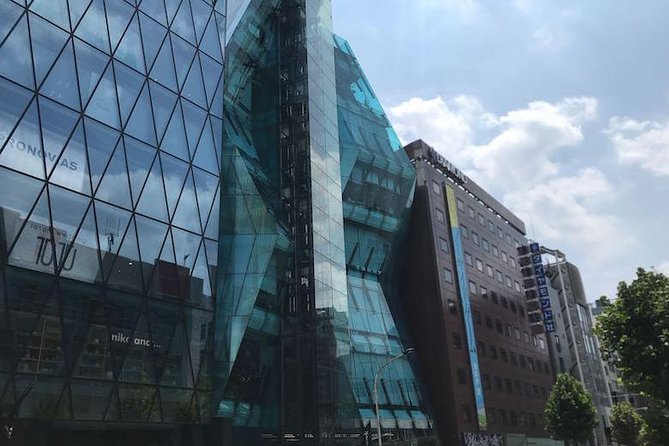
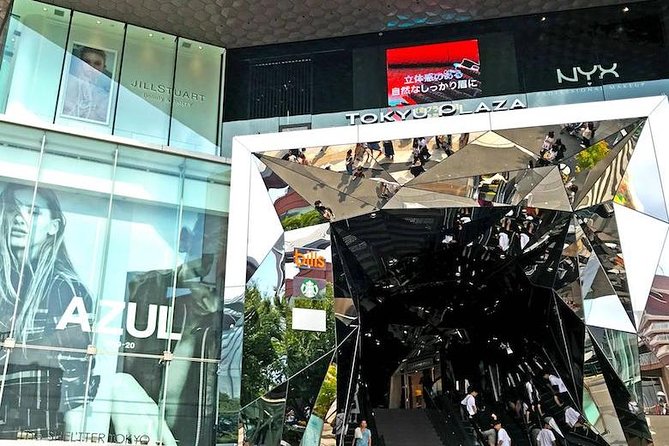
Moving from the striking Yoyogi Olympic Stadium, the guided tour now explores the angular facets and transparent walls of Omotesando’s modern architecture boutiques, showcasing the neighborhood’s cutting-edge design.
These sleek, contemporary structures house high-end fashion and lifestyle stores, reflecting the area’s reputation as a hub of style and innovation.
Visitors can admire the interplay of light and shadow created by the bold geometric forms and extensive use of glass, which give the buildings a sense of lightness and openness.
The tour provides an opportunity to appreciate how Omotesando’s modern architecture seamlessly integrates with the lively pedestrian culture, creating a dynamic and visually striking urban landscape.
Lively Pedestrian Culture in Harajuku
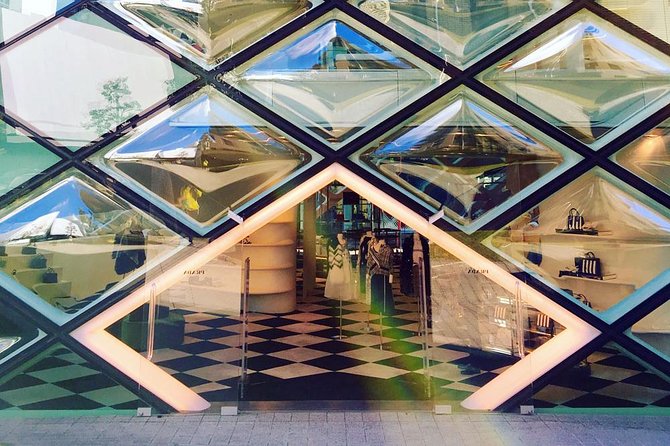
After exploring Omotesando’s modern architectural boutiques, the tour delves into the lively pedestrian culture of Harajuku.
Visitors stroll along the neighborhood’s bustling backstreets, taking in the energy and vibrancy of this iconic Tokyo district. From the colorful fashion displays in storefront windows to the crowds of young trendsetters, the Harajuku area exudes a palpable sense of youthful creativity and self-expression.
Narrow alleyways are lined with quirky shops, vintage clothing stores, and trendy cafes, all contributing to the area’s distinct visual character. The tour guide points out the unique subcultures that have flourished here, like Harajuku’s famous Kawaii street fashion.
Immersed in this dynamic, pedestrian-friendly atmosphere, travelers gain a deeper understanding of Harajuku’s cultural significance.
Hidden Back Alleys Exploration
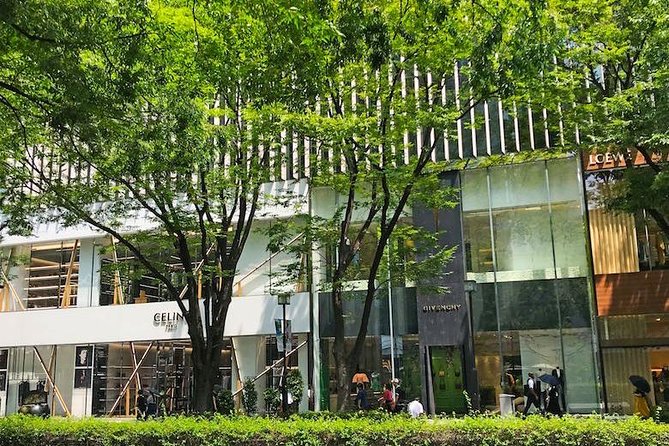
Winding through the back alleys of Harajuku, the tour guide leads visitors on an immersive exploration of the neighborhood’s hidden gems.
Tucked away from the main thoroughfares, these narrow passageways reveal a different side of Tokyo’s renowned fashion district, one brimming with unique local shops, quirky cafes, and a palpable sense of community.
Visitors will stumble upon artisanal bakeries, specialty stores stocked with vintage wares, and cozy music lounges that cater to the area’s eclectic clientele.
The guide points out architectural details and shares insights into the history and culture that have shaped these vibrant backstreets, offering a deeper, more authentic understanding of Harajuku beyond its famous retail hubs.
Tour Duration and Schedule
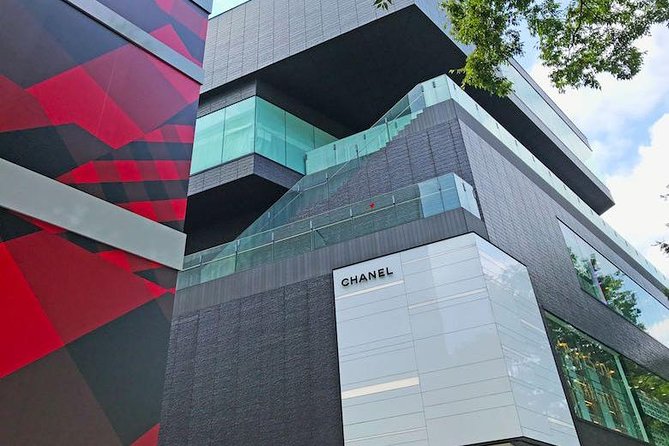
The guided architecture tour of Harajuku and Omotesando lasts approximately 4 hours, allowing visitors ample time to explore the area’s modern landmarks and hidden backstreets. The tour starts at the Nezu Museum parking lot and concludes at Harajuku Station, providing a rundown of this vibrant neighborhood.
Some key schedule details include:
- Admiring the unique suspension roof of Yoyogi Olympic Stadium, built for the 1964 Olympics.
- Checking out the angular facets and transparent walls of Omotesando’s modern architecture boutiques.
- Soaking up the lively pedestrian culture and exploring the quiet back alleys.
The tour is led by an English-speaking guide, ensuring a seamless and informative experience.




Guide and Language Proficiency
An experienced, English-speaking guide leads the architecture tour, providing informative commentary throughout the excursion and ensuring a seamless experience for participants.
With excellent language skills, the guide brings the tour to life, sharing insights into Tokyo’s modern buildings and the city’s post-war development. Participants can easily understand and engage with the guide’s explanations, allowing them to fully appreciate the unique architectural features and historical context of the Harajuku and Omotesando neighborhoods.
The guide’s expertise and fluency in English create a comfortable and enriching environment, making the tour both educational and enjoyable for attendees of all backgrounds.
Inclusion and Exclusions
The tour includes an English-speaking guide to provide insightful commentary, but doesn’t cover food, drinks, hotel pickup/drop-off, or gratuities. Participants are responsible for these additional expenses.
The tour highlights include:
- Admiring the unique suspension roof of the Yoyogi Olympic Stadium, built for the 1964 Olympics.
- Checking out the angular facets and transparent walls of Omotesando’s modern architecture boutiques.
- Soaking up the lively pedestrian culture and hidden back alleys.
- Exploring the city’s post-WWII expansion and rebuilding through the lens of Harajuku and Omotesando’s architecture.
The tour is limited to a maximum group size of 5 people and isn’t wheelchair accessible. Participants must be at least 5 years old, and the tour is conveniently located near public transportation.
Tour Group Size and Accessibility
Accessibility and group size limitations are key considerations for this guided architecture tour of Harajuku and Omotesando.
While the tour isn’t wheelchair accessible, it accommodates a maximum of 5 participants, ensuring a personalized and intimate experience for attendees.
This small group size allows the guide to provide more attention and interaction with each guest, fostering a deeper understanding of the architectural highlights.
The minimum age requirement of 5 years ensures the tour is suitable for families, though younger children may find the content challenging.
With the meeting and end points located near public transportation, the tour is easily accessible for visitors exploring Tokyo’s vibrant Harajuku and Omotesando neighborhoods.
Frequently Asked Questions
Can I Take Photos During the Tour?
Yes, you can take photos during the tour. The tour allows participants to freely take photos of the architecture and surrounding areas. However, be mindful not to disrupt the group or block others’ views.
How Much Walking Is Involved in the Tour?
The tour involves a moderate amount of walking, as it covers the architectural highlights of the Harajuku and Omotesando neighborhoods. Participants should expect to walk approximately 2-3 miles over the course of the 4-hour tour.
Are There Any Age Restrictions for Children?
The tour has a minimum age requirement of 5 years old. There are no additional age restrictions for children, so the tour is open to participants of all ages that meet the 5-year-old minimum.
Is the Tour Suitable for People With Limited Mobility?
The tour may not be suitable for people with limited mobility as it is not wheelchair accessible. However, visitors should check with the tour operator to discuss any accessibility needs before booking.
Can I Customize the Tour to My Specific Interests?
While the tour has a set itinerary, the tour guide may accommodate custom requests within reason. Travelers can discuss their specific interests with the guide to personalize their experience to the extent possible within the tour’s duration and logistics.
Guided Architecture Tour of Harajuku and Omotesando
Recap
This guided architecture tour offers a unique opportunity to discover Tokyo’s renowned Harajuku and Omotesando neighborhoods.
Visitors will be captivated by the striking design of the Yoyogi Olympic Stadium, explore the modern boutiques of Omotesando, and enjoy the lively culture of Harajuku.
The tour also takes participants through the hidden back alleys, revealing a more authentic side of the neighborhood.
It’s a comprehensive and informative experience for anyone interested in architecture and urban culture.