Tucked away in a cozy Japanese home, a unique culinary experience awaits. Here, visitors can enjoy the art of handmade soba noodle-making, guided by a local expert. Through this intimate class, you will discover the cultural significance of these traditional buckwheat noodles while honing their own kneading, rolling, and cutting techniques. With a selection of refreshments on hand, this hands-on class promises a delightful blend of culinary skills and cultural insights. What secrets of soba noodle-making might be unveiled in this charming setting?
Key Points
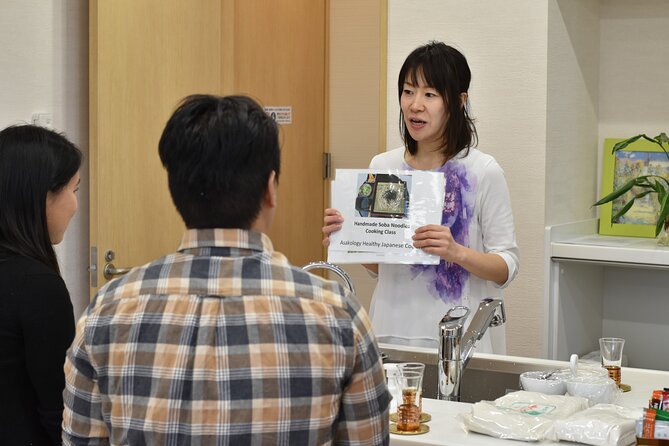
- A 2-hour soba noodle-making class held in a local Japanese home, with a maximum of 4 travelers for personalized attention.
- Participants learn the art of kneading, rolling, and cutting soba dough under the guidance of a local expert.
- The class covers the history and cultural significance of soba, and provides techniques for boiling and serving the freshly made noodles.
- Participants have the opportunity to practice soba noodle-making techniques and receive a booklet of recipes and factsheets post-class.
- The class accommodates various dietary needs and is near public transportation, but not wheelchair accessible.

👉 Check out our guide to the 2 Best Craft Beer Tours And Tastings In Tokyo
Contents
- Key Points
- Class Overview
- Noodle-Making Experience
- Ingredients and Preparation
- Culinary Techniques
- Soba Noodle Tasting
- Transportation and Meeting Point
- Participant Accommodations
- Additional Information
- Frequently Asked Questions
- Is There a Dress Code for the Class?
- Can I Take the Noodles I Make Home?
- Is Gratuity Expected for the Instructor?
- Are Photographs Allowed During the Class?
- Do I Need to Bring My Own Cooking Utensils?
- The Sum Up
- Our Top Picks in Tokyo
- More Workshops & Classes in Tokyo
- More Tour Reviews in Tokyo
- Not for you? Here's more things to do in Tokyo we have recnetly reviewed
Class Overview
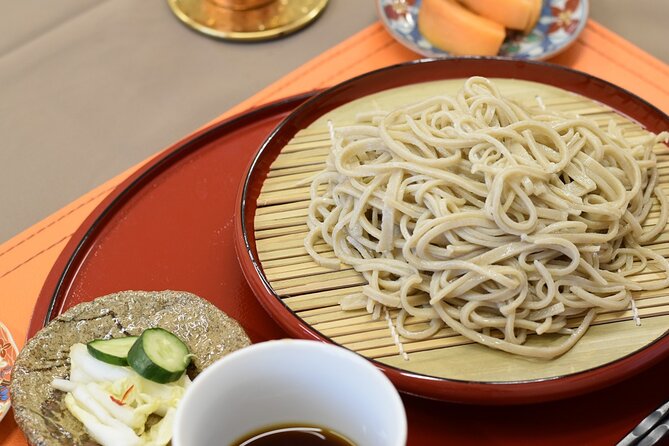
The Handmade Soba Noodle-Making Class in Tokyo, Japan, offers participants a unique opportunity to learn the art of crafting traditional Japanese buckwheat noodles.
The 2-hour class takes place in a local Japanese home, providing an authentic cultural experience. Attendees will receive all the necessary ingredients, cooking utensils, tools, and aprons to make freshly-made soba noodles.
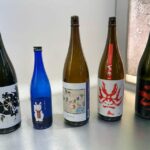
Complementary tea, coffee, and sake are included. The class is limited to a maximum of 4 travelers, ensuring personalized attention.
While not wheelchair accessible, the location is near public transportation, making it easily accessible.
Here are more great tours and experiences we've reviewed in Tokyo


Noodle-Making Experience
Participants begin the noodle-making experience by donning their provided aprons.
They learn the ancient Japanese art of soba noodle-making from a local host. With expert guidance, they knead and roll the dough, then skillfully cut the noodles to the perfect thickness.
The class explores the history and cultural significance of soba. As they cook the fresh noodles, participants delight in the aroma of the buckwheat and the satisfying textures.
The noodles are served with a traditional dipping sauce, allowing participants to savor the fruits of their labor.
Throughout, the relaxed, hands-on class fosters culture and camaraderie.
Ingredients and Preparation
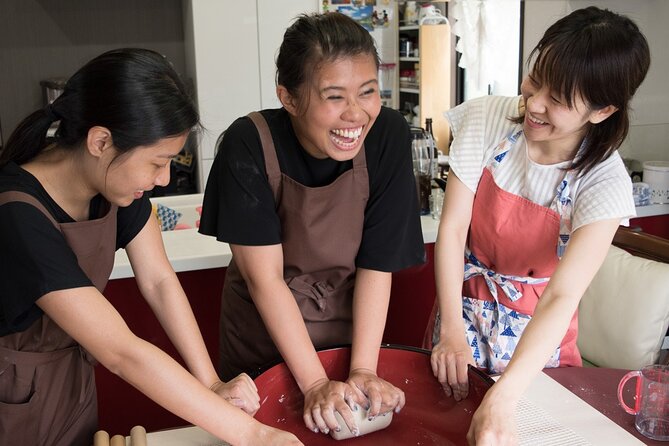
After mastering the art of rolling and cutting the dough, participants move on to the crucial step of preparing the soba noodles.
The instructor demonstrates the proper technique for boiling the noodles to achieve the perfect texture and flavor.
Participants then learn how to:
- Carefully drop the noodles into the boiling water and cook them for the recommended time.
- Drain the noodles and rinse them with cold water to stop the cooking process.
- Combine the noodles with a flavorful dipping sauce, garnishes, and accompaniments to create a delightful soba dish.
Culinary Techniques
Deft hands work the dough, kneading and folding to develop the gluten and achieve the desired texture.
The class begins with an introduction to the fundamentals of soba noodle-making. Participants learn the proper techniques for rolling, cutting, and shaping the noodles.
They use specialized tools like a wooden rolling pin and a soba knife to achieve the signature thin, uniform strands. Instructors guide them through the entire process, from mixing the buckwheat flour and water to cooking the noodles.
Guests have the opportunity to practice these techniques, ensuring they can recreate the experience at home.
Soba Noodle Tasting
The freshly-made soba noodles are then served and savored. Participants delight in the delicate, nutty flavor and springy texture of the handcrafted buckwheat noodles.
The experience offers a glimpse into authentic Japanese cuisine:
- Dipping the noodles in a savory soy-based broth, allowing the flavors to mingle.
- Garnishing with freshly grated ginger, chopped scallions, and a hint of wasabi for an aromatic and balanced taste.
- Sipping on a cup of fragrant matcha tea or a refreshing glass of chilled sake to complement the noodle dish.



Transportation and Meeting Point
Participants meet at the 7-Eleven located near Shinkoenji Station in Suginami City, Tokyo.
From there, they’ll be transported to a local Japanese home where the class takes place. The meeting point is easily accessible, being near public transportation.
After the 2-hour class, participants return to the same meeting point. Transportation to and from the class location is included, making the experience convenient for travelers.
The class has a maximum of 4 participants, ensuring a personalized and intimate experience.
Participant Accommodations
The class accommodates a range of dietary needs, from gluten-free to halal, kosher, vegan, vegetarian, and pescetarian. Participants must inform the organizers of any dietary restrictions in advance.
The class isn’t wheelchair accessible, but it’s located near public transportation. The group size is limited to a maximum of 4 travelers per class, and children under 6 can attend for free.
After the class, participants receive:
- A booklet of recipes and factsheets for use at home.
- Confirmation within 48 hours of booking, subject to availability.
- The importance of arriving on time for the class.
Additional Information
Although the soba noodle-making class isn’t wheelchair accessible, it’s conveniently located near public transportation.
Participants must arrive on time to enjoy the full 2-hour experience. Upon booking, be sure to inform the organizers of any dietary requirements, as they can accommodate gluten-free, halal, kosher, vegan, vegetarian, and pescetarian preferences.
Participants will receive a confirmation within 48 hours, subject to availability. After the class, you’ll take home a booklet of recipes and factsheets to continue your soba noodle-making journey.
Frequently Asked Questions
Is There a Dress Code for the Class?
There is no strict dress code for the class. Casual, comfortable clothing is recommended, as you will be actively involved in the noodle-making process. Aprons are provided to keep clothes clean during the hands-on session.
Can I Take the Noodles I Make Home?
Yes, participants can take the noodles they make home. The class provides complimentary packaging so attendees can enjoy their homemade soba noodles after the class.
Is Gratuity Expected for the Instructor?
Gratuity is not typically expected for soba noodle-making classes in Japan. The instructor’s fee is usually included in the class price. However, it’s always polite to offer a small tip if you’re particularly satisfied with the experience.
Are Photographs Allowed During the Class?
Photographs are generally allowed during the class, as long as they don’t disrupt the learning experience. Participants should check with the instructor beforehand to ensure any photography guidelines are followed.
Do I Need to Bring My Own Cooking Utensils?
No, the participant doesn’t need to bring their own cooking utensils. The class provides all the necessary ingredients, cooking utensils, tools, and aprons for the handmade soba noodle-making experience.
Handmade Soba Noodle-Making Class
The Sum Up
This handmade soba noodle-making class offers a unique opportunity to learn the traditional art of crafting buckwheat noodles. Participants will receive personalized guidance from a local expert, enjoy a selection of beverages, and discover the cultural significance of soba. With a maximum of four participants, this immersive experience promises both culinary skills and a taste of Japanese tradition, catering to various dietary needs.