
The Louvre’s captivating transformation from a 12th-century fortress to a world-renowned art museum reflects the rich and storied history of one of Paris’ most iconic landmarks. Once a grand royal palace showcasing the opulence of the French monarchy, the Louvre now houses an unparalleled collection of iconic paintings, sculptures, and the dazzling French crown jewels. Whether you’re an art enthusiast or simply seeking a glimpse into France’s illustrious past, the Louvre’s architectural marvels and fascinating exhibits promise to captivate and inspire. But to truly uncover the secrets of this legendary institution, one must venture beyond the surface and delve deeper into its remarkable story.
Key Points

- The Louvre evolved from a 12th-century fortified structure into a grand royal palace, reflecting the French monarchy’s grandeur.
- The Louvre’s architectural styles blend together, showcasing its rich history, from a defensive structure to a hub of power and culture.
- The preserved royal apartments offer a glimpse into the opulent lifestyles of France’s past rulers, highlighting the Louvre’s transition from a fortress to a residence.
- The Louvre’s Apollo Gallery displays the breathtaking French crown jewels collection, providing a glimpse into the splendor of the French monarchy.
- The Louvre’s unparalleled collection of iconic paintings and sculptures, including the Mona Lisa and Venus de Milo, has cemented its status as one of the world’s premier art institutions.

👉 Check out our guide to the 2 Best Guided Tours In Musee D Orsay
Contents
- Key Points
- Louvre’s Architectural Transformation
- Early History as a Fortress
- Apartments of French Monarchs
- Showcasing the Crown Jewels
- Iconic Paintings and Sculptures
- Skip the Ticket Line
- Wheelchair Accessibility for All
- Flexible Cancellation Policy
- Frequently Asked Questions
- What Is the Maximum Group Size for the Private Tour?
- Is the Tour Guide Fluent in Multiple Languages?
- Are Audio Guides Available for the Tour?
- Can Visitors Take Photos of the Artworks?
- Is There a Dress Code for the Tour?
- Recap
- Our Top Picks in Paris
- More Museum Experiences in Paris
- More Tour Reviews in Paris
- Not for you? Here's more things to do in Paris we have recnetly reviewed
Louvre’s Architectural Transformation
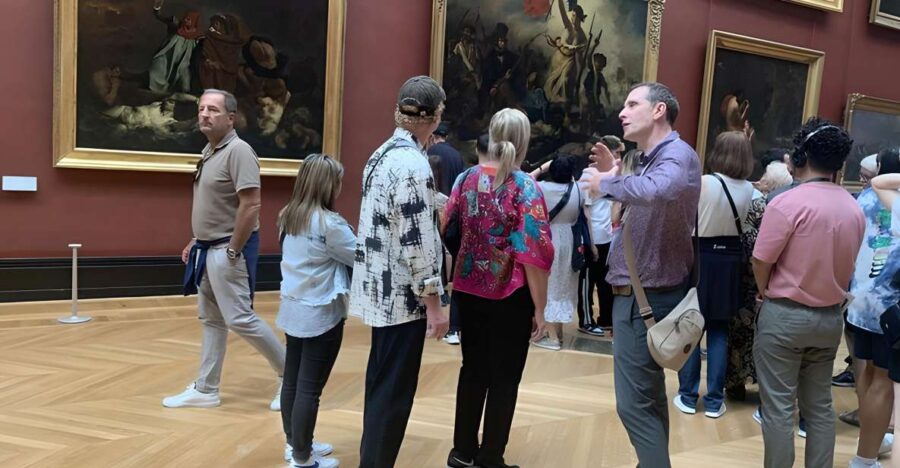
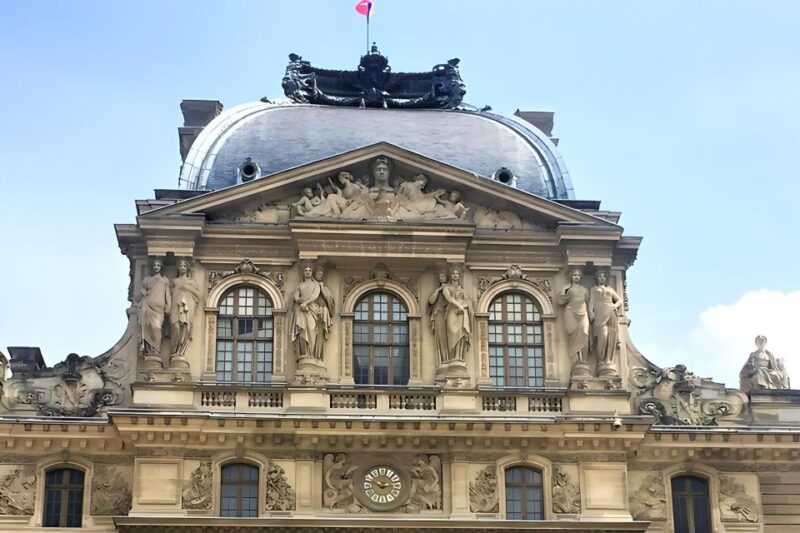
Over the centuries, the Louvre has undergone a remarkable architectural transformation, evolving from a 12th-century fortress to a grand royal palace and, ultimately, into one of the world’s most iconic art museums.
The Louvre’s origins can be traced back to a medieval castle built in 1190 by King Philip II. This fortified structure later served as a royal residence, with successive monarchs adding wings and renovating the building over the centuries.
By the 16th century, the Louvre had become a magnificent palace, reflecting the grandeur and power of the French monarchy.
Today, the Louvre’s diverse architectural styles seamlessly blend together, showcasing its rich history and making it a truly fascinating place to explore.
Ready for more culture? More museums we feature in Paris


Early History as a Fortress

The Louvre’s roots can be traced back to a 12th-century fortress built under the reign of King Philip II, marking the beginnings of the iconic museum’s rich architectural history.
Originally constructed as a defensive structure, the fortress served as a vital strategic location along the Seine River.
Over the centuries, the building evolved, with later monarchs adding residential quarters and other elements that transformed it into a royal palace.
This early history as a fortified structure laid the groundwork for the Louvre’s eventual transition into one of the world’s most renowned art museums, preserving the building’s unique architectural legacy within its renowned galleries and galleries.
Apartments of French Monarchs

As the Louvre evolved from a medieval fortress into a royal residence, successive French monarchs left their mark by constructing lavish apartments and private quarters within the palace.
King Francis I, who reigned in the 16th century, oversaw significant expansions and renovations that transformed the Louvre into a magnificent Renaissance-style palace, complete with ornately decorated bedchambers, salons, and other living spaces for the royal family.
Visitors can explore these meticulously preserved royal apartments, which offer a glimpse into the opulent lifestyles and tastes of France’s past rulers. The apartments showcase the Louvre’s transition from a defensive structure to a hub of power, culture, and luxury under the French monarchy.
Showcasing the Crown Jewels
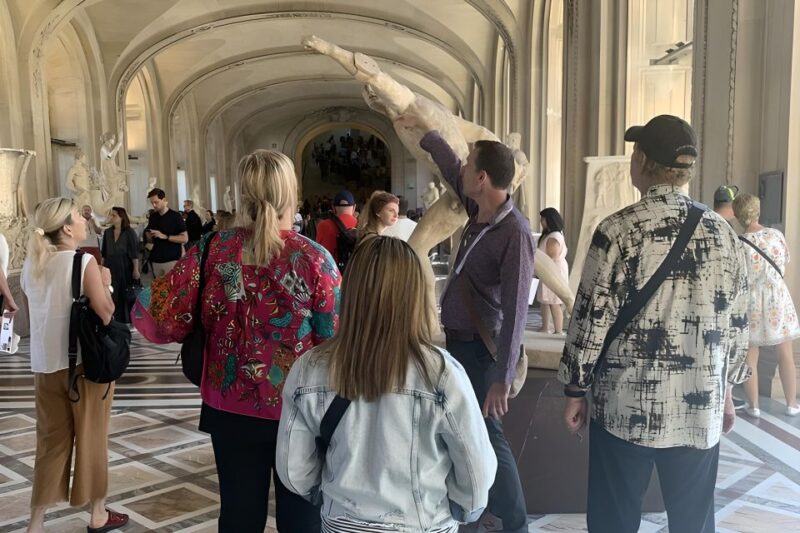
What truly captivates visitors to the Louvre’s Apollo Gallery is the breathtaking display of the French crown jewels, an unparalleled collection of priceless gemstones and precious metals that once adorned the heads and regalia of France’s monarchs.
Spanning centuries of royal history, the dazzling collection includes the breathtaking Regent Diamond, a 140-carat marvel that was once the largest known diamond in the world.
Visitors can also admire the magnificent Côte de Bretagne, a stunning emerald-and-diamond necklace, and the majestic Sapphire of Louis IX, a deep blue gemstone that exudes the grandeur of France’s royal past.
These captivating treasures offer a glimpse into the opulence and splendor of the French monarchy.
More Great Tours NearbyIconic Paintings and Sculptures
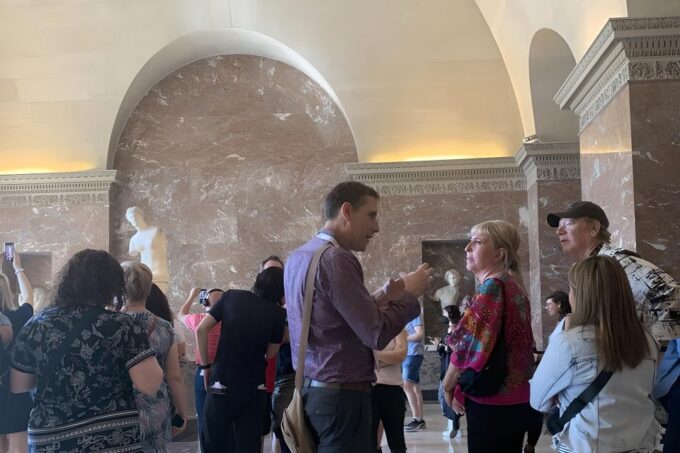
Stepping away from the dazzling crown jewels, visitors to the Louvre are captivated by the museum’s unparalleled collection of iconic paintings and sculptures that have cemented the Louvre’s status as one of the world’s premier art institutions.
Highlights include the enigmatic Mona Lisa, whose subtle smile has transfixed viewers for centuries, and the graceful Venus de Milo, whose missing arms only add to the statue’s allure.
Nearby, the Winged Victory of Samothrace soars overhead, its dramatic pose and flowing drapery showcasing the artistic mastery of its ancient Greek creators.
These masterpieces, along with countless other treasures, make the Louvre a must-visit destination for art lovers from around the world.


Skip the Ticket Line
To bypass the notoriously lengthy queues at the Louvre’s entrance, visitors can opt for a guided tour that provides priority access, enabling them to seamlessly enter the museum and commence their exploration without delay. This skip-the-line benefit is a game-changer, allowing tour participants to maximize their time and avoid the frustration of waiting in long lines. The tour guide handles all the logistics, ensuring a seamless experience from start to finish.
| Benefit | Description |
|---|---|
| Time-Saving | No waiting in long lines at the entrance |
| Stress-Free | Guides handle all the logistics, allowing visitors to relax and enjoy |
| Priority Access | Dedicated lanes for tour groups to enter quickly |
| Efficient Start | Dive right into exploring the museum’s iconic artworks |
| Flexibility | Tour can be customized to individual interests and needs |
Wheelchair Accessibility for All
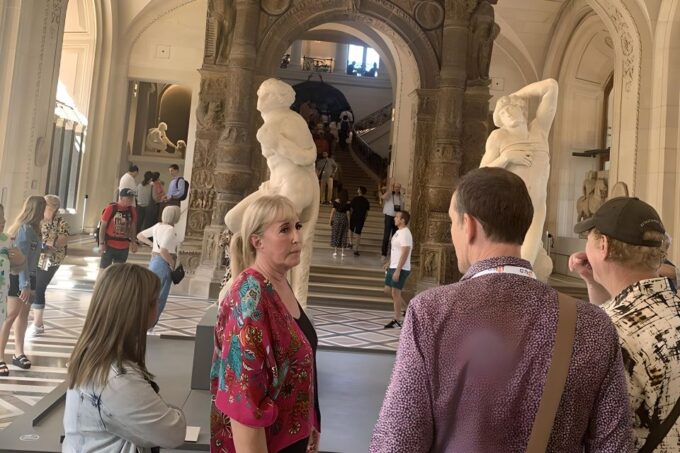
The Louvre tour’s wheelchair accessibility ensures an inclusive experience, allowing mobility-challenged visitors to fully enjoy the museum’s storied history and captivating artworks.
The tour route is meticulously planned to provide seamless navigation for wheelchair users, with ramps, elevators, and wide walkways ensuring smooth transitions between galleries. Trained staff are on hand to assist with any needs, ensuring a comfortable and hassle-free visit.
Plus, the tour’s small group size allows for personalized attention and flexibility, catering to the unique requirements of each participant.
Whether admiring the iconic Mona Lisa or exploring the stunning French crown jewels, the Louvre tour’s accessibility guarantees an unforgettable and inclusive cultural experience for all.
Flexible Cancellation Policy
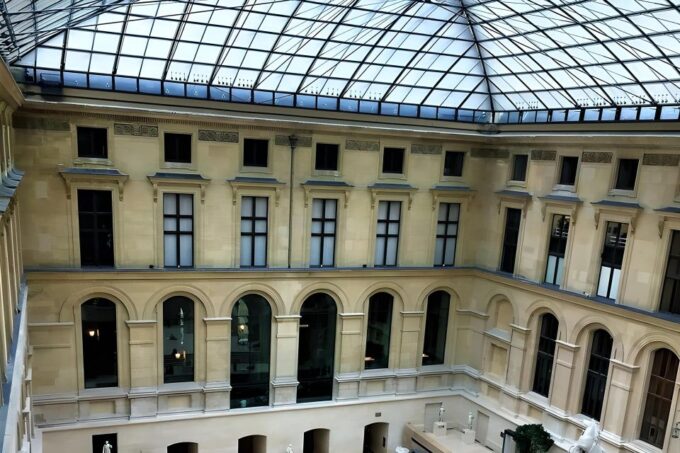
With a flexible cancellation policy, travelers can book their Louvre tour with confidence. The tour offers free cancellation up to 24 hours in advance, providing guests with the peace of mind to plan their visit without worry.
This accommodating policy ensures that unexpected changes in plans won’t disrupt the opportunity to experience the museum’s renowned artworks and rich history.
The tour’s flexible cancellation policy offers several benefits:
-
Stress-free planning: Guests can book their tour without the concern of losing their investment if their schedules change.
-
Last-minute adjustments: Unexpected events can be easily accommodated, allowing travelers to reschedule or cancel their tour as needed.
-
Hassle-free refunds: In the event of a cancellation, guests receive a full refund, making the process simple and straightforward.
-
Increased accessibility: The flexible policy opens up the Louvre experience to a wider range of travelers, regardless of their ability to commit to a firm schedule.
Frequently Asked Questions
What Is the Maximum Group Size for the Private Tour?
The private Louvre tour is limited to a maximum group size of 6 people. This small group size allows for a more personalized and immersive experience exploring the museum’s renowned artworks and rich history.
Is the Tour Guide Fluent in Multiple Languages?
The private Louvre tour is led by a live guide who is fluent in multiple languages, allowing the small group of 2-6 participants to fully engage and understand the museum’s rich history and renowned artwork.
Are Audio Guides Available for the Tour?
The private Louvre tour does not provide audio guides. Instead, it offers a live tour guide who leads the small group of up to 6 people through the museum’s highlights, providing engaging commentary and insights throughout the 3-hour experience.
Can Visitors Take Photos of the Artworks?
Visitors can generally take photos of the artworks during the private Louvre tour, though flash photography is typically prohibited to protect the delicate paintings and sculptures. Photography rules may vary, so it’s best to check with the tour guide before taking any photos.
Is There a Dress Code for the Tour?
There is no strict dress code for the Louvre tour. Visitors should wear comfortable, weather-appropriate clothing and closed-toe shoes. The tour is suitable for most guests, though the museum can be crowded and walking is required.
Insider Louvre: From a Royal Palace to a Museum
Recap
The Louvre has evolved from a 12th-century fortress to a world-renowned art museum, showcasing the grandeur of French history.
Visitors can explore iconic paintings, sculptures, and the captivating crown jewels, all while navigating the museum’s accessibility features and flexible policies.
Whether you’re an art enthusiast or a history buff, the Louvre offers a glimpse into France’s opulent past and its enduring cultural significance.
You can check availability for your dates here:


