Exploring the enchanting world of Japanese traditional omamori, or protective amulets, offers a captivating cultural experience. At studios like Shiomi Ryugusha, visitors can enjoy the intricate craft, guided by skilled instructors. Choosing from an array of vibrant colors and symbolic motifs, participants forge a personal connection as they carefully craft their own omamori. This hands-on journey culminates in a blessing ritual, imbuing the talisman with spiritual energy and intention. What secrets do these cherished Japanese icons hold?
Key Points
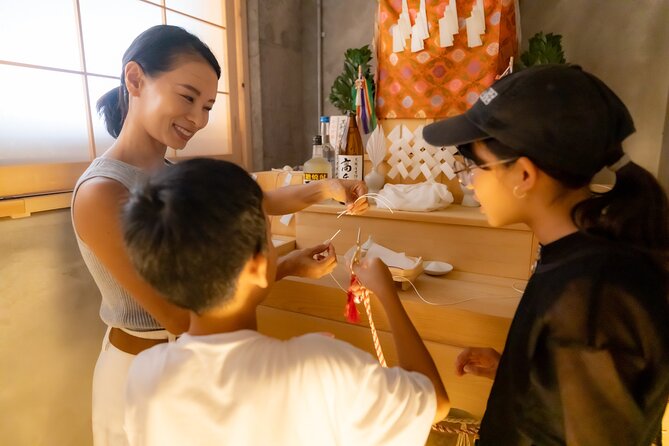
- Participate in a hands-on omamori creation process led by a skilled instructor at the Shiomi Ryugusha studio in Japan.
- Personalize your omamori by selecting colors and motifs that hold symbolic significance in Japanese spiritual traditions.
- Focus on intricate details during the creation process to infuse your personal wishes and energy into the amulet.
- Conclude the experience with a blessing ritual to enhance the protective power of the handcrafted omamori.
- Properly care for your omamori by storing it in a clean, dry place and avoiding excessive handling to maintain its effectiveness.

👉 Check out our guide to the 2 Best Craft Beer Tours And Tastings In Tokyo
Contents
- Key Points
- What Is Omamori?
- The History of Omamori
- Omamori Materials and Symbolism
- The Omamori Making Process
- Customizing Your Omamori
- Caring for Your Omamori
- The Benefits of Owning an Omamori
- Omamori in Contemporary Japanese Culture
- Frequently Asked Questions
- Can I Take the Omamori Back Home With Me?
- What Are the Age Requirements for This Experience?
- Is There a Dress Code for the Activity?
- Can I Personalize the Omamori With My Own Design?
- How Long Does the Omamori Making Activity Typically Last?
- The Sum Up
- Our Top Picks in Tokyo
- More Tour Reviews in Tokyo
- Not for you? Here's more things to do in Tokyo we have recnetly reviewed
What Is Omamori?
Omamori are Japanese amulets or talismans believed to provide various forms of luck, protection, or blessing.
They’re typically small, ornamental pouches containing a written prayer or charm. Omamori are available at Shinto shrines and Buddhist temples, and each type is associated with a specific purpose, such as academic success, business prosperity, or safe travel.
They’re often given as gifts and carried with the owner to provide spiritual protection and guidance.
Omamori are an integral part of Japanese culture, reflecting the country’s rich spiritual traditions and beliefs.
You can also read our reviews of more tours and experiences in Tokyo.



The History of Omamori
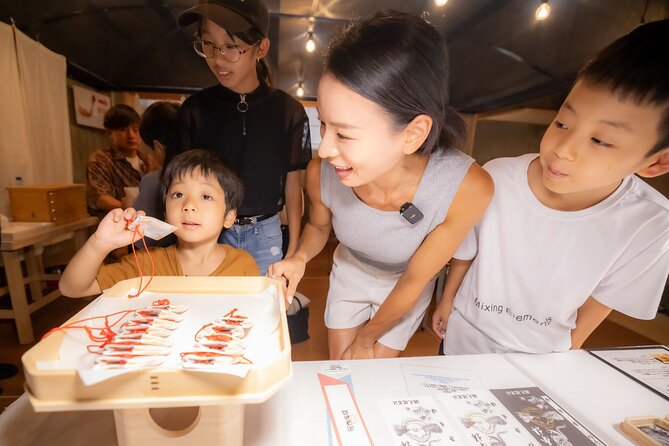
The origins of omamori can be traced back to ancient Japanese spiritual practices, where protective amulets and talismans played a significant role in the daily lives of the people.
These charms, often inscribed with prayers or sacred symbols, were believed to provide divine protection, ward off evil spirits, and bring good fortune.
Over time, the production and distribution of omamori became closely associated with Shinto shrines and Buddhist temples, solidifying their cultural significance and widespread popularity.
Today, omamori remain an integral part of Japanese traditions, offering both spiritual and practical benefits to those who carry them.
Omamori Materials and Symbolism
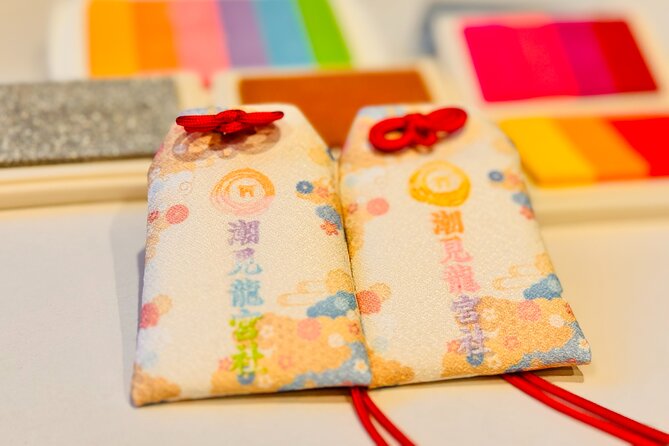
While the materials and designs of omamori can vary widely, they typically incorporate elements that hold deep symbolic meaning within Japanese culture.
Common materials include colorful silk, paper, and wood, each evoking auspicious associations. For instance, red silk symbolizes good luck and prosperity, while white paper represents purity.
The intricate knots and patterns adorning omamori also carry symbolic significance, such as the infinity knot for long life.
Ultimately, the personalized nature of omamori imbues them with the power to protect, bless, and bring good fortune to the holder, making them cherished talismans in Japanese traditions.
The Omamori Making Process
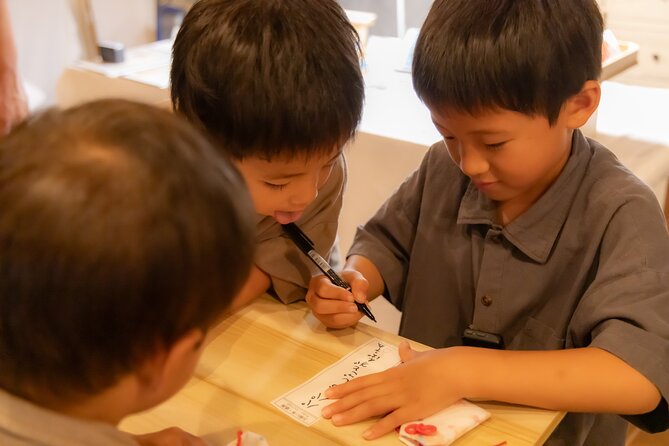
As participants arrive at the Shiomi Ryugusha studio, they’re greeted by the warm, welcoming atmosphere and the sight of intricate omamori materials.
The instructor guides them through the traditional process, explaining the significance of each step. Participants carefully select their desired colors and motifs, then meticulously cut, fold, and assemble the omamori.
The focus and attention to detail are paramount, as they infuse their personal wishes and energy into the creation.
Finally, the instructor performs a blessing ritual, completing the meaningful experience. Participants leave with a unique, handcrafted omamori, imbued with their own aspirations.
Customizing Your Omamori
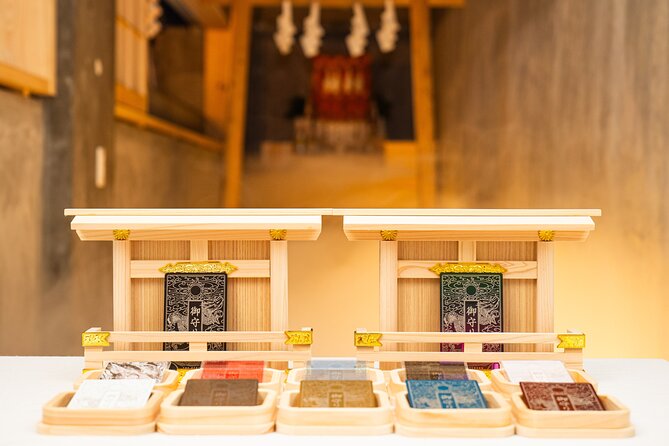
Participants have the opportunity to truly personalize their omamori creations. After learning the traditional techniques, they can select from a variety of customization options, including:
- Choosing auspicious symbols or motifs to incorporate into the design
- Selecting vibrant threads and fabrics to reflect personal preferences
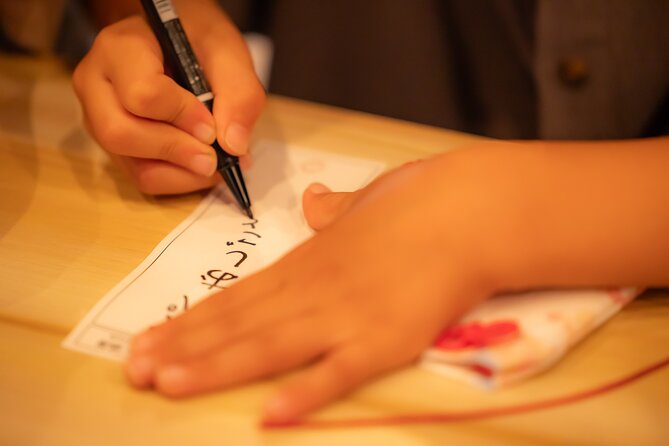
- Incorporating written wishes or prayers for protection, luck, or other blessings
This customization process allows each participant to imbue their omamori with unique meaning and intention, making the experience even more meaningful and special.
The final, personalized omamori serves as a cherished memento of the traditional Japanese cultural experience.






Caring for Your Omamori
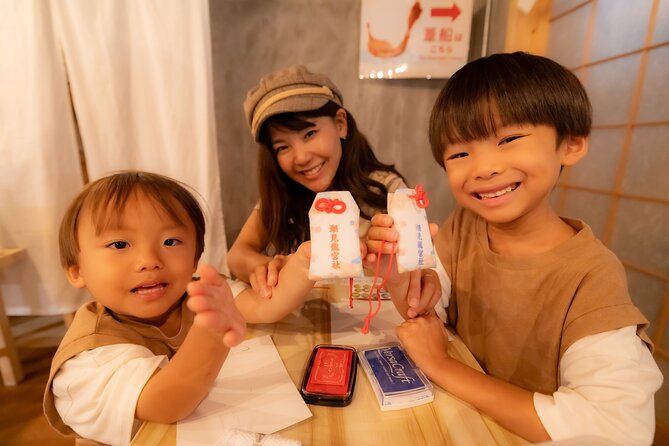
Caring for one’s personalized omamori is crucial to maintaining its protective powers and spiritual significance.
Proper storage is key – keep the omamori in a clean, dry place, away from direct sunlight. Avoid getting it wet, as this can diminish its effectiveness.
Regularly clean the omamori by gently wiping it with a soft cloth. Avoid handling it excessively, as this can wear down the materials.
Replace the omamori after a period of time, as recommended by the maker. Treat the omamori with reverence, as it holds deep cultural and personal meaning.
Caring for it ensures its continued potency.
The Benefits of Owning an Omamori

Owning an omamori, a traditional Japanese amulet, offers a wealth of benefits.
These sacred charms are believed to provide protection, good luck, and personal blessings.
Some key advantages of owning an omamori include:
-
Spiritual Guidance: Omamori are imbued with spiritual energy and can serve as a source of guidance and support in one’s life.
-
Personalized Protection: Different types of omamori cater to specific needs, such as academic success, safe travel, or health and wellness.
-
Meaningful Keepsake: Owning an omamori can be a profound and personal experience, serving as a cherished memento of one’s spiritual journey.
Omamori in Contemporary Japanese Culture
Though deeply rooted in Japan’s spiritual traditions, omamori continue to maintain a prominent presence in contemporary Japanese culture.
These compact amulets are ubiquitous, found at shrines, temples, and even some secular establishments. Individuals often acquire omamori to seek protection, good fortune, or other specific blessings.
Beyond their practical purposes, omamori have also become fashionable accessories, with creative designs catering to modern tastes.
The enduring popularity of omamori reflects their ability to adapt to the changing needs and lifestyles of the Japanese people, ensuring their continued relevance in the twenty-first century.
Frequently Asked Questions
Can I Take the Omamori Back Home With Me?
Yes, you can take the omamori (amulet) you make during the experience back home with you. The experience includes the omamori as part of the activity, so you’ll be able to keep your handmade creation.
What Are the Age Requirements for This Experience?
The experience doesn’t have any age requirements. It’s suitable for most travelers, regardless of age. Children are welcome to participate, but they may need assistance from an adult.
Is There a Dress Code for the Activity?
There’s no specific dress code for this activity. Participants can wear comfortable clothing and shoes, as they’ll be working with their hands to create the omamori amulets. The focus is on the creative experience, not formal attire.
Can I Personalize the Omamori With My Own Design?
Unfortunately, participants can’t personalize the omamori with their own design. The experience focuses on learning the traditional omamori-making techniques, and the final amulet will feature the standard design. Customization options aren’t available for this activity.
How Long Does the Omamori Making Activity Typically Last?
The omamori making activity typically lasts around 1-2 hours. During this time, you will learn the traditional techniques and have the opportunity to personalize their own omamori amulet.
Japanese Traditional Omamori Making Experience
The Sum Up
The omamori making experience in Japan offers a unique opportunity to take in traditional craftsmanship and spirituality. Participants can create personalized amulets, imbued with their own wishes and intentions, to carry as cherished talismans. This hands-on process allows for a deeper connection to Japanese culture and the enduring significance of these protective charms in contemporary society.