
If you’re dreaming of standing atop one of Nepal’s highest trekking peaks, a guided climb of Mera Peak offers an incredible combination of adventure, scenery, and culture. While this isn’t a casual trek, the 14-day expedition designed by Trek and Adventure Nepal Pvt. Ltd aims to balance challenge with preparation, making it accessible for those with a reasonable level of fitness and a desire for authentic Himalayan experiences.
What we really appreciate about this trip are two things: the spectacular panoramas of Everest, Lhotse, Makalu, and Kanchenjunga you’ll see from the summit, and the chance to trek through quiet Sherpa villages away from the crowds. The only consideration? The trip demands good physical condition and some acclimatization, as it involves high-altitude climbing. But overall, this tour suits anyone eager to combine a challenging climb with cultural discovery — particularly first-timers with some mountain experience, or seasoned trekkers craving something different.
Key Points
- Stunning Views: Expect breathtaking vistas of some of Nepal’s highest peaks from the summit.
- Gradual Ascent: The itinerary emphasizes acclimatization, reducing altitude sickness risk.
- Authentic Villages: Trek through remote Sherpa communities that few travelers visit.
- Pre-Climb Training: Includes practical instruction to boost your confidence and skills.
- Small Group Experience: Limited to just 6 participants, ensuring personalized guidance.
- Best Seasons: Spring (March-May) and autumn (September-November) offer the most stable, clear weather.
Contents
- Key Points
- An In-Depth Look at the Mera Peak Climbing Experience
- Starting in Kathmandu, then heading to Salleri
- Trekking through forests and river valleys
- Acclimatization at Kothe and Thaknak
- Pre-climb training at Khare
- The highlight: the summit attempt
- Returning along scenic routes
- The Value of a Guided Mera Peak Climb
- Best Season for Climbing
- What to Pack and Prepare
- Accessibility and Suitability
- Final Thoughts: Is This Tour Right for You?
- FAQs
- The Sum Up
An In-Depth Look at the Mera Peak Climbing Experience
Starting in Kathmandu, then heading to Salleri
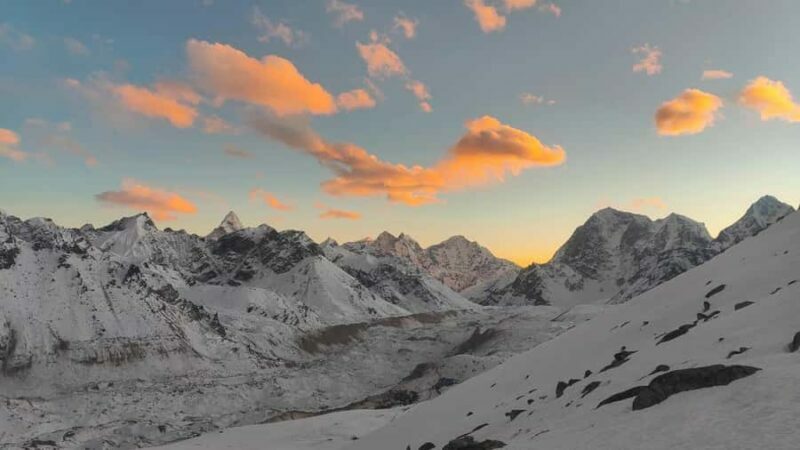
The journey begins with a scenic drive from Kathmandu to Salleri, which immediately sets a tone of quiet adventure. Unlike busier approaches, this route through the Koshi Zone affords views of lush landscapes and small villages. Once in Salleri, the real trek begins, passing through remote Sherpa villages like Kharikhola, Panggom, and Ningsow. These stops aren’t just scenic—they’re culturally rich, giving a glimpse of daily life in the Solu and Hinku Valleys. As one reviewer noted, trekking this less-traveled route means fewer crowds and a more authentic Himalayan experience.
Trekking through forests and river valleys
As you ascend, you’ll encounter dense rhododendron forests—in spring, these are a riot of color—and the trail follows rushing rivers and small bridges. The gradual climb over several days allows your body to adjust, which is crucial at these high elevations. Expect to trek around five to six hours each day, with scenic stops emphasizing the natural beauty and serenity of this part of Nepal.
Acclimatization at Kothe and Thaknak
Reaching Kothe (about 3,691m) and Thaknak (around 4,358m) marks important points for acclimatization. This stage prepares your body for the higher elevations ahead. “The team really emphasizes gradual ascent, which I appreciated,” one participant said, highlighting the importance of smart pace and rest.
More Great Tours NearbyPre-climb training at Khare
The day at Khare (5,045m) is a vital part of the experience. Here, you’ll receive training on glacier travel, crampon use, and rope techniques—skills that boost confidence and safety for the summit push. This is a practical addition, especially for first-time high-altitude climbers, and helps reduce risks associated with high mountain ascents.
The highlight: the summit attempt
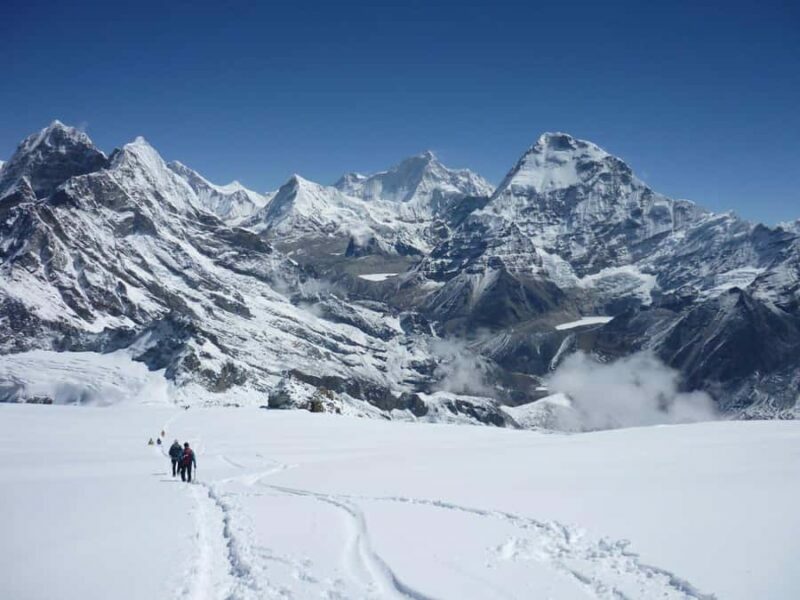
From Khare, you’ll trek to High Camp (5,780m), where the real challenge begins. The early start on summit day—an often cold, clear morning—sets the stage for a demanding but rewarding climb. Reaching the summit (6,476m) offers panoramic views of Everest, Lhotse, Makalu, Cho Oyu, and Kanchenjunga, a sight that is unforgettable. One review captures it well: “The views from the top are simply stunning; you feel like you are on top of the world.”
Returning along scenic routes
After conquering the peak, the descent retraces your steps through familiar villages and valleys, passing through Thuli Kharka and Kharikhola before returning to Salleri. The final drive back to Kathmandu completes a journey that combines physical challenge with cultural richness.
The Value of a Guided Mera Peak Climb
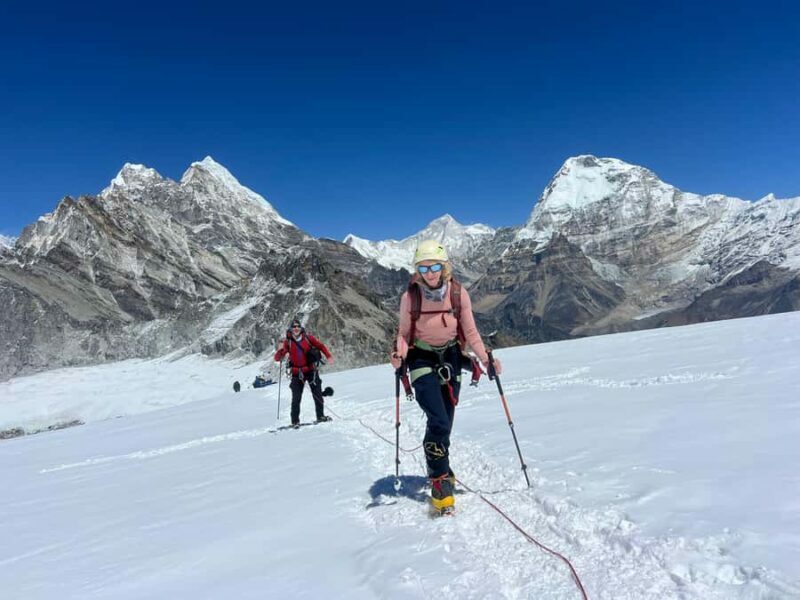
While the price tag might seem steep, the guided aspect offers significant value. Having a professional guide ensures safety, local expertise, and troubleshooting if weather or altitude issues arise. The inclusion of pre-climb training and acclimatization days minimizes risk and enhances your chances of success.
Most reviews praise the small group size—limited to 6 participants—which fosters a more personalized experience. This intimacy also allows your guide to tailor support to individual needs, making sure everyone is comfortable and prepared for summit day.
Best Season for Climbing
Spring (March-May) is generally considered the best time, thanks to stable weather, warmer temperatures, and blooming forests. The clear skies also mean unbeatable mountain views. Autumn (September-November) remains popular with dry trails and excellent visibility, especially after the monsoon rains. Both seasons provide good conditions for first-timers and seasoned climbers alike.
What to Pack and Prepare
Expect to bring warm clothing, sunglasses, hiking shoes, thermal layers, and a first aid kit. The expedition involves high-altitude terrain, so good gear is essential. Also, travel insurance is a must, given the remote locations and potential risks. The tour’s staff advise against smoking, alcohol, and drugs, which is standard for high-altitude climbs.
Accessibility and Suitability
This trip isn’t suitable for everyone—people with mobility issues, heart or respiratory problems, recent surgeries, or altitude sickness history should consider other options. The physical demands are real, but with proper preparation, many participants find it a gratifying challenge.
Final Thoughts: Is This Tour Right for You?
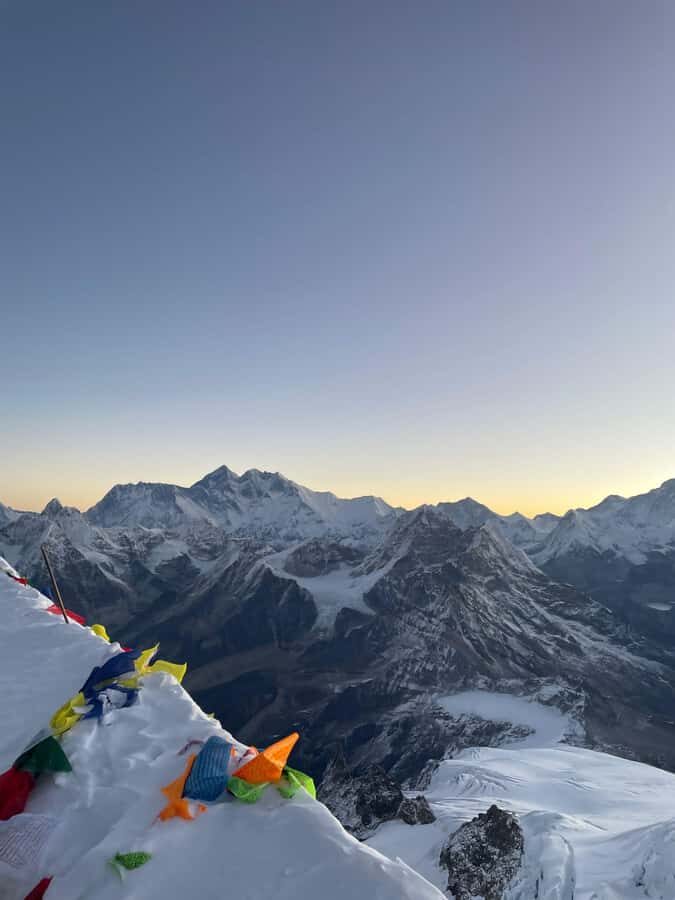
This guided Mera Peak expedition offers solid value for those looking to push themselves physically while soaking in some of Nepal’s most breathtaking scenery and authentic villages. The emphasis on acclimatization, safety, and personalized guidance makes it suitable for first-timers with some trekking experience, or seasoned trekkers who want a new challenge. The panoramic views from the summit are the kind of reward that sticks with you—the kind that makes the effort worthwhile.
If you’re craving a mountain adventure that’s a step above the usual trek, offers culture, and is led by experienced guides, this expedition earns its high praise. Be prepared for cold mornings, steep climbs, and long days, but know that your effort will be rewarded with memories and views few will ever forget.
FAQs
What is the best season to climb Mera Peak? The best seasons are spring (March-May) and autumn (September-November), when weather conditions are most stable, and visibility is excellent. Spring offers warmer temperatures and blooming forests, while autumn provides crisp air and clear mountain views.
How physically demanding is this tour? The expedition involves several days of trekking and climbing at high altitudes, with some days reaching nearly 6,500 meters. Participants should be in good health, with a reasonable level of fitness, and prepared for the altitude.
Are there pre-climb training sessions? Yes, you’ll receive guidance on glacier travel, crampon use, and rope techniques at Khare. These sessions help build confidence and ensure safety during the summit attempt.
Is the small group size an advantage? Absolutely. Limited to six participants, the small group setting allows for personalized attention, more flexible pacing, and a stronger team atmosphere.
What gear should I bring? Essential items include warm clothing, thermal layers, hiking shoes, sunglasses, a daypack, insect repellent, and a first aid kit. Good gear is vital for comfort and safety at high elevations.
Can beginners do this climb? While some trekking experience is helpful, this expedition is designed with acclimatization and training to support first-time high-altitude climbers. However, it’s not suitable for those with significant mobility or health issues.
What about altitude sickness? The itinerary emphasizes gradual acclimatization, but altitude sickness can still occur. Participants should be aware of symptoms and follow guides’ advice for safety.
Is insurance necessary? Yes, comprehensive travel insurance covering high-altitude trekking and emergency evacuation is strongly recommended.
Kathmandu: Mera Peak Climbing Expedition with Guide
The Sum Up
This 14-day guided Mera Peak climb strikes a fine balance between adventure and safety, offering extraordinary Himalayan scenery, authentic Sherpa villages, and the thrill of summiting one of Nepal’s highest peaks. The emphasis on acclimatization, expert guidance, and small group size ensures a memorable and manageable experience for those ready to challenge themselves.
Whether you’re a seasoned trekker looking to add a high-altitude summit to your list or a curious adventurer eager to step beyond typical trails, this expedition provides an excellent platform. The views from the summit are unmatched, and the cultural encounters add depth to the journey. It’s a climb that promises stories for a lifetime, with the right preparation and spirit.
If you’re craving a genuine mountain adventure with professional support, engaging scenery, and the chance to stand atop a jaw-dropping peak, this tour deserves serious consideration. Just pack your patience, your warm layers, and your sense of adventure—your Himalayan story awaits.
You can check availability for your dates here: