
Kyoto, the cultural heart of Japan, beckons visitors to enjoy the rich spiritual heritage that defines the city. This guided tour explores two of its most iconic landmarks – the vermilion-clad Fushimi Inari-taisha Shrine and the majestic Kiyomizu-dera Temple. Delving into the interplay between Shintoism and Buddhism, the journey unravels the layers of Kyoto’s profound cultural traditions. From the symbolic significance of the torii gates to the breathtaking views from Kiyomizu-dera’s expansive veranda, this experience offers an essential glimpse into the soul of this timeless destination.
Key Points
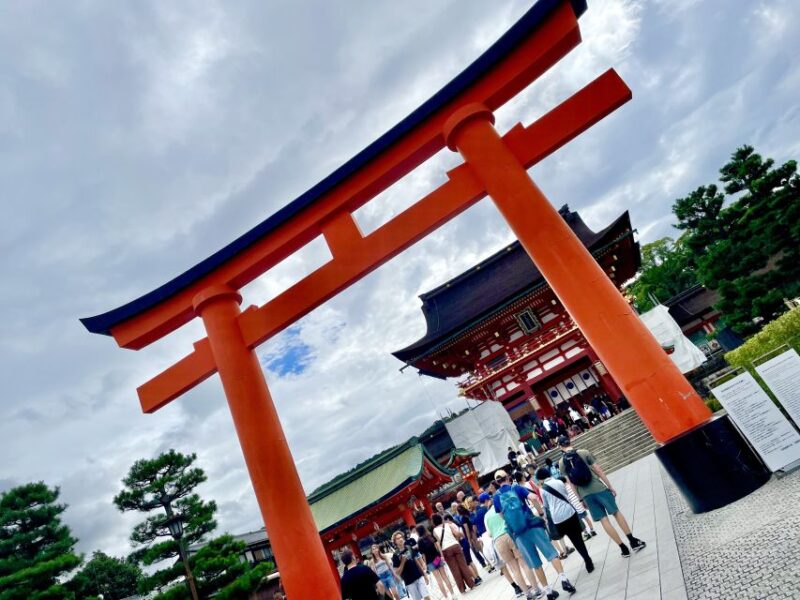
- This 7-hour guided tour explores the sacred sites of Fushimi Inari-taisha Shrine and Kiyomizu-dera Temple, providing an essential experience to discover Kyoto’s spiritual heritage.
- The tour includes a visit to the iconic Fushimi Inari-taisha with its thousands of vibrant vermilion torii gates, and a lunch break in the charming Pontocho district.
- Otani Hombyo Temple and Otani Cemetery offer an opportunity to gain insight into Kyoto’s influential Pure Land Buddhist lineages and appreciate the city’s spiritual legacy.
- The tour culminates with a visit to the renowned Kiyomizu-dera Temple, renowned for its magnificent wooden structure and breathtaking views of Kyoto.
- The tour also includes a stop at Sannenzaka, a historic cobblestone lane with well-preserved traditional machiya townhouses, providing a glimpse into Kyoto’s past.

👉 Check out our guide to the 5 Best Cruises And Boat Tours In Kyoto
Contents
- Key Points
- Tour Overview
- Itinerary
- Fushimi Inari-taisha Shrine
- Pontocho Lunch Break
- Otani Hombyo Temple and Cemetery
- Kiyomizu-dera Temple
- Sannenzaka
- Important Information
- Frequently Asked Questions
- What Is the Best Time of Day to Visit Fushimi Inari-Taisha Shrine?
- Are There Any Special Events or Festivals Held at These Sites?
- Can I Take Photos Inside Kiyomizu-Dera Temple?
- Are There Any Restaurants or Shops in the Vicinity of the Temples?
- What Is the Dress Code for Visiting These Sacred Sites?
- Recap
- Our Top Picks in Kyoto
- More Guided Tours in Kyoto
- More Tour Reviews in Kyoto
- Not for you? Here's more things to do in Kyoto we have recnetly reviewed
Tour Overview
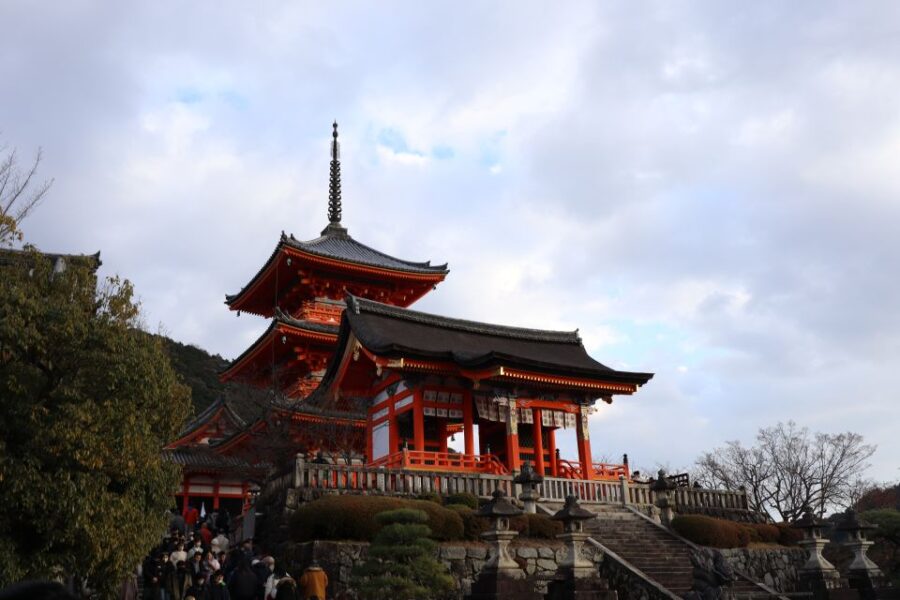
This guided tour offers visitors a 7-hour exploration of two of Kyoto’s most sacred sites – Fushimi Inari-taisha Shrine and Kiyomizu-dera Temple.
It’s an essential experience for anyone seeking to discover the heart of Kyoto’s spiritual heritage.
At Fushimi Inari-taisha, you’ll be amazed by the thousands of iconic torii gates winding up the mountain.
Then, you’ll visit the majestic Kiyomizu-dera, taking in its stunning architecture and panoramic views.
Throughout the tour, you’ll learn about the interplay between Shintoism and Buddhism that shaped these iconic landmarks.
With a knowledgeable guide by your side, you’ll come away with a deeper appreciation for Kyoto’s rich cultural and religious traditions.
Loving the local insights? Here are more guided experiences we recommend in Kyoto


Itinerary
The tour begins at Fushimi-Inari Station, where visitors will explore the expansive Fushimi Inari-taisha Shrine for approximately 3.5 hours. After the shrine, the group will take the train to Pontocho for a lunch break. Next, they’ll visit Otani Hombyo Temple and Otani Cemetery for 1.15 hours. The tour then moves on to the iconic Kiyomizu-dera Temple, spending 1.5 hours admiring its majesty. Finally, the group will visit Sannenzaka for 0.5 hours before ending the tour at 1-chōme-286-1 Kiyomizu, Higashiyama Ward, Kyoto.
| Location | Duration |
|---|---|
| Fushimi Inari-taisha Shrine | 3.5 hours |
| Lunch Break in Pontocho | 1 hour |
| Otani Hombyo Temple and Otani Cemetery | 1.15 hours |
| Kiyomizu-dera Temple | 1.5 hours |
Fushimi Inari-taisha Shrine
Fushimi Inari-taisha Shrine
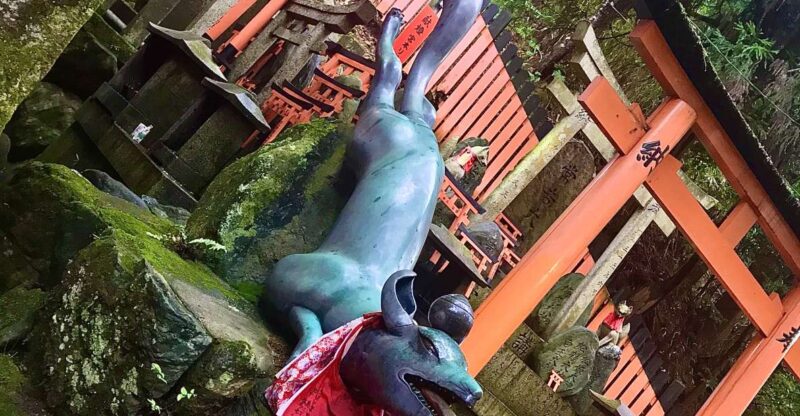
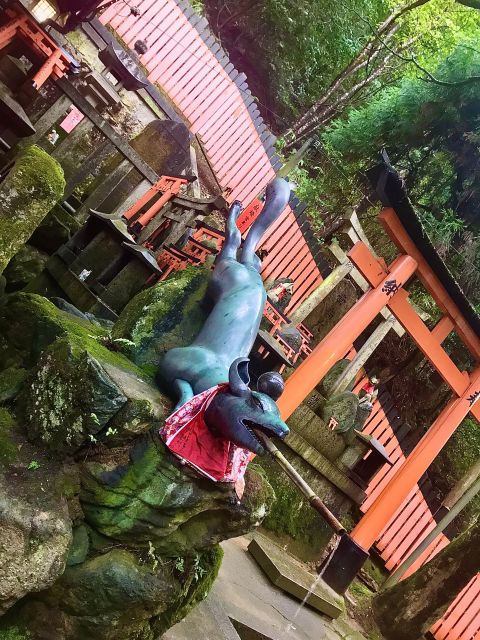
Thousands of vibrant vermilion torii gates wind their way up the forested slopes of Mount Inari, forming the iconic pathway that leads visitors through the revered Fushimi Inari-taisha Shrine.
This Shinto shrine is dedicated to Inari, the god of rice, fertility, and prosperity. Pilgrims ascend the winding trails, passing through the sea of torii gates, to reach the main shrines at the summit.
Along the route, smaller sub-shrines and tranquil forested areas offer moments of solace and reflection. The Fushimi Inari-taisha Shrine is one of Kyoto’s most popular and photographed attractions, drawing visitors from around the world to experience its spiritual energy and iconic scenery.
Kiyomizu-dera
Pontocho Lunch Break
After exploring the spiritual and iconic Fushimi Inari-taisha Shrine, visitors can take a break for lunch in the charming Pontocho district.
This narrow alleyway along the Kamogawa River offers a variety of traditional Japanese restaurants and teahouses.
Some highlights of the Pontocho lunch break include:
- Savoring authentic Kyoto-style cuisine, such as kaiseki ryori, at one of the tucked-away eateries.
- Experiencing the tranquility of a traditional Japanese teahouse, sipping matcha tea and enjoying seasonal sweets.
- Strolling along the atmospheric narrow streets, taking in the historic architecture and lively atmosphere.
This lunch break allows visitors to recharge before continuing their journey to the magnificent Kiyomizu-dera Temple.
More Great Tours NearbyOtani Hombyo Temple and Cemetery
Visiting the Otani Hombyo Temple and Cemetery provides insight into Kyoto’s influential Buddhist lineages. This small temple and gravesite honor the Otani branch of Pure Land Buddhism, which was founded by Shinran Shonin, a prominent Buddhist teacher.
Travelers will find the temple’s understated architecture and serene atmosphere a refreshing contrast to the vibrant crowds at Fushimi Inari-taisha. The cemetery is the final resting place of successive Otani sect leaders, their graves marked by simple yet elegant tombstones.
This part of the tour offers a contemplative moment to appreciate Kyoto’s rich spiritual heritage before continuing on to the grandeur of Kiyomizu-dera Temple.


Kiyomizu-dera Temple
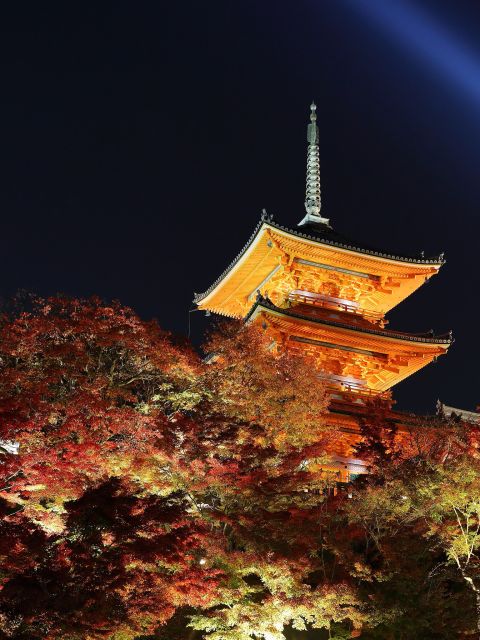
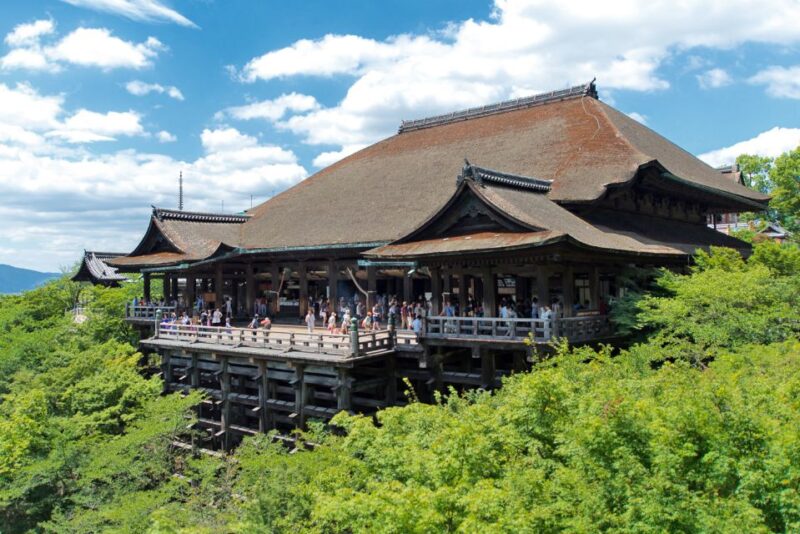
Kiyomizu-dera Temple stands as one of Kyoto’s most iconic landmarks, drawing visitors from around the world to marvel at its magnificent wooden structure perched atop a lush hillside.
The temple is renowned for its expansive veranda, which offers breathtaking views of the city below.
Visitors can also try their luck at the famous ‘Jishu Shrine‘, where they must navigate a path with their eyes closed to find love.
Plus, the temple is home to the Otowa Waterfall, whose three streams are said to grant longevity, success, and love.
With its rich history and stunning architecture, Kiyomizu-dera remains a must-visit destination for anyone exploring the cultural heart of Japan.
Sannenzaka
From Kiyomizu-dera Temple, one descends down Sannenzaka, a historic cobblestone lane lined with traditional machiya townhouses and charming shops.
This picturesque street offers a glimpse into Kyoto’s past, with its well-preserved architecture and atmospheric ambiance. Visitors can stroll along the gentle slope, browsing local crafts, ceramics, and delicacies at the quaint storefronts.
Sannenzaka’s name literally translates to ‘Three-Year Slope,’ referring to the arduous journey pilgrims once undertook to reach Kiyomizu-dera.
Today, it serves as a delightful finale to the tour, allowing travelers to soak in the essence of historic Kyoto before concluding their visit. The tranquil pace and historic charm of Sannenzaka provide a fitting end to this immersive cultural experience.
Important Information
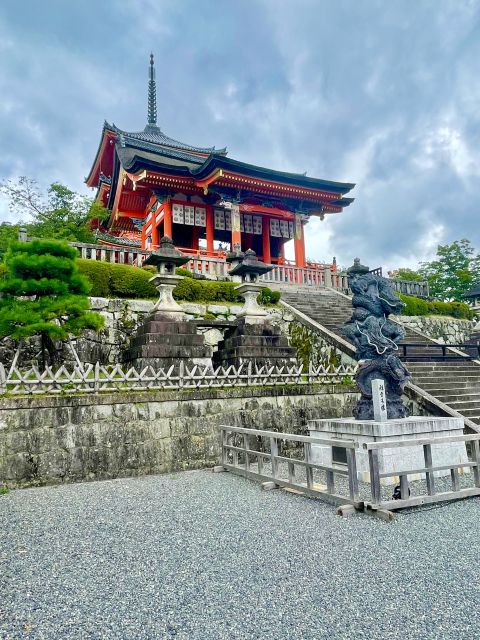
Moderate physical effort is required for this tour, including climbing trails and stairs at Fushimi Inari-taisha. It’s not suitable for people with mobility impairments, so comfortable shoes and clothes are recommended.
The tour involves a significant amount of walking and climbing, which may be challenging for some participants.
Visitors should wear sturdy, comfortable shoes and dress appropriately for the weather and terrain.
Those with limited mobility or other physical limitations may find parts of the tour inaccessible and should consider whether this tour is suitable for their needs.
Frequently Asked Questions
What Is the Best Time of Day to Visit Fushimi Inari-Taisha Shrine?
The best time to visit Fushimi Inari-taisha Shrine is early morning or late afternoon. Crowds are smaller during these times, allowing visitors to explore the iconic torii gates at a more leisurely pace.
Are There Any Special Events or Festivals Held at These Sites?
Fushimi Inari-taisha and Kiyomizu-dera host several annual festivals and events. Fushimi Inari-taisha’s most famous is the Setsubun Festival in February, while Kiyomizu-dera’s main event is the Daimonji Gozan Okuribi fire festival in August.
Can I Take Photos Inside Kiyomizu-Dera Temple?
Yes, visitors can take photos inside Kiyomizu-dera Temple. However, flash photography is generally not permitted to preserve the temple’s atmosphere. Visitors should be respectful and follow any posted rules or instructions from staff when taking photographs.
Are There Any Restaurants or Shops in the Vicinity of the Temples?
There are many restaurants and shops located near Fushimi Inari-taisha Shrine and Kiyomizu-dera Temple in Kyoto. Visitors can find a variety of dining options and local souvenirs in the surrounding Pontocho and Sannenzaka districts after visiting the temples.
What Is the Dress Code for Visiting These Sacred Sites?
When visiting sacred sites in Japan, visitors should dress conservatively. Loose, modest clothing that covers the shoulders and knees is recommended. Comfortable, slip-on shoes are best for navigating the temples and shrine grounds.
Kyoto: Fushimi Inari-taisha and Kiyomizu-dera (English Guide)
“Miriam muy simpática, muy buena persona. Pero decidimos no concluir el tour. Sentimos que no sabia casi nada de la historia, no parecia un tour, p…”
Recap
This guided tour offers visitors a unique opportunity to enjoy Kyoto’s rich spiritual heritage.
Exploring the iconic Fushimi Inari-taisha Shrine and the majestic Kiyomizu-dera Temple provides an in-depth understanding of the interplay between Shintoism and Buddhism, which are central to Kyoto’s cultural traditions.
The tour ensures an essential experience for discovering the city’s profound religious and historical significance.
You can check availability for your dates here:


