
Enjoy the vibrant traditions of Rajasthan, India, and learn the art of Pichwai painting. These sacred artworks, inspired by the life of Krishna, captivate with their intricate designs and rich symbolism. Skilled artisans guide you through the process, from selecting handmade paper to applying natural pigments. Uncover the significance of motifs and colors as you develop your artistic skills in a supportive environment. Explore the rich cultural heritage and gain insight into the preservation of this timeless tradition. Discover the beauty and depth of Pichwai painting, where every stroke tells a story.
Good To Know
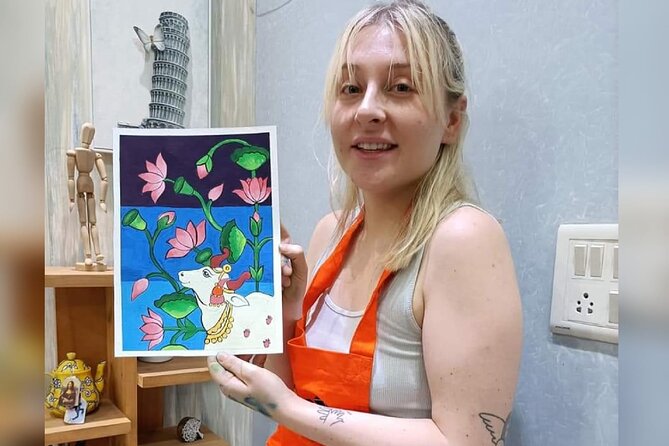
- Understand the traditional materials and techniques used in Pichwai painting, including handmade paper, natural pigments, and intricate brushwork.
- Master the step-by-step process of Pichwai painting, starting with sketching designs, applying vibrant colors, and adding gold or silver borders.
- Familiarize yourself with the common Pichwai motifs, such as Krishna, Radha, peacocks, and floral patterns, and their symbolic meanings.
- Explore the significance of the Pichwai color palette and how the colors convey deeper spiritual narratives related to Krishna’s life.
- Participate in hands-on Pichwai painting workshops or classes to gain practical experience and learn from skilled artisans.

👉 Check out our guide to the 20 Best 2 Day Tours In Jaipur
Contents
- Good To Know
- What Is Pichwai Painting?
- History and Significance
- Materials and Techniques
- Step-by-Step Pichwai Painting
- Pichwai Painting Motifs
- Color Palette and Symbolism
- Preserving the Art Form
- Experiencing Pichwai Painting
- Frequently Asked Questions
- Do I Need Prior Painting Experience to Participate?
- Can I Take My Painting Home After the Class?
- Are Any Materials or Supplies Included in the Price?
- Is There a Minimum Age Requirement to Join the Class?
- Can I Customize the Design of My Pichwai Painting?
- Sum Up
- Our Top Picks in Jaipur
- More Tour Reviews in Jaipur
- Not for you? Here's more things to do in Jaipur we have recnetly reviewed
What Is Pichwai Painting?
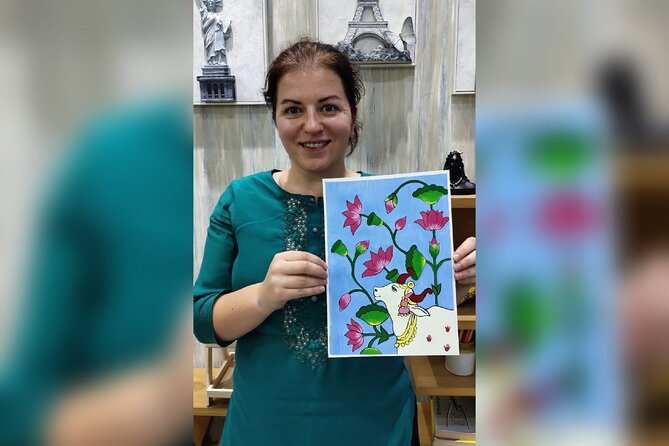
Pichwai painting is a traditional art form that originated in the Indian state of Rajasthan. It’s characterized by its intricate and detailed depictions of Hindu deities, particularly Krishna.
Pichwai paintings are typically created on large textile canvases and feature rich, vibrant colors and intricate patterns. The subject matter often revolves around Krishna’s life and exploits, such as his divine love for Radha or his playful antics.
Pichwai art is deeply rooted in Hindu mythology and spirituality, and the creation of these paintings is considered a sacred practice.
Today, Pichwai painting continues to be a cherished and celebrated aspect of Rajasthani culture, with artisans in the region keeping this traditional art form alive.
You can also read our reviews of more tours and experiences in Jaipur.


History and Significance
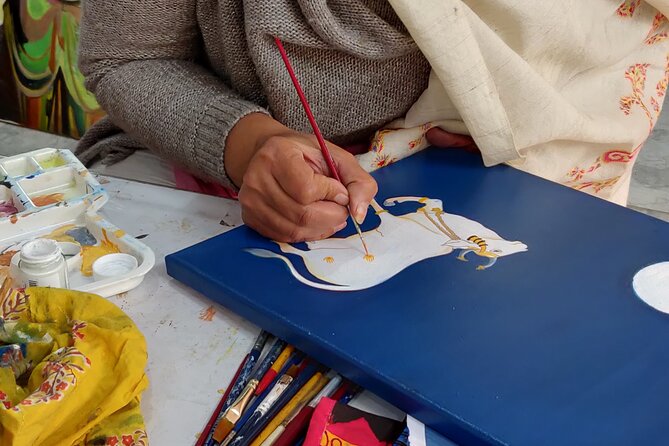
The origins of this captivating art form can be traced back centuries, rooted in the rich cultural tapestry of the Rajasthani region.
Pichwai paintings have long been associated with the worship of Lord Krishna, their intricate designs and vibrant colors serving as visual narratives of the deity’s life.
These paintings were traditionally created in the temples of Nathdwara, where they were used as ritual backdrops during festivals and ceremonies.
Today, Pichwai art remains an integral part of Indian heritage, with skilled artisans preserving this unique tradition through their meticulous craft.
The enduring significance of Pichwai painting lies in its ability to evoke the divine, connecting devotees with the timeless stories of Lord Krishna.
Materials and Techniques
To create the captivating Pichwai paintings, skilled artists utilize a range of traditional materials and techniques. These include:
-
Handmade paper, often sourced from the Khadi mills of India, which provides a sturdy, textured canvas for the artwork.
-
Natural pigments derived from minerals, plants, and other organic sources, ensuring the vibrant and long-lasting colors that define the Pichwai style.
-
Intricate brushwork and meticulous attention to detail, as the artists meticulously apply layer upon layer of paint to capture the intricate designs and patterns that are the hallmark of this unique art form.
The combination of these traditional materials and techniques result in the stunning and visually arresting Pichwai paintings that are treasured around the world.
Step-by-Step Pichwai Painting
Skilled artists begin the Pichwai painting process by carefully selecting handmade paper, a foundation that provides the sturdy, textured canvas essential for this traditional art form.
They then meticulously sketch the intricate design, often featuring deities and nature motifs, using a thin brush and black ink.
Applying vibrant pigments in a carefully choreographed sequence, the painters bring the scene to life, blending colors and adding details with remarkable precision.
The final touch involves outlining key elements with a narrow gold or silver border, accentuating the painting’s timeless elegance.
Through this step-by-step approach, Pichwai artists create mesmerizing works that capture the essence of India’s rich cultural heritage.
Pichwai Painting Motifs
Pichwai paintings feature a rich tapestry of motifs that captivate viewers. These intricate artworks often depict scenes from Hindu mythology, showcasing the divine love story between Krishna and Radha.
Common motifs include:
- Krishna and Radha: The central figures, often shown in a loving embrace or participating in playful activities.
- Peacocks: Symbols of beauty, grace, and divine love, peacocks are frequently featured in Pichwai paintings.
- Floral Patterns: Intricate and colorful floral designs, such as lotus flowers and vines, add to the visual richness of Pichwai art.
These motifs are meticulously rendered, creating a visually stunning and spiritually evocative experience for the viewer.


Color Palette and Symbolism
The vibrant color palette of Pichwai paintings holds profound symbolic meaning. Hues of blue, green, and gold are revered for their divine connotations, representing Krishna, nature, and prosperity, respectively.
Red evokes devotion, while white symbolizes purity. These colors are strategically employed to convey deeper spiritual narratives, often depictions of Krishna’s life and teachings.
The intricate use of color is a hallmark of the Pichwai tradition, imbuing each artwork with layers of symbolic meaning. Beyond mere aesthetic appeal, the palette serves as a visual language, guiding the viewer through the sacred iconography of this ancient Indian art form.
Preserving the Art Form
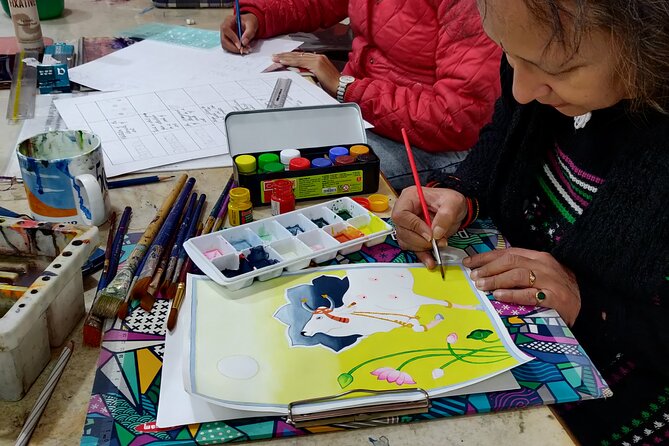
Amidst the vibrant colors and captivating symbolism of Pichwai paintings lies a pressing need to safeguard this centuries-old art form.
As the younger generation increasingly gravitates towards modern art forms, the traditional practices of Pichwai painting face the risk of fading into obscurity.
To preserve this legacy, key initiatives are underway:
- Training and mentorship programs to pass down the intricate techniques to aspiring artists.
- Collaborative efforts between artisans and cultural institutions to raise awareness and promote Pichwai paintings.
- Government-backed initiatives to provide financial support and infrastructure for Pichwai painting workshops and exhibitions.
These concerted efforts aim to ensure the continued flourishing of this captivating artistic heritage.
Experiencing Pichwai Painting
One engaging way to take in the captivating world of Pichwai painting is through a hands-on experience offered by Colorbox Art Academy in Jaipur, India.
For just $17.07, travelers can participate in a guided session where they’ll learn the intricacies of this ancient art form. During the experience, an expert instructor will walk them through the step-by-step process of creating their own Pichwai painting.
The activity lasts around 4-5 hours and can accommodate up to 20 participants, making it an ideal choice for both individuals and groups.
With free cancellation up to 24 hours prior, this experience provides a unique opportunity to dive into the vibrant world of Pichwai painting.
Frequently Asked Questions
Do I Need Prior Painting Experience to Participate?
No, prior painting experience is not required to participate in the Pichwai Painting experience. The activity is suitable for most travelers, including those without any previous artistic background.
Can I Take My Painting Home After the Class?
Yes, you can take your painting home after the class. The experience allows participants to create their own Pichwai painting, which they can keep as a memento of the activity.
Are Any Materials or Supplies Included in the Price?
Yes, the price includes all necessary materials and supplies for the Pichwai painting experience. Participants don’t need to bring anything – the art academy provides everything needed to create their own unique Pichwai painting during the class.
Is There a Minimum Age Requirement to Join the Class?
There’s no minimum age requirement specified, but the experience may not be suitable for very young children. Most travelers can participate, as long as infants sit on laps during the Pichwai painting class.
Can I Customize the Design of My Pichwai Painting?
Customizing the design of the pichwai painting is possible, as the activity is run by the Colorbox Art Academy. Participants can work with the instructors to create a unique design that reflects their preferences and artistic vision.
Learn to Make a Pichwai Painting
Sum Up
Immersing oneself in the rich cultural heritage of Rajasthan, India, offers a unique opportunity to learn the intricate art of Pichwai painting. Through hands-on workshops, aspiring artists can develop their skills under the guidance of skilled artisans, gaining insight into the significance of motifs and colors while preserving this ancient tradition. The experience fosters a deeper appreciation for the vibrant and sacred art form of Pichwai, inspiring the creation of beautiful, meaningful works.


