
Life under communist regimes presented a complex and often challenging reality for citizens. While the governments sought to control nearly every aspect of daily existence, from the economy to personal freedoms, the populace found ways to adapt and even resist. Amidst the scarcity of consumer goods and long queues for basic necessities, communities forged connections, shared stories, and nurtured the enduring human spirit. Navigating this intricate landscape offers valuable insights into the resilience of the human condition and the lasting impact of political ideologies on individual and societal experiences.
Good To Know
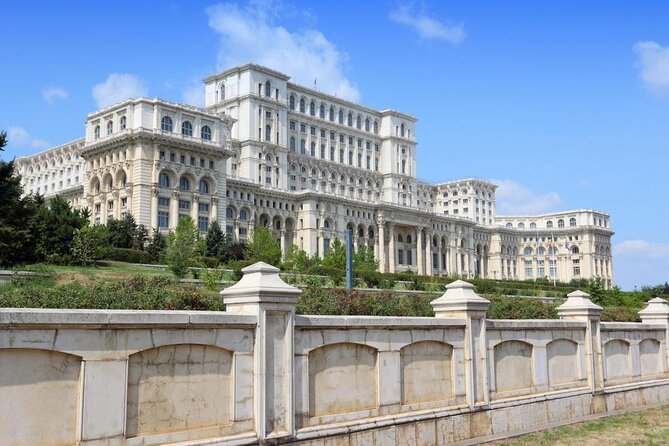
- Communist regimes often imposed strict control over citizens, including limited access to consumer goods and food rationing.
- Daily life under communism was marked by propaganda, surveillance, and the erosion of personal freedoms.
- Public transportation played a crucial role in accessing essential services and communist-era landmarks in cities like Bucharest.
- Guides can provide firsthand accounts and historical insights that offer a deeper understanding of the challenges faced by Romanians during the communist era.
- Small-group tours can facilitate more personalized exploration of communist-era sites and foster collaborative learning about the complexities of life under authoritarian rule.

👉 Check out our guide to the 2 Best Craft Beer Tours And Tastings In Bucharest
Contents
- Good To Know
- Bucharest’s Communist Landmarks
- Experiencing Communist-Era Snacks
- Navigating Public Transportation
- Engaging Guide Narratives
- Importance of Small-Group Format
- Accessibility and Mobility Considerations
- Comprehensive Historical Insights
- Positive Traveler Feedback
- Frequently Asked Questions
- Were Religious Practices Allowed Under Communist Rule?
- How Did the Economy Function During Communist Romania?
- What Were the Living Conditions for the Average Citizen?
- How Did the Communist Party Maintain Power and Control?
- What Were the Main Challenges Faced by Romanians Under Communism?
- Sum Up
- Our Top Picks in Bucharest
- More Tour Reviews in Bucharest
- Not for you? Here's more things to do in Bucharest we have recnetly reviewed
Bucharest’s Communist Landmarks
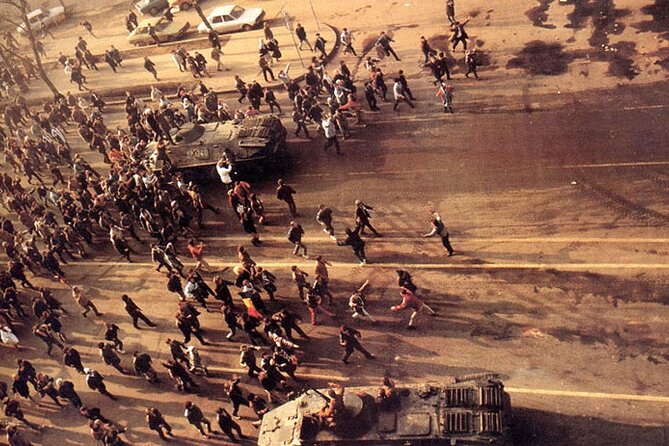
The tour explores several prominent communist-era landmarks throughout Bucharest, offering a window into the country’s complex history under authoritarian rule.
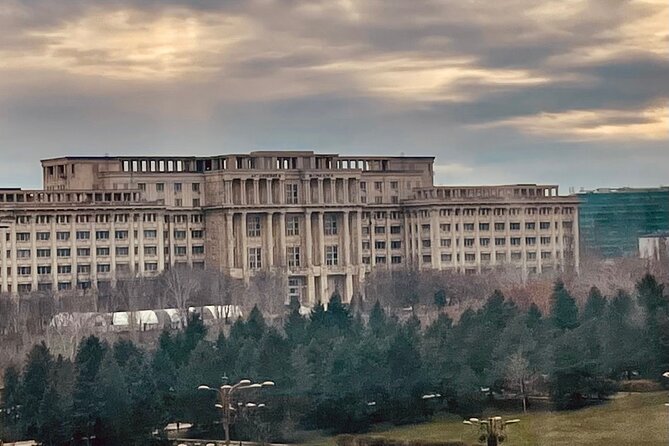
The tour includes around 15 stops, ranging from the massive Palace of the Parliament to the looming Triumph Arc. Participants will learn about the grandiose architecture and public spaces that were hallmarks of the Ceaușescu regime, as well as the repressive policies that shaped daily life.
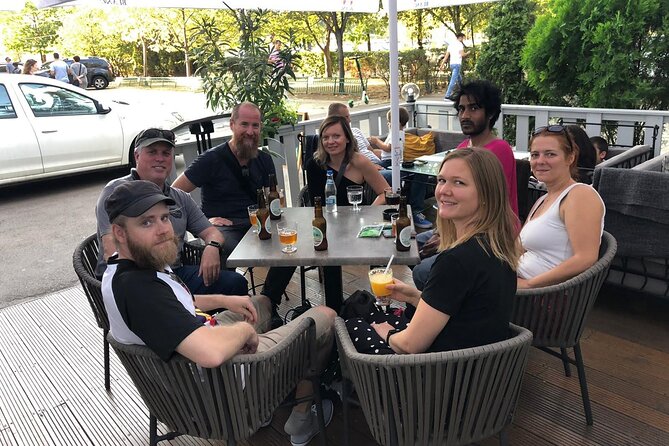
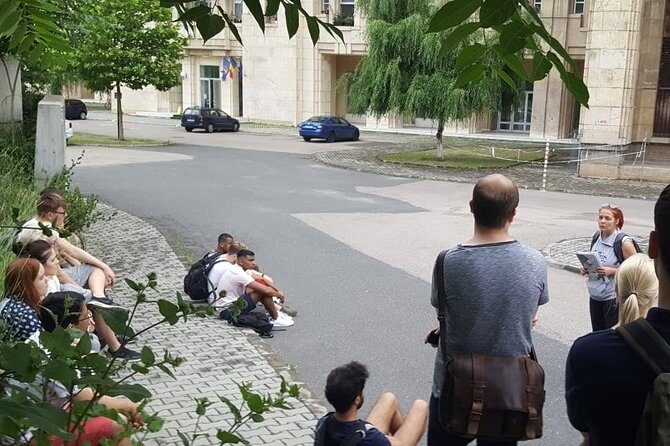
The small-group format allows for engaging discussions with the knowledgeable guides, who share personal anecdotes and historical insights.
While the tour isn’t wheelchair-accessible, it remains stroller-friendly, making it suitable for a range of visitors seeking a deeper understanding of Bucharest’s communist past.
You can also read our reviews of more tours and experiences in Bucharest.


Experiencing Communist-Era Snacks

During the communist-era tours, participants can expect to savor a variety of snacks that reflect the era’s limited food options and rationing policies. These include staples like black bread, canned meat, and pickled vegetables – basic foods that were available, though often in short supply, under the communist regime.
Visitors may also sample a communist-style pastry, a rare treat that evokes the scarcity and monotony of daily life.
Throughout the tasting, the guide provides context, sharing personal anecdotes and insights into how these humble snacks were central to the Romanian people’s experiences during that time.
Savoring these modest yet meaningful bites offers a visceral connection to the past, enhancing participants’ understanding of life under communism.
Navigating Public Transportation
Getting to and from the communist-era sites on the walking tour requires navigating Bucharest’s public transportation system, which played a vital role in moving the city’s residents during that period. Participants can easily access the meeting point and end point via the nearby metro, buses, or trams, with infant seats available if needed. The guide provides clear instructions on the best routes and options, ensuring a smooth commute for the small group.
| Mode of Transport | Route Options | Frequency | Fare |
|---|---|---|---|
| Metro | 4 main lines | Every 5-10 minutes | 5 lei per ride |
| Bus | 80+ routes | Every 10-20 minutes | 3 lei per ride |
| Tram | 20+ routes | Every 10-15 minutes | 3 lei per ride |
Engaging Guide Narratives
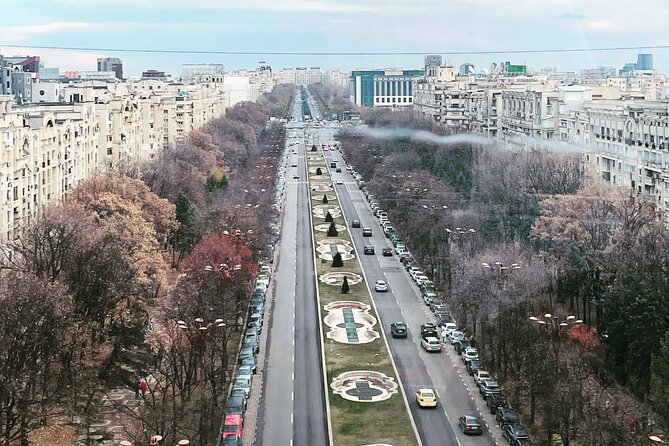
Through captivating personal anecdotes and historical insights, the tour guide transports participants back in time, offering a vivid and immersive understanding of life under communism in Romania.
The guide’s narratives bring to life the daily struggles, the sense of fear and oppression, and the small acts of resistance that characterized this era.
Highlights of the tour include:
-
Recollections of waiting in endless food queues and the limited consumer goods available.
-
Firsthand accounts of the secret police’s surveillance and the erosion of personal freedoms.
-
Descriptions of the propaganda machinery and the regime’s attempts to control the narrative.
The guide’s engaging storytelling allows visitors to truly appreciate the complexities and hardships of living under a totalitarian regime.
Importance of Small-Group Format
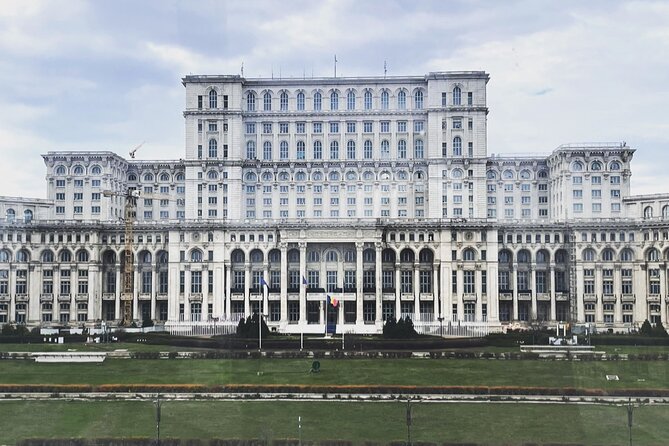
The small-group format of the tour enhances participants’ ability to engage with the guide and enjoy the historical narratives.
By limiting the group size, the tour allows for more personalized attention and opportunities for dialogue, enabling a deeper exploration of Bucharest’s communist past.
This intimate setting fosters a collaborative learning environment, where travelers can freely ask questions, share their own experiences, and gain a more nuanced understanding of life under communist rule.
The small group dynamic encourages interactive discussions, allowing the guide to tailor the information and storytelling to the specific interests and needs of the participants.
This format ultimately provides a more enriching and memorable experience for those seeking to uncover the complexities of Romania’s communist history.


Accessibility and Mobility Considerations
Accessibility and wheelchair accommodation on the tour are limited, as the walking route through Bucharest’s historic center doesn’t provide step-free access at all locations. While strollers can be accommodated, the uneven terrain and occasional stairs make the tour challenging for those with mobility constraints.
The tour operator welcomes service animals to ensure inclusive participation for all interested visitors.
Some key accessibility considerations include:
-
The tour isn’t suitable for wheelchair users due to the lack of ramps and steps throughout the route.
-
Visitors with mobility issues may have difficulty navigating the cobblestone streets and uneven pavement.
-
Strollers can be brought on the tour, but parents should be prepared for some obstacles along the way.
Comprehensive Historical Insights
Guided by the tour operator’s comprehensive historical insights, visitors uncover Bucharest’s communist-era landmarks and gain a nuanced understanding of life under the Romanian regime.
The tour takes participants on a journey through the city’s communist past, exploring approximately 15 key sites that offer a window into the daily realities of that era.
From the iconic Palace of the Parliament to lesser-known residential blocks, the guide skillfully weaves personal anecdotes and historical facts, providing a vivid and balanced account of the period.
Visitors emerge with a deeper appreciation for the complexities and challenges faced by Romanians during communist rule, fostering a more well-rounded perspective on the country’s history.
Positive Traveler Feedback
Travelers consistently provide positive feedback on the tour, praising the guides’ extensive knowledge and ability to share personal stories that bring the communist era to life.
Reviewers highlight three key aspects of the experience:
-
The engaging narratives that offer a comprehensive and insightful perspective on Bucharest’s communist history.
-
The guides’ personal connections to the era, which lend authenticity and depth to the tour.
-
The tour’s ability to provide a deeper understanding of Romania’s recent past, making it a must-do for anyone visiting Bucharest.
With an overall 5.0 rating across 22 reviews, the tour is highly recommended for its capacity to deliver a meaningful and enriching exploration of life under communism.
Frequently Asked Questions
Were Religious Practices Allowed Under Communist Rule?
Religious practices were generally not allowed under communist rule in Romania. The government strictly controlled and repressed religious activities, seeking to impose an atheistic ideology and marginalize the influence of the Romanian Orthodox Church.
How Did the Economy Function During Communist Romania?
The economy in communist Romania was centrally planned, with the government controlling production, prices, and wages. Private enterprise was limited, and consumer goods were often scarce. The state owned major industries and allocated resources based on its economic plan.
What Were the Living Conditions for the Average Citizen?
The living conditions for the average citizen during communist Romania were often difficult, with limited access to consumer goods, modest housing, and strict government control over daily life. However, the tour provides a more comprehensive understanding of this historical period.
How Did the Communist Party Maintain Power and Control?
The communist party maintained power and control through strict surveillance, censorship, and repression. They used secret police, informants, and harsh punishments to suppress dissent and ensure compliance with the regime’s policies and ideology.
What Were the Main Challenges Faced by Romanians Under Communism?
Romanians faced severe economic hardships, political repression, and restrictions on personal freedoms under communist rule. They endured shortages of basic goods, censorship, and surveillance by the authoritarian regime to maintain its grip on power.
Life in Communism
“Daniela was a great tour guide. She was very knowledgeable and friendly, we learned a lot about life under communism.”
Sum Up
Despite the hardships, communism brought people together through shared experiences and a resilient spirit.
Tours of communist-era landmarks, sensory experiences like tasting traditional snacks, and engaging guide narratives offer travelers a comprehensive understanding of life under this system.
The small-group format and considerations for accessibility ensure an immersive and accessible exploration of a complex history that continues to shape the region’s identity.


