The Mardi Himal Trek is a captivating outdoor adventure that draws trekkers to the heart of Nepal’s magnificent Annapurna range. This moderate-level trek offers a chance to witness the breathtaking vistas of the Himalayas, including the iconic Annapurna South and Fishtail peaks. With a well-paced itinerary, authentic culture, and comprehensive support, the Mardi Himal Trek promises an unforgettable journey for those seeking to explore the stunning landscapes and vibrant local communities of this remarkable region. As you explore the details, you’ll uncover why this trek is a must-consider for adventurous travelers.
Key Points
Key Points:
- The Mardi Himal Trek is located in the Annapurna region of Nepal, offering breathtaking views of the Annapurna massif and diverse landscapes.
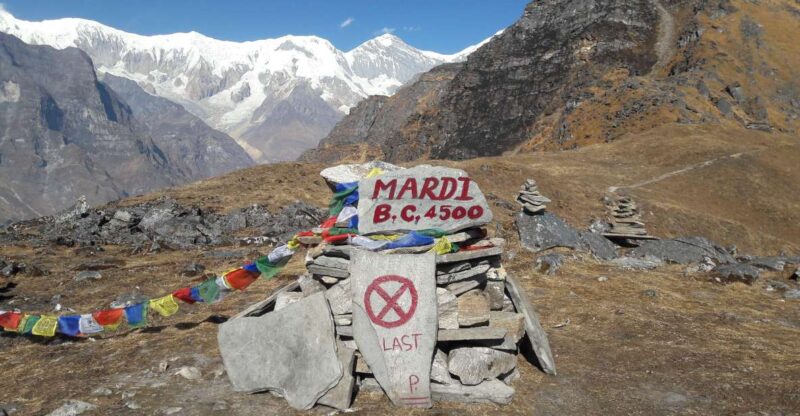
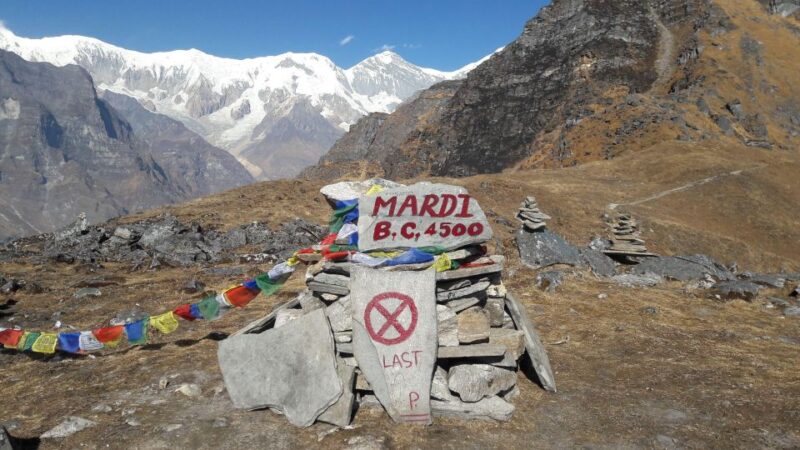
- The trek typically lasts 7 days, starting from Pokhara, and reaches the Mardi Himal Base Camp at an elevation of 4500m.
- The ideal trekking seasons are autumn and spring, with clear skies and manageable trails, though winter and summer are also possible.
- Permits, including the Annapurna Conservation Area Permit and TIMS card, are required, and travel insurance is recommended.
- The trek is considered moderately difficult, requiring reasonable physical fitness and vigilance for high-altitude risks, with experienced guides recommended for safety.

👉 Check out our guide to the 9 Best 3 Day Tours In Nepal
Contents
- Key Points
- Trek Overview and Highlights
- Trek Details and Duration
- Best Seasons and Preparation
- Permits and Necessary Documentation
- Inclusions and Itinerary
- Accommodation and Dining
- Difficulty Level and Fitness Requirements
- Safety Considerations and Recommendations
- Frequently Asked Questions
- Can I Extend the Trek to Include Other Annapurna Regions?
- What Are the Options for Solo Trekking Versus Group Trekking?
- Are There Any Cultural Festivals or Local Events During the Trek?
- How Much Should I Budget for Additional Expenses During the Trek?
- Are There Any Restrictions or Precautions for Trekking With Children?
- Recap
- Our Top Picks in Nepal
- More Hiking & Trekking Tours in Nepal
- More Tour Reviews in Nepal
- Not for you? Here's more things to do in Nepal we have recnetly reviewed
Trek Overview and Highlights
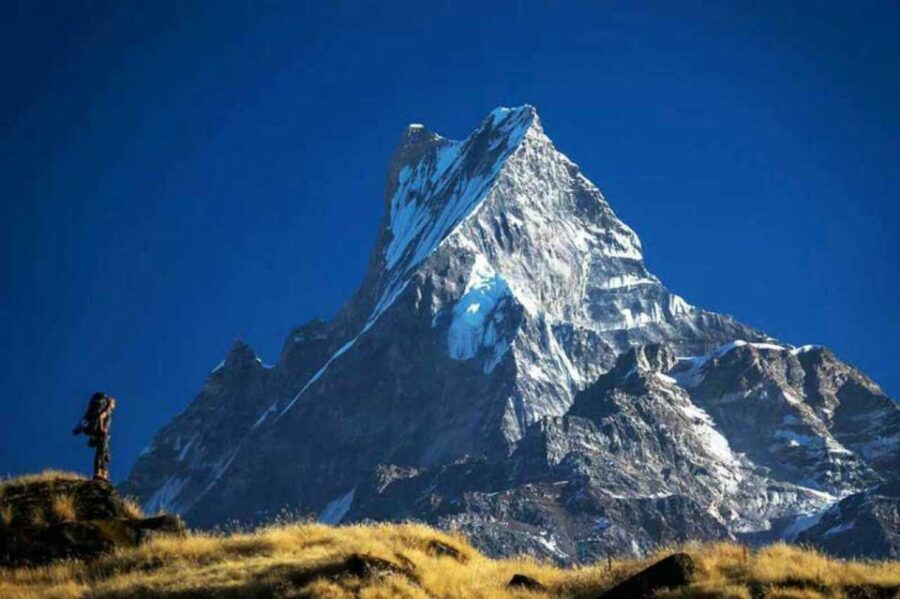
Mardi Himal Trek, situated in the picturesque Annapurna Region, is a relatively short and less popular trekking route known for its stunning natural beauty and immersion in the local Gurung culture.
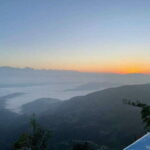
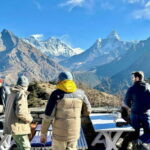
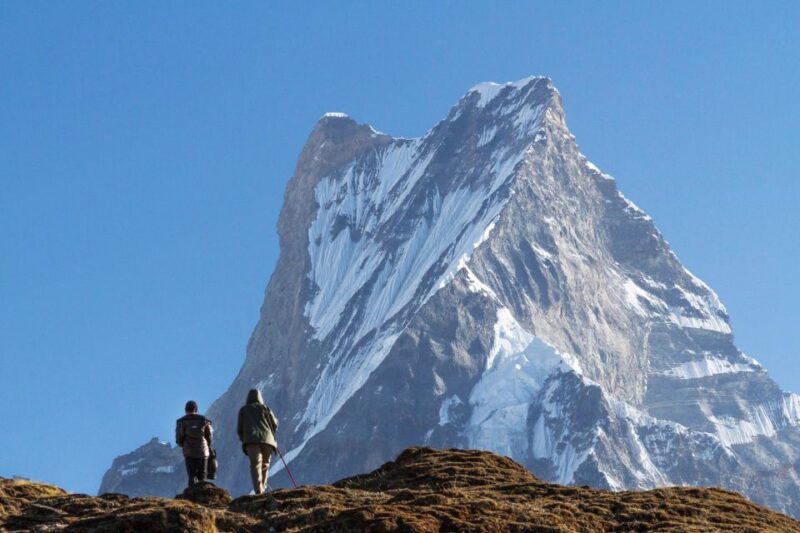
Trekkers are treated to breathtaking views of Annapurna South, Fishtail (Macchapucchre), and Himchuli. The highlight of the trek is the exploration of diverse landscapes, from lush forests to alpine meadows, and the opportunity to witness the unique flora and fauna of the region.
Equally impressive is the warm hospitality of the Gurung people, who welcome trekkers with open arms and offer a glimpse into their traditional way of life.
This trek promises a truly immersive and unforgettable experience in the heart of the Himalayas.
Ready to hit more trails? More hiking adventures we feature in Nepal


Trek Details and Duration
The Mardi Himal Trek typically lasts 7 days, starting from the vibrant city of Pokhara and encompassing various charming villages along the way. The trek includes:
- Kande
- Deurali
- Forest Camp
- High Camp
The highlight is reaching the Mardi Himal Base Camp at an impressive elevation of 4500m.
This moderate trek is suitable for those with general fitness and doesn’t require prior trekking experience.
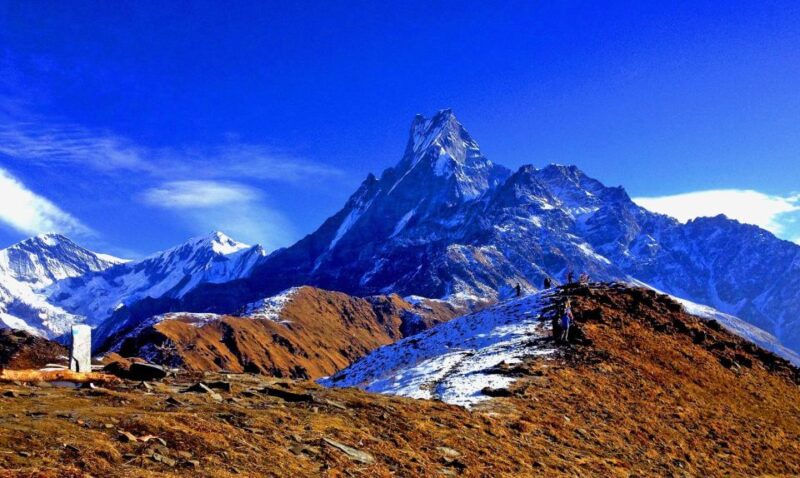
The trek offers stunning vistas of the Annapurna massif, including the iconic Fishtail (Macchapucchre) and Himchuli peaks.
With its diverse landscapes and warm Gurung hospitality, the Mardi Himal Trek provides an immersive cultural experience for adventurous trekkers.
Best Seasons and Preparation
Although Mardi Himal Trek can be undertaken year-round, the best seasons for trekking are autumn (September to November) and spring (March to May), which offer clear skies and manageable trail conditions.
These periods provide the ideal temperature and weather for exploring the diverse landscapes of the Annapurna region.
During the winter and summer months, the trek can be less crowded, but hikers must be prepared for colder temperatures, snowfall, or increased rainfall.
Careful preparation is essential, including a good quality backpack, trekking boots, warm clothing, a sleeping bag, trekking poles, and a first-aid kit.
With the right gear and mindset, adventurers can fully enjoy the natural beauty and cultural richness of the Mardi Himal Trek.
Permits and Necessary Documentation
To embark on the Mardi Himal Trek, trekkers must obtain two essential permits: the Annapurna Conservation Area Permit (ACAP) and the Trekkers Information Management System (TIMS) card.
The ACAP permit grants access to the Annapurna Conservation Area, while the TIMS card provides trekking authorities with essential information about participants. Acquiring these permits is a straightforward process, typically handled by trekking companies or arranged in advance.
Although acclimatization is generally not required for this relatively short trek, it’s still recommended to have travel insurance in case of unforeseen circumstances. Securing the necessary documentation and coverage ensures a smooth and worry-free trekking experience on the scenic Mardi Himal trail.
More Great Tours NearbyInclusions and Itinerary
Typically, a Mardi Himal Trek package includes three meals per day, the required paperwork, hotel accommodations in Pokhara, transport from Kathmandu to Pokhara, a professional trekking guide, porters, and necessary trekking gear such as sleeping bags and down jackets.
The 7-day itinerary starts with a drive or flight to Pokhara on the first day. On the second day, trekkers will drive to Kande and then hike to Deurali.
The following days involve trekking to Forest Camp, High Camp, and finally reaching the Mardi Himal Base Camp at 4500m on the fifth day.
The trek concludes with a descent to Siding, followed by a drive back to Pokhara and then Kathmandu.



Accommodation and Dining
Throughout the Mardi Himal Trek, trekkers generally stay in basic but comfortable teahouses or lodges operated by the local Gurung community. These accommodations commonly offer shared dormitory-style sleeping arrangements, with separate facilities for male and female guests. Meals are typically prepared using locally sourced ingredients, providing trekkers with an authentic taste of Nepali cuisine.
The dining experience on the Mardi Himal Trek includes:
-
Hearty Nepali dishes like dal, bhat, and curries
-
Freshly baked breads and pastries from the teahouse kitchens
-
A variety of local produce, such as potatoes, greens, and seasonal fruits
-
Warming drinks like masala tea, hot lemon, and ginger-honey
This immersion in local culture and cuisine is a highlight of the Mardi Himal trekking experience.
Difficulty Level and Fitness Requirements
The Mardi Himal Trek is considered a moderate-level trek, requiring a reasonable degree of physical fitness and stamina from participants.
While it doesn’t necessitate extensive trekking experience, hikers should be prepared for several consecutive days of walking, often on uneven terrain, at altitudes reaching up to 4,500 meters.
The trek involves gradual ascents and descents, with the most challenging portion being the climb to the Mardi Himal Base Camp.
Cardiovascular endurance and leg strength are essential, as is the ability to adapt to the thin mountain air.
With proper training and pacing, however, the trek is achievable for those with a good level of overall fitness.
Proper gear and equipment are also crucial for a comfortable and safe journey.
Safety Considerations and Recommendations
While the Mardi Himal Trek is generally considered safe, trekkers must remain vigilant and prepared for potential risks inherent to high-altitude environments.
Proper acclimatization, adherence to safety protocols, and access to reliable emergency services are crucial elements that can help mitigate the challenges posed by this trek.
To ensure a safe and enjoyable experience, trekkers should:
-
Familiarize themselves with symptoms of altitude sickness and know how to respond accordingly.
-
Carry essential safety gear, including a first-aid kit, emergency shelter, and communication devices.
-
Hire experienced guides who can navigate the terrain and provide guidance on safety.
-
Maintain a cautious pace, stay hydrated, and be mindful of weather conditions, especially during the ascent and descent.
Frequently Asked Questions
Can I Extend the Trek to Include Other Annapurna Regions?
Yes, travelers can extend the trek to include other Annapurna regions. Depending on time and fitness, they could add routes like the Annapurna Base Camp, Ghorepani Poon Hill, or the Annapurna Circuit to their itinerary for a more comprehensive Annapurna experience.
What Are the Options for Solo Trekking Versus Group Trekking?
Trekkers have the option to trek solo or join a group tour. Solo trekking provides more flexibility, but group treks offer guidance, shared costs, and social experiences. Factors like fitness, comfort level, and budget should be considered when choosing between solo or group trekking.
Are There Any Cultural Festivals or Local Events During the Trek?
During the trek, travelers may have the opportunity to experience local cultural festivals or events, which can provide a deeper understanding of the region’s traditions and way of life. These events may vary by season and location.
How Much Should I Budget for Additional Expenses During the Trek?
Trekkers should budget around $15-20 per day for additional expenses during the trek, including snacks, bottled water, hot showers, and any optional activities or souvenirs. This estimate can vary depending on individual spending habits and the specific route taken.
Are There Any Restrictions or Precautions for Trekking With Children?
Trekking with children requires extra precautions. Children should be closely supervised, with shorter daily distances and extra rest breaks. Gear like child carriers and appropriate clothing is essential. Parents should consider the child’s fitness and acclimatization needs.
Mardi Himal Trek
Recap
The Mardi Himal Trek offers trekkers a truly immersive Himalayan experience.
With stunning views of the Annapurna massif, diverse landscapes, and warm hospitality from the local Gurung community, this moderate-level trek is a must-do for those seeking an authentic adventure in the heart of Nepal.
Hikers can rest assured with the necessary permits and guided assistance, ensuring a safe and unforgettable journey through this captivating region.
You can check availability for your dates here: