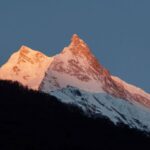
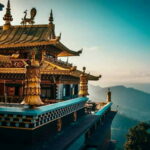
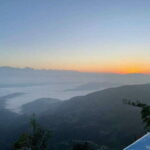
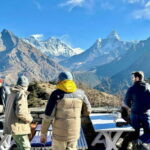
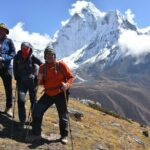
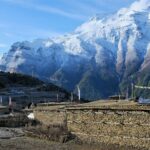
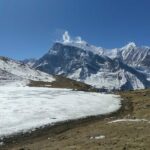
Mera Peak Climbing is a renowned 23-day trekking adventure that takes adventurers to the highest trekking peak in Nepal, standing tall at 6,461 meters. This challenging yet rewarding journey begins in Kathmandu, where participants embark on a scenic flight to Lukla and navigate through stunning Himalayan landscapes. With comprehensive support, essential acclimatization, and pre-climb training, climbers are well-equipped to tackle the summit push on day 12. But the true test lies in the thrill of standing atop this majestic peak, surrounded by the grandeur of the Himalayas – an experience that will leave an indelible mark on the hearts and minds of those who dare to embark on this extraordinary expedition.
Key Points
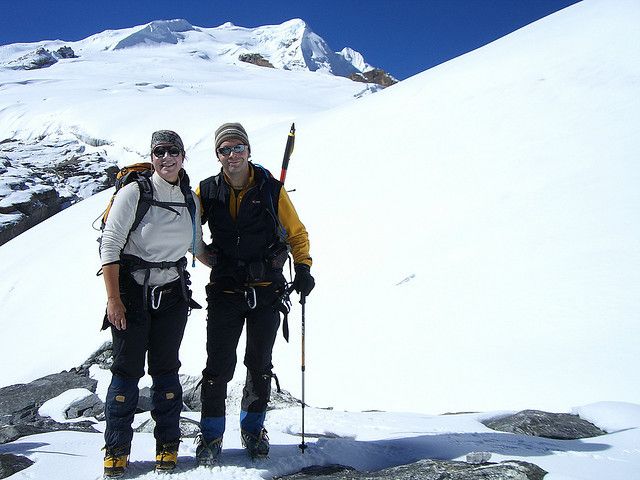
- Mera Peak is the highest trekking peak in Nepal, standing at 6,461 meters (21,190 feet).
- The 23-day Mera Peak climbing adventure includes transportation, accommodation, meals, experienced guides, and necessary permits.
- The trek involves acclimatization at Khare (5,045 meters) and a summit push to the Mera Peak on day 12.
- Participants must be fit, experienced trekkers and climbers, and have proper medical clearance to undertake this expedition.
- The itinerary includes necessary rest days for acclimatization, and the descent retraces the summit route.
👉 Check out our guide to the 2 Best Guided Tours In Jagat
Contents
- Key Points
- Overview of Mera Peak
- Itinerary Highlights
- Inclusions
- Exclusions
- Participant Restrictions
- Acclimation and Training
- Summit and Descent
- Travel Considerations
- Frequently Asked Questions
- What Is the Skill Level Required to Climb Mera Peak?
- Can I Rent Climbing Equipment On-Site?
- How Long Does It Take to Reach the Summit?
- How Difficult Is the Descent From the Summit?
- Is It Possible to Extend the Trip Duration?
- Recap
- Our Top Picks in Kathmandu
- More Tour Reviews in Kathmandu
- Not for you? Here's more things to do in Kathmandu we have recnetly reviewed
Overview of Mera Peak
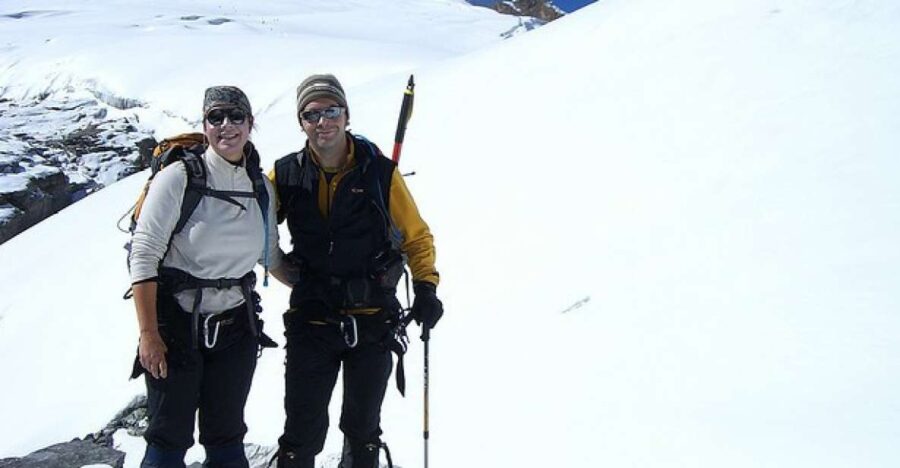
Mera Peak, the highest trekking peak in Nepal, stands as a majestic challenge for adventurous climbers seeking to conquer one of the country’s most iconic summits.
This 23-day adventure offers the opportunity to scale the 6,461-meter (21,190-foot) peak, with a cost starting at $3,099 per group of up to 20 participants.
The best seasons to attempt this climb are spring and autumn, when weather conditions are most favorable.
Climbers should note the free cancellation policy, which allows for a full refund up to 24 hours in advance.
Throughout the journey, experienced guides, porters, and support services ensure a safe and well-organized expedition to the roof of Nepal.
You can also read our reviews of more tours and experiences in Kathmandu.
Itinerary Highlights
The Mera Peak climbing expedition begins with arrival in Kathmandu, where you will spend 3 nights in a 3-star hotel on a twin-sharing basis.
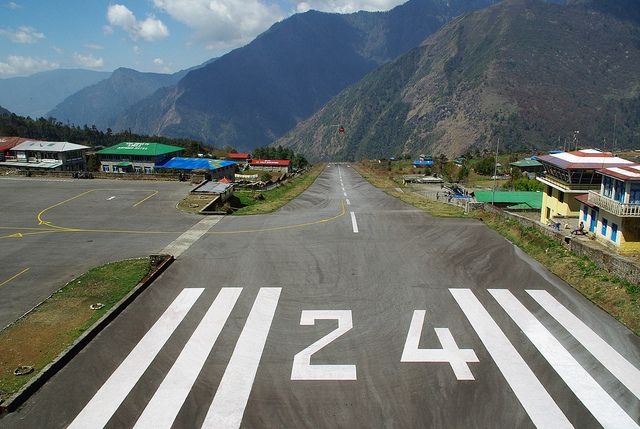
On day 3, climbers will fly to Lukla and trek for 5-6 hours to reach Paiya at 2,730 meters.
After several days of trekking, they’ll reach Khare at 5,045 meters for acclimatization and pre-climb training on day 10.
The summit push to Mera Peak (6,461 meters) takes 8-9 hours on day 12, followed by the return to Khare.
A reserve day is kept for contingency on day 13.
Inclusions
This Mera Peak climbing expedition typically includes airport pickup and drop-off, as well as flights from Kathmandu to Lukla. Accommodation is provided for 3 nights in Kathmandu at a 3-star hotel with twin-sharing rooms. Meals during the trek include 3 daily (breakfast, lunch, dinner) with tea/coffee. Experienced, licensed high-altitude climbing and trekking guides lead the group, and professional porters provide support. Trekking permits, TIMS cards, and climbing permits are also included. Essential equipment like first aid kits, sleeping bags, and down jackets (to be returned) are provided, along with an oxygen meter to monitor altitude sickness.
| Inclusions | Details |
|---|---|
| Transportation | Airport pickup/drop, Kathmandu to Lukla flights |
| Accommodation | 3 nights in Kathmandu (3-star, twin sharing) |
| Meals | 3 meals daily during the trek (breakfast, lunch, dinner) with tea/coffee |
| Guidance | Experienced, licensed high-altitude climbing and trekking guides |
| Support | Professional porters, trekking permits, TIMS card, climbing permit |
| Equipment | First aid kits, sleeping bag & down jacket (to be returned), oxygen meter |
Exclusions
What’re some of the key exclusions for this Mera Peak climbing expedition?
Participants will need to cover their own meals in Kathmandu, aside from the farewell dinner.
Plus, personal expenses like snacks, drinks, laundry, tips, and souvenirs aren’t included.
The package also excludes any medical costs for rescues, repatriation, or travel insurance, as well as the $30 USD visa fee for a 15-day stay.
International flights aren’t covered either, and climbers must bring their own personal climbing gear.
More Great Tours NearbyParticipant Restrictions
Participants must meet certain age and health requirements to join this Mera Peak climbing expedition.
Children under 10 years and babies under 1 year aren’t suitable for this challenging trek and climb. Similarly, people over 95 years old may find the physical demands too strenuous.
During the trek, an oxygen meter is used to monitor altitude sickness symptoms, as the high elevations can pose health risks.
This expedition is designed for fit and experienced trekkers and climbers who can handle the arduous conditions and technical aspects of summiting Mera Peak, the highest trekking peak in Nepal.
Proper preparation and medical clearance are essential for a safe and successful climb.

Acclimation and Training
Acclimating to the high altitudes and undergoing pre-climb training are crucial for safely and successfully summiting Mera Peak.
Climbers spend several days at Khare (5,045m/16,486ft) to allow their bodies to gradually adjust to the thin mountain air, minimizing the risks of altitude sickness.
During this acclimatization period, they also receive hands-on instruction and practice in technical climbing skills, such as using ropes, harnesses, and ice axes, ensuring they’re well-prepared for the challenges ahead.
This comprehensive training and acclimation process helps participants build the necessary physical and mental fortitude to tackle the steep, icy slopes of Mera Peak, the highest trekking peak in Nepal.
Summit and Descent
After the rigorous acclimatization process, climbers typically summit Mera Peak early in the morning to take advantage of the stable weather and favorable snow conditions.
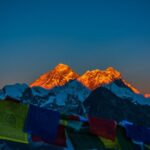
From the summit, they’re rewarded with awe-inspiring panoramic views of the Himalayas, including the majestic Everest, Lhotse, and Cho Oyu peaks.
The descent, though often challenging, allows climbers to retrace their steps, carefully navigating the steep, snowy terrain back to the base camp at Khare.
With the support of experienced guides, climbers utilize proper mountaineering techniques to safely make their way down the mountain, taking breaks as needed to rest and refuel.
The successful summit and descent of Mera Peak is a true test of endurance and determination for adventurous trekkers.
Travel Considerations
Preparing for the Mera Peak climbing expedition requires careful consideration of travel logistics and necessary arrangements.
Getting to the starting point of the trek in Lukla involves a scenic, yet potentially challenging, flight from Kathmandu. Participants must obtain a valid Nepal visa, arrange for appropriate travel insurance, and ensure they’ve the necessary personal climbing gear.
Plus, they’ll need to pack carefully, considering the wide range of temperatures and weather conditions they may encounter during the multi-week trek. Proper acclimatization is crucial, so the itinerary includes dedicated rest days for this purpose.
With thorough planning and preparation, climbers can focus on the exhilarating challenge of summiting Mera Peak, the highest trekking peak in Nepal.
Frequently Asked Questions
What Is the Skill Level Required to Climb Mera Peak?
Climbing Mera Peak requires a high level of skill and experience. It’s considered a technical climb suitable for skilled mountaineers who’ve completed several high-altitude treks. Proper training, equipment, and acclimatization are essential for a successful and safe ascent.
Can I Rent Climbing Equipment On-Site?
Climbers can rent specialized climbing gear on-site, such as harnesses, carabiners, crampons, and ice axes. This equipment is provided by the local outfitters and included in the overall cost of the Mera Peak climbing expedition.
How Long Does It Take to Reach the Summit?
The summit of Mera Peak is reached in 8-9 hours from the Khare base camp. Climbers will ascend the technical and steep slopes to the top, which is the highest trekking peak in Nepal at 6,461 meters.
How Difficult Is the Descent From the Summit?
Descending from the summit of a high-altitude peak like Mera Peak can be challenging. Trekkers must navigate steep, icy terrain and manage fatigue from the ascent. Proper pacing, caution, and experience are critical to a safe descent.
Is It Possible to Extend the Trip Duration?
It’s possible to extend the trip duration, though that’s not the standard itinerary. Extending the trek allows more time for acclimatization, mitigating risks and improving chances of reaching the summit. However, this will increase the overall cost of the expedition.
Mera Peak Climbing – 23 Days
Recap
Mera Peak Climbing is a challenging yet rewarding 23-day adventure, leading trekkers to the highest trekking peak in Nepal.
With experienced guides and comprehensive support, participants undergo essential acclimatization and pre-climb training, ensuring safety and readiness for the summit push.
Amid the majestic Himalayas, climbers can expect an unforgettable experience, having conquered the 6,461-meter peak through stunning landscapes.
You can check availability for your dates here: