
The Museum of San Marco in Florence is a captivating blend of art, history, and spirituality. Within its walls, the vibrant frescoes of Beato Angelico grace the hallways, while the architectural design reflects the influence of the powerful Medici family. Yet, the convent’s religious life was also shaped by the austere reforms of Savonarola, creating a fascinating interplay between devotion and power. As visitors explore this museum, they’ll uncover the intricate tapestry that weaves together the legacies of these iconic figures, leaving them intrigued to delve deeper into the museum’s rich cultural heritage.
Key Points
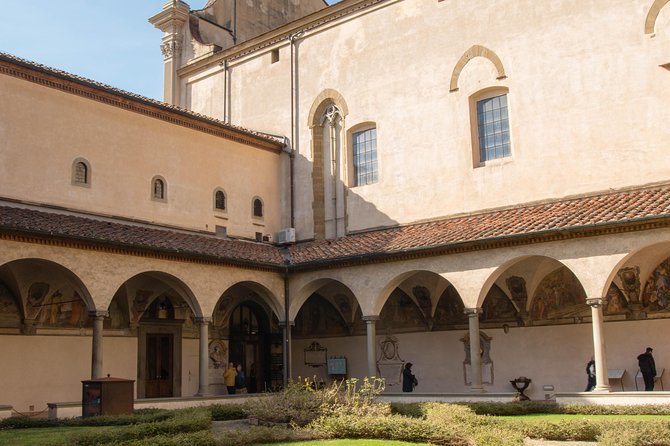
- The Museum of San Marco in Florence is renowned for its exquisite frescoes by the renowned Renaissance artist Beato Angelico.
- The convent played a significant role in the power struggles between the Medici family and the influential preacher Girolamo Savonarola.
- Cosimo de’ Medici’s patronage transformed the convent into a center of scholarship and spirituality during the Renaissance.
- Savonarola’s strict monastic reforms and anti-Medici sentiments left a lasting imprint on the convent’s history and character.
- The museum offers visitors an immersive experience to engage with Florence’s rich artistic and spiritual heritage.

👉 Check out our guide to the 25 Best Dining Experiences In Florence
Contents
- Key Points
- Overview of Museo Di San Marco
- Architectural Design by Michelozzo
- Frescoes by Fra Angelico
- The Annunciation Masterpiece
- Influence of Cosimo De’ Medici
- Role of Savonarola in the Convent
- Significance in Florence’s History
- Visitor Information and Feedback
- Frequently Asked Questions
- Can Visitors Take Photos Inside the Museum?
- Are Guided Tours Available in Languages Other Than English?
- What Is the Dress Code for Visiting the Museum?
- Are There Any Special Events or Exhibitions Happening During My Visit?
- Does the Museum Have a Cafe or Restaurant On-Site?
- Recap
- Our Top Picks in Florence
- More Museum Experiences in Florence
- More Tour Reviews in Florence
- Not for you? Here's more things to do in Florence we have recnetly reviewed
Overview of Museo Di San Marco
The Museo di San Marco, a 15th-century religious complex in Florence’s historic San Giovanni district, offers visitors a captivating glimpse into the city’s artistic and spiritual heritage.
This private two-hour walking tour provides an in-depth exploration of the church and convent, which are renowned for their exquisite frescoes by the renowned artist Fra Angelico.
Guests will also discover the work of Benozzo Gozzoli and learn about the complex’s fascinating history, including the influence of key figures like Cosimo de’ Medici and Fra Girolamo Savonarola.
Whether you’re an art enthusiast or simply seeking to learn about Florence’s rich cultural legacy, this tour promises an unforgettable experience.
Ready for more culture? More museums we feature in Florence


Architectural Design by Michelozzo
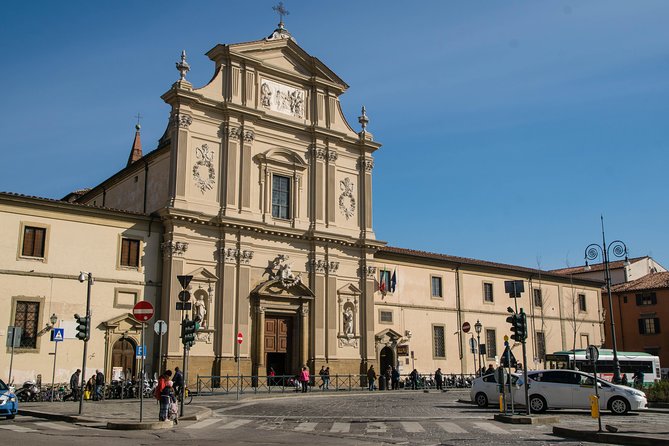
Michelozzo, the renowned 15th-century Florentine architect, oversaw the design and construction of the Museo di San Marco’s religious complex, infusing the structure with his distinct Renaissance architectural style.
The complex features:
-
A harmonious church and convent layout, seamlessly integrating sacred and secular spaces.
-
Graceful arched cloisters that create a serene, contemplative atmosphere.
-
An elegant facade with classical elements, reflecting the era’s architectural trends.
-
Meticulous attention to detail, from the intricate stone carvings to the well-proportioned windows.
Michelozzo’s design masterfully blended function and aesthetics, creating a visually striking and spiritually uplifting environment that has stood the test of time and continues to captivate visitors to this day.
Frescoes by Fra Angelico
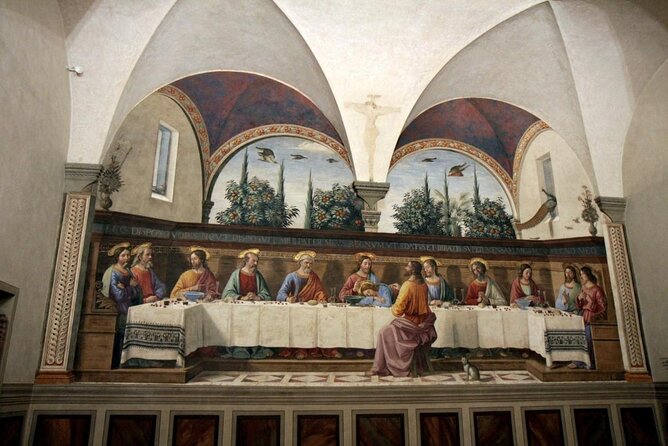
Within the Museo di San Marco, Fra Angelico’s stunning frescoes take center stage, captivating visitors with their vibrant colors and profound spiritual symbolism.
The artist’s masterful use of tempera paint creates an ethereal, luminous quality that draws the viewer into the sacred narratives depicted on the walls.
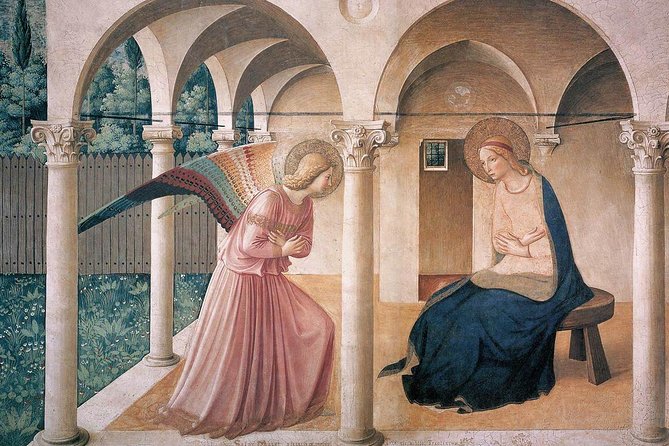
Highlights include the celebrated fresco of the Annunciation, where the Virgin Mary is bathed in a celestial glow as she receives the angel Gabriel’s message.
Other standout works feature scenes from the life of Christ and portraits of Dominican saints.
Angelico’s frescoes not only exemplify his technical virtuosity but also reflect the devotional spirit that permeated the convent of San Marco during the 15th century.
The Annunciation Masterpiece
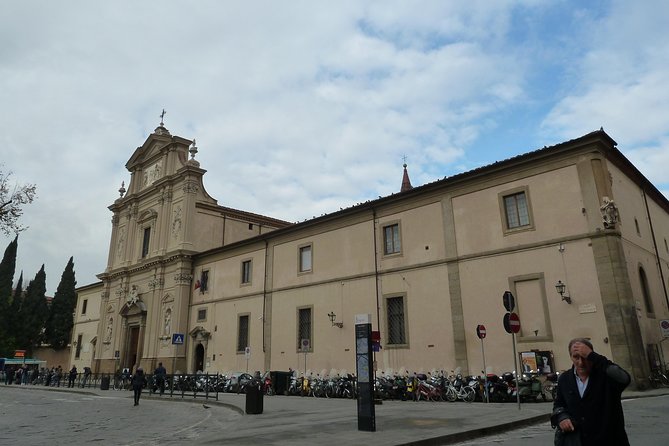
Although Fra Angelico’s frescoes throughout the Museo di San Marco captivate visitors, his masterpiece of the Annunciation stands out as a true highlight.
Depicting the pivotal moment when the Virgin Mary receives the angel Gabriel’s message, this awe-inspiring work showcases the artist’s unparalleled skill and the profound spirituality that permeated the convent’s halls during the 15th century.
The Annunciation fresco features:
-
Harmonious composition with balanced use of color and light.
-
Exquisite rendering of the angel’s robes and the Virgin’s serene expression.
-
Careful attention to religious symbolism, such as the lily representing purity.
-
An atmosphere of reverence and tranquility that evokes a sense of divine presence.
Influence of Cosimo De’ Medici
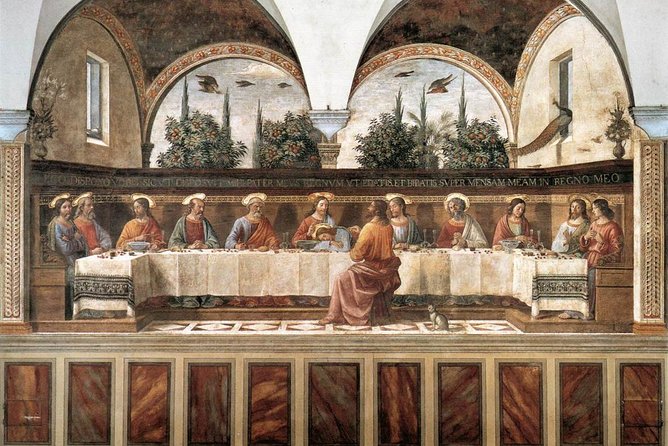
Cosimo de’ Medici, the influential Florentine statesman and patron of the arts, played a pivotal role in the development of the Museo di San Marco.
As a devout supporter of the Dominican order, Cosimo commissioned the architect Michelozzo to oversee the renovation and expansion of the convent in the 1430s, transforming it into a center of scholarship and spiritual contemplation.
The Medici family’s patronage ensured that the complex housed an impressive collection of artworks, including the renowned frescoes by Fra Angelico.
Cosimo’s vision for the museum as a place of learning and devotion continues to shape the institution’s character, making it a testament to the enduring legacy of one of Florence’s most powerful and influential figures.


Role of Savonarola in the Convent
Decades after Cosimo de’ Medici’s involvement, the Museo di San Marco gained prominence under the influence of the Dominican friar Girolamo Savonarola, whose fiery sermons and religious reforms transformed the convent into a center of anti-Medici sentiment.
Savonarola’s charismatic leadership and staunch opposition to the Medici family’s political power and lavish lifestyle had a profound impact on the convent:
-
He instituted strict monastic reforms, emphasizing austerity, piety, and biblical study among the friars.
-
The convent became a hub for Savonarola’s followers, known as the Piagnoni, who supported his calls for moral and political reform in Florence.
-
Savonarola’s execution in 1498 led to a brief Medici restoration, but the convent remained a symbol of resistance against their rule.
-
The Museo di San Marco’s collections and history continue to reflect the complex legacy of Savonarola and his influence on the convent and the city of Florence.
Significance in Florence’s History
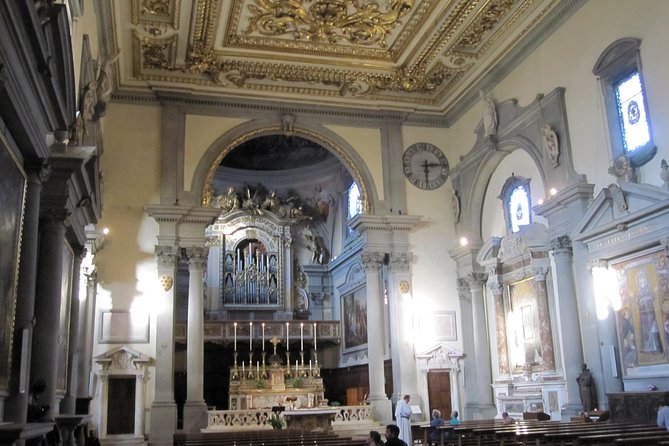
The Museo di San Marco has long held significant historical and cultural importance within Florence’s storied past. As a renowned 15th-century religious complex, the museum’s artworks and architecture offer a captivating glimpse into the city’s illustrious Dominican heritage and its pivotal role in shaping the Renaissance.
At the heart of the complex, the influential figures of Cosimo de’ Medici, Fra Girolamo Savonarola, and Fra Angelico left an indelible mark, their ideologies and artistic legacies intertwined within the museum’s walls.
Today, the Museo di San Marco stands as a testament to Florence’s rich cultural tapestry, a place where the past and present converge, inviting visitors to enjoy the city’s enduring artistic and spiritual traditions.
Visitor Information and Feedback
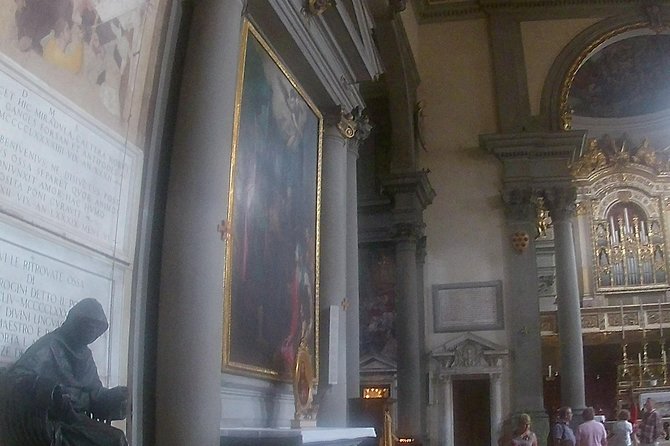
With a range of visitor reviews and logistical details, the Museo di San Marco offers a comprehensive experience for those seeking to explore this renowned 15th-century complex.
Travelers highlight the knowledgeable guides, who provide insightful commentary on the museum’s artworks and architecture, though some note variations in English proficiency.
Plus, the tour’s accessibility features, including wheelchair access and allowance for strollers and service animals, cater to diverse visitor needs.
The tour logistics are as follows:
-
Meeting point: Piazza San Marco, Firenze FI, Italy (Statua Manfredo Fanti)
-
Includes professional guide, entrance ticket, hotel pickup and drop-off
-
Wheelchair accessible
-
Stroller and service animals allowed
Frequently Asked Questions
Can Visitors Take Photos Inside the Museum?
Yes, visitors are generally allowed to take photos inside the Museo di San Marco. However, flash photography is prohibited to avoid damaging the delicate frescoes and artworks. Visitors should check with staff for any updates or restrictions on photography upon arrival.
Are Guided Tours Available in Languages Other Than English?
Yes, guided tours are available in languages other than English. According to the Tour Logistics section, the tour includes a professional guide, suggesting tours can be conducted in multiple languages to accommodate visitors’ needs.
What Is the Dress Code for Visiting the Museum?
There is no strict dress code for visiting the Museo di San Marco. Visitors are recommended to wear comfortable, weather-appropriate attire and avoid overly casual or revealing clothing. The museum maintains a respectful environment, but doesn’t enforce a specific dress code.
Are There Any Special Events or Exhibitions Happening During My Visit?
Unfortunately, there’s no information provided about any special events or exhibitions happening during the visitor’s tour of the Museo di San Marco. The tour focuses on the museum’s permanent collection and historical significance.
Does the Museum Have a Cafe or Restaurant On-Site?
The Museum of San Marco does not have a cafe or restaurant on-site. Visitors can find a variety of dining options in the surrounding San Giovanni district, which offers a range of cafes, restaurants, and eateries within walking distance of the museum.
Museum of San Marco in Florence: Beato Angelico, Savonarola, and the Medicis
“Our guide, Katherine, was very knowledgeable and really made the works of Fra Angelico come alive for us.”
Recap
The Museum of San Marco in Florence offers visitors a fascinating glimpse into the interplay between art, religion, and power that shaped Renaissance Florence.
From Beato Angelico’s vibrant frescoes to the influence of the Medici family and Savonarola’s reforms, the museum provides a compelling narrative of the city’s rich history.
It’s a must-visit destination for those seeking to enjoy the cultural and spiritual legacy of this iconic Florentine landmark.


