
Nestled in the heart of England’s New Forest, the Discovery Walk in Lyndhurst offers a captivating journey through the region’s diverse landscapes and rich heritage. This 5-kilometer stroll takes visitors on an immersive exploration, where they’ll uncover the forest’s iconic wildlife, lush vegetation, and the intriguing role of commoning in shaping this unique ecosystem. From ancient woodland to working coppice, the walk unveils the intricate tapestry of the New Forest, inviting travelers to delve deeper and discover the stories that have shaped this remarkable natural wonder.
Key Points
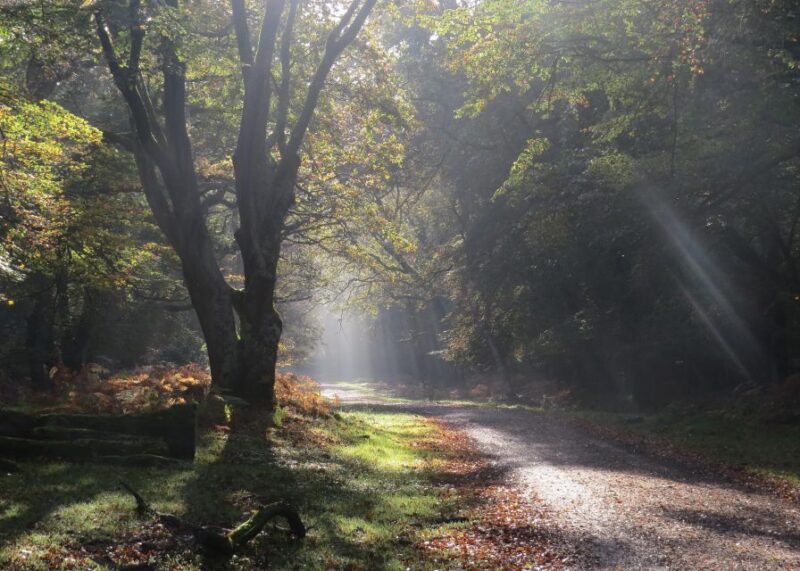
- A 2-hour exploration of the New Forest’s diverse habitats, iconic wildlife, and rich history, covering around 5 km at a leisurely pace.
- Starts at Bolton’s Bench, follows ‘The Ridge’, and winds through ancient woodland, mixed forest habitats, and working coppice woodland.
- Participants can expect to see Dartford Warbler, Fallow Deer, and a variety of wildflowers, fungi, butterflies, and invertebrates.
- Provides insights into the role of commoning and livestock in shaping the landscape, as well as the area’s history, including the Parc Pale and a WWII bombing range.
- Accessible by public transport, with ample parking available and a short distance to the starting point in Lyndhurst.
Contents
- Key Points
- Summary of the Walk
- Detailed Route and Habitats
- Iconic Wildlife Sightings
- Wildflowers, Fungi, and Invertebrates
- Role of Commoning and Livestock
- Exploring the Forest’s History
- Meeting Point and Accessibility
- Additional Information
- Frequently Asked Questions
- Can I Bring My Dog on the Walk?
- Is the Walk Suitable for Young Children?
- What Should I Wear and Bring for the Walk?
- Are There Toilet Facilities Available During the Walk?
- Can I Purchase Refreshments Along the Route?
- Recap
Summary of the Walk
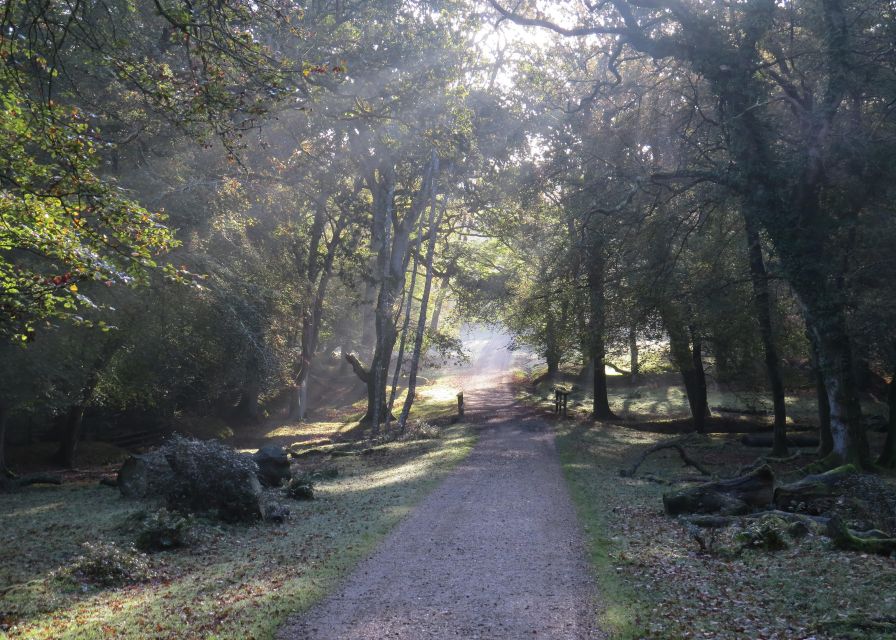
The New Forest Discovery Walk in Lyndhurst takes visitors on a 2-hour exploration of the diverse habitats, iconic wildlife, and rich history of the New Forest, led by experienced guides from the non-profit organization Wild New Forest.
Covering around 5 km at a leisurely pace, the walk starts at Bolton’s Bench, follows the panoramic ‘The Ridge’, and winds through ancient woodland, mixed forest habitats, and working coppice woodland.
Along the way, participants can expect to see the Dartford Warbler, Fallow Deer, and a variety of wildflowers, fungi, butterflies, and invertebrates. The walk also delves into the role of commoning and the area’s mixed history, including the Parc Pale and a World War II bombing range.
Detailed Route and Habitats
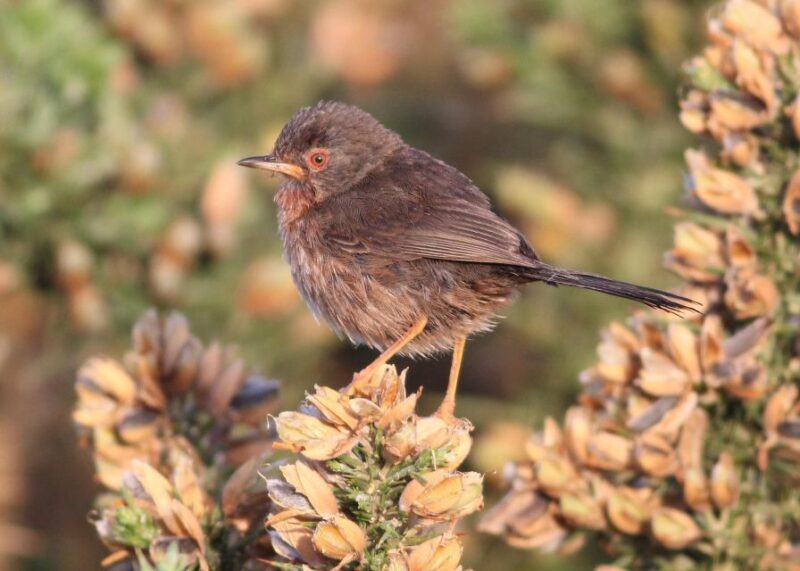
Departing from Bolton’s Bench, the walk follows ‘The Ridge‘, offering panoramic views across the New Forest.
It then enters the ancient woodland of Denny Inclosure, showcasing the diverse habitats of the area. The route winds through a mix of woodland types, including the working coppice woodland of Pondhead Inclosure.
Along the way, walkers have the chance to spot iconic New Forest species like the Dartford Warbler and Fallow Deer, as well as a variety of wildflowers, fungi, butterflies, and other invertebrates.
The walk provides insights into the role of commoning and livestock in shaping the landscape, and explores the mixed history of the Forest, including the Parc Pale and WW2 bombing range.
Iconic Wildlife Sightings
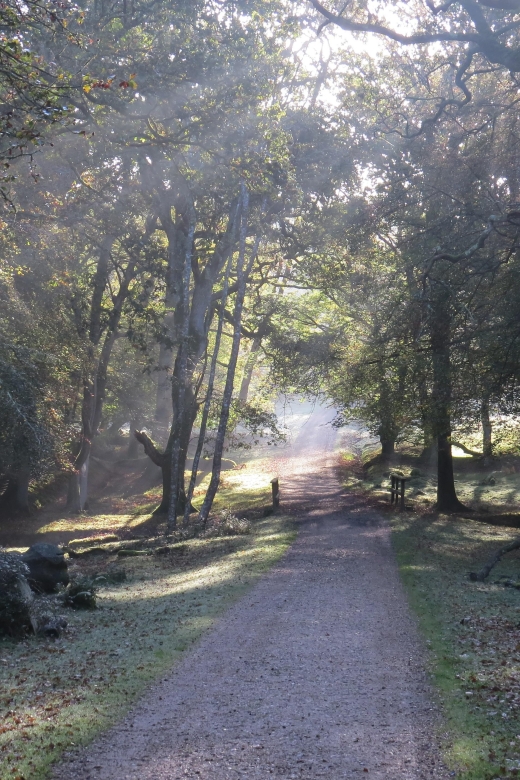
Experienced guides often point out iconic New Forest species like the elusive Dartford Warbler, flitting between gorse bushes, and the majestic Fallow Deer, grazing amongst the ancient oak trees.
Walkers may also spot a variety of other wildlife, including colourful butterflies and intricate fungi growing on the woodland floor.
The diverse habitats traversed on the walk, from ancient beech woods to working coppice, provide ample opportunities to observe the rich biodiversity of the New Forest.
Guides share their expert knowledge, helping participants understand the important role that traditional land management practices, like commoning, have played in shaping this unique landscape over centuries.
Wildflowers, Fungi, and Invertebrates
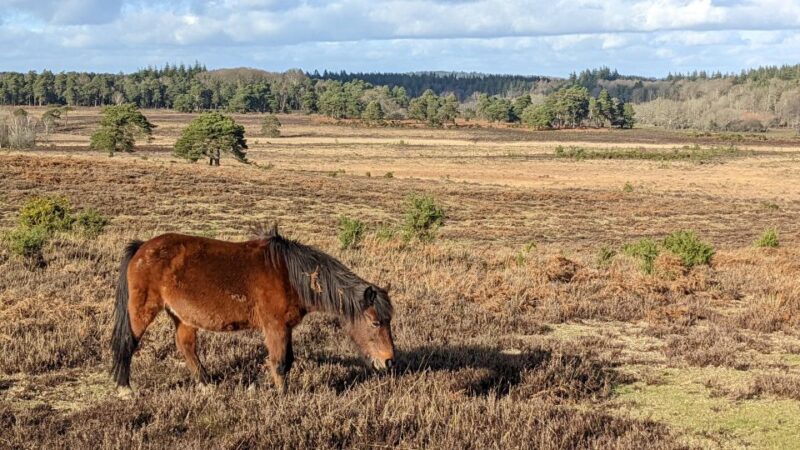
Vibrant wildflowers dot the forest floor, complementing the intricate fungi that emerge from decaying wood. Walkers on the New Forest Discovery Walk can expect to encounter a diverse array of invertebrates, from delicate butterflies dancing among the blooms to industrious beetles burrowing in the leaf litter.
Delicate blossoms of wood anemones and bluebells carpeting the woodland floor.
Fascinating fungal species, such as the vibrant scarlet elf cup and the intricate beehive fungus.
A wide range of butterflies, including the striking silver-washed fritillary and the diminutive holly blue.
This abundance of life is a testament to the rich biodiversity of the New Forest ecosystem.
More Great Tours NearbyRole of Commoning and Livestock
The New Forest’s long history of commoning, where local people have the right to graze livestock across the open landscapes, has played a crucial role in shaping the diverse habitats and wildlife seen today. Grazing animals like ponies, cattle, and pigs have maintained the delicate balance of the forest ecosystem for centuries. This traditional practice supports the growth of heathlands, grasslands, and wood pasture – habitats that are home to a variety of rare and protected species. The table below outlines some key ways that commoning and livestock have influenced the landscape:
| Impact | Example |
|---|---|
| Habitat Creation | Grazing prevents woodland encroachment, maintaining open heathlands |
| Biodiversity Support | Livestock help disperse seeds and create micro-habitats for invertebrates |
| Culture Preservation | Commoning is a vital part of New Forest’s cultural identity and heritage |
| Ecosystem Services | Grazing animals contribute to nutrient cycling and wildfire prevention |
Exploring the Forest’s History
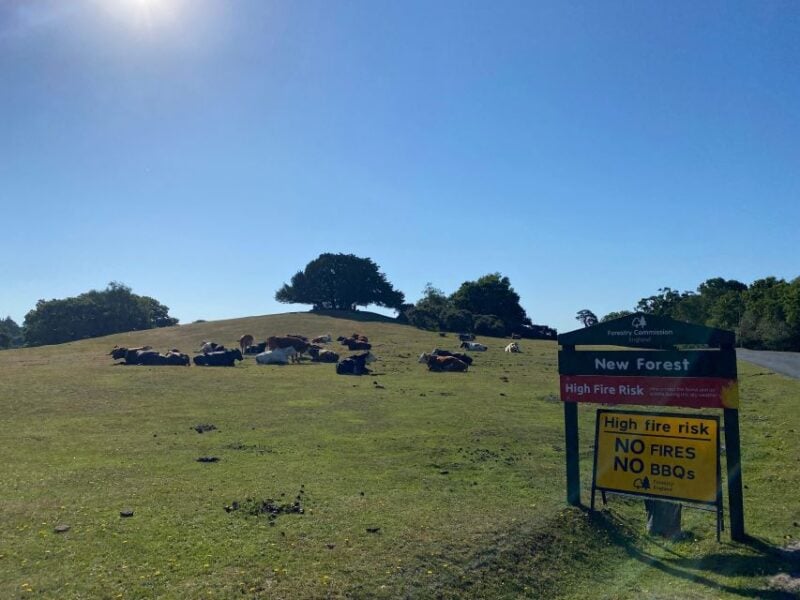
Beyond the role of commoning and livestock in shaping the New Forest’s landscapes, this walk also explores the area’s rich and varied history.
Participants’ll discover how the Forest’s past has left an indelible mark on the region, from ancient woodland management practices to wartime legacies.
Walkers’ll encounter remnants of the Parc Pale, a historic boundary that once encircled the Royal Hunting Ground.
They’ll also learn about the area’s use as a bombing range during WWII, where the landscape still bears the scars of this military activity.
The walk provides a unique opportunity to explore the New Forest’s multifaceted past, gaining insights into how this special place has evolved over time.
Meeting Point and Accessibility
Participants meet at the war memorial in the Bolton’s Bench car park, which is accessible by public transport as the No 6 Bluestar Bus stops at the nearby Lyndhurst Fire Station.
The meeting point is within walking distance of Lyndhurst, making it convenient for visitors.
The walk is designed to be accessible to a wide range of participants, catering to those who prefer to explore the New Forest by public transportation or on foot.
With ample parking available and a short distance to the starting point, the New Forest Discovery Walk provides an enjoyable and hassle-free experience for nature enthusiasts and history buffs alike.
Additional Information
Guided tours on the New Forest Discovery Walk run regularly throughout the year, catering to visitors of all ages and abilities. The non-profit organization Wild New Forest, which leads the walks, is committed to supporting wildlife research and conservation efforts in the area. This means tour participants can feel good knowing their ticket purchase contributes to important environmental work.
Opportunities to learn about the region’s rich history, from the Parc Pale to the WWII bombing range.
Sightings of a variety of wildlife, including the iconic Dartford Warbler and Fallow Deer.
Exploration of diverse habitats, from ancient woodlands to working coppice forests.
Frequently Asked Questions
Can I Bring My Dog on the Walk?
Dogs are generally welcome on the walk, but must be kept on a lead. Owners should be mindful of wildlife and other participants. It’s best to check with the organizers before the event to confirm the policy.
Is the Walk Suitable for Young Children?
The walk is generally suitable for young children, though the 5km distance and mixed terrain may be challenging for smaller kids. Parents should consider their children’s abilities and bring appropriate supplies for the outing.
What Should I Wear and Bring for the Walk?
For a leisurely nature walk, wear comfortable, closed-toe shoes and dress in layers. Bring water, snacks, binoculars, and a camera to capture the scenic views and wildlife. Prepare for changeable weather conditions in the outdoor environment.
Are There Toilet Facilities Available During the Walk?
There are no public restrooms along the walk route. However, the starting point at Bolton’s Bench car park has toilet facilities available for use before the walk begins. Participants should plan accordingly.
Can I Purchase Refreshments Along the Route?
There are no refreshment stops along the route. Participants are advised to bring their own snacks and drinks to enjoy during the walk. Restrooms are available at the starting point, the Bolton’s Bench car park in Lyndhurst.
New Forest Discovery Walk (Lyndhurst)
Recap
The New Forest Discovery Walk in Lyndhurst offers a captivating 2-hour exploration of the region’s diverse habitats, iconic wildlife, and rich history.
Visitors can look forward to spotting Dartford Warblers, Fallow Deer, and a variety of wildflowers, fungi, butterflies, and invertebrates.
Visitors can also explore the role of commoning and the area’s mixed history, providing a comprehensive understanding of this unique ecosystem and its cultural significance.
You can check availability for your dates here: