
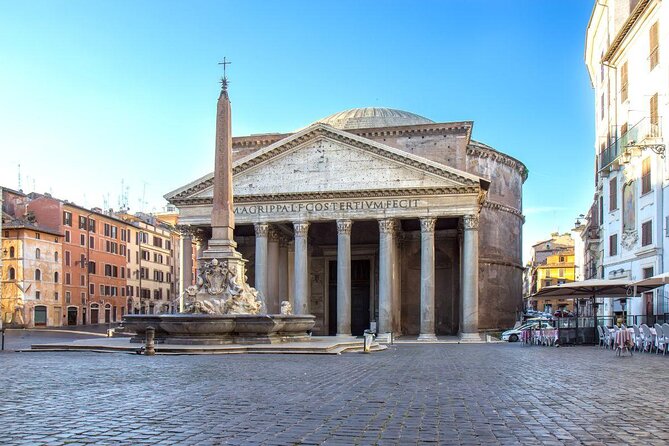
The Pantheon in Rome is a captivating structure that has borne witness to centuries of history. Originally built as a pagan temple, this architectural marvel later found new life as a Christian church, showcasing the enduring adaptability of its design. Led by Olga, a certified archaeologist with a PhD, this tour promises to unveil the Pantheon’s fascinating past, from its iconic dome to the religious influences that have shaped its evolution over time. Explore the seamless blend of ancient engineering and spiritual significance that has kept the Pantheon firmly embedded in the cultural fabric of Rome.
Good To Know
-
The Pantheon’s history spans from its origins as a pagan temple to its conversion into a Christian church in the 7th century, reflecting its adaptability.
-
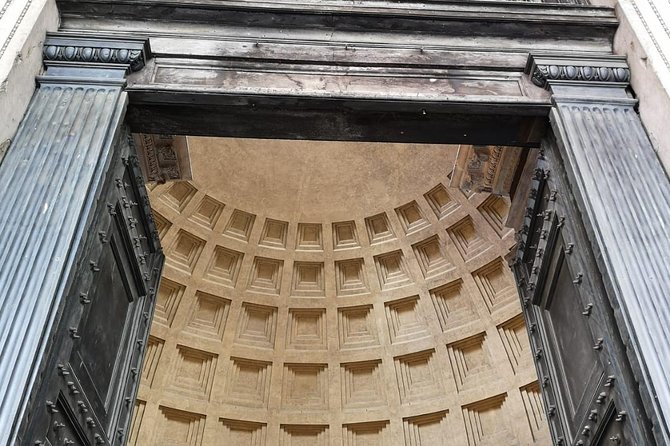
Architectural marvels like the iconic 142-foot dome and the use of lighter materials showcase the engineering genius of ancient Roman builders.
-
The tour with archaeologist Olga provides in-depth exploration of the Pantheon’s architectural details and insights into its significance across various eras.
-
Nearby churches, such as Santa Maria Sopra Minerva and Sant’Ignazio di Loyola, offer a glimpse into the Roman architectural landscape surrounding the Pantheon.
-
Positive customer feedback highlights Olga’s expertise, engaging storytelling, and the educational value of the tour, ensuring an enriching experience for visitors.

👉 Check out our guide to the 20 Best 2 Day Tours In Rome
Contents
- Good To Know
- Tour Overview
- Guide Information
- Tour Experience
- Customer Feedback
- Booking Confirmation
- Nearby Churches
- Architectural Details
- Historical Adaptations
- Frequently Asked Questions
- Can I Take Photos Inside the Pantheon?
- Is Food and Drink Allowed Inside the Pantheon?
- How Does the Pantheon’s Design Affect Its Acoustics?
- Were Any Ancient Roman Artifacts Found During Renovations?
- What Is the Significance of the Pantheon’s Oculus Skylight?
- Sum Up
- Our Top Picks in Rome
- More Tour Reviews in Rome
- Not for you? Here's more things to do in Rome we have recnetly reviewed
Tour Overview

The tour offers an in-depth exploration of the Pantheon’s rich history, captivating architecture, and enduring significance within the Roman landscape.
Based in Rome, the tour takes visitors to the Piazza della Rotonda, where the iconic Pantheon stands.
Over the course of approximately one hour, guests explore the Pantheon’s origins, construction, and adaptations across various eras.
Led by Olga, a certified archaeologist with a PhD, the tour provides a comprehensive understanding of the Pantheon’s architectural details, engineering marvels, and cultural relevance.
With a maximum group size of 10, the experience is designed to be intimate and tailored to guests’ interests.
The tour is wheelchair and stroller accessible, making it inclusive for all visitors to uncover the wonder of this ancient Roman monument.
You can also read our reviews of more tours and experiences in Rome.


Guide Information
Olga, a certified archaeologist with a PhD in archaeology, leads the tour, offering her expertise on the Pantheon’s architecture, history, and engineering. Known for her engaging and personable style, Olga tailors the tour based on guests’ interests.
Here’s what you can expect:
-
Olga’s deep knowledge of the Pantheon’s architectural details and historical adaptations.
-
Insightful perspectives on the Pantheon’s significance in Rome, spanning various eras.
-
A knack for bringing the structure’s past to life through captivating storytelling.
-
A commitment to providing an educational and enjoyable experience for all visitors.
Olga’s expertise and passion for the Pantheon ensure an enriching exploration of this iconic Roman landmark.
Tour Experience
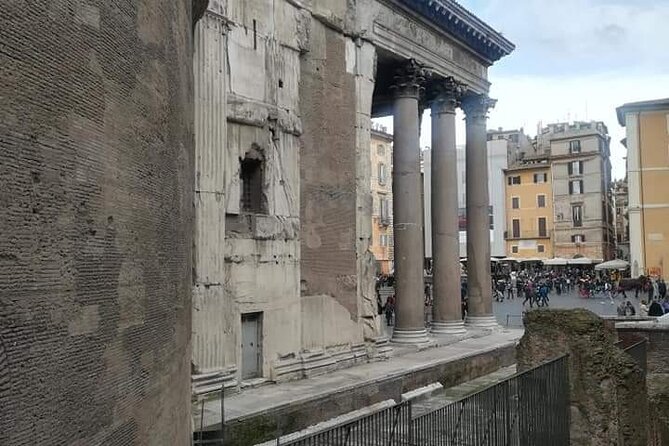
Guests embark on an approximately 1-hour exploration of the Pantheon, delving into its rich history, captivating architecture, and enduring significance within the city of Rome.
Led by Olga, a certified archaeologist with a PhD, the tour provides an in-depth look at the Pantheon’s construction, historical adaptations, and architectural details.
Guests learn about the Pantheon’s transition from a pagan temple to a Christian church, as well as the engineering marvels behind its iconic dome.
The tour also includes insights into nearby churches and lesser-known aspects of Roman history, offering a comprehensive understanding of this iconic landmark.
Throughout the experience, Olga’s expertise and engaging presentation style ensure an educational and enjoyable journey through the Pantheon’s past and present.
Customer Feedback
Based on the overwhelmingly positive reviews, it’s clear guests have thoroughly enjoyed this tour led by Olga. With an impressive 5.0 rating out of 14 reviews, many praised her knowledge, passion, and ability to engage the group throughout the experience.
Guests consistently highlighted the tour’s educational value, with Olga providing in-depth insights into the Pantheon’s history, architecture, and significance in Roman culture. While some felt the tour lacked depth in certain technical areas, the majority found the overall experience to be both informative and enjoyable.
The tour’s unique features, such as insights into nearby churches and lesser-known aspects of Roman history, also received positive feedback from satisfied customers.
Key takeaways from customer reviews:
-
Olga’s expertise and engaging presentation style
-
Educational and informative content about the Pantheon
-
Praise for the tour’s unique insights and features
-
Some guests desired more technical details
Booking Confirmation
Booking confirmation for the Pantheon tour is received within 48 hours, subject to availability. Once the tour is booked, guests can expect prompt communication from the host.
The confirmation will include details like the meeting point, tour duration, and any special instructions. This ensures travelers have all the necessary information before the experience.
The host emphasizes their commitment to guest satisfaction, so if there are any issues with the booking, they’re quick to address them.
With a maximum group size of 10, the Pantheon tour offers an intimate and personalized experience for visitors. Knowing the booking process is smooth and efficient helps set the stage for an enjoyable exploration of this iconic Roman landmark.


Nearby Churches
The Pantheon tour not only explores the iconic Roman landmark itself, but also provides insights into the nearby churches that have played a significant role in the Pantheon’s history and evolution.
As Olga, the knowledgeable archaeologist, guides visitors through the Pantheon, she offers fascinating details about its connections to the surrounding religious structures.
Some of the key churches discussed include:
-
Santa Maria Sopra Minerva: A church built atop the ruins of an ancient Roman temple dedicated to the goddess Minerva.
-
Sant’Ignazio di Loyola: A 17th-century church known for its stunning baroque architecture.
-
Santa Maria della Rotonda: A smaller church adjacent to the Pantheon, sharing its distinctive circular design.
-
Santa Maria dei Martiri: A church that stands on the site of an ancient Roman temple, further highlighting the intertwined history of the Pantheon and its religious neighbors.
Architectural Details
As Olga guides visitors through the Pantheon, she highlights the remarkable architectural details that make this ancient Roman structure so captivating.
The Pantheon’s iconic dome, standing at an impressive height of 142 feet, is an engineering marvel that has inspired countless architects and designers throughout history.
The dome’s perfection is a testament to the skill of Roman engineers, who used innovative techniques like the use of increasingly lighter materials as the dome rises.
Olga points out the beautiful coffers, or recessed panels, adorning the ceiling, which not only add visual interest but also help to reduce the overall weight of the structure.
The Pantheon’s architectural genius continues to amaze all who step inside this timeless wonder.
Historical Adaptations
Over its remarkable history, the Pantheon has undergone numerous adaptations to suit the needs and preferences of its various owners and occupants.
Initially built as a temple for the Roman pagan gods, it was later converted into a Christian church in the 7th century.
The structure’s interior has been modified several times, including the addition of altars, chapels, and artwork.
When it was reclaimed by the Catholic Church in the 16th century, the Pantheon underwent further renovations to restore its original architectural features.
Today, the Pantheon stands as a unique blend of ancient Roman engineering and Christian influence, reflecting the dynamic nature of its past:
-
Pagan temple
-
Christian church
-
Catholic reclamation
-
Architectural restoration
Frequently Asked Questions
Can I Take Photos Inside the Pantheon?
Yes, visitors are generally allowed to take photos inside the Pantheon. However, flash photography is typically prohibited to preserve the interior’s delicate ambiance. Guests should be mindful of respecting the sacred space and following any posted photography guidelines.
Is Food and Drink Allowed Inside the Pantheon?
Food and drink are not permitted inside the Pantheon. The rules prohibit the consumption of any food or beverages to preserve the historical integrity and cleanliness of the ancient Roman structure. Visitors must comply with this regulation during their visit.
How Does the Pantheon’s Design Affect Its Acoustics?
The Pantheon’s unique domed design significantly impacts its acoustics. The tall, circular structure and high ceiling create an echo chamber effect, amplifying sounds and producing exceptional acoustics within the building. This architectural feature has been noted by visitors throughout its history.
Were Any Ancient Roman Artifacts Found During Renovations?
During renovations of the Pantheon in Rome, archaeologists uncovered several ancient Roman artifacts, including marble fragments, bronze statuettes, and coins, providing valuable insights into the structure’s original design and use over the centuries.
What Is the Significance of the Pantheon’s Oculus Skylight?
The Pantheon’s oculus skylight is a remarkable architectural feature that serves both functional and symbolic purposes. It allows natural light to flood the interior, creating a dramatic and awe-inspiring effect, while also serving as a unique engineering achievement.
Pantheon: Its History, Its Function, Its Wonder. With Archaeologist
“Olga was fun and interactive. Took her time with the explanation and history that went with it. We had a great time with her and highly recommend.”
Sum Up
The Pantheon’s enduring legacy as a testament to architectural brilliance and religious adaptability is undeniable.
From its pagan origins to its Christian transformation, this iconic structure continues to captivate visitors with its stunning dome and rich history, as expertly explored by Olga’s guided tour.
Through this immersive experience, one can truly appreciate the Pantheon’s enduring significance and the seamless integration of ancient engineering and religious influence.


