
Situated in the heart of India, Ranthambore National Park is a haven for wildlife enthusiasts and nature lovers alike. Spanning over 1,300 square kilometers, this renowned tiger reserve boasts a diverse landscape of rugged hills, serene lakes, and lush forests. Home to the majestic Bengal tiger, as well as a variety of other endangered species, Ranthambore offers visitors a chance to enjoy the wonders of India’s rich biodiversity. With guided safaris and conservation efforts in place, the park continues to captivate and inspire those seeking to uncover the secrets of this remarkable natural wonder.
Key Points
-
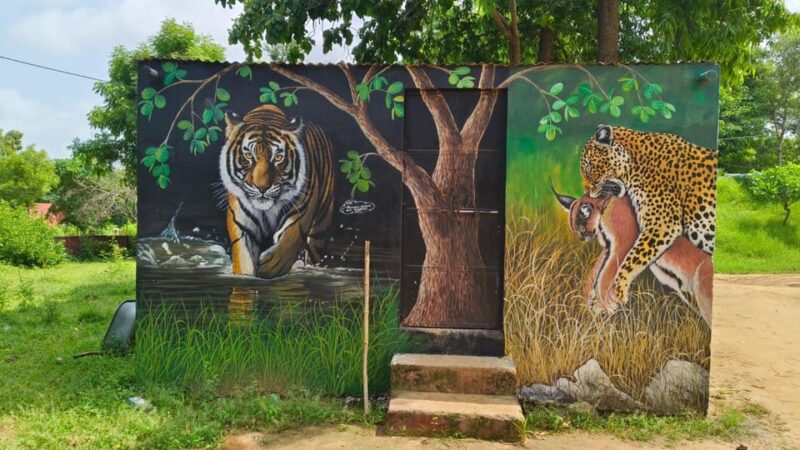
Ranthambore National Park is a diverse, 1,334 square kilometer wildlife sanctuary in Rajasthan, India, known for its rich flora and fauna, including the iconic Bengal tiger.
-
The park’s robust Bengal tiger population, along with the presence of other endangered species like leopards and sloth bears, attracts wildlife enthusiasts and photographers from around the world.
-
Guided jeep and canter safaris offer immersive experiences to observe the park’s diverse ecosystems, including rugged hills, serene lakes, and lush forests.
-
The best time to visit Ranthambore is from October to March, when the pleasant weather and reduced vegetation enhance wildlife sightings and provide more exclusive encounters.
-
Ranthambore’s management emphasizes ecological preservation through measures like monitoring tiger populations, regulating visitor numbers, and collaborating with local communities to promote sustainable practices.

👉 Check out our guide to the 4 Best Guided Tours In Faridabad
Contents
- Key Points
- Exploring Ranthambore’s Diverse Terrain
- Thriving Population of Bengal Tigers
- Variety of Flora and Fauna
- Guided Safari Experiences
- Optimal Visitation Periods
- Accessibility and Transportation Options
- Booking Flexibility and Reservations
- Preserving the Park’s Ecological Balance
- Frequently Asked Questions
- Is Photography Allowed During the Safari?
- Are There Any Accommodation Options Within the Park?
- What Are the Rules and Regulations for Visitors?
- Can I Carry My Own Food and Drinks Inside the Park?
- Are There Any Additional Fees or Permits Required for the Visit?
- Recap
- Our Top Picks in New Delhi
- More Tour Reviews in New Delhi
- Not for you? Here's more things to do in New Delhi we have recnetly reviewed
Exploring Ranthambore’s Diverse Terrain

Ranthambore National Park captivates visitors with its diverse and breathtaking terrain. Spanning an expansive 1,334 square kilometers, the park features a captivating blend of landscapes, from rugged hills and serene lakes to dense, lush forests.
The varied topography supports a rich tapestry of flora and fauna, creating an immersive natural experience. Towering Dhok trees, majestic banyan, and serene pipal trees dot the landscape, complementing the presence of iconic wildlife like the Bengal tiger, leopard, and sloth bear.
Visitors can embark on guided safaris to explore this captivating mosaic of ecosystems, providing unparalleled opportunities to witness the park’s diverse inhabitants in their natural habitats.
You can also read our reviews of more tours and experiences in New Delhi.


Thriving Population of Bengal Tigers
At the heart of Ranthambore National Park, a thriving population of Bengal tigers has long captivated visitors.
As one of India’s premier tiger reserves, the park boasts a robust population of these majestic predators. Visitors can often spot tigers roaming the diverse terrain, from lush forests to open grasslands.
The park’s conservation efforts have played a crucial role in protecting the Bengal tiger, an endangered species.
With their powerful build, distinctive orange coats, and mesmerizing eyes, these big cats are the main attraction, drawing nature enthusiasts and wildlife photographers from around the world to witness their awe-inspiring presence in the wild.
Variety of Flora and Fauna
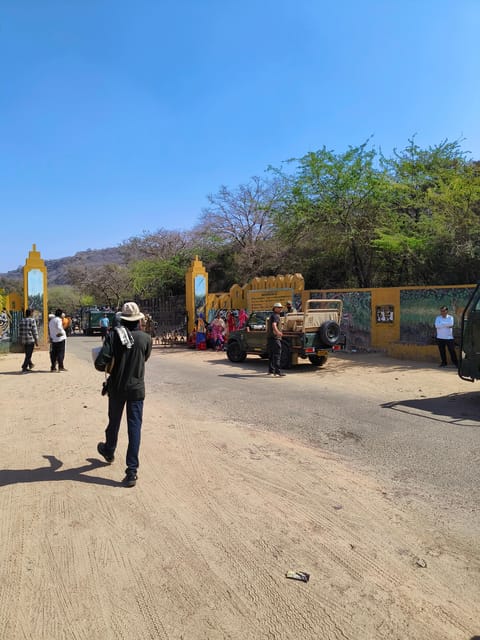
A diverse array of flora and fauna thrive within Ranthambore National Park‘s expansive boundaries.
The park’s dominant vegetation includes the robust Dhok tree, as well as mango, banyan, and pipal trees.
Key animal species include the majestic Bengal tiger, prowling leopards, lumbering sloth bears, and various deer.
The park’s diverse ecosystem supports:
- A healthy population of the endangered Bengal tiger, a primary draw for visitors.
- Leopards, known for their remarkable agility and stealth.
- Striped hyenas, scavengers playing a vital role in the food chain.
- A rich variety of deer species, sustaining the carnivores.
This rich biodiversity contributes to the delicate balance of Ranthambore’s natural environment.
Guided Safari Experiences
The quintessential wildlife experience at Ranthambore National Park unfolds through guided jeep and canter safaris, immersing visitors in the park’s natural splendor.
Jeep safaris, accommodating six passengers, cost Rs. 4500 per person, while the larger canter safaris, seating 20, are priced at Rs. 3000 per person.
These guided tours allow travelers to witness the park’s diverse inhabitants, including the elusive Bengal tigers, in their natural habitats.
Traversing the park’s lakes, forests, and rugged terrain, the safaris provide an unforgettable opportunity to observe the delicate balance of the ecosystem.
Whether by jeep or canter, these wildlife encounters create lasting memories for visitors to Ranthambore National Park.
More Great Tours NearbyOptimal Visitation Periods
Ranthambore National Park offers the optimal wildlife viewing experience during the period from October to March. This timeframe is favored by visitors due to several key advantages:
-
Pleasant weather conditions with moderate temperatures and minimal rainfall, allowing for comfortable safaris.
-
Increased animal activity around water sources, enhancing the chances of spotting the elusive Bengal tiger and other diverse wildlife.
-
Reduced vegetation growth, providing better visibility and unobstructed views of the park’s inhabitants.
-
Fewer crowds, ensuring a more exclusive and immersive wildlife encounter.
Travelers are advised to avoid the monsoon season (July-September) and the extreme heat of April-June, as these periods can hinder animal sightings and overall enjoyment of the park.


Accessibility and Transportation Options
Ranthambore National Park is easily accessible from Sawai Madhopur, with Jaipur Airport (160 km away) and a nearby railway station connecting it to major cities like Delhi and Mumbai.
Road travel from Jaipur (180 km) is feasible via well-maintained highways. Visitors can reach the park by self-driving or hiring private cabs.
The park also offers shuttle services and guided tours for a seamless experience.
Booking options are flexible, allowing travelers to secure their spots without immediate payment and cancel up to 24 hours in advance.
This accessibility and transportation convenience make Ranthambore an attractive destination for wildlife enthusiasts.
Booking Flexibility and Reservations
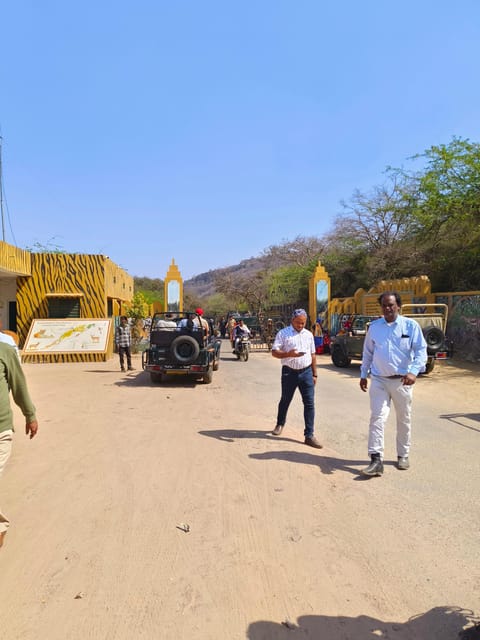
Booking options for Ranthambore National Park are flexible, allowing travelers to secure their spots without immediate payment. Visitors can book their safaris in advance through various channels, including the park’s website, travel agencies, and online portals.
The booking process offers several advantages:
-
Free Cancellation: Travelers can cancel their reservations up to 24 hours before the scheduled safari without incurring any penalties.
-
Flexible Payment: Bookings can be made without the need for full upfront payment, providing more financial flexibility.
-
Guaranteed Availability: Advance booking ensures a spot on the desired safari, especially during peak seasons.
-
Hassle-free Experience: The booking process is streamlined, enabling a stress-free planning experience for visitors.
Preserving the Park’s Ecological Balance
To maintain the delicate ecological balance within Ranthambore National Park, park authorities employ a multifaceted approach.
They closely monitor the tiger population, limiting the number of daily visitors to ensure minimal disturbance. Strict regulations prohibit the removal of flora, and antipoaching measures safeguard the park’s diverse wildlife.
Authorities also collaborate with local communities, educating them on sustainable practices and providing alternative livelihoods to reduce dependence on the park’s resources.
Through these concerted efforts, Ranthambore’s unique ecosystem, home to the Bengal tiger and a myriad of other species, is preserved for future generations to appreciate.
Frequently Asked Questions
Is Photography Allowed During the Safari?
Yes, photography is allowed during the safari. Visitors can capture the stunning wildlife and landscapes of the park, but the use of flash is prohibited to avoid disturbing the animals.
Are There Any Accommodation Options Within the Park?
There are several accommodation options within Ranthambore National Park, including luxury resorts, heritage hotels, and budget lodges. Visitors can choose from a range of amenities and price points to suit their preferences and budget.
What Are the Rules and Regulations for Visitors?
Visitors must follow strict guidelines to preserve the park’s ecology. They’re prohibited from littering, feeding wildlife, and leaving designated trails. Camera use is allowed, but flash photography’s not permitted. Smoking and carrying weapons are also forbidden.
Can I Carry My Own Food and Drinks Inside the Park?
Yes, visitors can bring their own food and drinks into the park, but they should avoid littering and dispose of waste properly to maintain the park’s cleanliness and protect the wildlife.
Are There Any Additional Fees or Permits Required for the Visit?
Yes, there are additional fees and permits required to visit the park. Visitors must purchase entry tickets, as well as secure permits for safari activities like jeep and canter rides. These costs are essential to fund the park’s conservation efforts.
Ranthambore National Park
Recap
Ranthambore National Park offers an unparalleled wildlife experience. Its diverse terrain, thriving tiger population, and rich biodiversity captivate visitors. Guided safaris and optimal visitation periods ensure an immersive encounter with the park’s wonders. With accessibility and booking flexibility, Ranthambore continues to be a premier destination for wildlife enthusiasts, while conservation efforts safeguard its ecological balance for generations to come.
You can check availability for your dates here:


