
The Inquisition remains a divisive and complex chapter in European history, marked by religious intolerance and the persecution of those deemed heretical by the Catholic Church. While some were elevated to sainthood for their unwavering devotion, others were condemned as threats to orthodoxy, often meeting brutal ends. This dichotomy between saints and heretics reflects the delicate balance between faith and power that shaped Rome’s historical narrative, echoing through its art, architecture, and the suppressed stories that lie beneath the surface. Unraveling this chilling legacy offers a thought-provoking exploration of the interplay between belief, authority, and the human experience.
Quick Points
-
The Inquisition was established by the Catholic Church to combat heresy and unorthodox beliefs, often employing interrogation, torture, and execution.
-
The tour explores sites in Rome associated with the Inquisition’s persecution of heretics, such as Campo de’ Fiori, where public executions took place.
-
The tour also highlights the impact of the Inquisition on Rome’s artistic landscape, including the work of architect Francesco Borromini.
-
The Barberini Chapel, with its lavish frescoes and details, provides a contrast to the darker narratives of the Inquisition explored during the tour.
-
The tour aims to reveal the hidden histories and suppressed narratives of Rome’s complex past, connecting art, architecture, and religious ideology.

👉 Check out our guide to the 20 Best 2 Day Tours In Rome
Contents
- Quick Points
- A Chilling History of Rome’s Inquisition
- The Architect’s Final Resting Place
- From Flower Market to Execution Site
- The Barberini Chapel’s Hidden Wonders
- Uncovering Rome’s Suppressed Histories
- Exploring Stunning Art and Architecture
- Practical Considerations for Tour Participants
- Impressive Reviews and Ratings
- Since You Asked
- What Is the Dress Code for the Tour?
- Can the Tour Accommodate Travelers With Disabilities?
- Is the Tour Wheelchair Accessible?
- Can the Tour Be Booked on Short Notice?
- How Do I Receive Confirmation of My Booking?
- The Final Verdict
- Our Top Picks in Rome
- More Tour Reviews in Rome
- Not for you? Here's more things to do in Rome we have recnetly reviewed
A Chilling History of Rome’s Inquisition
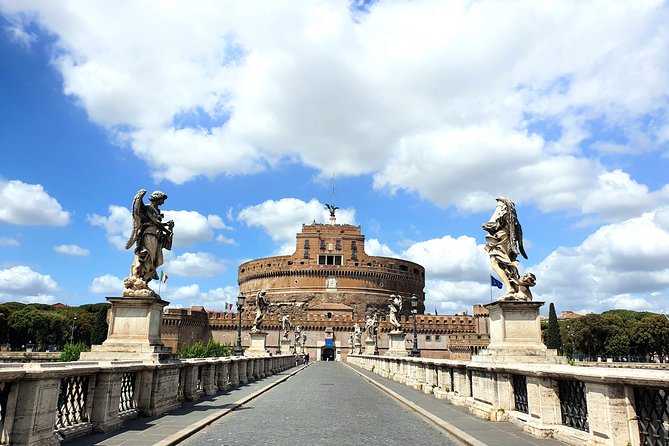
The Inquisition, a dark chapter in Rome’s history, stands as a chilling reminder of the religious intolerance and persecution that gripped the city during the medieval and early modern eras.
This notorious institution, established by the Catholic Church, sought to root out and punish heresy and unorthodox beliefs. Its reach extended to all corners of Rome, with suspected heretics facing interrogation, torture, and even execution.
The tour of Rome’s Inquisition sites promises to shed light on this troubling past, exploring locations where the condemned met their fate and uncovering the hidden histories that still linger within the city’s walls.
You can also read our reviews of more tours and experiences in Rome.


The Architect’s Final Resting Place
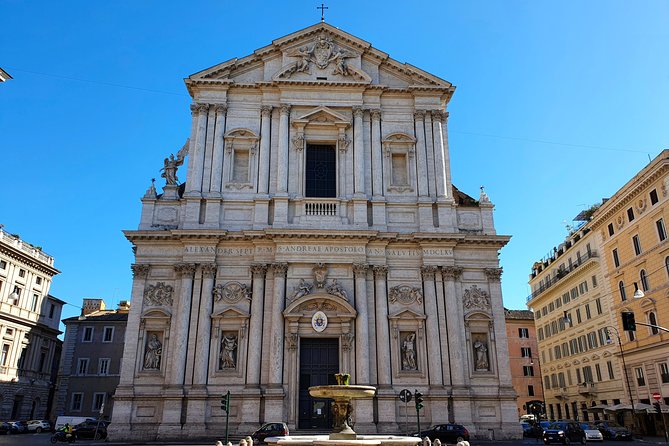
Often, the tour makes a stop at San Giovanni dei Fiorentini, the final resting place of the renowned architect Francesco Borromini.
Borromini’s contributions to the church’s intricate Baroque design are a highlight of the visit. Travelers marvel at the sculptor’s dynamic and unconventional style, which challenged the traditional norms of the time.
Through Borromini’s masterful work, the tour delves into the complex relationship between art, architecture, and religious ideology during the Inquisition era.
Visitors gain a deeper understanding of how the Inquisition shaped the artistic landscape of Rome, even shaping the final resting place of one of its most celebrated architects.
From Flower Market to Execution Site
How did Campo de’ Fiori transform from a bustling flower market into an execution site during the Inquisition era?
Once a lively marketplace, this central Roman square took on a dark and foreboding atmosphere as it became the site of public executions carried out by the Catholic Church.
Heretics, deemed enemies of the faith, were brought here and sentenced to death, often by burning at the stake.
The square’s transformation symbolized the Inquisition’s ruthless suppression of dissent and the Church’s determination to root out any challenge to its authority.
Today, a statue of the philosopher Giordano Bruno, who was executed here in 1600, stands as a sobering reminder of this troubling history.
The Barberini Chapel’s Hidden Wonders
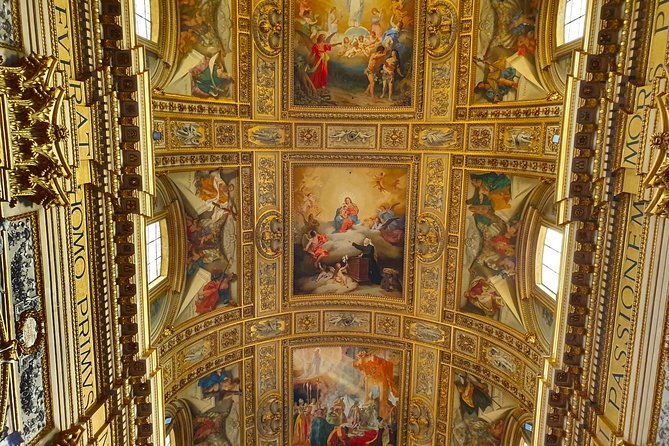
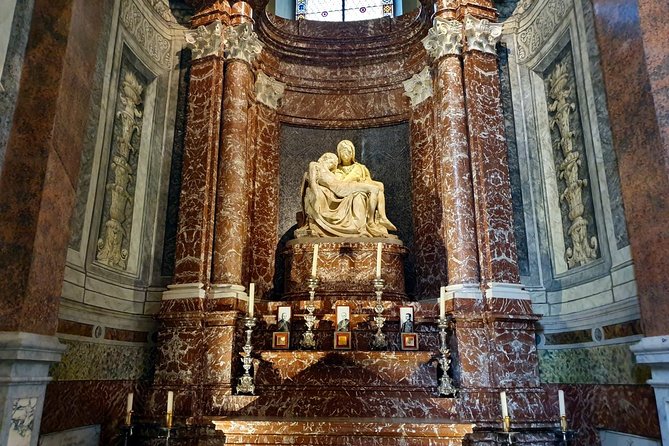
Stepping away from the grim history of Campo de’ Fiori, the tour ventures into the Barberini Chapel, where visitors uncover a different side of Rome’s religious legacy.
The chapel’s opulent interior awes, with its lavish frescoes and intricate architectural details.
Three highlights captivate the senses:
- The striking dome, adorned with celestial imagery, bathes the space in an ethereal glow.
- Borromini’s masterful design seamlessly integrates sculpture, painting, and architecture, creating a harmonious spiritual sanctuary.
- Glimpses of the Barberini family’s coat of arms, subtly incorporated throughout, offer a tantalizing peek into the chapel’s patrician past.
This oasis of beauty and craftsmanship provides a poignant contrast to the darker narratives explored earlier in the tour.
Uncovering Rome’s Suppressed Histories
Beyond the opulent splendor of the Barberini Chapel, the tour delves into Rome’s more somber past, unearthing the city’s long-suppressed histories. The group explores Campo de’ Fiori, once a bustling flower market transformed into an execution site by the Inquisition. The tour guide sheds light on the plight of Rome’s so-called "heretics," those individuals deemed a threat to the Catholic Church’s authority. A table provides a visual representation of the tour’s focus on uncovering these hidden narratives:
| Site | Historical Significance |
|---|---|
| Campo de’ Fiori | Execution site for "heretics" |
| San Giovanni dei Fiorentini | Final resting place of architect Borromini |
| Sant’Andrea Della Valle | Home to the Barberini Chapel’s stunning art |


Exploring Stunning Art and Architecture
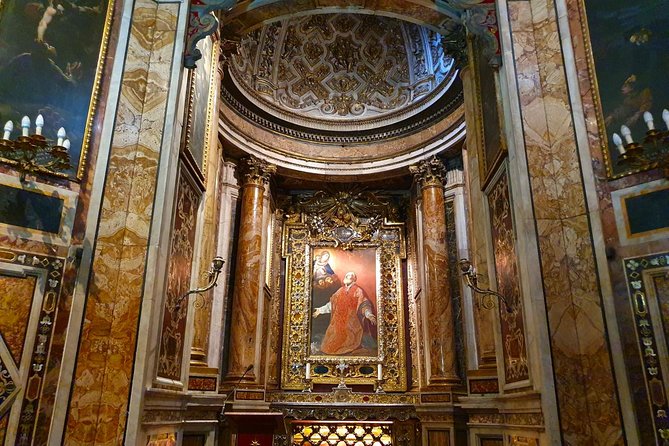
The tour’s exploration of Rome’s art and architecture is equally captivating.
Visitors marvel at the stunning Barberini Chapel, its ornate frescoes and sculptures evoking a sense of grandeur.
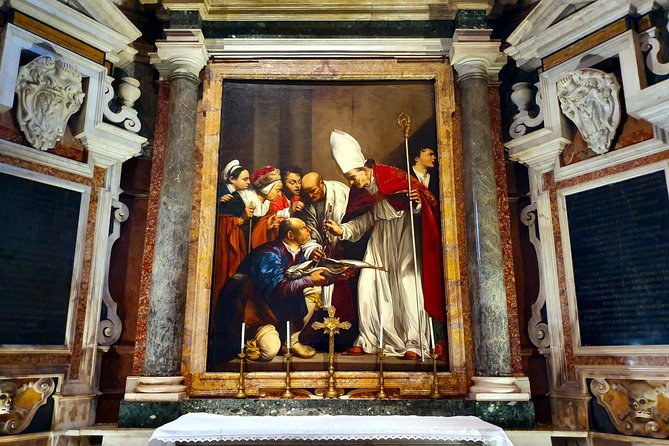
At Sant’Andrea Della Valle, the tour uncovers the hidden histories embodied in its remarkable architectural design.
From the intricate details of the facade to the awe-inspiring interior, participants gain a deeper appreciation for the city’s artistic heritage.
- The Barberini Chapel’s ornate frescoes and sculptures captivate visitors, evoking a sense of grandeur.
- Sant’Andrea Della Valle’s remarkable architectural design, from its intricate facade to its awe-inspiring interior, reveals hidden histories.
- Participants gain a deeper appreciation for Rome’s artistic heritage through the tour’s exploration of these stunning sites.
Practical Considerations for Tour Participants
Booking the tour well in advance is recommended, as the small group size of 5 travelers ensures an intimate experience.
The tour isn’t wheelchair accessible, so participants should consider their mobility. A dress code of covered shoulders, back, and knees is required for church entry.
The tour isn’t suitable for travelers with back problems, pregnant women, or those with serious medical conditions.
However, the tour is conveniently located near public transportation. Participants should be prepared for an engaging walking tour that explores the hidden histories and art of Rome’s Inquisition.
Impressive Reviews and Ratings
Travelers have overwhelmingly praised this tour, awarding it a perfect 5-star rating across all available reviews.
The tour’s exceptional quality is evident in several key factors:
-
Captivating Content: Guests are enthralled by the tour’s deep dive into Rome’s complex religious history, from the Inquisition to the stories of saints and heretics.
-
Knowledgeable Guides: Reviewers consistently highlight the expertise and passion of the tour guides, who bring the past to life with engaging narratives.
-
Unforgettable Experiences: From the Barberini Chapel’s stunning art to the haunting Campo de’ Fiori, the tour delivers a truly immersive and memorable experience.
The consistently positive feedback underscores the tour’s ability to exceed expectations and leave a lasting impression on all who embark on this enlightening journey.
Since You Asked
What Is the Dress Code for the Tour?
The tour has a dress code that requires participants to cover their shoulders, back, and knees for church entry. This dress code is in place to respect the religious nature of some of the sites visited during the tour.
Can the Tour Accommodate Travelers With Disabilities?
The tour is not wheelchair accessible and is not recommended for travelers with back problems, pregnant travelers, or those with serious medical conditions. However, the meeting point is near public transportation for those able to join the walking tour.
Is the Tour Wheelchair Accessible?
The tour is not wheelchair accessible, as stated in the information provided. It is a walking tour, and the meeting point and end point are on foot.
Can the Tour Be Booked on Short Notice?
This tour can be booked on short notice, as customers receive confirmation at the time of booking. The tour’s small group size of up to 5 travelers also allows for more flexible scheduling options.
How Do I Receive Confirmation of My Booking?
Confirmation of the booking is received at the time of booking, as stated in the Additional Information section. This ensures the traveler has proof of their reservation for the "Saints, Heretics and the Inquisition" tour in Rome.
Saints, Heretics and the Inquisition
“This was one of our favorite tours in Rome and highly recommended for anyone with an interest in the history of Rome’s churches, their architects…”
The Final Verdict
The Inquisition’s dark legacy in Rome underscores the complex interplay of faith, power, and art throughout history. Exploring this chilling period reveals how the Church’s intolerance led to the persecution of perceived threats, leaving an indelible mark on the city’s architectural and cultural landscape. Uncovering these suppressed histories offers a nuanced understanding of Rome’s rich yet turbulent past.


