
Perched in Peru’s stunning Sacred Valley, the ancient sites of Salinas de Maras and Moray captivate visitors with their remarkable feats of engineering and agricultural innovation. Salinas de Maras showcases over 2,000 salt ponds that have been in use for centuries, while Moray’s unique depressions served as cutting-edge agricultural laboratories for the Incas. These archaeological wonders offer a profound glimpse into the sophisticated practices of Peru’s ancestral civilizations. But the stories they hold extend far beyond the initial awe they inspire – unlocking the secrets of these sites could shed new light on the region’s vibrant cultural heritage.
Key Points
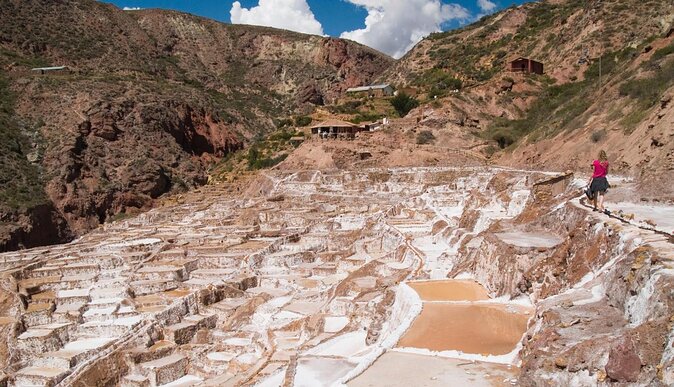
- Salinas de Maras and Moray are two culturally significant destinations in Cusco, Peru, showcasing ancient engineering and agricultural practices.
- Salinas de Maras features over 2,000 salt ponds that have been in use since the Inca empire, highlighting the region’s cultural heritage.
- Moray is an archaeological site with unique natural depressions used by the Incas for agricultural experimentation and understanding of the natural world.
- Tour packages include transportation, a professional guide, and entrance fees, providing a cost-effective way to explore these historic sites.
- Sustainable tourism practices are encouraged to preserve the cultural and environmental integrity of these fragile ecosystems.

👉 Check out our guide to the 2 Best Canoe And Kayak Experiences In Cusco
Contents
- Key Points
- Overview of Salinas De Maras and Moray
- Exploring the Salinas De Maras
- Discovering the Moray Archaeological Complex
- Tour Logistics and Inclusions
- Customer Feedback and Insights
- The Importance of Sustainable Tourism
- Preserving the Cultural Heritage
- Planning Your Visit to Salinas and Moray
- Frequently Asked Questions
- Are There Any Restrictions on Taking Photographs?
- Can I Purchase Local Handicrafts or Souvenirs On-Site?
- Are There Any Facilities or Amenities Available at the Sites?
- Can I Extend My Visit or Combine It With Other Nearby Attractions?
- What Is the Best Time of Year to Visit for Optimal Weather and Crowd Conditions?
- Recap
- Our Top Picks in Cusco
- More Tour Reviews in Cusco
- Not for you? Here's more things to do in Cusco we have recnetly reviewed
Overview of Salinas De Maras and Moray
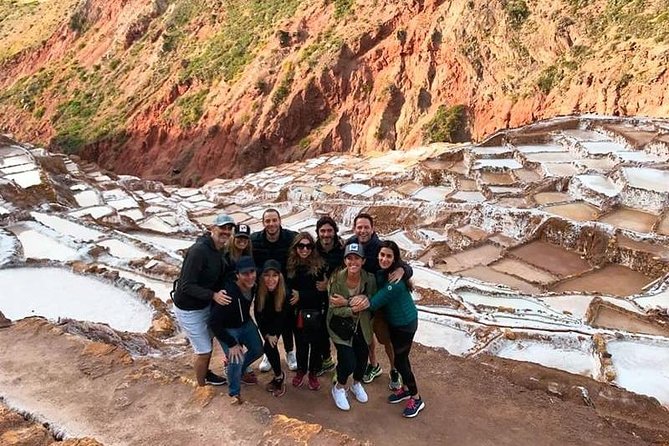
Salinas de Maras and Moray are two remarkable tourist attractions in Cusco, Peru, showcasing the region’s rich cultural heritage spanning from the pre-Inca to the republican eras.
Salinas de Maras consists of approximately 2,000 small wells that utilize a salt water spring from the mountain, while Moray features unique natural holes used by the Incas for agricultural terraces and irrigation systems.
These sites offer visitors the opportunity to explore the ingenious engineering and agricultural practices of ancient civilizations, providing a glimpse into the region’s captivating history.
Both Salinas de Maras and Moray are must-visit destinations for travelers seeking to enjoy Peru’s remarkable cultural legacy.
You can also read our reviews of more tours and experiences in Cusco.


Exploring the Salinas De Maras
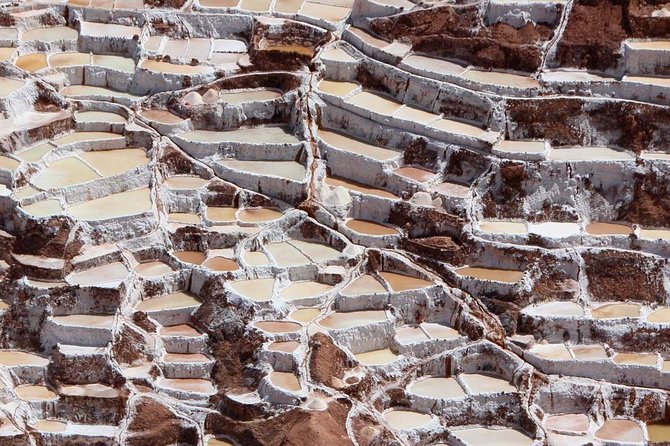
Nestled in the heart of Peru’s Sacred Valley, the Salinas de Maras is a captivating natural wonder that has enthralled visitors for centuries.
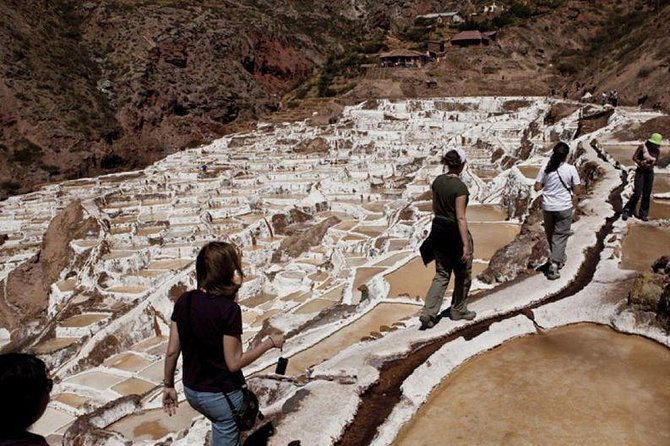
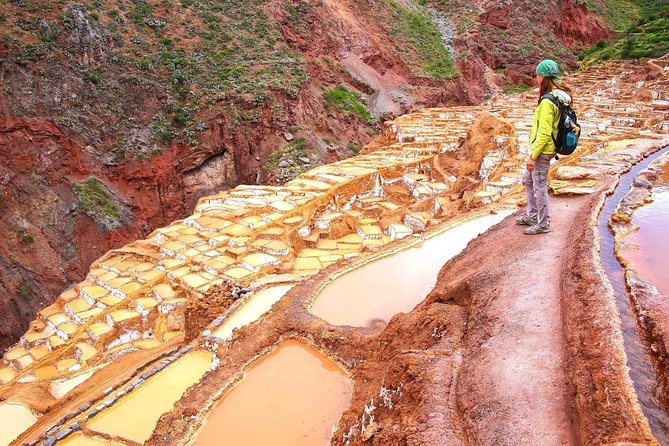
This intricate network of over 2,000 salt ponds, fed by a natural spring, has been in use since the Inca empire. Visitors can witness the ancient salt-harvesting process, where the salt water is channeled into the ponds and left to evaporate, leaving behind the valuable mineral.
The dramatic landscape, with its geometric patterns and sparkling white crystals, makes for a truly mesmerizing experience. Exploring the Salinas de Maras offers a unique glimpse into Peru’s rich cultural heritage and the ingenuity of its people.
Discovering the Moray Archaeological Complex
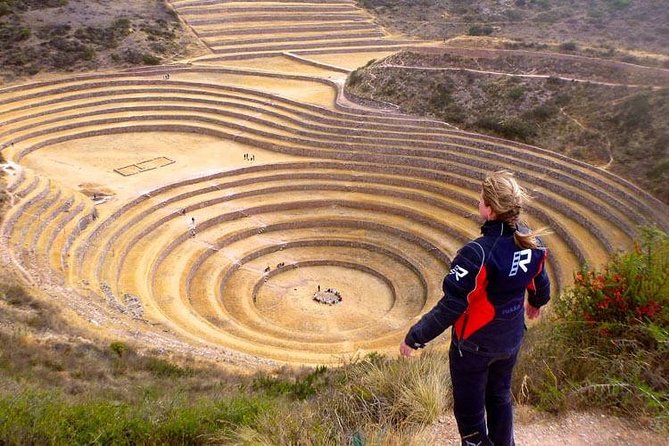
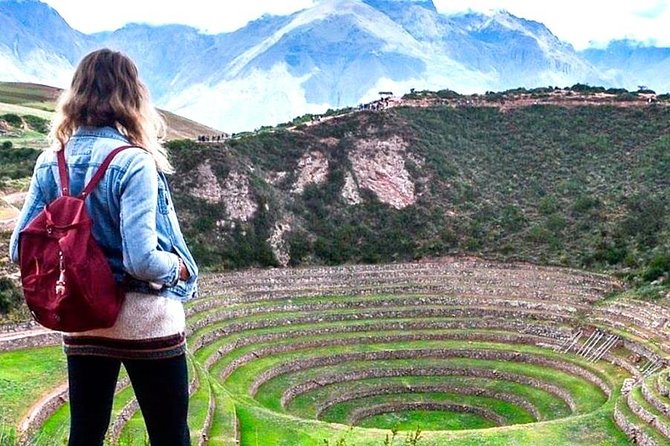
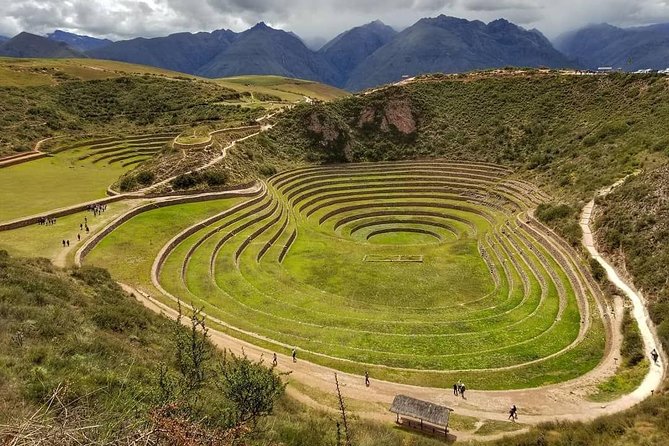
Situated just 7 kilometers southwest of the Salinas de Maras, the Moray Archaeological Complex captivates visitors with its unique Inca-era terraces. At an altitude of 3,385 meters above sea level, this ancient site features giant natural depressions that the Incas used for agricultural experimentation. The main hole reaches a staggering depth of 150 meters, with platforms averaging 1.80 meters in height. The purpose of these intricate terraces remains a mystery, though many believe they were used to study the effects of varying climatic conditions on crops.
| Feature | Description |
|---|---|
| Location | 7 km southwest of Maras, 53 km from Cusco |
| Altitude | 3,385 m.a.s.l. |
| Main Hole Depth | 150 meters |
| Platform Height | Averaging 1.80 meters |
The Moray Archaeological Complex stands as a testament to the Incas’ advanced agricultural practices and their profound understanding of the natural world.
Tour Logistics and Inclusions
The tour includes tourist transport, a professional guide, a tourist ticket (BTG or BTP), and an entrance ticket to the Salineras.
Pickup options are available, with the meeting point at Regocijo Square if the hotel isn’t near the historic center. The tour ends at the same meeting point.
While the tour has received an overall rating of 4.5 stars from 9 reviews, there was a negative review regarding a no-show incident, which the host has since apologized for due to a technical issue.
The tour isn’t wheelchair accessible, and the maximum group size is 15 travelers. Free cancellation is available up to 24 hours before the experience.
The price starts from $15.00.
Customer Feedback and Insights
The tour has received 9 reviews with an overall rating of 4.5 stars.
However, there’s a negative review regarding a no-show incident, which prompted an apology from the host due to a technical issue.
The tour is also not wheelchair accessible and has a maximum of 15 travelers.
Customers can cancel for free up to 24 hours before the experience starts, with confirmation received within 48 hours.
The price for this tour starts from $15.00, providing a cost-effective option for visitors to explore the Salinas de Maras and Moray sites in Cusco, Peru.


The Importance of Sustainable Tourism
Preserving the cultural and environmental integrity of iconic destinations like Salinas de Maras and Moray is crucial for sustainable tourism in Peru.
These ancient sites showcase millennia-old practices, and responsible visitation can support local economies while protecting their fragile ecosystems.
Tour operators must prioritize low-impact experiences, proper waste management, and fair compensation for indigenous communities.
Visitors, too, play a role by respecting guidelines, minimizing their footprint, and appreciating the significance of these remarkable places.
Sustainable tourism ensures these wonders remain accessible for future generations, fostering cross-cultural understanding and economic opportunities that benefit the entire Cusco region.
Preserving the Cultural Heritage
Salinas de Maras and Moray stand as living testaments to Peru’s rich cultural heritage, preserving millennia-old practices that have shaped the region.
At Salinas, the intricate network of salt wells has been in use since the Inca era, showcasing the ingenuity of ancient communities in harnessing natural resources.
Moray, meanwhile, features the Inca’s innovative agricultural terraces, carved into the earth to create microclimates for experimentation.
By preserving these sites, Peru not only honors its past but also inspires visitors to appreciate the enduring wisdom of its indigenous cultures.
Such efforts ensure that these marvels remain accessible to future generations, fostering a deeper understanding of the country’s rich heritage.
Planning Your Visit to Salinas and Moray
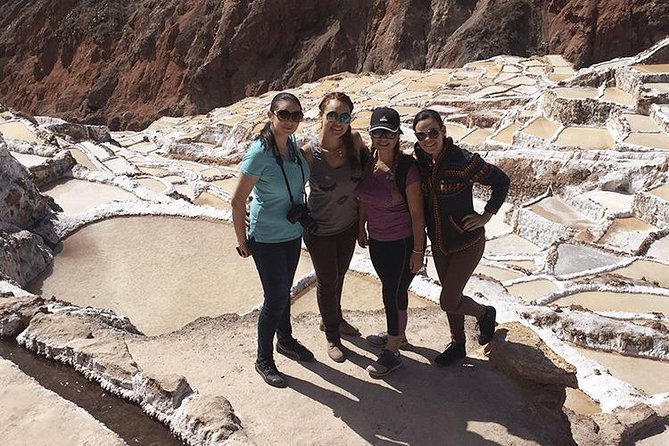
When planning your visit to Salinas de Maras and Moray, it’s important to consider the logistics and inclusions of the tour. The tour includes tourist transport, a professional guide, tourist tickets, and entrance to the Salineras. Pickup options are available, with the meeting point at Regocijo Square if your hotel is not near the historic center. The tour ends at the same meeting point. Plus, the tour has a maximum of 15 travelers and is not wheelchair accessible. See the table below for more details:
| Feature | Salinas de Maras | Moray |
|---|---|---|
| Visit Duration | 1 hour | 1 hour |
| Admission Ticket | Not Included | Not Included |
| Altitude | – | 3,385 m.a.s.l. |
| Main Attraction | 2,000 small salt wells | Giant natural holes used for terraces |
Frequently Asked Questions
Are There Any Restrictions on Taking Photographs?
Photography is generally permitted at the sites, but visitors should check for any specific restrictions. Some areas may have limited or prohibited photography for preservation or safety reasons. It’s best to inquire with the tour guide or site staff.
Can I Purchase Local Handicrafts or Souvenirs On-Site?
Yes, visitors can purchase local handicrafts and souvenirs on-site at both Salinas de Maras and Moray. There are vendors selling a variety of traditional Peruvian items, providing an opportunity to support the local artisans and economy.
Are There Any Facilities or Amenities Available at the Sites?
The Salinas de Maras and Moray sites offer basic amenities like restrooms and shaded areas for visitors. However, there are no food or beverage vendors on-site, so bringing snacks and water is recommended.
Can I Extend My Visit or Combine It With Other Nearby Attractions?
Visitors can extend their experience by combining the tour with other nearby attractions. They can add a visit to the historic center of Maras or explore additional Inca sites in the Sacred Valley region.
What Is the Best Time of Year to Visit for Optimal Weather and Crowd Conditions?
The best time to visit is during the dry season from May to October when the weather is mild and crowds are smaller. Avoid the rainy season from November to April for an optimal sightseeing experience.
Salinas De Maras & Moray
“No one ever arrived to pick us up and we were unable to get a response from anyone at the company. Viator has also been unable to get in contact wi…”
Recap
Salinas de Maras and Moray offer a unique window into Peru’s ancient heritage. These remarkable sites showcase the Inca’s advanced agricultural and salt-harvesting techniques, providing profound insights into their sophisticated understanding of the environment. Visiting these archaeological wonders allows travelers to connect with Peru’s rich cultural legacy and appreciate the ingenuity of its ancestral civilizations. Preserving these sites is crucial for future generations to learn from and appreciate the remarkable accomplishments of the Inca people.


