
Rio de Janeiro’s hillside enclave of Santa Teresa captivates visitors with its blend of history, art, and breathtaking vistas. Nestled atop the city’s hills, this charming oasis houses the vibrant Parque das Ruínas cultural hub and the lively Lapa District, known for its iconic Arcos da Lapa architecture and thriving art galleries. From the historic cable car to the narrow, steep streets and authentic cuisine, Santa Teresa offers a glimpse into the cultural richness that makes Rio such a beloved destination. Eager to discover more of this captivating neighborhood?
Key Points

- Parque das Ruínas, a cultural oasis atop Santa Teresa’s hills, blends history, art, and panoramic views of the city.
- Lapa District, renowned for its vibrant nightlife, features the iconic Arcos da Lapa, a captivating architectural marvel.
- The thriving local art scene showcases the creativity of the community through diverse art galleries and colorful murals.
- The historic Santa Teresa Cable Car provides a nostalgic journey through the charming hilltop neighborhood and stunning city views.
- Exploring the narrow, steep streets of Santa Teresa offers an authentic experience of the area’s rich history, vibrant culture, and delectable cuisine.

👉 Check out our guide to the 6 Best Canoe And Kayak Experiences In Rio De Janeiro
Contents
- Key Points
- Exploring Parque Das Ruínas
- Lively Lapa District
- Arcos Da Lapa Architecture
- Local Artists and Galleries
- Santa Teresa Cable Car
- Narrow, Steep Streets
- Authentic Rio Cuisine
- Cultural Richness of Rio
- Frequently Asked Questions
- What Is the Best Time of Year to Visit Santa Teresa?
- Is the Neighborhood Safe for Solo Female Travelers?
- Can I Pay With Credit Cards in Local Shops and Restaurants?
- Are There Any Guided Tours Available in the Area?
- Are There Public Restrooms or Facilities in Parque Das Ruínas?
- Recap
- Our Top Picks in Rio De Janeiro
- More Tour Reviews in Rio De Janeiro
- Not for you? Here's more things to do in Rio De Janeiro we have recnetly reviewed
Exploring Parque Das Ruínas

Parque das Ruínas, a cultural oasis nestled atop Santa Teresa’s hills, offers visitors a captivating blend of history, art, and stunning panoramic views. Housed in the remains of a former mansion, the park features a diverse cultural program, including art exhibits, live music performances, and workshops.
Visitors can explore the site’s preserved architectural elements, such as the ornate façade and intricate ironwork, while enjoying breathtaking vistas of the cityscape. The park serves as a hub for the local artistic community, showcasing the vibrant creativity that flourishes in this historic neighborhood. With its unique blend of past and present, Parque das Ruínas invites visitors to enjoy the rich cultural tapestry of Santa Teresa.
You can also read our reviews of more tours and experiences in Rio De Janeiro.


Lively Lapa District
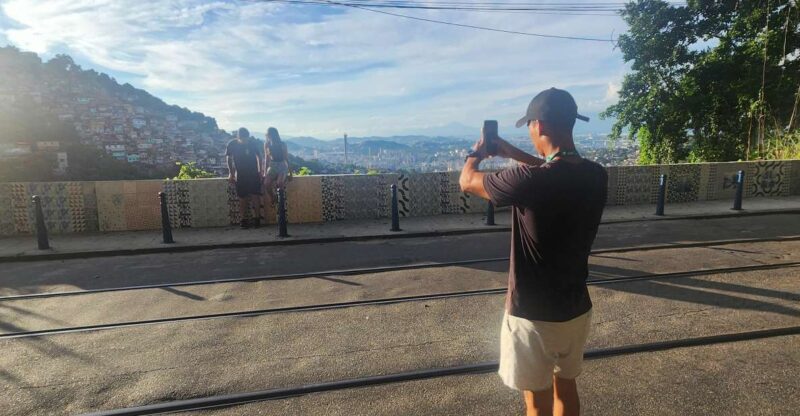
Nestled adjacent to Santa Teresa, the Lapa district is renowned for its vibrant nightlife and iconic architectural marvel, the Arcos da Lapa. This impressive colonial-era structure, featuring a series of graceful arches, serves as a gateway to the neighborhood’s lively bars, concert halls, and traditional restaurants.
Visitors can enjoy the pulsing energy of Lapa, sampling delectable Rio cuisine and experiencing the rich tapestry of Brazilian music and dance. The district’s bohemian spirit is further reflected in its abundance of art galleries, where visitors can discover the works of talented local artists.
Lapa’s captivating blend of history, culture, and entertainment makes it an essential stop on any exploration of Rio’s diverse neighborhoods.
Arcos Da Lapa Architecture

Towering over the Lapa district, the Arcos da Lapa stands as an iconic architectural landmark. This impressive colonial-era structure, with its series of grand arches, was originally built in the 18th century to carry water from the Carioca River to the city center.
Today, the Arcos da Lapa serve as a stunning gateway to the vibrant Lapa neighborhood, known for its lively nightlife and rich cultural heritage. Visitors can admire the Arcos’ intricate stonework and stroll beneath the towering arches, which offer a unique perspective on the bustling streets below.
As a symbol of Rio’s rich history, the Arcos da Lapa continue to captivate both locals and travelers alike.
Local Artists and Galleries
The vibrant art scene in Santa Teresa is a testament to the neighborhood’s creative energy. Visitors can discover a wealth of local artists’ studios and art galleries tucked away along the winding cobblestone streets.
From colorful murals adorning the walls to intimate exhibition spaces, the area showcases the diverse talents of Rio’s artistic community. Painters, sculptors, and street artists all find inspiration in the unique character of Santa Teresa, transforming the urban landscape into an open-air gallery.
Engaging with this thriving arts hub allows travelers to connect with the neighborhood’s cultural roots and gain a deeper appreciation for the city’s vibrant artistic spirit.
More Great Tours NearbySanta Teresa Cable Car
Boarding the iconic Santa Teresa Cable Car offers visitors a nostalgic journey and spectacular panoramic views of Rio de Janeiro. This historic transportation system, known as the "bonde," has been operating since 1877, connecting the charming hilltop neighborhood to the city center.
Passengers can admire the colorful buildings, cobblestone streets, and lush vegetation as the cable car ascends the steep hills. The 20-minute ride provides an exceptional vantage point to appreciate Rio’s breathtaking landscape, including the towering Christ the Redeemer statue and the iconic Sugarloaf Mountain.
For those seeking a unique and authentic experience, the Santa Teresa Cable Car is an essential part of exploring the cultural richness and charm of this vibrant neighborhood.


Narrow, Steep Streets
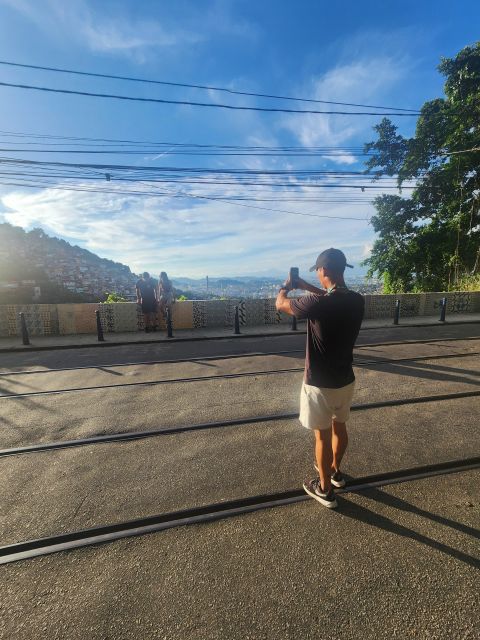
Winding through the hilltop neighborhood, Santa Teresa’s narrow, steep streets offer visitors a captivating glimpse into the area’s rich history and vibrant culture. Lined with colorful buildings, these meandering paths invite exploration, leading visitors past charming cafes, local art studios, and quaint plazas.
As they climb the hilly terrain, travelers are rewarded with stunning views of Rio’s iconic landmarks, including the Christ the Redeemer statue and Guanabara Bay. The neighborhood’s compact layout encourages a leisurely pace, allowing visitors to enjoy the sights, sounds, and authentic atmosphere that make Santa Teresa such a beloved part of the city.
Authentic Rio Cuisine
Amid Santa Teresa’s colorful streets, visitors can indulge in the vibrant flavors of authentic Rio cuisine. From traditional Brazilian staples to modern fusion dishes, the neighborhood’s dining scene offers a tantalizing taste of the city’s culinary heritage.
Some must-try local delicacies include:
-
Feijoada – A hearty stew made with black beans, pork, and a variety of smoked meats, often served with rice, collard greens, and orange slices.
-
Moqueca – A fragrant seafood stew simmered in coconut milk, peppers, and herbs, typically served with farofa (toasted cassava flour).
-
Pastel – A crispy, savory pastry filled with ground meat, cheese, or other fillings, perfect for a quick snack or appetizer.
Cultural Richness of Rio
Santa Teresa’s cultural richness is palpable, with a diverse array of art galleries, music venues, and historical landmarks that showcase the vibrant spirit of Rio de Janeiro. The neighborhood is dotted with studios and workshops where local artists create stunning murals, sculptures, and paintings that reflect the city’s unique identity.
Visitors can enjoy the lively music scene, exploring traditional bars and concert halls that feature the rhythms of samba, bossa nova, and other Brazilian genres. Beyond the arts, Santa Teresa’s historic architecture, such as the iconic Arcos da Lapa, provides a glimpse into the neighborhood’s storied past, making it a must-visit destination for those seeking to experience the cultural depth of Rio.
Frequently Asked Questions
What Is the Best Time of Year to Visit Santa Teresa?
The best time to visit Santa Teresa is during the dry season from May to September when the weather is mild and sunny, making it ideal for exploring the neighborhood’s charming streets and cultural attractions.
Is the Neighborhood Safe for Solo Female Travelers?
Santa Teresa is generally considered safe for solo female travelers, but it’s always wise to take basic precautions. The neighborhood is lively and vibrant, with plenty of local attractions and cultural experiences to enjoy.
Can I Pay With Credit Cards in Local Shops and Restaurants?
Yes, you can generally use credit cards at local shops and restaurants in Santa Teresa. Many businesses accept major credit cards, though cash is still the preferred payment method for some more traditional establishments.
Are There Any Guided Tours Available in the Area?
Yes, there are guided tours available to explore Santa Teresa. Visitors can join walking, cable car, or combo tours led by local experts to discover the neighborhood’s historic sites, art, and vibrant culture.
Are There Public Restrooms or Facilities in Parque Das Ruínas?
Yes, Parque das Ruínas does have public restrooms and facilities for visitors. The park’s amenities are well-maintained and easily accessible, providing a convenient option for those exploring this vibrant cultural destination in Rio de Janeiro.
Santa Teresa: Charm and Culture in Rio.
Recap
Santa Teresa offers visitors a captivating blend of history, art, and stunning vistas. From the vibrant cultural hub of Parque das Ruínas to the charming streets and authentic cuisine, this neighborhood invites travelers to enjoy the rich cultural tapestry of Rio de Janeiro. With its iconic landmarks, thriving art scene, and unique character, Santa Teresa is a must-visit destination that showcases the city’s enduring spirit.
You can check availability for your dates here:


