Introduction
If you’re seeking an authentic slice of Japanese culture in Tokyo, this Tea Ceremony & Japanese Sweets experience at Koboji Temple offers a beautiful glimpse into centuries-old traditions. While we haven’t personally participated, reviews consistently highlight it as a serene, well-guided, and deeply cultural activity that transports you into Japan’s Zen roots.
Two things we love about this tour are its attention to detail—from wearing the exquisite Oshima Tsumugi haori to mastering the art of whisking matcha—and the peaceful setting inside a traditional tatami room. The chance to wear a rare silk kimono adds a special touch that makes the experience feel truly memorable. A possible consideration is that it’s a relatively short session, so if you’re craving a deeper dive into Japanese tea culture, this might feel like just a sweet glimpse.
This experience suits travelers who appreciate craftsmanship, want a peaceful cultural moment, or love trying traditional activities in an intimate environment. It’s perfect for those wanting to combine sightseeing with a calming, meaningful ritual.
Key Points
- Authentic setting: Held in a genuine 24-mat tatami room at Koboji Temple.
- Cultural immersion: Learn about the tea ceremony, ikebana, and kimono traditions.
- Beautiful attire: Wear a luxurious Oshima Tsumugi haori—a silk textile from Amami Oshima.
- Hands-on participation: Whisk your own matcha and enjoy seasonal wagashi sweets.
- Expert guidance: Clear, friendly explanations in both English and Japanese.
- Small group: Limited to 10 participants for a personal, peaceful experience.
What to Expect on Your Visit
The experience begins at Mita Koboji Temple, a peaceful site where you’ll meet your guide and fellow participants. Expect a brief introduction to the significance of the tea ceremony, which epitomizes values like harmony, respect, purity, and tranquility—the core of Zen practice.
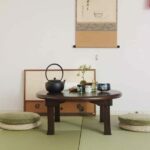
Once dressed in the Oshima Tsumugi haori, you’ll step into a beautifully preserved 24-mat tatami room, an environment that instantly sets a tone of calmness and reverence. Your guide will walk you through the utensils used in the ceremony, explaining their symbolism and function. This is not just about drinking tea—it’s about understanding a ritual that has been refined over centuries.
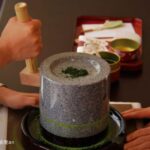
The core of the activity involves preparing your own bowl of matcha, a process requiring patience and a steady hand. You’ll whisk the green powder with hot water until frothy, experiencing firsthand the meticulous attention to detail that makes the ceremony so special. Alongside, you’ll enjoy beautifully crafted seasonal wagashi, traditional Japanese sweets that balance the bitterness of matcha with sweetness and texture.
Throughout, guides offer explanations in both English and Japanese, making it accessible for international visitors. Most sessions last around 75 minutes, including preparation, tasting, and some cultural commentary. Reviews emphasize the peacefulness and beauty of the setting, with many noting how this ritual opens a window into Japan’s Zen-inspired aesthetic.
Wearing the Oshima Tsumugi Haori
One unique aspect of this tour is the opportunity to wear a rare Oshima Tsumugi haori, a silk kimono from Amami Oshima known for its delicate kasuri patterns and mud-dyeing techniques. This textile isn’t just beautiful; it’s a symbol of Japanese craftsmanship. Several reviews mention that wearing this fabric elevates the experience, making it perfect for photos and memorable moments.
Participants have noted that this adds a layer of elegance and authenticity, helping you feel part of a tradition rather than just an observer. It’s a rare chance to don a garment that is both historically and culturally significant.
The Atmosphere and Setting
The setting of Koboji Temple is a major highlight. The temple’s tranquil atmosphere amplifies the sense of mindfulness and respect inherent in the tea ceremony. Many reviews describe the environment as serene, calming, and ideal for a break from busy city life.
The tatami room, with its simple wooden architecture and natural light filtering through paper shoji screens, perfectly embodies the Japanese aesthetic of wabi-sabi—beauty in imperfection and simplicity. It’s a space where time seems to slow down, allowing you to focus fully on the ritual.
Guides, Language, and Group Size
Guidance is provided in both English and Japanese, ensuring clarity and making the activity accessible to international visitors. With a small group limit of 10, you’ll enjoy personalized attention and a more intimate, peaceful atmosphere. Several reviews praise the guides’ knowledge, patience, and friendly demeanor, emphasizing that explanations are clear and helpful, even for beginners.
Participants ranged from solo travelers to small groups, with some mentioning that the experience felt very private and personal. For groups over 10, advance contact is recommended, but most find the group size ideal for a relaxed, engaging activity.
Pricing and Value
Though a specific price isn’t detailed here, the experience is designed to be a worthwhile culture. For about 75 minutes of guided instruction, participation in a traditional ritual, wearing a silk haori, and enjoying sweets, many consider the price justified.
Compared to other cultural activities in Tokyo, this tour offers a high level of authenticity and personal engagement. You aren’t just watching a demonstration—you’re actively participating, which adds value. The inclusion of a beautifully crafted textile like the Oshima Tsumugi makes it more than just a lecture; it becomes a memory.
Reviews in Brief
Many travelers describe the experience as peaceful, informative, and beautiful. One reviewer from France wrote that the ceremony was “calm and enriching,” appreciating the clear explanations and friendly host. A visitor from Russia noted how the process of making and drinking matcha was relaxing and beautifully explained. Several travelers highlighted the warmth and attentiveness of the guides, making it a suitable activity for those new to Japanese culture.
A minor disappointment mentioned by one reviewer was that trying on a kimono isn’t included, despite promotional images suggesting it might be. But overall, the consensus is very positive—many say it is a “must-do” experience in Tokyo.
The Sum Up
This Tea Ceremony & Japanese Sweets experience at Koboji Temple offers a gentle yet profound glimpse into Japanese tradition. The chance to wear a silk haori, learn from knowledgeable guides, and enjoy authentic sweets makes it a memorable cultural highlight. Its intimate setting and focus on mindfulness make it especially appealing for travelers who seek more than just sightseeing—they want a moment of calm and reflection.
Ideal for those curious about Japan’s Zen roots, lovers of craftsmanship, or anyone wanting a peaceful cultural escape, this activity delivers genuine insight without feeling rushed or commercialized. It’s well suited for individuals, couples, or small groups looking to connect with Japanese heritage on a personal level.
If you’re after a beautifully authentic, calming, and engaging experience that combines tradition, craftsmanship, and cultural insight—all within the historic setting of a Tokyo temple—this tour is a solid choice.
Frequently Asked Questions
Is this experience suitable for beginners with no experience in tea ceremonies?
Absolutely. The guides provide clear explanations, and the activity is designed to be accessible even for first-timers. You’ll learn everything step-by-step and have plenty of opportunities to ask questions.
How long does the tour last?
The total duration is approximately 75 minutes, including preparation, tasting, and explanations. It’s a manageable length that fits well into a busy sightseeing day.
Do I need to speak Japanese to enjoy this experience?
Not at all. Guidance is provided in both English and Japanese, making it easy for international travelers to follow along and fully participate.
Is wearing the Oshima Tsumugi haori included in the tour?
Yes, participants get to wear this luxurious silk kimono, which adds a special touch to the experience and makes for great photos.
Can I join as a solo traveler?
Yes, reservations for single participants are accepted, though cancellations may apply. Small group size ensures a personal experience.
Are there any dietary restrictions I should know about?
The sweets are made with ingredients like white bean paste, sugar, and other common Japanese confectionery components. If you have allergies or dietary restrictions, it’s best to inform the organizers in advance.
What should I wear or bring?
You just need to arrive on time; the guides will handle the kimono fitting and ceremonial setup. Comfortable clothing underneath the kimono is recommended for those who wish to wear the haori.
This authentic Japanese tea ceremony combines tradition, craftsmanship, and serenity in a way that makes it truly special. Whether you’re a culture enthusiast or simply seeking a peaceful moment in Tokyo, the experience provides a meaningful connection to Japan’s Zen roots.
Tea Ceremony & Japanese Sweets at a Historic Temple in Tokyo
“Amazing! Must do in Tokyo!”
Our Top Picks in Tokyo





Fascinated by Tokyo's past? More historical tours we've covered