
Beneath the bustling streets of Rome lies a sprawling labyrinth that’s steeped in history. This expansive underground network of tunnels, originating from ancient Roman quarries, offers visitors a glimpse into the engineering prowess and harsh realities of the empire’s past. Equipped with helmets and lights, explorers can traverse ancient catacombs, uncover a mysterious mithraeum, and even sample the traditional wine, Mulsum, all while gaining a deeper understanding of the daily struggles faced by the enslaved workers who contributed to Rome’s grandeur. What secrets might this subterranean world unveil?
Key Points
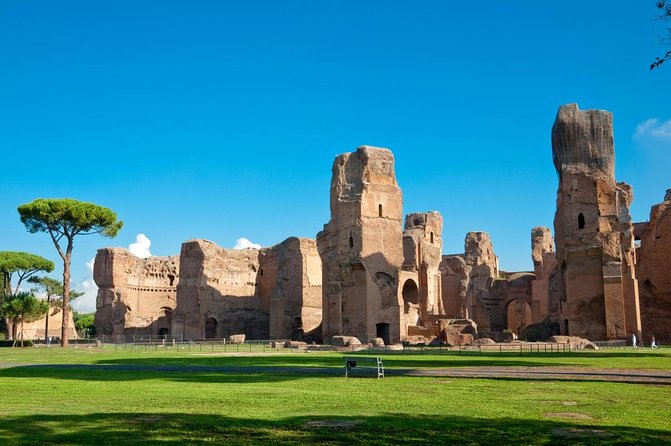
- An expansive underground network of tunnels and chambers from a Roman quarry, spanning over 5 miles and offering a glimpse into ancient Roman life.
- Guided tours allow visitors to uncover the marks left by slave workers, while exploring ancient catacombs and a mithraeum, a sacred Roman ritual space.
- The tour provides a visceral understanding of the harsh realities and backbreaking labor endured by enslaved Romans during the Roman Empire’s construction.
- Visitors can experience a unique tasting of Mulsum, a traditional Roman wine infused with honey and spices, to further enjoy the flavors of the past.
- The tour is generally accessible, but physically demanding exploration may pose challenges for some participants, ensuring inclusivity while maintaining safety.

👉 Check out our guide to the 20 Best 2 Day Tours In Rome
Contents
- Key Points
- Exploring the Vast Underground Site
- Uncovering Ancient Roman Quarry Secrets
- Experiencing Life of Roman Slaves
- Discovering the Ancient Catacombs
- Unearthing the Mysterious Mithraeum
- Savoring the Taste of Mulsum
- Accessibility and Recommendations
- Visitor Feedback and Ratings
- Frequently Asked Questions
- What Is the Park’s Name Where the Labyrinth of Rome Is Located?
- What Is the Duration of the Tasting of Mulsum (Roman Wine)?
- Is the Tour Suitable for Those With Back Issues or Pregnant Travelers?
- What Is the Cancellation Policy for the Labyrinth of Rome Tour?
- What Is the Meeting Point for the Tour, and Is It Easily Accessible?
- Recap
- Our Top Picks in Rome
- More Tour Reviews in Rome
- Not for you? Here's more things to do in Rome we have recnetly reviewed
Exploring the Vast Underground Site

Visitors will descend into the expansive underground site, navigating a network of tunnels that once served as a Roman quarry. This vast labyrinth stretches over 5 miles, offering a glimpse into ancient Roman life.
Equipped with helmets and lights, explorers will uncover the marks left by slave workers, who toiled to extract stone for the city’s construction.
Traversing the shadowy corridors, visitors will encounter ancient catacombs and a mithraeum, a sacred space where the Roman mystery cult of Mithras once conducted rituals.
The tour culminates with a tasting of Mulsum, a traditional Roman wine infused with honey and spices, allowing visitors to fully enjoy the history of this remarkable underground world.
You can also read our reviews of more tours and experiences in Rome.


Uncovering Ancient Roman Quarry Secrets
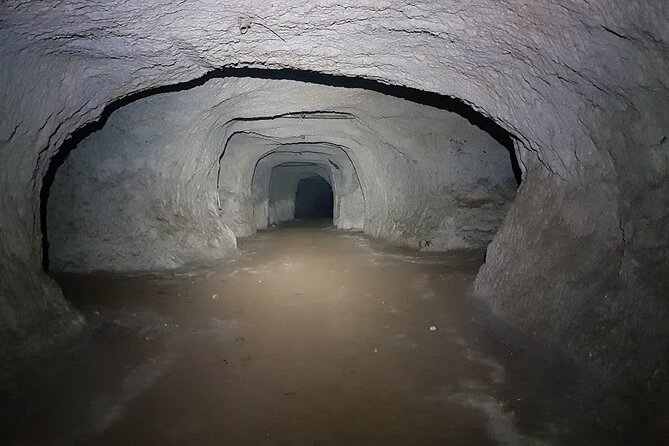
As visitors descend into the expansive underground site, they’ll uncover the secrets of an ancient Roman quarry that stretches over 5 miles.
This labyrinth of tunnels, carved by slave labor, offers a rare glimpse into the daily lives and backbreaking work of Rome’s ancient inhabitants. Equipped with helmets and LED lights, explorers can trace the marks left by ancient workers, imagining the challenges they faced in this subterranean world.
Winding through the shadowy passages, visitors will gain a deeper appreciation for the sheer scale and ingenuity of the Romans’ engineering feats, as well as the harsh realities that powered their vast empire.
Experiencing Life of Roman Slaves
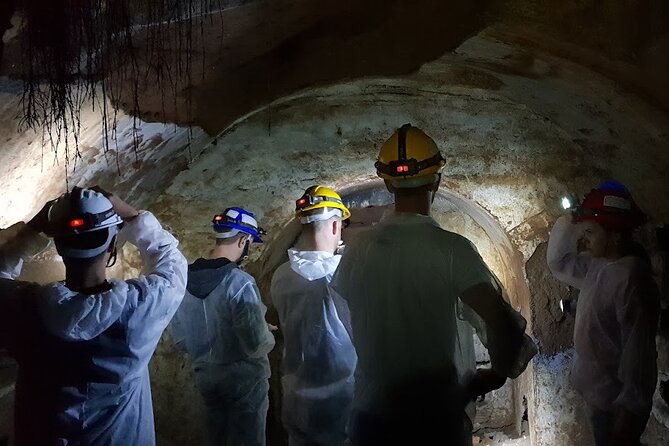
Within the shadowy depths of the Labyrinth, visitors come face-to-face with the harsh realities that enslaved Romans endured. Guided through the ancient tunnels, they witness the backbreaking labor that slaves performed to extract stone for Rome’s grand construction projects.
The walls bear the marks of their tools, a testament to the grueling conditions they faced daily. Visitors can almost feel the weight of the stone blocks on their shoulders as they imagine the toil and struggle of these forgotten workers.
The tour provides a visceral understanding of the lives sacrificed to build the Eternal City, leaving a lasting impression on all who descend into this underground realm.
Discovering the Ancient Catacombs

Descending deeper into the Labyrinth, the ancient catacombs emerge, a vast network of underground burial chambers that once sheltered early Christian communities.
The tour explores these sacred spaces, where visitors can:
-
Gaze upon the intricate carvings and inscriptions that adorn the walls, offering glimpses into the lives and beliefs of the people interred here.
-
Wander through dimly lit corridors, imagining the solemn processions that once echoed through these halls as the faithful laid their loved ones to rest.
-
Gain a deeper understanding of the vital role these catacombs played in the survival and flourishing of the early Christian faith during times of persecution.
The Labyrinth’s catacombs provide a profound connection to the past, allowing visitors to enjoy the rich history of Rome’s hidden spiritual underworld.
Unearthing the Mysterious Mithraeum
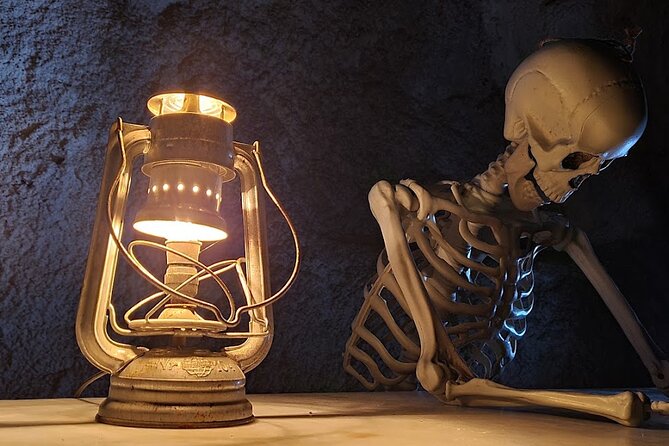
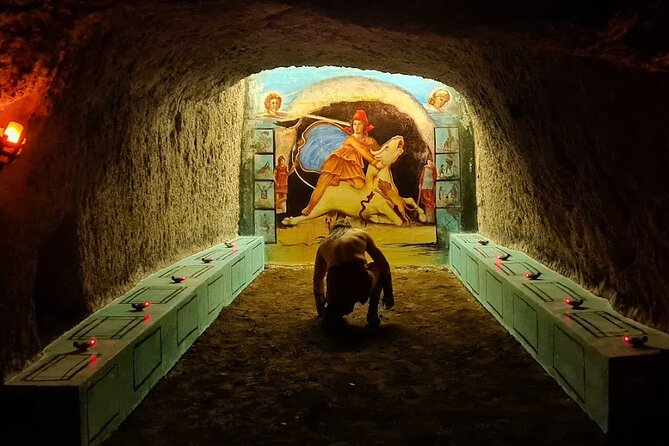
The Labyrinth’s most captivating feature is the mithraeum, an ancient place of worship dedicated to the mysterious cult of Mithras.
Visitors are awed by the dimly lit underground chamber, its walls adorned with intricate carvings and symbols related to the cult. Mithraism was a secretive religion popular among Roman soldiers, and the mithraeum offers a glimpse into its rituals and beliefs.
Guides explain how the space was used for initiations and ceremonies, highlighting the significance of the altar and the carved images of Mithras slaying a bull.
Exploring this unique archaeological find allows visitors to explore the rich tapestry of Rome’s religious history.


Savoring the Taste of Mulsum
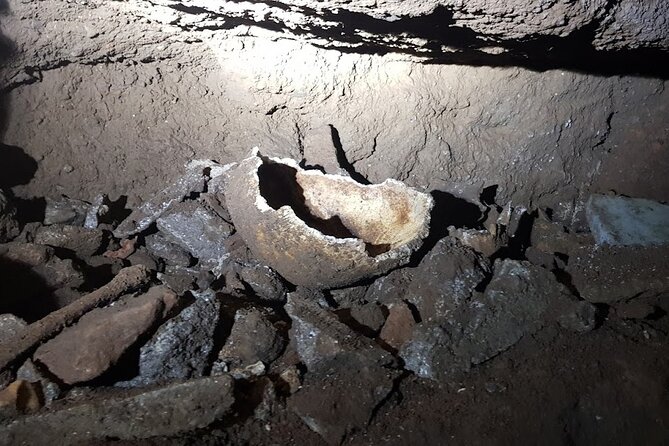
As the tour reaches its culmination, visitors look forward to savoring the taste of Mulsum, a unique Roman wine made with honey and spices.
This ancient libation offers a captivating connection to the past, with its rich, complex flavors transporting guests to a bygone era.
The tasting experience includes:
- Observing the amber hue of the Mulsum, reflecting the warmth of its honey-infused notes.
- Inhaling the aromatic blend of spices, which add depth and complexity to the wine.
- Savoring the smooth, slightly sweet taste that lingers on the palate, leaving a lasting impression of ancient Roman indulgence.
This final act of the Labyrinth of Rome tour provides a fitting end to the journey, allowing visitors to fully enjoy the flavors of the past.
Accessibility and Recommendations
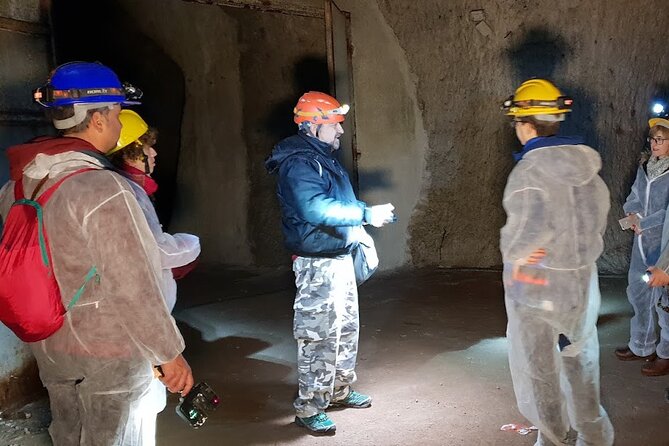
One of the key considerations for the Labyrinth of Rome tour is its accessibility. The tour is suitable for wheelchair users and those with strollers, making it a viable option for families.
However, it’s not recommended for visitors with back issues, pregnant travelers, or those with serious medical conditions, as the underground exploration can be physically demanding.
The tour’s free cancellation policy up to 24 hours before the experience provides flexibility for those unsure about their ability to participate.
Visitor Feedback and Ratings
Amidst the diverse perspectives on the Labyrinth of Rome, visitors have shared a range of feedback and ratings. The tour boasts an overall rating of 4.0 from 16 reviews, with positive comments highlighting the knowledgeable guides and the unique, historical nature of the experience.
However, some visitors expressed disappointment, citing unmet expectations regarding the tour content, such as seeing more traditional Roman tunnels, and concerns about the distance to the entrance.
The mixed reviews reflect the complex nature of the Labyrinth, offering visitors:
- An educational journey through lesser-known aspects of ancient Rome
- Opportunities to connect with the shadows and stories embedded in the walls
- Varying degrees of satisfaction based on individual expectations and experiences.
Frequently Asked Questions
What Is the Park’s Name Where the Labyrinth of Rome Is Located?
The Labyrinth of Rome is located in Parco Regionale dell’Appia Antica, a beautiful park that offers visitors a glimpse into ancient Roman life through its vast underground site.
What Is the Duration of the Tasting of Mulsum (Roman Wine)?
The tasting of Mulsum, a Roman wine made with honey and spices, is included as part of the 1-hour tour of the Labyrinth of Rome. Visitors can enjoy this historical beverage at the end of their underground exploration.
Is the Tour Suitable for Those With Back Issues or Pregnant Travelers?
The tour is not recommended for those with back issues or pregnant travelers, as the underground exploration can be challenging. However, the tour is accessible for wheelchairs and strollers.
What Is the Cancellation Policy for the Labyrinth of Rome Tour?
The Labyrinth of Rome tour offers free cancellation up to 24 hours before the experience, allowing visitors flexibility to adjust their plans without penalty.
What Is the Meeting Point for the Tour, and Is It Easily Accessible?
The meeting point is in front of the McDonald’s entrance at Colli Albani. The tour is accessible for wheelchairs and strollers, though it’s not recommended for those with certain medical conditions.
The Labyrinth of Rome
“It was my wife’s 40th birthday. We decided to do all of our excursions through this app which all of the other ones were perfect, except this one…”
Recap
The Labyrinth of Rome offers a captivating glimpse into ancient Roman engineering and the harsh realities of slave labor. Visitors can explore catacombs, a mithraeum, and savor the traditional wine, Mulsum, while gaining insights into the past. With its expansive underground network and informative experience, the Labyrinth is a must-visit destination for history enthusiasts and adventure-seekers alike.


