If you’re curious about Japanese traditions, a visit to a sumo stable for a morning training session offers a rare chance to see the sport’s discipline firsthand. While many travelers flock to flashy sumo shows or visit museums, this tour pulls back the curtain and lets you watch professional wrestlers in the midst of their intense routines. It’s an intimate and authentic experience that brings you closer to Japan’s oldest sport than most other activities.
What we love about this experience is its exclusivity—it’s not every day you get a front-row seat to see sumo wrestlers in their natural environment. Plus, the opportunity for a ceremonial photograph with a sumo wrestler means you’ll leave with a vivid memory of your visit. On the flip side, the brief 2-hour duration and strict guidelines about photography and behavior may be a consideration for travelers seeking a more relaxed or flexible experience.
This tour suits those interested in Japanese culture and sports, especially travelers eager to see something more authentic than staged performances. It’s perfect for history buffs, sports enthusiasts, and anyone wanting a closer, more personal look at this traditional sport. If you’re after a quick, meaningful glimpse into sumo life, this tour might just be your best bet.
Key Points
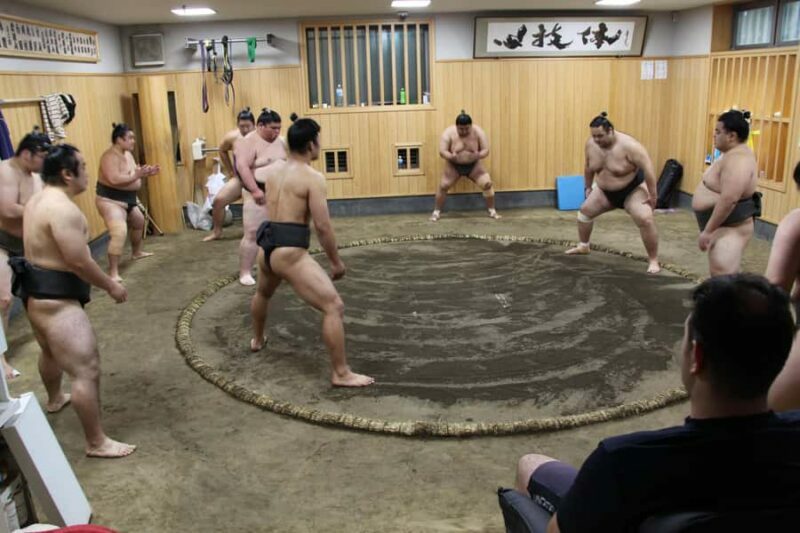
- Authentic experience: A rare opportunity to observe professional sumo wrestlers practicing up close.
- Cultural insights: Gain a deeper understanding of sumo traditions and discipline.
- Photo opportunity: Capture a ceremonial photo with a sumo wrestler after the session.
- Convenient location: Meet at Honjo-Azumabashi Station, a central point in Tokyo.
- Limited duration: Just two hours, making it easy to fit into a busy sightseeing day.
- Strict guidelines: Be aware of the rules about photography, attire, and behavior—respect is key.

👉 Check out our guide to the 2 Best Craft Beer Tours And Tastings In Tokyo
Contents
- Key Points
- Exploring the Sumo Stable: A Step-by-Step Breakdown
- Practical Details: What You Need to Know
- The Value in Context
- Final Thoughts: Who Should Consider This Tour?
- FAQ
- Our Top Picks in Tokyo
- More Morning in Tokyo
- More Tours in Tokyo
- More Tour Reviews in Tokyo
- Not for you? Here's more things to do in Tokyo we have recnetly reviewed
Exploring the Sumo Stable: A Step-by-Step Breakdown
The tour kicks off at Honjo-Azumabashi Station, conveniently located on the eastern side of Tokyo. Meeting near Exit A4, you’re immediately set in a neighborhood that’s less touristy but rich in local flavor. The guide, who speaks English, will lead your small group to the sumo stable, giving you a chance to appreciate the surroundings before the action begins.
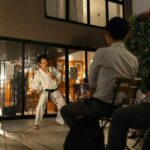
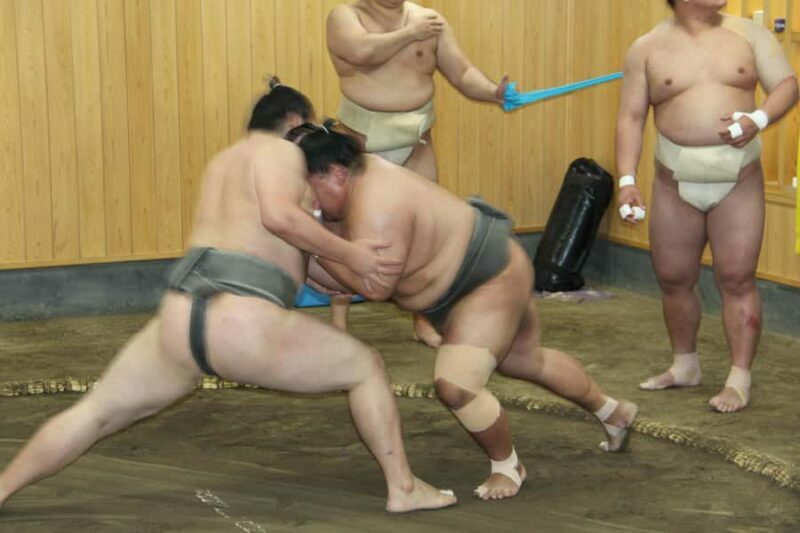
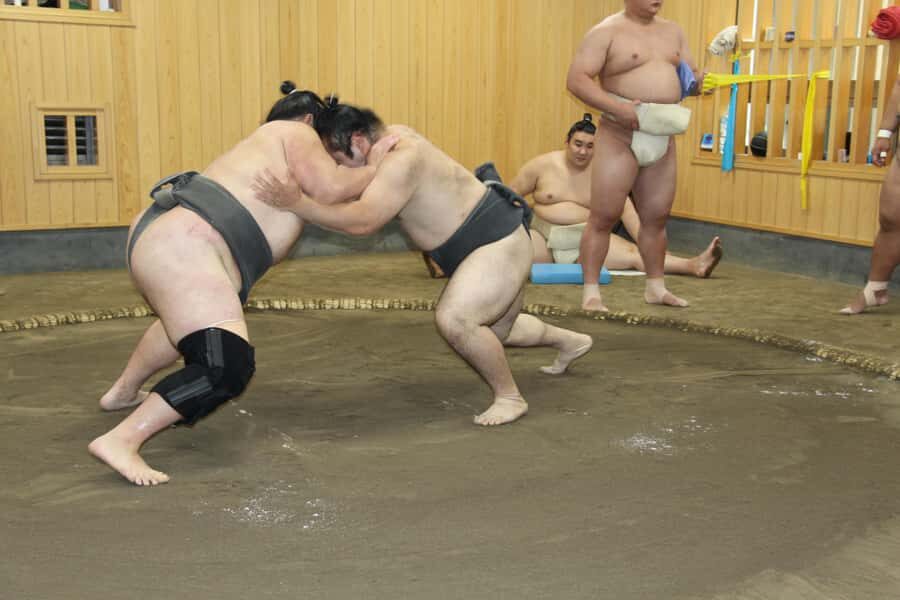
Once inside the stable, you’ll witness professional wrestlers engaging in their morning practice. This is not a staged performance; it’s serious training. You’ll see wrestlers in their traditional mawashi (loincloths), working through drills that emphasize strength, balance, and technique. The atmosphere is charged with focus and dedication, as you observe athletes pushing their physical limits.
The tour provides a close-up view—you’ll be just a few feet from the action. As one review notes, “I liked the wrestling so close in front of you,” emphasizing how intimate and real the experience feels. The intensity is palpable; you might enjoy watching wrestlers throw each other, practice their footwork, or simply rest between routines.
After the practice, you’ll have the chance to pose for a ceremonial photo with a sumo wrestler. This is a highlight, giving you a tangible memento of your visit. The wrestlers are often friendly and patient, happy to share a quick smile or pose.
The tour concludes with a gentle farewell to the stable, and you have the option to explore nearby attractions such as Asakusa, a historic district filled with temples, shops, and traditional eateries. This flexibility makes it easy to incorporate the sumo experience into a broader Tokyo itinerary.
Here are more great tours and experiences we've reviewed in Tokyo


Practical Details: What You Need to Know
The tour lasts just 2 hours, which is perfect for fitting into a day of sightseeing without feeling rushed. It’s designed for small groups, ensuring an intimate experience and plenty of opportunity to ask questions or get close to the wrestlers. The guide’s English-speaking skills are praised, making explanations clear and engaging.
Pricing is generally reasonable given the exclusivity of the visit, especially considering the personal insights you’ll gain. When reviewing the value, remember that you’re paying for a rare glimpse behind the scenes—not a staged show. Many travelers felt the experience was well-organized, with some mentioning how “they took time to make a photo with them in the end,” which adds a personal touch.
Dress comfortably as you’ll be sitting on the floor during the practice sessions—chairs are not provided. The guidelines emphasize respectful behavior, including no photography inside the stable (except for the ceremonial photo), no flash, and no wearing short skirts or costumes. These rules help maintain the dignity and tradition of the sport.
The activity is not suitable for children under 3 or wheelchair users, which is important to note for families or travelers with mobility concerns.
The Value in Context
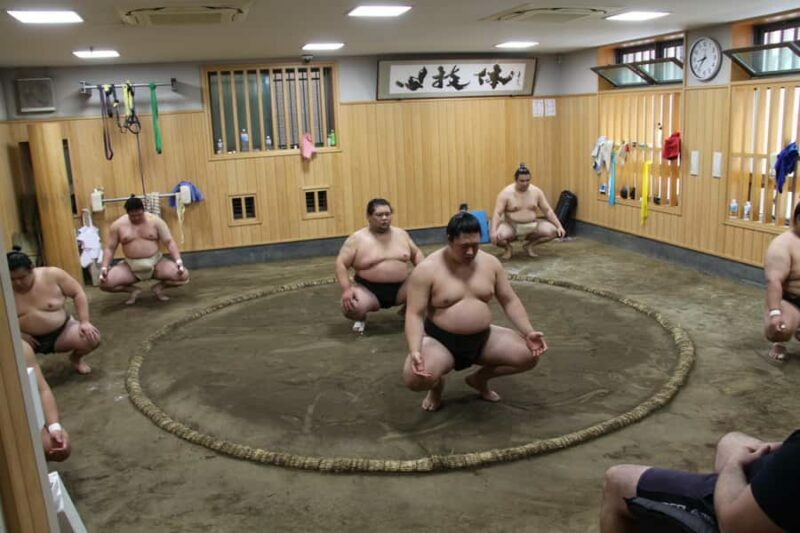
For travelers looking to go beyond the typical tourist scene, this tour offers a unique chance to witness sumo as it really is—a sport built on discipline, tradition, and physical prowess. While it’s only two hours, the experience is packed with authentic moments, making it very much worth the price for those interested in Japanese culture.
The reviews reinforce its appeal: “Very well organized visit,” says one traveler, “It was really exciting to see the sumo wrestlers training right in front of us.” Others mention the respectful atmosphere and the devotion of the wrestlers, which makes the experience more meaningful than just watching a staged performance.
In terms of practical value, you’ll find that this tour offers excellent insight for your time and money, especially considering that you’re witnessing professional athletes in their daily routine—not just a show.
Final Thoughts: Who Should Consider This Tour?
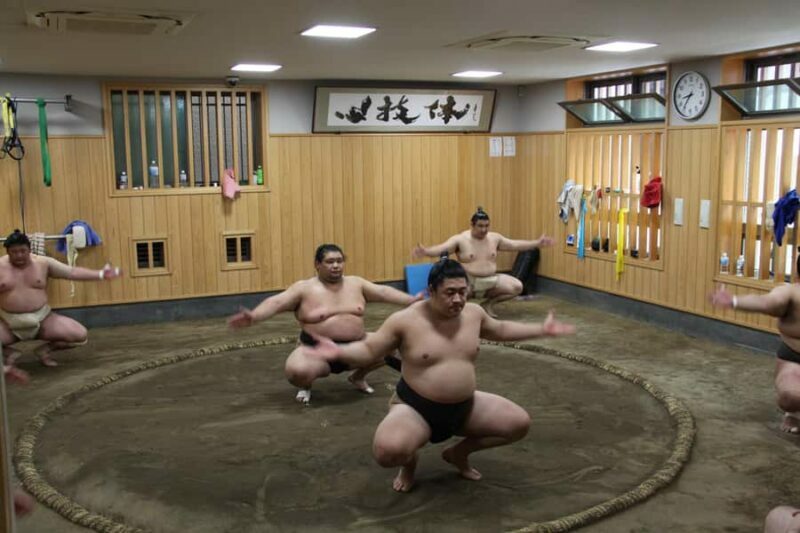
This tour is best suited for those with a genuine interest in Japanese traditions and sports. It’s ideal for travelers who want an authentic, behind-the-scenes look at sumo wrestling, away from the crowded sumo stadiums. The intimate setting and the chance to interact slightly with wrestlers make it suitable for those who appreciate culture.
If your travel style favors short, meaningful experiences that add depth to your understanding of Japan, this tour hits the mark. It’s also a good choice for photographers who want memorable images, as long as they respect the guidelines.
However, if you prefer a more relaxed or flexible schedule, or if you’re traveling with very young children or persons with mobility issues, you might want to consider other options. Nonetheless, for most travelers, this tour provides a rare window into sumo’s true heart.
Tokyo: Grand Sumo Morning Training Tour
“I liked the wrestling so close in front of you”




FAQ
Is this tour suitable for children?
It’s not recommended for children under 3 years old, and the experience involves sitting on the floor and following respectful behavior guidelines, so consider your child’s comfort and behavior.
Can I take photos inside the sumo stable?
No, photography inside the stable is not allowed. However, you will have the opportunity to take a ceremonial photo with a sumo wrestler after the training session.
How long is the tour?
The activity lasts about 2 hours, making it easy to incorporate into a day’s itinerary.
Where do I meet the guide?
You meet at Honjo-Azumabashi Station, near Exit A4, with the guide waiting for you there. Be sure to arrive at least ten minutes early.
Is this a live demonstration or a staged show?
This is a genuine training session with professional sumo wrestlers practicing their routines—no staged performances here.
What should I wear?
Comfortable clothes are recommended since you’ll be sitting on the floor during the training.
Can I re-enter the sumo stable once I leave?
No, visitors need permission to enter, and re-entry is not allowed once you leave your seat or the stable area.
In the end, this sumo training tour offers a genuine peek into a sport that is both physically demanding and deeply rooted in tradition. It’s a rare chance to see athletes in their element and to understand the discipline that keeps sumo alive in Japan. If authentic cultural experiences appeal to you, and you’re eager to learn about Japan’s national sport beyond the usual tourist fare, this tour is well worth your consideration.
You can check availability for your dates here: