
Exploring the vibrant hustle and bustle of Dharavi Slum in Mumbai is a unique opportunity to witness the remarkable resilience and entrepreneurial spirit of its residents. Led by knowledgeable local guides, a walking tour through this bustling hub of small-scale industries offers visitors a glimpse into the complex fabric of one of India’s largest urban settlements. From witnessing the ingenuity of the community to discovering the diversity of its cultural and religious identities, this immersive experience promises to challenge preconceptions and shed light on the daily lives of those who call Dharavi home.
Key Points
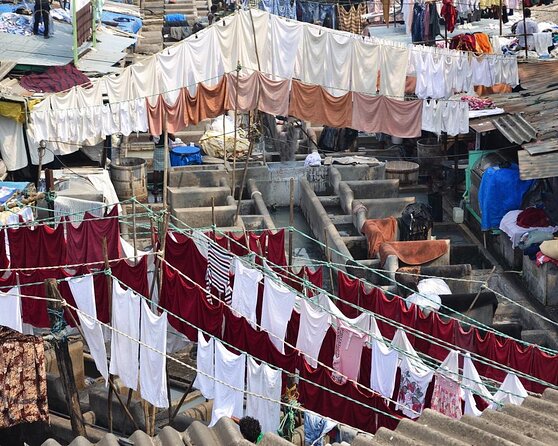
- Dharavi Slum is one of India’s largest slums, home to over a million residents and a vibrant hub of small-scale industries and entrepreneurial spirit.
- The walking tour lasts approximately 1 hour 30 minutes, is completely free for visitors, and is led by knowledgeable local guides in a small-group format.
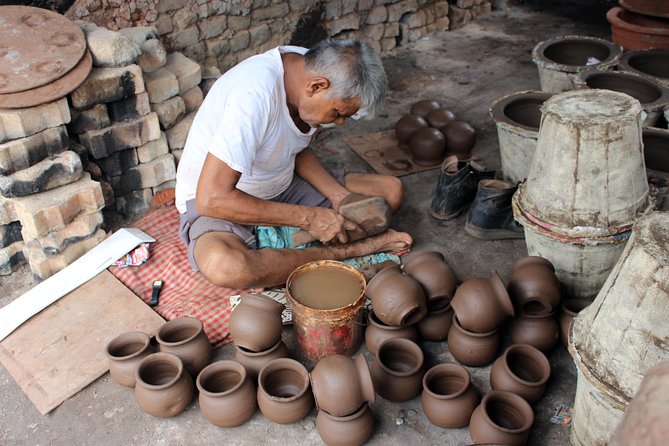
- The tour showcases the remarkable ingenuity and resourcefulness of Dharavi residents, including thriving recycling operations and artisanal pottery workshops.
- Dharavi is a melting pot of India’s regional and religious identities, with Hindu temples, Muslim mosques, and Christian churches coexisting within the community.
- Photography is restricted in certain areas to prioritize the well-being and consent of the residents, especially in sensitive religious sites and crowded narrow alleyways.

👉 Check out our guide to the 3 Best Dining Experiences In Mumbai
Contents
- Key Points
- Overview of Dharavi Slum
- Tour Duration and Admission
- Meeting and Pickup Details
- Small-scale Industries in Dharavi
- Diversity of Dharavi Residents
- Religious Sites in Dharavi
- Photography Restrictions
- Additional Tour Information
- Frequently Asked Questions
- Is It Safe to Walk Through the Dharavi Slum Area?
- What Is the Average Income of Residents in Dharavi?
- Can I Interact With the Local People During the Tour?
- Are There Any Toilets or Restrooms Available During the Tour?
- Can I Purchase Souvenirs or Local Products From Dharavi?
- Recap
- Our Top Picks in Mumbai
- More Walking Tours in Mumbai
- More Tours in Mumbai
- More Tour Reviews in Mumbai
- Not for you? Here's more things to do in Mumbai we have recnetly reviewed
Overview of Dharavi Slum
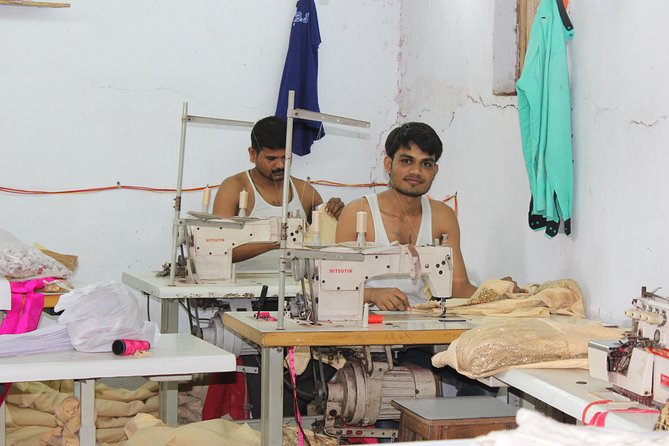
Dharavi, one of India’s largest slums, offers a unique glimpse into the vibrant and complex fabric of urban life in Mumbai.
This sprawling community, home to over a million residents, is a bustling hub of small-scale industries and entrepreneurial spirit.
From recycling workshops to pottery studios, the area is alive with the hum of productivity and community spirit.
The walking tour provides visitors with a new perspective on urban India, allowing them to witness the innovative techniques and resilience of the people living in this densely populated area.
Despite the challenges, Dharavi exudes a sense of energy and determination, showcasing the ingenuity of its residents in the face of limited resources and space.
If you're enjoying exploring Mumbai on foot, you'll love these other walking tours we recommend


Tour Duration and Admission
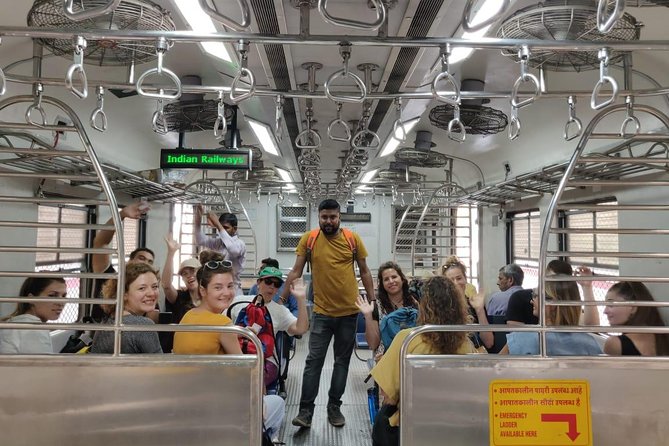
The walking tour of Dharavi slum offers a compact yet immersive experience, lasting approximately one hour and thirty minutes. The tour is completely free, allowing visitors to explore this vibrant community without any financial barriers. Led by knowledgeable local guides, the small-group format ensures an intimate and personalized experience, with a maximum of 15 travelers per tour.
| Tour Details | Information |
|---|---|
| Duration | 1 hour 30 minutes |
| Admission Ticket | Free |
| Group Size | Maximum 15 travelers |
Whether you’re seeking a glimpse into the hidden side of urban India or want to witness the community spirit and small-scale industries that thrive within Dharavi, this walking tour provides an eye-opening and enriching experience.
Meeting and Pickup Details
The walking tour of Dharavi slum begins at Third Wave Coffee in Mahim, Mumbai, where the local guide will be waiting outside to welcome visitors.
The guide will lead the small group of up to 15 travelers through the vibrant and diverse Dharavi neighborhood.
The tour concludes at the Sai Multispeciality Hospital & Research Centre, also located within Dharavi.
This centralized meeting and pickup point ensures a smooth start and end to the walking tour, allowing participants to fully enjoy the experience of exploring one of India’s largest urban slums.
The guide’s local knowledge and personalized approach provide an intimate glimpse into the hidden side of life in Mumbai’s Dharavi.
Small-scale Industries in Dharavi
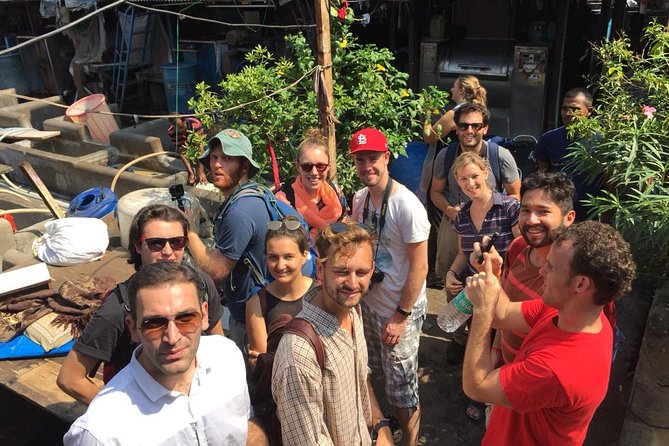
Within Dharavi’s bustling confines, visitors will find a vibrant tapestry of small-scale industries, each reflecting the community’s remarkable ingenuity and resourcefulness.
From thriving recycling operations to artisanal pottery workshops, the sheer diversity of enterprises is astounding. Skilled workers employ innovative techniques to extract maximum value from limited resources, transforming discarded materials into valuable products.
Whether it’s the intricate embroidery or the fragrant soap-making, every corner of Dharavi showcases the resilience and entrepreneurial spirit of its inhabitants. These small industries not only provide vital livelihoods but also foster a profound sense of community, demonstrating the remarkable resilience and adaptability of this dynamic urban landscape.
Diversity of Dharavi Residents
A tapestry of diverse cultures and backgrounds weaves through the intricate alleyways of Dharavi, where residents hailing from all over India have carved out vibrant communities. Dharavi’s population reflects the country’s remarkable diversity, including:
Families from the southern states of Tamil Nadu and Andhra Pradesh, who work in Dharavi’s thriving textile and leather industries.
Migrants from the eastern state of West Bengal, known for their expertise in pottery and clay modeling.
Enterprising entrepreneurs from the northern states, contributing to Dharavi’s booming recycling and small-scale manufacturing sectors.
Religious diversity is also evident, with Hindu temples, Muslim mosques, and Christian churches standing side by side.
This melting pot of India’s regional and religious identities gives Dharavi its unique character and energy.


Religious Sites in Dharavi
Amidst the bustling industries and vibrant communities of Dharavi, a tapestry of diverse religious sites stands as a testament to the area’s pluralistic identity. As the tour winds through the neighborhood, visitors can witness the coexistence of temples, mosques, and churches, each a reflection of Dharavi’s multi-faith population. The religious diversity is on full display, with worshippers from various backgrounds gathering to practice their faiths.
| Religious Site | Denomination | Location |
|---|---|---|
| Ganesh Temple | Hindu | Indira Nagar |
| Jama Masjid | Islamic | Dharavi Main Road |
| St. Anthony’s Church | Christian | Kumbharwada |
| Dharavi Siddhivinayak Temple | Hindu | Rajiv Gandhi Nagar |
| Dharavi Muslim Kabarastan | Islamic | Kala Killa |
This interfaith harmony is a unique aspect of Dharavi’s vibrant community life.
Photography Restrictions
Visitors aren’t allowed to take photographs at certain locations during the walking tour of Dharavi slum. This restriction aims to respect the privacy and security concerns of the community.
The tour guide will advise participants when photography is prohibited, such as:
- Sensitive religious sites where worshippers may not want to be photographed.
- Narrow alleyways where residents prefer to maintain their privacy.
- Small businesses that don’t wish to be documented without permission.
- Crowded areas where taking photos could disrupt the flow of the community.
While the tour offers a unique glimpse into the vibrant life of Dharavi, the organizers prioritize the well-being and consent of the residents. Participants are expected to follow the guide’s instructions and refrain from unauthorized photography.
Additional Tour Information
While the walking tour of Dharavi slum provides a unique opportunity to explore one of India’s largest urban settlements, participants should be aware of a few additional considerations.
Confirmation is required at the time of booking to secure a spot on the tour.
As the tour isn’t wheelchair accessible, visitors with mobility challenges may need to arrange for alternative arrangements.
Children under 5 years old aren’t permitted on the tour, and those between 5-18 must be accompanied by an adult.
Photography is restricted in certain areas of Dharavi, so participants should be mindful of respecting local sensitivities.
Frequently Asked Questions
Is It Safe to Walk Through the Dharavi Slum Area?
While the Dharavi slum area can be perceived as unsafe, the walking tour is guided by local experts who ensure the safety of participants. With proper precautions and a knowledgeable guide, the tour provides a unique and insightful experience.
What Is the Average Income of Residents in Dharavi?
The average income of Dharavi’s residents is difficult to determine precisely, as the slum is home to a diverse range of small-scale businesses and informal economic activities. Estimates suggest most families earn between $150-$300 per month, though incomes can vary widely.
Can I Interact With the Local People During the Tour?
Yes, you can interact with the local people during the tour. The walking tour allows visitors to engage with the Dharavi community and observe their daily lives and small-scale industries firsthand. Respectful interaction is encouraged to gain an authentic experience.
Are There Any Toilets or Restrooms Available During the Tour?
There are no public restrooms or toilets available during the tour. Participants are advised to use the facilities at the starting and ending points before and after the tour, as the tour does not include stops at any restrooms.
Can I Purchase Souvenirs or Local Products From Dharavi?
Yes, visitors can purchase souvenirs and local products during the tour. The Dharavi slum area is known for its small-scale industries and lively markets where visitors can find a variety of handmade crafts, textiles, and other local products to take home as souvenirs.
Walking Tour of Dharavi Slum in Mumbai
“This was one of the coolest things we did in all of India. The guide was really kind and informative. We felt safe. On my particular tour, I was a …”
Recap
The walking tour of Dharavi Slum offers visitors a unique chance to explore one of India’s largest urban settlements.
Guided by knowledgeable locals, the tour provides an intimate look into the vibrant, small-scale industries and diverse community that make up this bustling hub.
Visitors can witness the remarkable ingenuity and resourcefulness of the residents while respecting their privacy and well-being.


