Discover the heart of Tokyo’s cultural heritage on a two-hour walking tour from Ueno to Asakusa. Enjoy the vibrant sights, sounds, and flavors of the city’s traditional downtown neighborhoods. Explore narrow streets, observe local routines, and savor iconic Japanese snacks. Uncover the distinct architectural and religious elements of a Shinto shrine and Buddhist temple. This comprehensive introduction to Japan’s rich culture promises to leave you intrigued and eager to further explore the many facets of this captivating destination.
Key Points
- The 2-hour walking tour from Ueno to Asakusa allows visitors to explore traditional Japanese downtown areas, immersing them in the sights, sounds, and flavors of the vibrant part of the city.
- The tour includes a visit to the Senso-ji Temple, where participants can witness the symbolic significance of architectural elements and understand the diverse rituals and ceremonies.
- Participants will have the opportunity to taste traditional Japanese baked sweets, such as Taiyaki, and learn about their history and cultural significance.
- The tour highlights the differences between Shinto shrines and Buddhist temples, enabling participants to appreciate the unique aesthetics and ambiance of these sacred spaces.
- The tour culminates at the iconic Kaminarimon, the ‘Thunder Gate’ of the Sensoji Temple complex, leaving participants with a deeper appreciation for Japan’s rich cultural heritage.

👉 Check out our guide to the 2 Best Craft Beer Tours And Tastings In Tokyo
Contents
- Key Points
- Tour Overview
- Explore Traditional Downtown
- Taste Japanese Baked Sweets
- Shinto Shrine and Buddhist Temple
- Differences Between Shrine and Temple
- Japanese Paper Products and Utensils
- End Tour at Kaminarimon
- Meeting Point and Directions
- Frequently Asked Questions
- What Is the Cancellation Policy for This Tour?
- Are There Any Discounts Available for Students or Seniors?
- Can I Take Pictures During the Tour?
- Is the Tour Suitable for People With Mobility Issues?
- Can I Bring My Own Food and Drinks on the Tour?
- Recap
- Our Top Picks in Tokyo
- More Walking Tours in Tokyo
- More Tours in Tokyo
- More Tour Reviews in Tokyo
- Not for you? Here's more things to do in Tokyo we have recnetly reviewed
Tour Overview
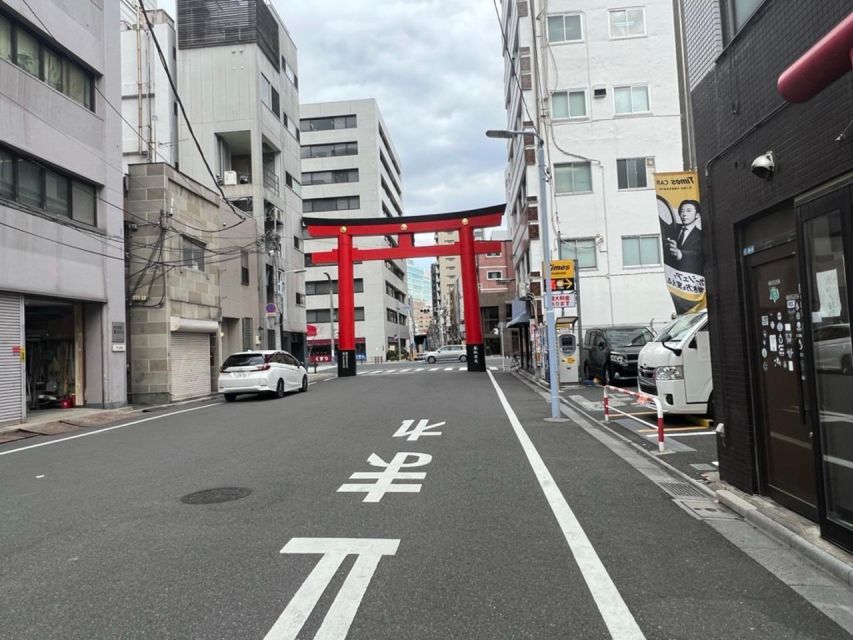
This 2-hour walking tour takes participants from Tokyo’s Ueno district to the historic Asakusa neighborhood, allowing them to explore the traditional Japanese downtown areas.
Along the way, the tour offers a chance to experience the sights, sounds, and flavors that define this vibrant part of the city. Whether it’s tasting delectable Japanese baked sweets, visiting a Shinto shrine and Buddhist temple, or learning about the differences between these two important cultural institutions, the tour provides an immersive glimpse into Japan’s rich heritage.
The journey culminates at Asakusa’s iconic Kaminarimon, or Thunder Gate, leaving participants with a deeper appreciation for Tokyo’s enduring traditions.
If you're enjoying exploring Tokyo on foot, you'll love these other walking tours we recommend


Explore Traditional Downtown

As the tour leads participants from Ueno to Asakusa, they’ll wander through the heart of Tokyo’s traditional downtown areas, seeing the sights, sounds, and flavors that define this vibrant part of the city.
Along the way, they’ll:
- Discover the unique architecture and layout of the narrow streets, lined with small shops and family-owned businesses.
- Observe the daily routines of local residents, providing a glimpse into the rhythms of traditional Japanese life.
They’ll explore the bustling Nakamise shopping street, known for its traditional Japanese paper products, cooking utensils, and artisanal crafts.
Lastly, they’ll soak in the atmosphere of the historic Senso-ji Temple, one of the most significant Buddhist temples in Tokyo.
Taste Japanese Baked Sweets
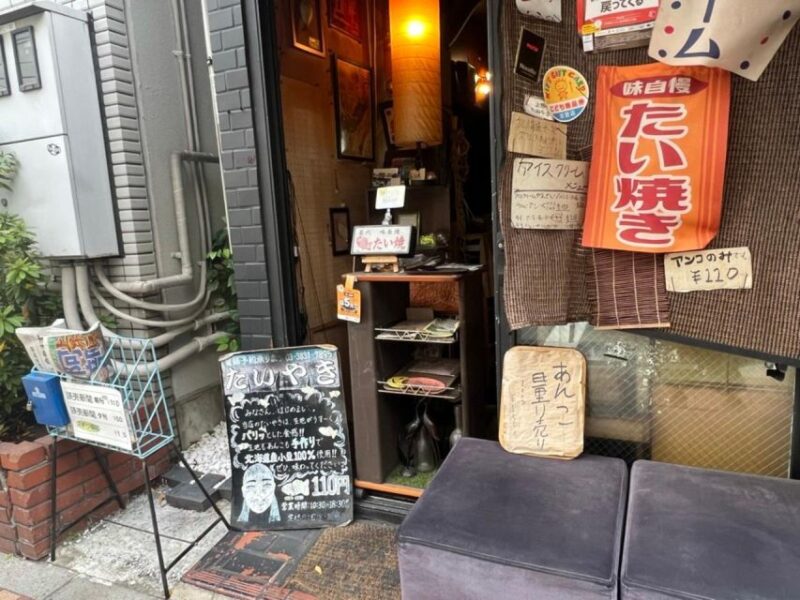
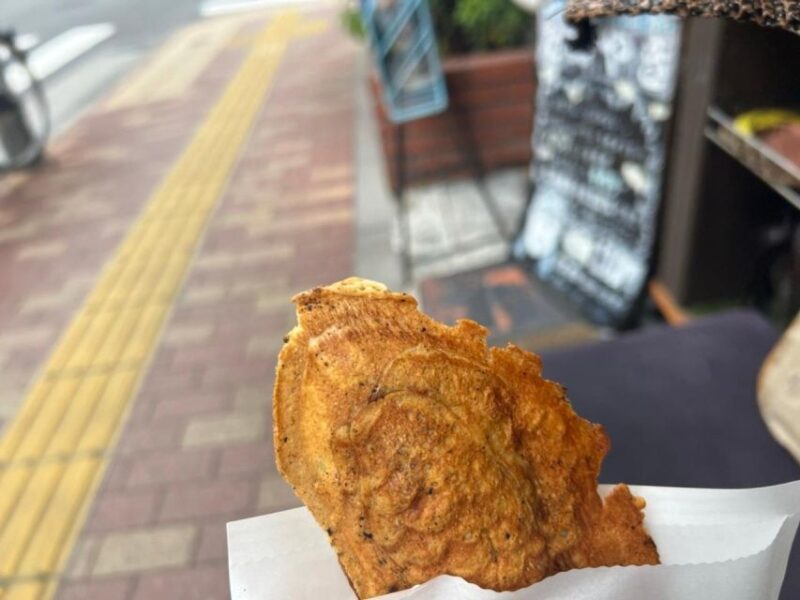
Participants will have the opportunity to savor traditional Japanese baked sweets, known as Taiyaki, during the walking tour. Taiyaki are fish-shaped pastries filled with sweet red bean paste, custard, or chocolate.
The guide will lead the group to a local Taiyaki shop, where they’ll learn about the history and cultural significance of this beloved treat. Participants can watch the skilled bakers craft the Taiyaki and then enjoy the warm, freshly-made delicacy.
The sweet and slightly crispy texture of the Taiyaki perfectly complements the rich, creamy fillings, providing a delightful taste of Japanese culinary traditions. This stop on the tour offers a chance to indulge in a quintessential Japanese snack while gaining insight into the country’s vibrant food culture.
Shinto Shrine and Buddhist Temple

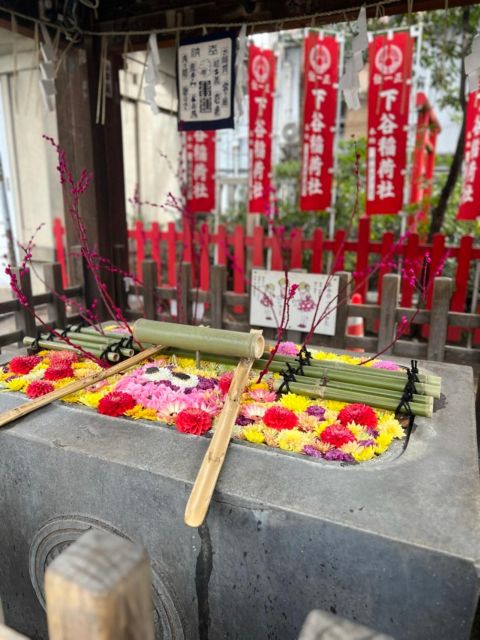
Along the walking tour, visitors will have the opportunity to observe the distinct differences between a Shinto shrine and a Buddhist temple.
While Shinto shrines are typically characterized by torii gates, ornate architecture, and Shinto-specific rituals, Buddhist temples often feature pagodas, statues of Buddha, and practices rooted in Buddhist philosophy.
The tour will allow participants to:
- Witness the symbolic significance of architectural elements like torii gates and pagodas.
- Understand the different deities and religious figures venerated in each tradition.
- Learn about the diverse rituals and ceremonies practiced at shrines and temples.
- Appreciate the unique aesthetics and ambiance of these sacred spaces.
Differences Between Shrine and Temple
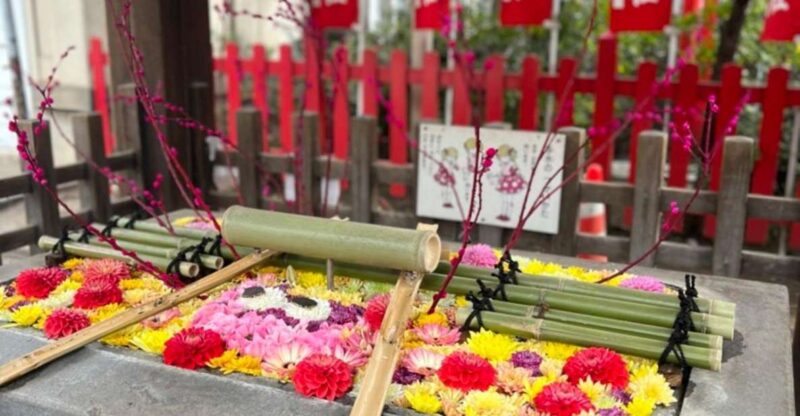
While shrines and temples in Japan both serve as sacred sites for spiritual contemplation, they differ in their architectural styles, religious affiliations, and ceremonial practices.
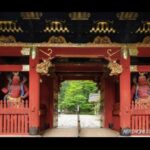
Shinto shrines are characterized by ornate torii gates, vermilion-colored structures, and natural surroundings like forests or mountains. They’re dedicated to the worship of kami, or Shinto deities.
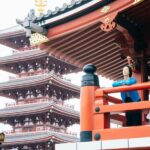
In contrast, Buddhist temples feature pagoda-style roofs, intricate carvings, and serene landscapes. They’re places of worship for followers of the Buddhist faith.
The rituals and offerings at shrines and temples also vary, with shrines emphasizing purification and reverence for nature, while temples focus on meditation, the veneration of Buddhist figures, and the acquisition of merit.
Here are more great tours and experiences we've reviewed in Tokyo


Japanese Paper Products and Utensils
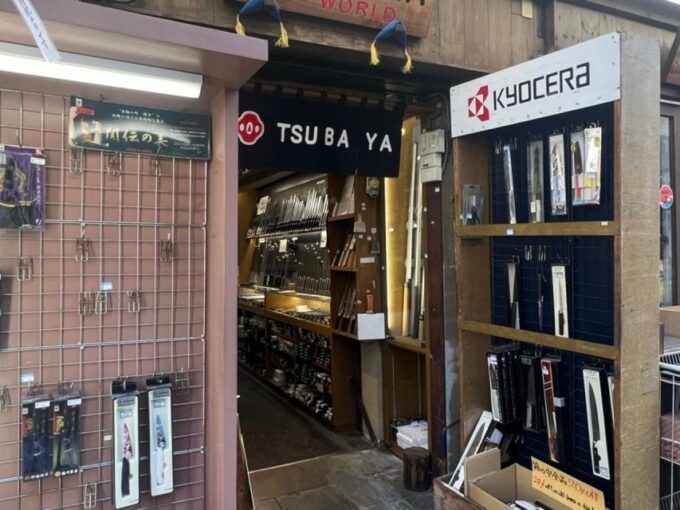
As the tour explores the traditional downtown areas, visitors can expect to see a variety of Japanese paper products and cooking utensils that have long been integral to the country’s rich cultural heritage. From delicate origami paper to sturdy washi paper used for shoji screens, these materials showcase Japan’s dedication to craftsmanship and attention to detail.
Wooden chopsticks, revered for their simplicity and functionality in Japanese cuisine.
Ceramic teacups and bowls, often adorned with intricate designs that reflect traditional aesthetic principles.
Bamboo steamer baskets, essential for preparing dishes like dumplings and rice.
Handcrafted cooking knives, renowned for their sharp edges and precision cutting abilities.
These everyday items not only serve practical purposes but also embody the essence of Japanese culture.
End Tour at Kaminarimon
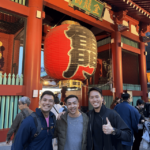
The tour culminates at the iconic Kaminarimon, also known as the ‘Thunder Gate’, in Asakusa. This towering red gate serves as the entrance to the Sensoji Temple complex, one of Tokyo’s most famous and historic Buddhist temples.
| Kaminarimon Details | ||
|---|---|---|
| Height | 12 m | |
| Built | 942 AD | |
| Features | Lantern | Statues |
Visitors are awestruck by the gate’s imposing presence and intricate design. The massive lantern hanging from the center crossbeam is particularly striking, illuminating the ornate carvings and sculptures that adorn the structure. After exploring the temple grounds, the tour concludes, leaving participants with a deeper appreciation for Japan’s rich cultural heritage.
Meeting Point and Directions
The tour begins at the Hard Rock Cafe, situated 50 meters straight ahead from the Ueno Station Central Gate.
Participants can easily find the meeting point by following the directions from the station entrance.
To reach the meeting point:
- Exit Ueno Station through the Central Gate.
- Walk straight ahead for 50 meters.
- The Hard Rock Cafe will be on your right-hand side.
- The tour guide will be waiting outside the cafe to greet the group.
Participants should arrive at the meeting point a few minutes before the scheduled tour start time to ensure a prompt departure and an enjoyable cultural experience in Tokyo’s traditional downtown areas.
Frequently Asked Questions
What Is the Cancellation Policy for This Tour?
The cancellation policy allows participants to cancel or reschedule the tour up to 24 hours in advance without penalty. Cancellations within 24 hours may incur a fee or result in forfeiting the tour.
Are There Any Discounts Available for Students or Seniors?
The tour operator does offer discounts for students and seniors. Participants can receive a 10% discount by showing a valid student or senior ID card at the tour meeting point.
Can I Take Pictures During the Tour?
Yes, participants are welcome to take pictures during the tour. The guide encourages guests to capture the unique cultural sights and experiences along the way. However, photography may be restricted in certain sacred temple or shrine areas.
Is the Tour Suitable for People With Mobility Issues?
The tour may not be suitable for those with mobility issues, as it involves a 2-hour walking tour. However, the tour guide can provide accommodations if notified in advance about any special needs or accessibility requirements.
Can I Bring My Own Food and Drinks on the Tour?
Participants are generally not permitted to bring their own food and drinks on the tour. The tour includes a snack, and the guide likely needs to maintain control of the group experience. Bringing outside items could be disruptive.
Tokyo Ueno to Asakusa, 2 Hours Walking Tour to Feel Culture
Recap
The Tokyo Ueno to Asakusa walking tour provides a comprehensive culture experience.
Visitors can explore the traditional downtown area, savor Japanese snacks, and visit both a Shinto shrine and a Buddhist temple to understand the distinct differences between these sacred spaces.
This tour offers a well-rounded introduction to Japan’s rich cultural heritage, leaving participants with a deeper appreciation for the country’s traditions.
You can check availability for your dates here: