Robben Island’s storied past as a former prison holds a profound significance in South Africa’s history. Visitors can embark on a guided tour led by ex-inmates, who provide a first-hand account of the brutal conditions and the unwavering determination of the anti-apartheid activists incarcerated there. The tour takes them to Nelson Mandela’s prison cell, a poignant reminder of the hardships faced in the fight for freedom. As a UNESCO World Heritage site, Robben Island offers a deeper understanding of its pivotal role in the struggle for democracy – a journey that continues to captivate and inspire those who explore its iconic footsteps.
- Key Points
- Explore Robben Island’s History
- Guided Tour by Ex-Prisoner
- Nelson Mandela’s Prison Cell
- UNESCO World Heritage Site
- Iconic Footsteps of Mandela
- First-hand Prisoner Experiences
- Skip-the-line Ferry Tickets
- Tour Inclusions and Exclusions
- Frequently Asked Questions
- What Happens if I’m Late for the Ferry Departure?
- Can I Bring My Own Food and Drinks on the Tour?
- Is There a Dress Code for the Tour?
- Can I Take Photographs Inside the Prison?
- Are There Any Discounts Available for Children or Seniors?
- Recap
- Our Top Picks in Cape Town
- More Tickets in Cape Town
- More Tours in Cape Town
- More Tour Reviews in Cape Town
- Not for you? Here's more things to do in Cape Town we have recnetly reviewed
Key Points

-
Robben Island is a UNESCO World Heritage site that served as a former prison and place of banishment for anti-apartheid activists like Nelson Mandela.
-
The guided prison tour led by ex-prisoners provides visitors an opportunity to walk through the same cell blocks as Mandela and gain insights into the harsh living conditions.
-
Visitors can explore Nelson Mandela’s prison cell, which reflects the austere living conditions and his unwavering determination and resilience.
-
The guided tour and personal stories shared by ex-inmates offer a deeper understanding of the inhumane treatment and the camaraderie developed among prisoners on the island.
-
Visiting Robben Island allows visitors to engage with the island’s historical significance and its role as a symbol of the anti-apartheid movement and the triumph of democracy.

👉 Check out our guide to the 13 Best 2 Day Tours In Cape Town
Explore Robben Island’s History
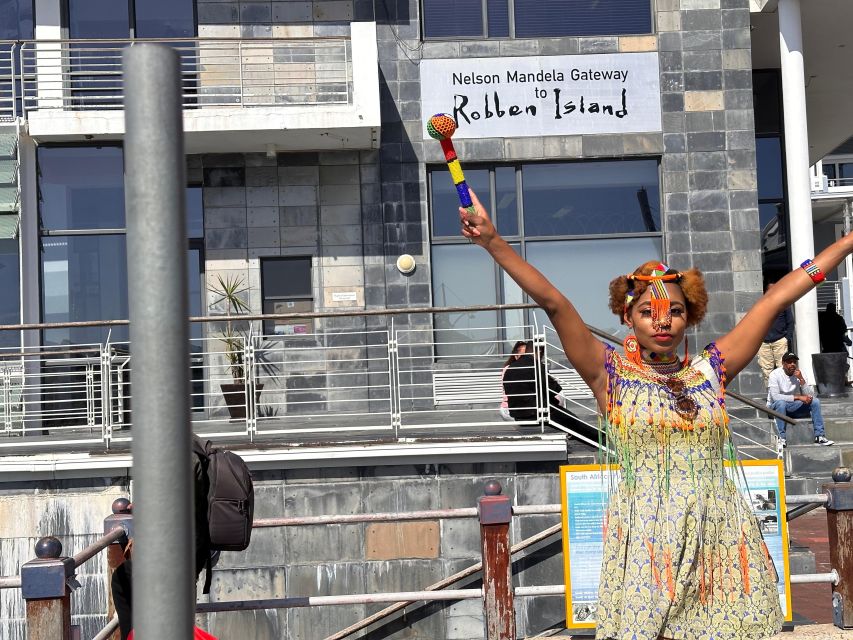
Robben Island, a UNESCO World Heritage site, holds a profound history as a former prison and place of banishment, most notably for housing Nelson Mandela and other anti-apartheid activists during their incarceration.
For nearly 400 years, the island’s remote location and harsh conditions made it an ideal place of exile. Prisoners on Robben Island endured brutal treatment and harsh living conditions, yet their spirits remained unbroken.
During their confinement, they engaged in intellectual discourse, education, and political organizing that played a crucial role in the fight against apartheid.
Today, the island stands as a poignant reminder of the struggle for freedom and the resilience of the human spirit in the face of adversity.
Here are more great tours and experiences we've reviewed in Cape Town



Guided Tour by Ex-Prisoner

A key part of the Robben Island tour is the guided prison experience led by a former inmate, providing visitors with a poignant, first-hand account of life behind bars on the island.
These ex-prisoner guides share their personal stories and insights, bringing the island’s history to life in a powerful and authentic way.
Visitors can:
- Walk through the same cell blocks where Nelson Mandela and other political prisoners were incarcerated for decades.
- Hear firsthand accounts of the harsh living conditions and daily struggles faced by prisoners.
Visitors can also:
- Learn about the island’s role as a place of banishment, exile, and political imprisonment during apartheid.
- Gain a deeper understanding of the anti-apartheid movement and the sacrifices made by those who fought for freedom.
- Ask questions and engage in discussions with the guides, fostering a more meaningful and impactful experience.
Nelson Mandela’s Prison Cell

Nelson Mandela’s prison cell on Robben Island stands as a poignant reminder of the hardships he endured during his 27-year incarceration.
The small, sparse quarters where he spent much of his time reflect the austere living conditions that political prisoners faced on the island. Visitors can peer into the cell, which measures just 8 feet by 7 feet, and imagine the daily struggles Mandela and others experienced.
The cell contains a simple bed, a small table, and a bucket for bathroom needs. Despite the bleak surroundings, the cell represents Mandela’s unwavering determination and resilience in the face of oppression.
This profoundly moving experience allows visitors to walk in the footsteps of one of the world’s most celebrated freedom fighters.
UNESCO World Heritage Site
Although initially established as a prison colony, Robben Island has since been recognized as a UNESCO World Heritage Site for its significant historical and symbolic value.
The island’s designation as a World Heritage Site underscores its role as a powerful symbol of the struggle against apartheid, with the prison itself serving as a testament to the indomitable human spirit in the face of adversity.
Robben Island’s UNESCO status highlights:
- Its role as a symbol of the anti-apartheid movement and the triumph of democracy
- The island’s unique cultural and natural landscapes, including its diverse flora and fauna
- The preservation of the island’s carceral history and architecture, including the cell where Nelson Mandela was imprisoned
- The ongoing educational and commemorative programs that help visitors understand the island’s complex past
- The collaborative efforts of the South African government, the Robben Island Museum, and the global community to safeguard this iconic site.
Iconic Footsteps of Mandela

Visitors to Robben Island can walk in the iconic footsteps of Nelson Mandela, exploring the very prison cell where the renowned anti-apartheid activist was incarcerated for 27 years. This powerful experience allows them to gain a deeper understanding of Mandela’s indomitable spirit and the island’s central role in the struggle against apartheid.
| Highlights | Description |
|---|---|
| Nelson Mandela’s Cell | Visitors can see the modest cell where Mandela spent his days, a stark reminder of the hardships he endured. |
| Ex-Prisoner Guides | Former inmates lead the tours, providing first-hand accounts of life on the island and the fight for freedom. |
| UNESCO World Heritage | Robben Island’s designation as a UNESCO World Heritage Site underscores its historical significance. |
The guided tour offers an immersive and poignant glimpse into the life of one of the world’s most celebrated leaders, fostering a profound appreciation for Mandela’s unwavering commitment to justice and equality.
Loving the local insights? Here are more guided experiences we recommend in Cape Town






First-hand Prisoner Experiences
The guided tour on Robben Island provides an unparalleled opportunity for visitors to hear first-hand accounts from former prisoners who endured the harsh realities of life on the island.
Ex-inmates leading the tours share their personal experiences, offering a raw and compelling perspective on the daily struggles and resilience required to survive incarceration during the apartheid era.
Visitors can expect to learn about:
- The inhumane living conditions and lack of basic amenities in the prison cells
- The physical and mental toll of forced labor on the island’s quarry
The ingenuity and resourcefulness required to maintain a sense of humanity.
The camaraderie and solidarity that developed among the prisoners.
The role of activism and resistance in the face of severe oppression.
Skip-the-line Ferry Tickets
By booking this tour, visitors can skip the often long queues for the Robben Island ferry and go straight to the embarkation point.
The included ferry tickets provide direct access to the island, allowing guests to maximize their time exploring the historic site rather than waiting in line.
This skip-the-line privilege is particularly valuable, as the ferry to Robben Island is a popular attraction that frequently sells out.
With the pre-arranged ferry tickets, travelers can simply show up and board, avoiding the hassle and delays of purchasing tickets on the day.
This efficient access ensures a seamless start to the guided prison tour, enabling visitors to fully enjoy the poignant history of this UNESCO World Heritage Site.
Tour Inclusions and Exclusions
What does the Robben Island Ferry Ticket and Guided Prison Tour include?
Aside from the return ferry tickets and the ex-prisoner guided tour of the museum, the tour also provides skip-the-line access to the ferry, allowing visitors to bypass long queues and go straight to the embarkation point.
The tour’s inclusions are:
- Return Robben Island Ferry tickets
- Guided museum tour by an ex-prisoner
- Exploration of the prison cell where Nelson Mandela was incarcerated
- First-hand stories from the ex-prisoner guide
- Learning about the history of the UNESCO World Heritage Site
The tour doesn’t include hotel pickup and drop-off, nor food and drinks, allowing visitors to explore the island at their own pace and make their own dining arrangements.
Frequently Asked Questions
What Happens if I’m Late for the Ferry Departure?
If a traveler is late for the ferry departure, they may miss their tour and forfeit their ticket. The ferry has a strict schedule and cannot wait for late arrivals. Missing the ferry means they will need to rebook their tour for another day.
Can I Bring My Own Food and Drinks on the Tour?
Yes, visitors can bring their own food and drinks on the Robben Island tour. The tour itinerary doesn’t include any meals, so bringing along snacks and beverages is allowed to ensure a comfortable experience during the 4-hour excursion.
Is There a Dress Code for the Tour?
There is no strict dress code for the Robben Island tour, but visitors are advised to wear comfortable, weather-appropriate clothing. Closed-toe shoes are recommended for the walking portions of the tour. The focus is on the historical experience, not attire.
Can I Take Photographs Inside the Prison?
Yes, visitors are generally allowed to take photographs inside the Robben Island prison, subject to some restrictions. Photography is permitted in most areas, but may be prohibited in certain sensitive locations due to preservation considerations.
Are There Any Discounts Available for Children or Seniors?
Yes, discounts are available for children and seniors on the Robben Island Ferry Ticket and Guided Prison Tour. Children under 12 can get a reduced rate, while seniors aged 60 and above may qualify for a discounted ticket price.
Cape Town: Robben Island Ferry Ticket and Guided Prison Tour
“Very good to get a tour from an ex political prisoner. I was able to get a lot of valuable information”
Recap
Robben Island’s guided tour offers a profoundly moving and educational experience. Visitors can walk in the footsteps of Nelson Mandela and other anti-apartheid activists, gaining first-hand insights from former prisoners.
The tour’s highlights include Mandela’s prison cell and the island’s designation as a UNESCO World Heritage site, underscoring its pivotal role in the struggle for freedom.
This unique opportunity provides a deeper understanding of South Africa’s history and the triumph of democracy.
You can check availability for your dates here: