If you’re looking to add a dose of cultural wonder and striking visuals to your trip to Thailand, the Erawan Museum offers just that — and more. This attraction isn’t just about the impressive 3-headed elephant sculpture; it’s a thoughtful celebration of Thai heritage, mythology, and artistry. As a travel writer who loves authentic sights that offer both visual spectacle and meaningful stories, I can say this experience is worth considering, especially if you’re curious about Thai culture beyond the usual temples.
Two things we really love about this tour are the stunning exterior of the giant bronze elephant and the meaningful exhibits inside that span Asian art, philosophy, and sacred objects. However, one thing to keep in mind is that the museum itself is relatively small, which could mean a quicker visit if you’re pressed for time. Still, the value for the price and the chance to get a closer look at Thai cultural symbols make it especially appealing for travelers seeking depth and beauty in one spot.
This experience suits those interested in culture, mythology, and photography. It’s perfect for travelers who appreciate striking visuals and want a meaningful cultural encounter without a hefty price tag. Families, solo explorers, and anyone with a curiosity about Thai traditions will find plenty to enjoy here.
Key Points
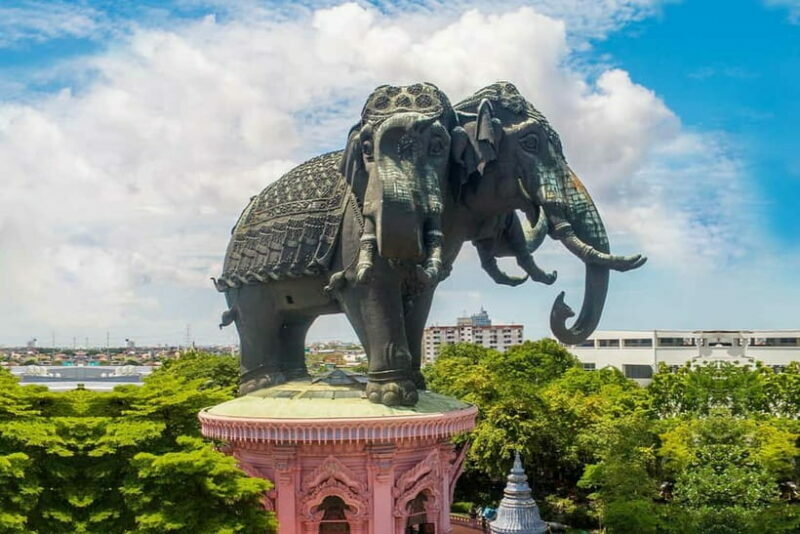
- Iconic Structure: The giant, three-headed bronze elephant is a must-see, symbolizing protection and mythology.
- Cultural Sections: The museum is divided into three parts—Underworld, Earth, and Heaven—each offering unique exhibits.
- Photo Opportunities: Both the interior and exterior provide excellent spots for memorable photos.
- Meaningful Heritage: Built by a renowned antique collector, the museum showcases sacred objects believed to bring blessings.
- Accessible Location: Easily reached via BTS Skytrain with free shuttle tuk-tuk service.
- Great Value: At $12, you get a rich cultural experience with all taxes included.
Contents
- Key Points
- What to Expect at the Erawan Museum
- The Exterior and First Impressions
- The Interior Experience
- The Cultural Significance
- Accessibility and Practicalities
- Tour Logistics and Tips
- Authentic Insights from Visitors
- Deep Dive into the Experience
- The Three Sections: Underworld, Earth, and Heaven
- The Sacred Objects and Legacy
- Why This Tour Offers Real Value
- Who Should Consider This Tour?
- The Sum Up
- FAQ
- More Museum Experiences in Samut Prakan
- More Tour Reviews in Samut Prakan
- Not for you? Here's more things to do in Samut Prakan we have recnetly reviewed
What to Expect at the Erawan Museum
The Erawan Museum is a striking sight from the moment you see it — the massive bronze three-headed elephant perched atop a globe-like base. This sculpture, based on the mythological Airavata from Hindu legend, is not just a clever piece of architecture but a symbol of protection and cultural richness. As you approach, you’ll notice the size and detailed craftsmanship, which alone make it worth a visit.
You can also read our reviews of more tours and experiences in Samut Prakan.


The Exterior and First Impressions
Standing tall and proud, the elephant’s three heads are impressive, with their detailed tusks and expressive features. The sculpture’s bronze surface gleams in the sunlight, making it a favorite for photos. The globe beneath signifies Earth, emphasizing the mythological idea that the elephant protects the world. This visual cue already tells a story about Thai culture and spirituality intertwined in public art.
The Interior Experience
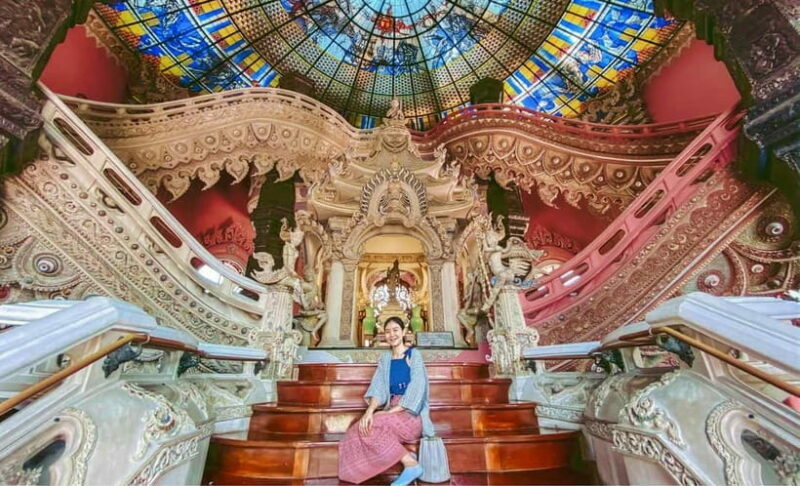
Once inside, you’ll find the museum divided into three sections: Underworld, Earth, and Heaven. Each offers a different perspective, with exhibits that highlight Asian art, sacred objects, and spiritual themes. The exhibits are not overwhelming, making it easy to explore at your own pace, but we loved the way each section invites reflection on philosophy and spiritual beliefs.
You can expect to see artifacts and artworks that date back centuries, many believed to bring blessings and prosperity. These sacred objects are displayed with reverence, and the atmosphere inside encourages quiet respect and curiosity. We appreciated how the museum preserves these items, allowing visitors to connect with Thailand’s spiritual heritage.
The Cultural Significance
The museum was built by Lek Viriyapant, an antique collector passionate about heritage preservation. His vision was to protect and showcase priceless artifacts for future generations. The three-headed elephant isn’t just a striking sculpture; it’s a symbol of Thailand’s identity, standing as a guardian of sacred objects and cultural values.
Even before its full completion, the site became a place of worship, with visitors offering flowers and incense, a practice still common today. The Viriyapant family continued this tradition, ensuring the site remains a living testament to Thai culture.
More Great Tours NearbyAccessibility and Practicalities
Getting here is straightforward. The museum is accessible via the BTS Skytrain, with a convenient exit at Chang Erawan Station (E17), Exit 2. A free shuttle tuk-tuk will pick you up daily, making this a hassle-free outing. The tour includes all taxes and fees, so there are no hidden costs, and the admission fee of $12 offers good value considering the cultural depth.
Tour Logistics and Tips
The visit typically lasts about an hour, perfect for a quick cultural fix. Remember to dress modestly — sleeveless shirts and short skirts aren’t permitted — and keep noise to a respectful level. Inside, photography is restricted for commercial use, but you’ll find plenty of opportunities for personal photos outside and in designated areas.
Authentic Insights from Visitors
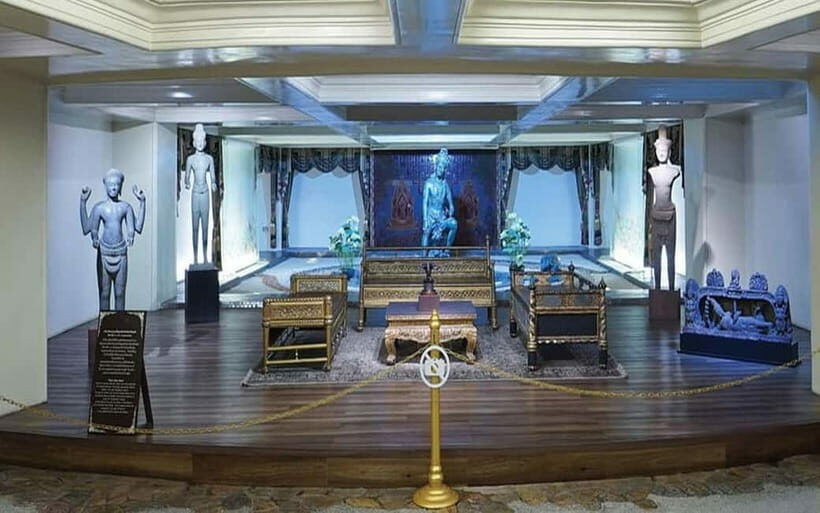
Reviewers highlight the stunning visual impact of the sculpture, with one describing it as “just right out amazing.” Many find the small size of the museum to be a plus, knowing they can see everything without feeling overwhelmed. The knowledgeable guides and peaceful atmosphere are often praised, creating a more intimate experience.
One traveler summed it up as an “authentic cultural experience” that combines visual beauty with a deeper understanding of Thai heritage. Others mention that the exhibits are well-curated, and the overall price is very reasonable for what you get.
Deep Dive into the Experience
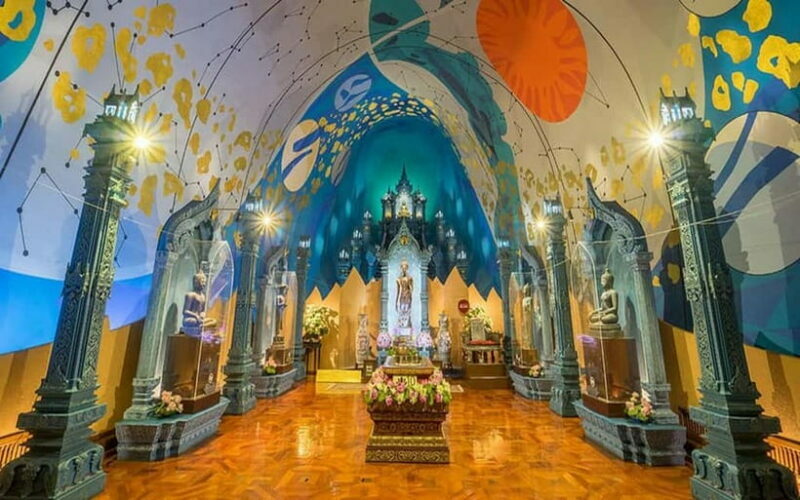
Our detailed look at the museum reveals that while it’s not a massive complex, its impact lies in its symbolism and artistry. The massive bronze sculpture is a conversation starter, prompting questions about mythology and spiritual symbolism. Inside, the exhibits are thoughtfully displayed, each piece telling a story about Thailand’s religious and cultural traditions.
The Three Sections: Underworld, Earth, and Heaven
- Underworld: Likely features artifacts related to spiritual realms and beliefs about death and rebirth.
- Earth: Showcases everyday sacred objects, possibly including traditional Thai art and relics believed to bring blessings.
- Heaven: Emphasizes divine symbols and celestial themes, connecting to Buddhist and Hindu cosmology.
This layered approach encourages visitors to reflect on life, death, and spiritual protection, making it more than just a visual spectacle.
The Sacred Objects and Legacy
Many objects date back centuries, believed to hold spiritual power. Visitors often find themselves contemplating the stories and traditions behind these artifacts. As one reviewer noted, the museum was built to preserve these priceless items as a heritage, a mission still visible in the respectful display.
Why This Tour Offers Real Value
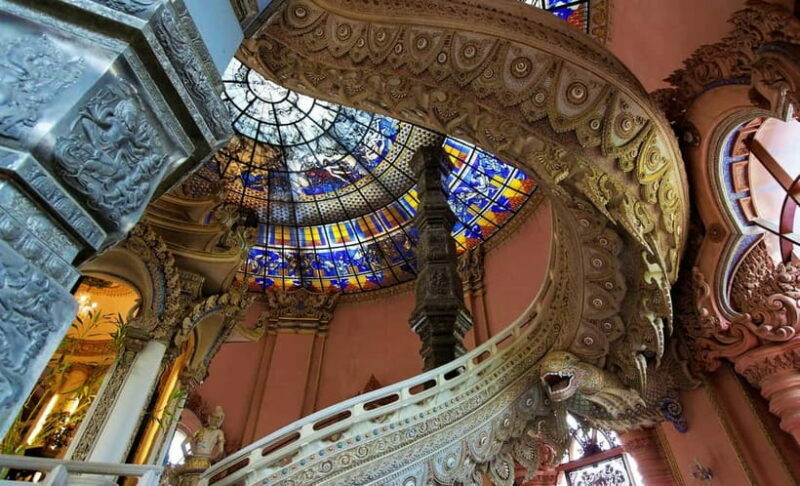
At just $12, this admission provides access to a thoughtfully curated cultural site that combines art, mythology, and history. Given the easy access via public transport and the inclusion of a shuttle tuk-tuk, it’s practical for most travelers. The small size and manageable time commitment make it a perfect addition to a day exploring central Thailand.
The reviews underscore the quality of the exhibits and the knowledge of guides, enhancing the visit. It’s an experience that balances visual awe with educational substance, appealing to those who love cultural stories and meaningful symbols.
Who Should Consider This Tour?
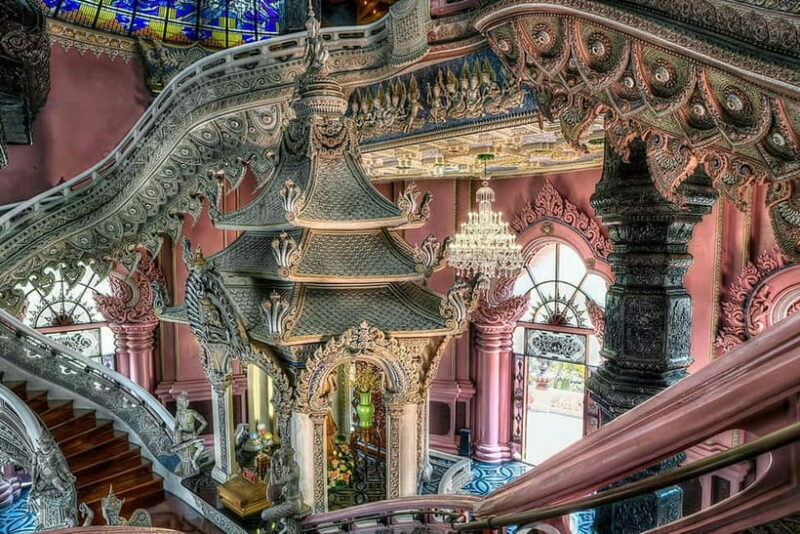
This experience is ideal for culture enthusiasts and photographers eager to capture a striking image of Thailand’s spiritual art. It’s also perfect for travelers who appreciate meaningful heritage sites rather than larger, crowded museums. Families with older children interested in mythology and religion will find it engaging. If you’re short on time but want a quick yet impactful cultural experience, this is a smart choice.
The Sum Up
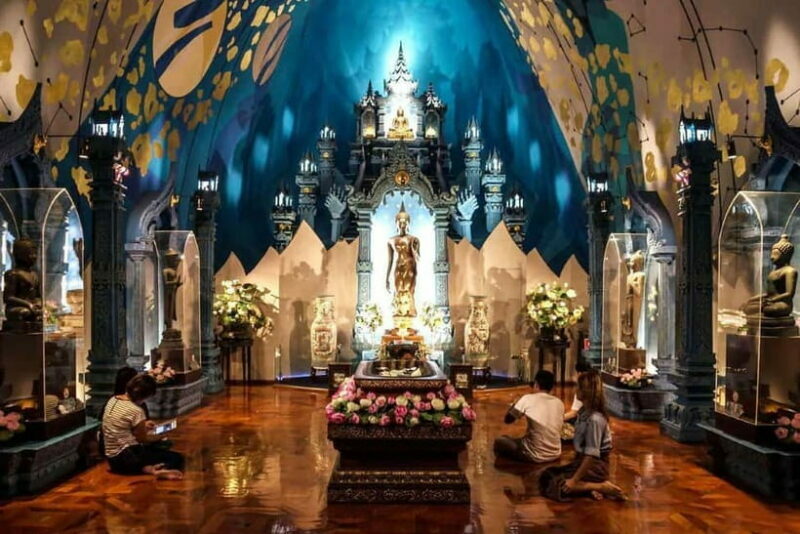
The Erawan Museum offers more than just its impressive three-headed elephant — it’s a gateway into Thai mythology, religion, and art. For just $12, you gain access to a beautifully curated site that balances visual spectacle with cultural depth. The museum’s accessible location, combined with its meaningful exhibits and respectful atmosphere, makes it an excellent choice for curious travelers.
While it’s not a sprawling complex, the power of its symbolism and craftsmanship more than makes up for its size. This experience suits those seeking a thoughtful, visually striking, and affordable cultural journey. Whether you’re an avid photographer or a history buff, the Erawan Museum invites you to see Thailand’s spiritual side through a uniquely artistic lens.
Samut Prakan: The Erawan Museum Admission Ticket (NON THAI)
FAQ
Is the ticket price for this experience expensive?
No, at $12, the admission is quite reasonable considering the museum’s cultural and artistic value, plus all taxes and fees are included.
How do I get to the museum?
You can access it via the BTS Skytrain Greenline, exiting at Chang Erawan Station (E17), Exit 2. A free shuttle tuk-tuk runs daily from this station.
Are there any restrictions on clothing?
Yes, modest dress is required. Shorts, sleeveless shirts, short skirts, and revealing clothing are not permitted inside the museum.
Can I take photos inside?
Photography and videos for commercial purposes are not allowed inside the exhibits but are generally permitted outside and in designated areas.
How long does a typical visit take?
Most visitors spend about an hour exploring the exhibits and enjoying the views, making it a quick yet fulfilling cultural stop.
Is this experience suitable for children?
Yes, older children with an interest in mythology or culture will enjoy it, especially given the visual impact of the giant sculpture and the exhibits.
In the end, the Erawan Museum presents a compelling blend of art, mythology, and heritage that’s accessible and affordable. It’s a visual feast and a thoughtful reflection on Thai spiritual traditions—an experience that will resonate long after you leave.
You can check availability for your dates here: