
The Annapurna Circuit with Tilicho Lake is a renowned trekking adventure that takes adventurers on a captivating journey through Nepal’s breathtaking Himalayan landscapes. From lush forests to high-altitude meadows, this 20-day trek culminates at the stunning Tilicho Lake, nestled at an impressive 4,920 meters. Along the way, trekkers will cross the Thorong La Pass, one of the highest in the world, offering panoramic vistas of the Annapurna and Dhaulagiri ranges. Beyond the stunning natural scenery, this challenging trek also immerses participants in the rich local cultures and cuisines, promising an unforgettable experience that goes beyond the physical challenge.
Good To Know
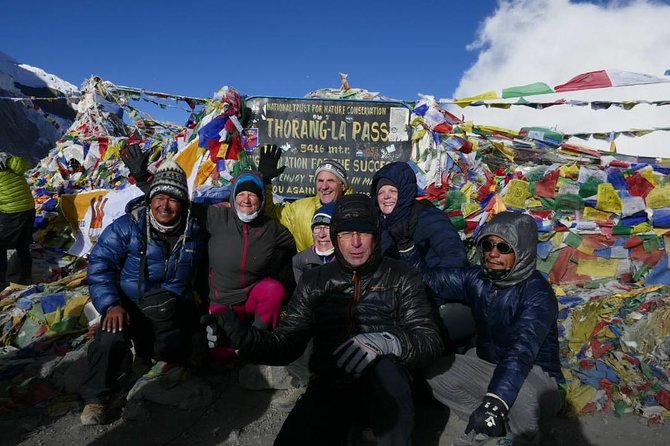
- The Annapurna Circuit with Tilicho Lake trek is a 20-day adventure that showcases the diverse landscapes of Nepal, including high-altitude meadows and stunning mountain views.
- Proper preparation is essential, including warm clothing, sturdy hiking boots, and acclimatization to prevent altitude sickness, as well as budgeting for permits, transportation, and accommodations.
- The trek offers opportunities to explore Kathmandu’s cultural heritage, including the Boudhanath Stupa, Pashupatinath Temple, and Patan Darbar Square, before embarking on the Himalayan adventure.
- Reaching the scenic Tilicho Lake at 4,920 meters and crossing the challenging Thorong La pass at 5,416 meters are highlights of the trek, testing endurance and providing breathtaking views.
- The trek also allows for culture, with visits to Tibetan settlements, ancient monasteries, and opportunities to experience local festivals, artisans, and cuisine.
Overview of the Trek
The Annapurna Circuit trek with Tilicho Lake takes adventurous travelers on a captivating journey through Nepal’s diverse landscapes.
Spanning 20 days, the trek explores the world’s highest lake in Manang District. It starts on the Annapurna circuit, diverging west towards Tilicho Lake, before rejoining the circuit and crossing the renowned Thorong La pass, one of the highest globally.
Trekkers will encounter a variety of terrains, from lush forests to high-altitude meadows, with stunning views of the Annapurna and Dhaulagiri ranges.
The trek’s highlights include visiting Tilicho Lake, at an impressive 4,920 meters, and crossing the challenging Thorong La pass at 5,416 meters.
You can also read our reviews of more tours and experiences in Kathmandu.
Preparing for the Journey
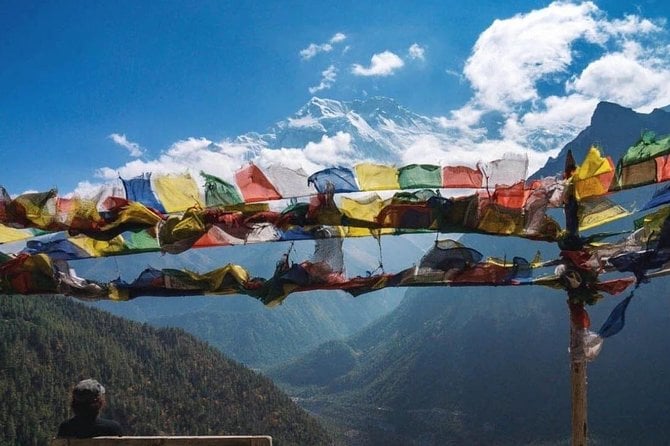
Preparing for the journey on the Annapurna Circuit with Tilicho Lake requires careful consideration and planning.
Travelers must ensure they’ve the appropriate gear, including warm clothing, sturdy hiking boots, and proper rain/wind protection. Physical fitness is crucial, as the trek involves long days of hiking at high altitudes.
Proper acclimatization is essential to prevent altitude sickness, which may involve spending extra days in Manang.
Finally, budgeting for the trek is important, as it includes costs for permits, transportation, accommodations, and meals.
Exploring Kathmandu’s Landmarks
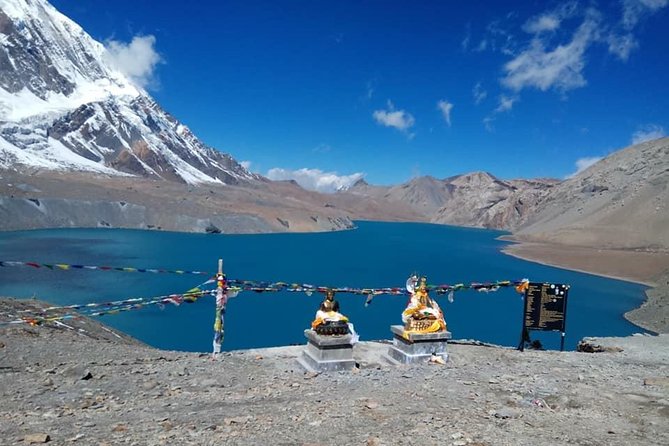
Upon arriving in Kathmandu, travelers will have the opportunity to explore the city’s rich cultural heritage.
They’ll visit the Boudhanath Stupa, one of the largest Buddhist stupas in the world and a UNESCO World Heritage Site.
At Pashupatinath Temple, a significant Hindu pilgrimage site, they’ll witness cremation rituals along the Bagmati River.
The historic Patan Darbar Square, another UNESCO site, showcases exquisite Newari architecture, with intricate carvings adorning the temples and palaces.
These immersive experiences provide a glimpse into Nepal’s diverse religious and artistic traditions, setting the stage for the adventurous Annapurna Circuit trek to come.
Trekking Through the Himalayas
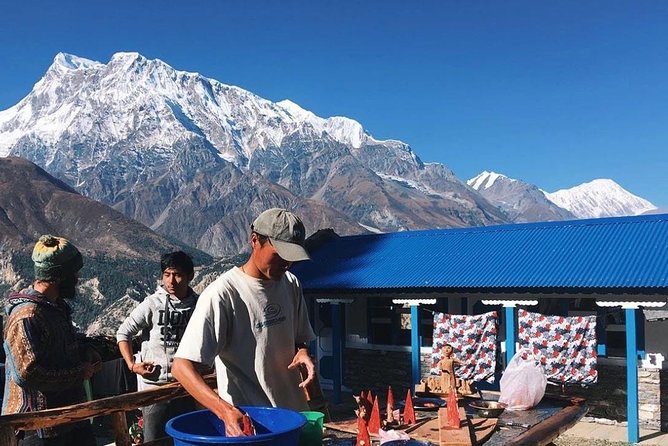
Embarking on the Annapurna Circuit trek, travelers traverse a landscape that seamlessly transitions from lush, verdant forests to the rugged, snow-capped peaks of the Himalayas.
The 20-day journey is a captivating exploration of Nepal’s diverse terrain, offering:
- Stunning vistas of the Annapurna and Dhaulagiri ranges.
- Visits to Tibetan settlements and ancient monasteries, immersing in local culture.
- The challenge of crossing the Thorong La pass, one of the world’s highest.
- The opportunity to reach Tilicho Lake, the highest lake in the world at 4,920m.
Trekkers are rewarded with a sense of accomplishment and memories that will last a lifetime as they navigate this awe-inspiring region of the Himalayas.
Reaching Tilicho Lake
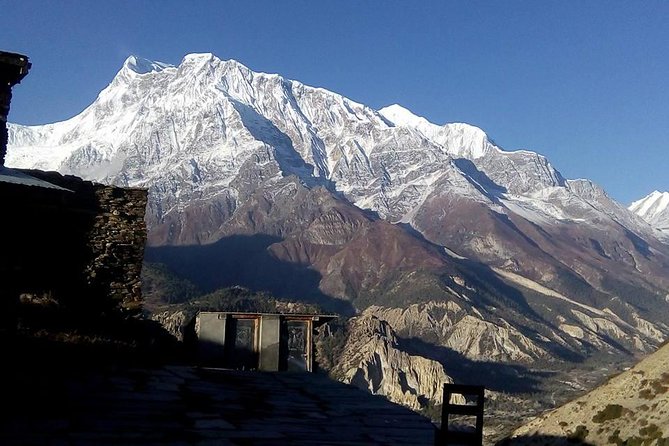
The Annapurna Circuit trek diverges west towards Tilicho Lake, one of the world’s highest lakes nestled in the heart of Nepal’s Manang District. Reaching this remote and scenic destination requires a challenging multi-day trek. Trekkers will ascend through diverse landscapes, passing snow-capped peaks, lush meadows, and alpine forests before arriving at the base camp. From there, a final push brings them to the pristine shores of Tilicho Lake, where they can bask in the serene beauty of the turquoise waters surrounded by towering mountains. The trek to Tilicho Lake is a true test of endurance and a highlight of the Annapurna Circuit adventure.
| Day | Destination | Elevation (m) | Duration (hrs) |
|---|---|---|---|
| 9 | Siri Kharka | 4,200 | 5-6 |
| 10 | Tilicho BC | 4,920 | 4-5 |
| 11 | Tilicho Lake | 4,920 | 3-4 |
| 12 | Yak Kharka | 4,018 | 4-5 |
- Everest Base Camp Helicopter Tour Stop at Everest View Hotel
- Private Kathmandu Sightseeing Tour – UNESCO World Heritage Sites
- Everest Base Camp Helicopter Tour Landing at Hotel Everest View
- 14-Day Private Annapurna Base Camp Trek
- Everest Base Camp Trek-12 Days
- 200 Hours Yoga Teacher Training at Nepal Yoga Home (Starts on 1st of Everymonth)
Crossing the Thorong La Pass
After reaching the stunning Tilicho Lake, trekkers now face the challenge of crossing the formidable Thorong La pass, one of the highest mountain passes in the world at 5,416 meters.
The ascent to the pass is arduous, requiring hikers to navigate steep, rocky terrain and cope with the thin air at high altitudes.
Once at the top, they’re rewarded with breathtaking panoramic views of the Annapurna and Dhaulagiri ranges.
The descent, however, can be equally treacherous, with steep, winding trails and the risk of altitude-related illnesses.
Proper preparation, including acclimatization and sturdy equipment, is crucial for a safe and successful crossing of the Thorong La pass.
The key highlights of crossing the Thorong La pass include:
- Navigating the steep, rocky ascent to the 5,416-meter summit.
- Experiencing the awe-inspiring panoramic views from the top of the pass.
- Carefully descending the steep, winding trails on the other side.
- Managing the risks of altitude-related illnesses throughout the crossing.
Discovering Local Cultures
As trekkers cross the Thorong La pass and descend into the Mustang region, they’ll discover a rich tapestry of local cultures.
The villages in this remote area are heavily influenced by Tibetan Buddhism, with numerous monasteries and shrines dotting the landscape. Visitors can witness ancient traditions, from colorful festivals to skilled artisans crafting intricate textiles and woodcarvings.
The hospitality of the Mustang people is renowned, as they welcome trekkers into their homes and share insights into their way of life.
From the unique architecture to the flavorful Tibetan-style cuisine, the culture on the Annapurna Circuit promises an unforgettable experience.
Returning to Kathmandu
Upon completing their culture in the Mustang region, trekkers now turn their sights towards the bustling capital of Kathmandu.
The descent from the Annapurna range allows for one final opportunity to savor the breathtaking mountain vistas before the journey’s end.
Returning to Kathmandu presents:
-
The chance to explore the city’s iconic landmarks, including the Boudhanath Stupa, Pashupatinath Temple, and Durbar Square.
-
Time to shop for traditional Nepali crafts and textiles as mementos of the trekking experience.
-
Culinary exploration of the diverse local cuisine, from aromatic curries to mouthwatering momos.
-
Relaxation and reflection on the remarkable accomplishment of completing the Annapurna Circuit with Tilicho Lake.
Frequently Asked Questions
What Is the Best Time of Year to Do the Annapurna Circuit Trek?
The best time to do the Annapurna Circuit trek is during the spring (March-May) and autumn (September-November) seasons, when the weather is milder, skies are clearer, and trekking conditions are optimal.
How Much Weight Should I Carry in My Backpack During the Trek?
Hikers should carry a lightweight backpack weighing around 10-15 pounds, containing essential items like water, snacks, rain gear, and extra layers. Porters or pack animals can transport heavier gear, allowing trekkers to focus on the journey comfortably.
Can I Rent Equipment for the Trek in Kathmandu?
Yes, you can rent equipment for the trek in Kathmandu. Many outdoor gear shops offer a wide range of trekking equipment, from backpacks and sleeping bags to jackets and hiking boots, allowing travelers to pack light.
What Are the Typical Weather Conditions on the Thorong La Pass?
The Thorong La pass experiences cold, windy, and snowy conditions during the trek. Trekkers should expect freezing temperatures, potential blizzards, and challenging terrain when crossing the high pass at an elevation of over 5,400 meters.
Are There Any Visa Requirements for the Annapurna Circuit Trek?
Travelers require a visa to enter Nepal for the Annapurna Circuit trek. The visa can be obtained upon arrival at Tribhuvan International Airport or arranged in advance through a travel agency. Proper documentation and fees are necessary to obtain the Nepal visa.
Sum Up
The Annapurna Circuit with Tilicho Lake is a remarkable trekking adventure that offers a captivating blend of natural wonders, culture, and personal achievement. From the lush forests to the breathtaking high-altitude vistas, this challenging journey invites adventurers to push their limits, explore ancient traditions, and create unforgettable memories amidst the grandeur of the Himalayas. The trek culminates at the stunning Tilicho Lake and the awe-inspiring Thorong La Pass, leaving trekkers with a profound sense of accomplishment and a deeper appreciation for the beauty of the natural world.
More Tour Reviews in Kathmandu
Not for you? Here's more things to do in Kathmandu we have recnetly reviewed
- 2 Best Guided Tours In Jagat
- 20 Best 2 Day Tours In Kathmandu
- 20 Best 3 Day Tours In Kathmandu
- 20 Best 4 Day Tours In Kathmandu
- 8 Best Dining Experiences In Kathmandu
- 20 Best Full-Day Tours In Kathmandu
- 25 Best Helicopter Flights And Tours In Kathmandu
- 25 Best Helicopter Flights And Tours In Kathmandu
- 13 Best Massage And Relaxation Services In Kathmandu
- 5 Best Photography Experiences In Kathmandu
- 8 Best Dinner Tours In Kathmandu
- 17 Best Lunch Experiences In Kathmandu