
The Aral Sea, once a vibrant body of water teeming with life, has become a haunting reminder of humanity’s impact on the natural world. This former inland sea, situated between Kazakhstan and Uzbekistan, was once renowned for its thriving fishing industry and diverse ecosystem. However, Soviet-era irrigation projects have irrevocably transformed the Aral Sea, leading to its near-complete desiccation and the collapse of the local economy. Today, the remnants of this lost paradise stand as a poignant testament to the fragility of our environment and the consequences of our actions. Unraveling the complex story of the Aral Sea’s downfall offers a sobering lesson in the delicate balance of nature and the urgent need for sustainable resource management.
Good To Know
-
The Aral Sea, once a thriving ecosystem, has been transformed into a desolate landscape due to Soviet-era irrigation projects that diverted its primary water sources.
-
The desiccation of the Aral Sea led to the collapse of the region’s fishing industry, disrupting the livelihoods and cultural practices of local communities.
-
Ongoing rehabilitation efforts aim to preserve the remaining fragments of the Aral Sea’s ecosystem, highlighting the importance of understanding and mitigating human impact on natural resources.
-
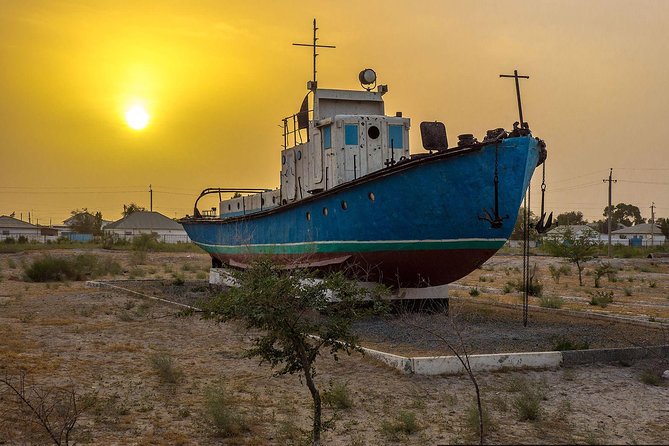
Abandoned ships and crumbling infrastructure in the region serve as haunting reminders of the environmental catastrophe, attracting adventurous travelers to explore this lost paradise.
-
The Aral Sea’s story underscores the delicate balance between human development and ecological sustainability, offering valuable lessons for sustainable resource management.
Discovering the Aral Sea’s History
The tour’s exploration of the Aral Sea’s history takes visitors on a captivating journey through a once-thriving ecosystem that has been profoundly transformed.
Participants explore the environmental catastrophe that unfolded over decades, as Soviet irrigation projects diverted the Sea’s primary water sources, leading to its gradual desiccation.
The tour guides share vivid accounts of the fishing communities that thrived along the Aral’s shores, now stranded amidst the eerie landscape of abandoned ships and crumbling infrastructure.
Guests gain a deeper understanding of the complex political, economic, and ecological factors that contributed to this environmental disaster, and the ongoing efforts to rehabilitate and preserve the remaining fragments of this once-vibrant natural wonder.
You can also read our reviews of more tours and experiences in Nukus.
Exploring the Aral Sea’s Environmental Impact
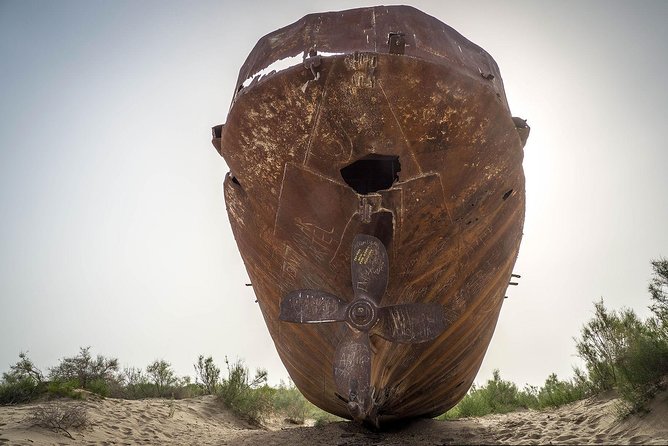
One key aspect of the Aral Sea tour is the exploration of the profound environmental impact that has befallen this once-flourishing ecosystem.
Visitors witness the dramatic shrinkage of the sea, which has exposed vast seabeds and left behind a haunting, desolate landscape.
The tour examines the catastrophic consequences of the Soviet-era water diversion projects, which have decimated the Aral’s delicate balance and led to the collapse of the region’s fishing industry.
Guides provide in-depth insights into the ongoing efforts to revive the sea and mitigate the wide-ranging environmental damage, offering a sobering yet crucial perspective on the fragility of our natural world.
The Aral Sea’s Economic Significance
Beyond its environmental significance, the Aral Sea held immense economic importance for the region. It was a hub for fishing, with a thriving industry that employed thousands. The sea’s waters provided critical irrigation for surrounding farmlands, enabling the cultivation of lucrative cash crops. Plus, the Aral Sea’s unique geography made it a strategic location for transportation and trade routes. However, the catastrophic desiccation of the sea has had a severe economic impact, devastating local communities and industries that once relied on its resources.
| Economic Activity | Impact of Aral Sea Desiccation |
|---|---|
| Fishing | Collapse of once-thriving industry |
| Agriculture | Loss of vital irrigation sources |
| Transportation | Disruption of trade routes |
| Employment | Widespread job losses |
| Regional Economy | Widespread economic decline |
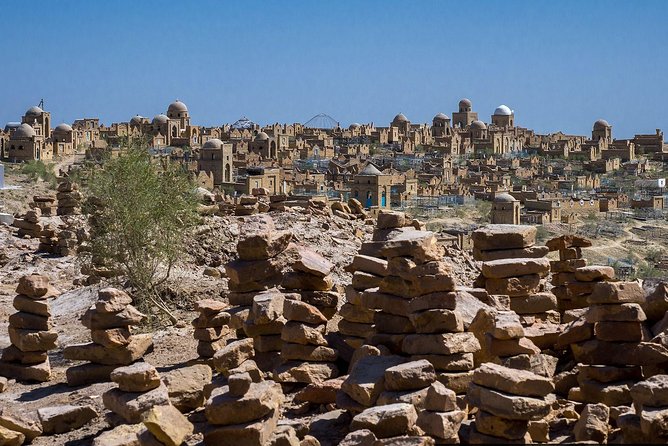
Navigating the Aral Sea region requires careful planning and a spirit of adventure.
Traversing the vast, desolate landscapes, visitors encounter the remnants of a once-thriving inland sea. Abandoned fishing villages, rusting ships, and eerie shorelines bear witness to the Aral Sea’s dramatic decline.
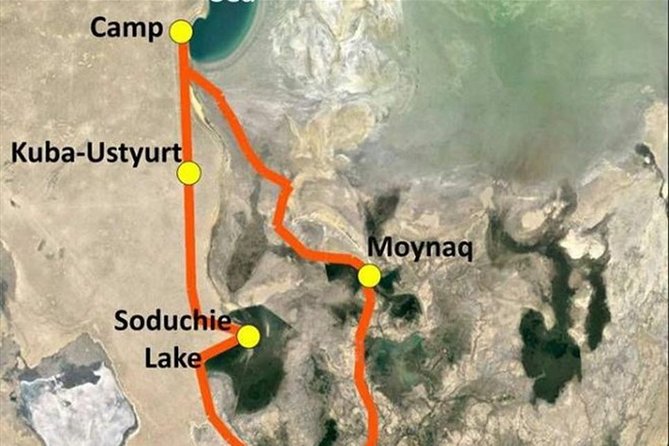
Guided tours utilize 4WD vehicles to navigate the challenging terrain, allowing travelers to explore the region’s unique geology, wildlife, and cultural heritage. Expert local guides share insights into the environmental disaster that unfolded here, providing a deeper understanding of the complex issues surrounding the Aral Sea’s demise.
With moderate fitness and a sense of exploration, visitors can enjoy this haunting yet captivating region, uncovering the stories of a lost paradise.
Understanding the Aral Sea’s Ecosystem
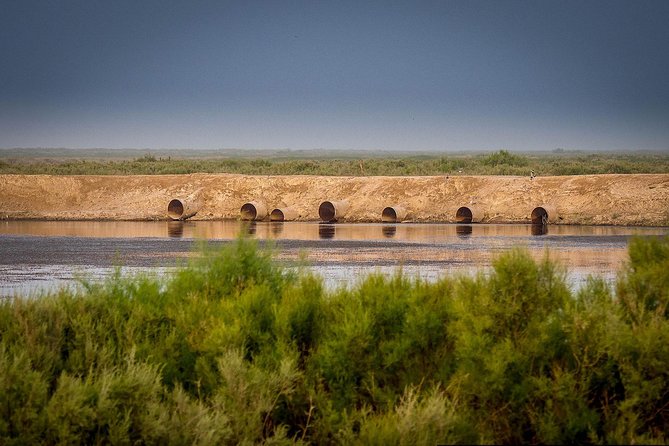
The Aral Sea’s ecosystem was once a vibrant and diverse expanse, teeming with life. This inland body of water was home to a rich array of fish, birds, and other wildlife, thriving in the delicate balance of its salinity and water levels.
However, the disastrous human intervention that led to the sea’s dramatic shrinkage has devastated this delicate ecosystem. Once-abundant fish species have vanished, and the surrounding landscapes have transformed into barren, salty deserts.
The Aral Sea’s decline has had far-reaching consequences, impacting local communities and the broader regional environment. Understanding and addressing the factors that contributed to this ecological disaster is crucial for any efforts to restore the Aral Sea’s lost paradise.
The Aral Sea’s Cultural Influence
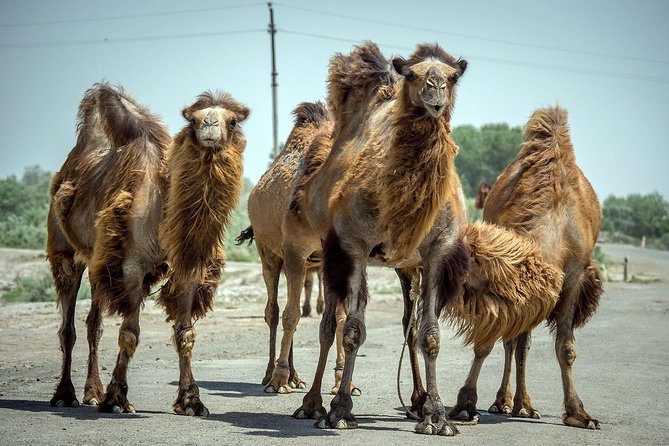
The Aral Sea‘s profound cultural influence has left an indelible mark on the region’s people and their way of life. For centuries, the sea’s bountiful resources shaped the livelihoods and traditions of the surrounding communities.
Fishing, boat-building, and maritime trade were integral to the local culture, fostering a deep connection to the water. Even as the sea receded, its legacy endures through the region’s cuisine, architecture, and artistic expression.
The once-thriving ports have become ghost towns, but the stories and memories of the Aral Sea continue to captivate visitors, offering a poignant testament to the resilience of human adaptation in the face of environmental change.
Photographing the Aral Sea’s Landscapes
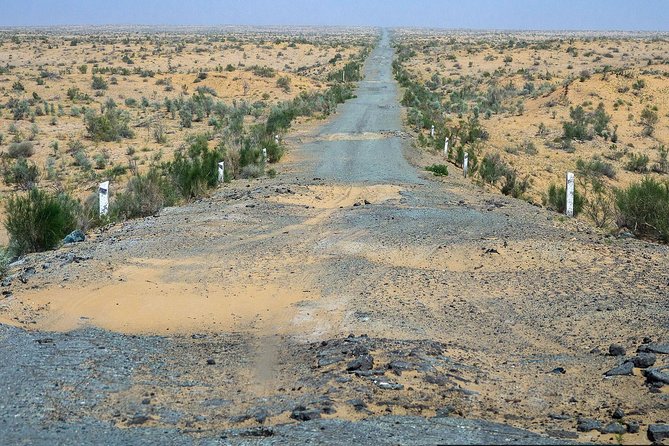
Breathtaking vistas and otherworldly landscapes await the intrepid photographer exploring the Aral Sea region. Stark, desolate expanses give way to towering salt formations, sculpted by the elements into surreal shapes.
Abandoned ships, rusting and time-worn, dot the parched seabed, creating hauntingly beautiful scenes. Photographers must venture carefully, as the harsh environment can be unforgiving.
Yet, the rewards are profound – capturing the haunting beauty of this lost paradise, where nature’s fury has transformed the once-vibrant sea into a surreal, post-apocalyptic realm.
Skilled lenses immortalize the region’s raw, dramatic beauty, sharing its tale of environmental devastation and resilience with the world.
Visiting the Aral Sea’s Remnants
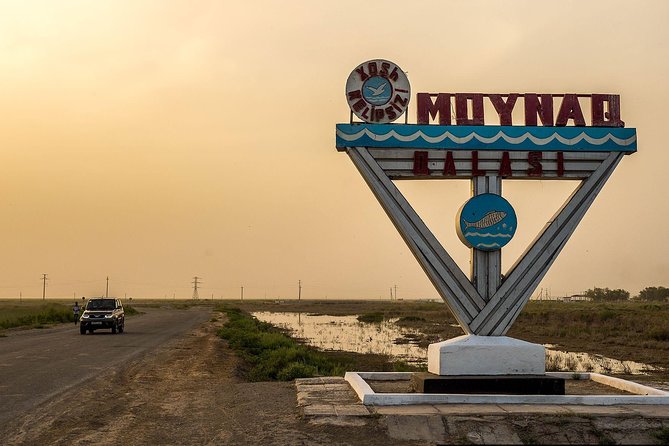
Amidst the desolate expanse of the former Aral Sea, visitors can now explore the remnants of this once-vibrant body of water.
Guided tours take adventurous travelers through the rugged terrain, where abandoned ships and fishing villages stand as eerie reminders of the environmental disaster that unfolded here.
Visitors can wander among the ghostly vessels, imagining the bustling fishing industry that once thrived.
The tour also includes visits to the Moynaq ship graveyard, where the decaying hulls of ships protrude from the dried-up seabed.
Traversing the harsh landscape in 4WD vehicles, guests witness the stark beauty and poignant history of this lost paradise, gaining a deep appreciation for the fragility of our environmental systems.
Frequently Asked Questions
What Is the Group Size for This Private Tour?
The tour is private, meaning only your group will participate. The group size can vary, with the price per person adjusting accordingly. The tour overview does not specify a fixed group size.
Is Transportation Provided to and From the Airport?
The tour provides transportation to and from the airport or accommodation within a 3 km radius of the city. Pickup is available after 7 AM, and drop-off is provided at the end of the tour.
Are Meals Included Throughout the Entire Tour?
Yes, the tour’s inclusions cover meals throughout the entire experience, providing breakfast, two lunches, and dinner. The all-inclusive package ensures travellers can fully enjoy the Aral Sea tour without worrying about extra food costs.
Can the Tour Accommodate Travelers With Physical Disabilities?
The tour is not recommended for travelers with physical disabilities. The itinerary requires a moderate level of fitness and the tour is not wheelchair accessible. Pregnant travelers should also avoid this tour.
Is There a Cancellation Policy for This Tour?
The tour has a free cancellation policy up to 6 days in advance. This provides travelers with flexibility and the ability to change their plans if needed without incurring any penalties.
Sum Up
The Aral Sea’s drastic transformation serves as a stark reminder of the consequences of unchecked human intervention. Once a thriving hub of life and industry, it now stands as a haunting landscape, a testament to the fragility of our natural world. The ongoing efforts to rehabilitate the region offer a glimmer of hope, urging us to learn from this catastrophic environmental disaster and forge a more sustainable relationship with our planet.