
Asuka, a captivating region in Japan’s countryside, offers a window into the country’s formative years. This historical tour guides visitors through ancient sites that reveal Asuka‘s pivotal role in shaping Japanese culture and society. From the striking blend of tradition and nature at Tanzan Jinja shrine to the tangible connection to Japan’s past at the Fujiwara Palace Ruins, the experience promises a deeper understanding of the enduring spiritual foundations that have long defined the nation. Exploring Asuka’s pastoral charm and natural beauty provides a serene backdrop, hinting at the treasures that await those who delve further into this remarkable destination.
Key Points
- Explore the historical significance of Asuka, where the foundations of Japan’s ancient culture and society were laid.
- Discover the introduction of Buddhism and its influence on the development of Japanese civilization.
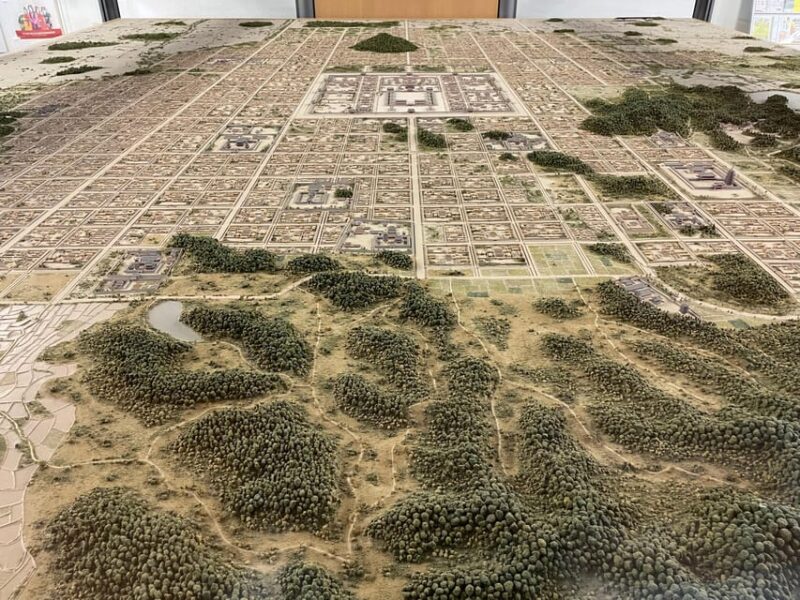
- Visit the Fujiwara Palace Ruins, the former imperial capital that offers insights into Japan’s formative years.
- Immerse in the pastoral charm and natural beauty of the Asuka countryside, complementing the historical exploration.
- Engage with a knowledgeable local guide who provides insights into the region’s enduring traditions and spiritual foundations.
Tour Details
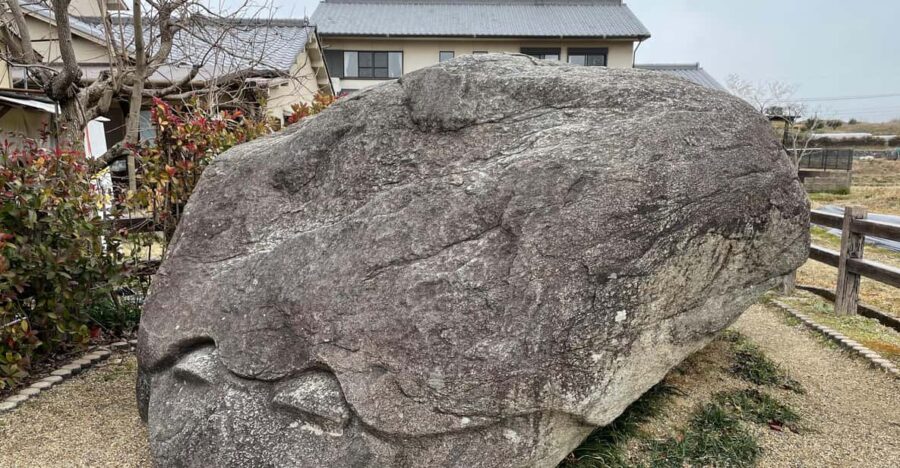
This guided tour lasts for 1 day and accommodates a limited group size of 7 participants. The tour is offered in English and Japanese.
Visitors can cancel their booking for free up to 24 hours before the tour.
The itinerary includes visits to Tanzan Jinja, Asuka, and Fujiwara Palace Ruins. Highlights include exploring the countryside of Nara and Asuka, learning about ancient Japanese history, religion, and culture, and discovering the origin of Japan. The tour includes entrance fees, transportation, and a knowledgeable local guide. Comfortable shoes, water, and cash for additional expenses are recommended for participants of all ages.
You can also read our reviews of more tours and experiences in Asuka.
Itinerary Highlights
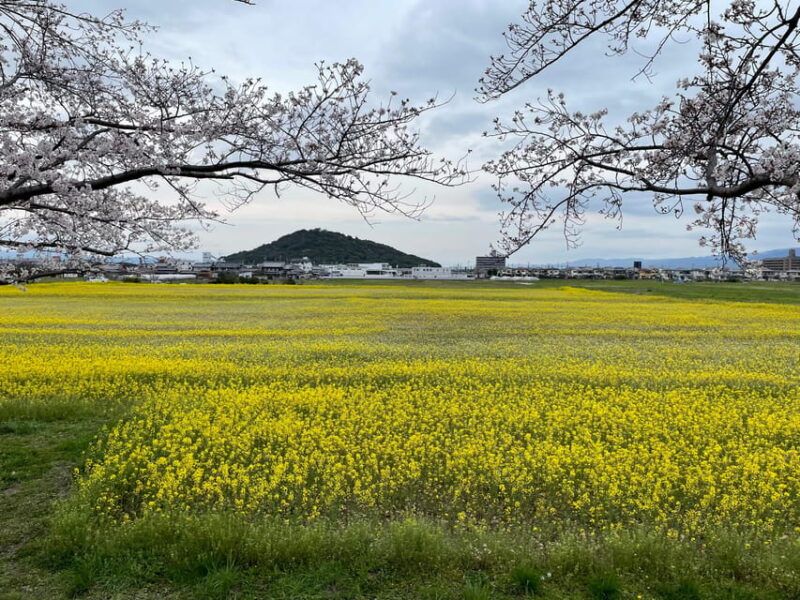
The guided tour takes visitors on a journey through the countryside of Nara and Asuka, where they can explore the rich cultural heritage of ancient Japan. Highlights include visiting the Tanzan Jinja, a historic Shinto shrine, and the Fujiwara Palace Ruins, which offer a glimpse into the former capital of ancient Japan.
Throughout the tour, the knowledgeable local guide provides insights into Japan’s history, religion, and way of life, allowing participants to uncover the origins of the Japanese nation. The beautiful countryside landscape serves as a picturesque backdrop, creating a truly immersive and memorable experience for all who embark on this cultural odyssey.
Tanzan Jinja
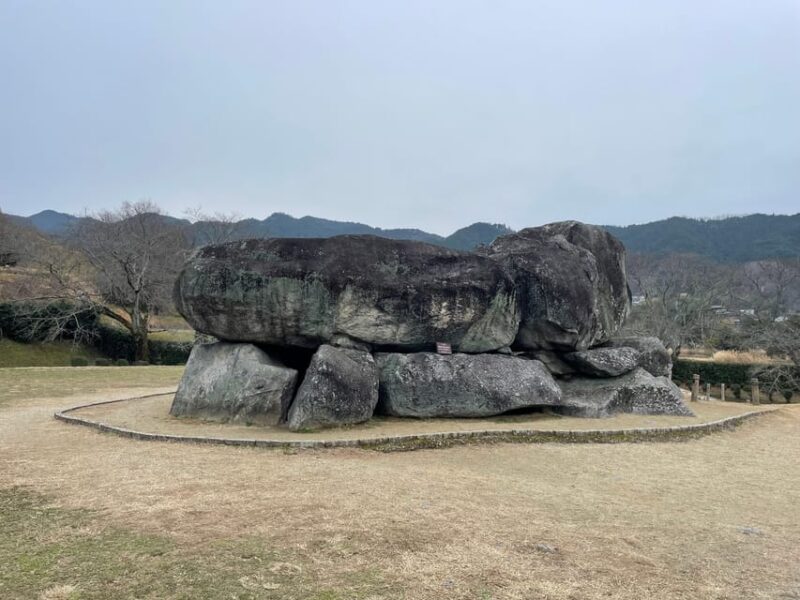
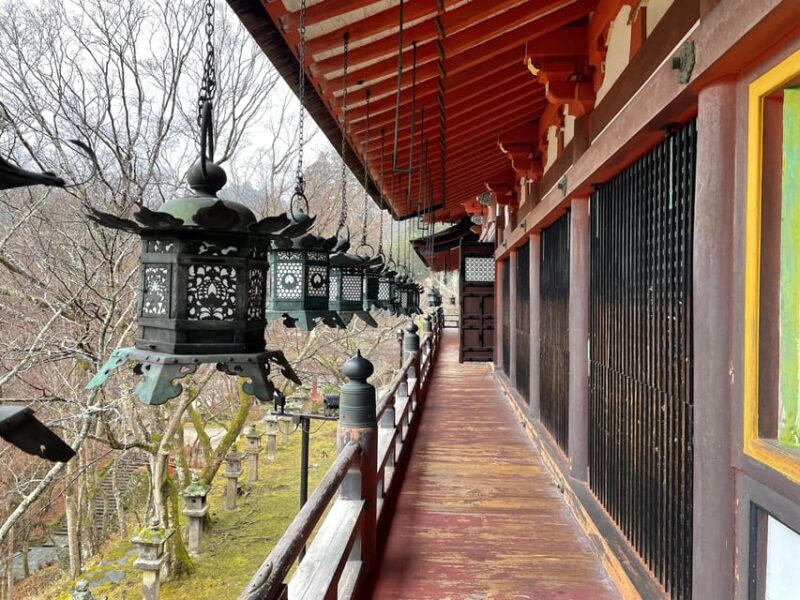
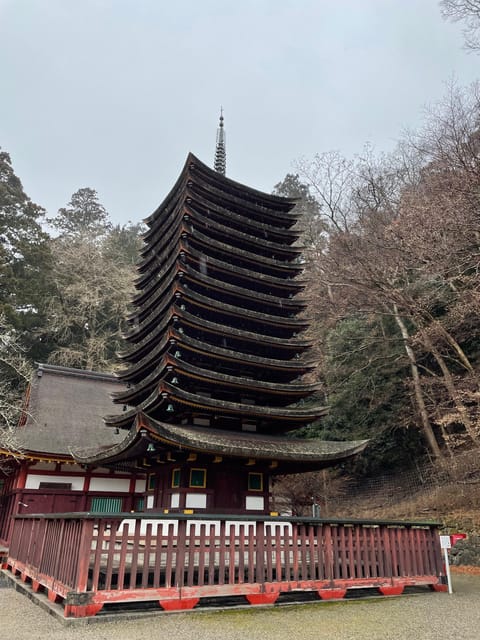
The Tanzan Jinja, a revered Shinto shrine, stands as a testament to Japan’s ancient religious heritage. Nestled in the picturesque countryside, this shrine dates back to the 7th century and holds immense significance for visitors.
Some key highlights of the Tanzan Jinja include:
- Its striking architectural features, blending traditional Japanese design with natural elements.
- The opportunity to witness Shinto rituals and gain insight into the beliefs that have shaped Japan’s cultural identity.
- The serene and tranquil atmosphere, inviting visitors to connect with the spiritual essence of the site.
Exploring the Tanzan Jinja provides a glimpse into the enduring traditions and spiritual foundations that have been at the heart of Japanese society for centuries.
Asuka Exploration
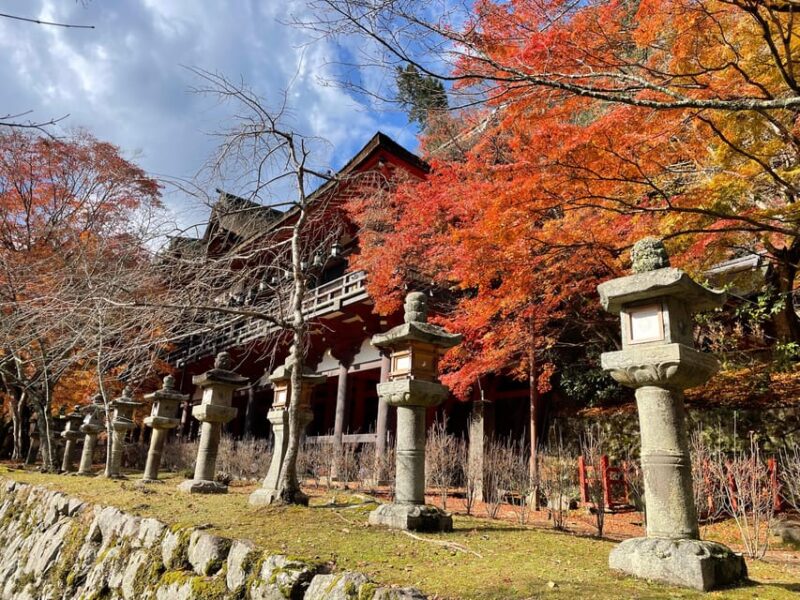
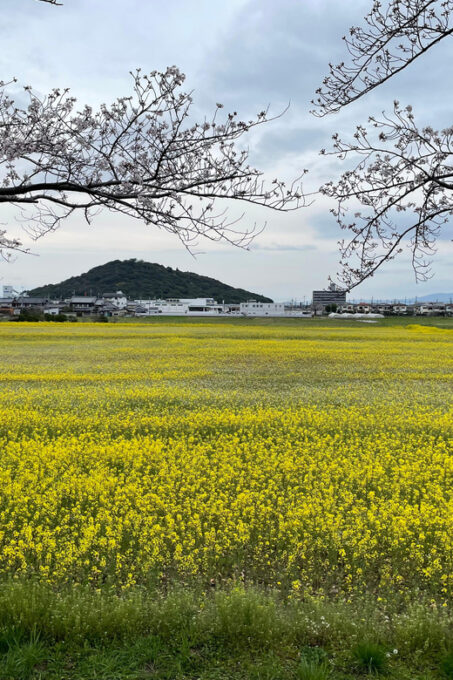
After exploring the serene Tanzan Jinja, the tour moves on to the captivating Asuka region, a historic area that played a pivotal role in Japan’s ancient history. This 4-hour segment allows visitors to discover the impressive Asuka countryside, where the first Japanese capital was established in the 7th century.
The guide shares insights into Asuka’s significance, from the introduction of Buddhism to the development of Japanese culture and society. Highlights include ancient archaeological sites, such as the Fujiwara Palace Ruins, which offer a window into Japan’s formative years. Throughout the journey, the guide weaves together the threads of history, religion, and natural beauty that define this remarkable region.
More Great Thing To Do NearbyFujiwara Palace Ruins
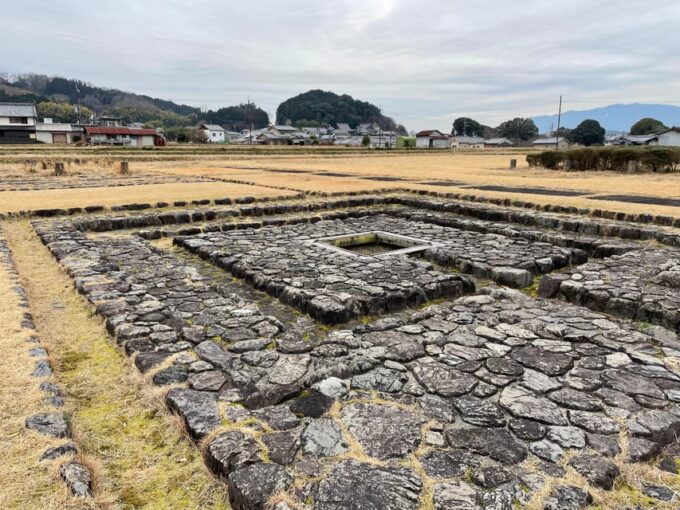
Leaving the pastoral charm of Asuka behind, the tour now focuses on the captivating Fujiwara Palace Ruins.
This ancient site was the seat of power during Japan’s Nara period, serving as the imperial capital from 694 to 710 AD. Visitors can explore the remnants of this once-grand palace, including:
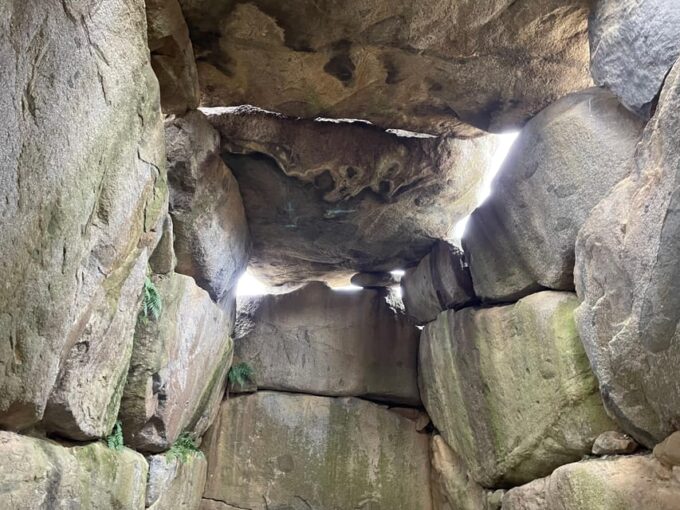
- Foundations and stone walls that provide a glimpse into the palace’s grand scale
- Excavated artifacts, such as clay figurines and pottery, offering insights into daily life
- Scenic views of the surrounding countryside, which would have been the backdrop for this influential center of power
The Fujiwara Palace Ruins offer a tangible connection to Japan’s formative years, inviting visitors to enjoy the nation’s rich history.
Guided Tour Experience
A knowledgeable local guide welcomes the group at the start of the tour, eager to share the rich history and cultural significance of the sites they’ll be exploring. As the group sets off, the guide regales them with fascinating tales of ancient Japan’s origins, bringing the past to life. The guided tour by car allows the group to cover more ground, ensuring they make the most of their day. Throughout the experience, the guide provides helpful insights and encourages participants to enjoy the serene countryside landscape.
| Tour Highlights | Benefits |
|---|---|
| Guided tour by knowledgeable local | Gain in-depth understanding of history and culture |
| Explore Nara and Asuka countryside | Experience the origin of Japan |
| Visit temples, shrines, and ruins | Discover the foundations of Japanese civilization |
Tour Inclusions
The tour’s inclusions cover all the essential elements to ensure a seamless and immersive experience. Visitors can enjoy guided tours by bilingual local guides, who provide insights into the region’s ancient history, religion, and culture.
The tour also includes all entrance fees to the various temples, shrines, and museums, as well as guided transportation by car. Plus, the tour provides:
- Assistance with shopping for souvenirs to capture the essence of the Asuka region
- Parking fees, ensuring a hassle-free experience
- The opportunity to explore the beautiful countryside landscape of Nara and Asuka.
Tour Logistics
Getting to the tour’s starting point is straightforward. The tour group size is limited to 7 participants, ensuring a more intimate and personalized experience. The tour is conducted in both English and Japanese, catering to a diverse audience. As for the cancellation policy, travelers can enjoy a free cancellation up to 24 hours in advance, providing flexibility.
| Duration | Group Size | Language |
|---|---|---|
| 1 day | 7 max | English, Japanese |
The tour covers a range of historical sites, including the Tanzan Jinja, Asuka, and the Fujiwara Palace Ruins, allowing visitors to enjoy the rich cultural heritage of the region. With the inclusion of all entrance fees and transportation, this tour offers a convenient and comprehensive way to explore the origins of Japan.
Frequently Asked Questions
What Is the Local Cuisine in the Asuka Region?
The Asuka region is known for its traditional Japanese cuisine, featuring seasonal local produce like vegetables, rice, and fish. Visitors can enjoy delectable regional specialties like soba noodles, miso-flavored dishes, and locally-sourced tofu throughout their tour of the area’s historic sites.
Are There Any Memorable Local Events or Festivals?
There are a few memorable local events and festivals in the Asuka region. The annual Tanzan Jinja Festival celebrates the region’s ancient history and culture with traditional music, dance, and food.
What Is the Best Time of Year to Visit Asuka?
The best time of year to visit Asuka is during the spring or fall. The mild weather and blooming scenery make these seasons ideal for exploring the historical sites and natural beauty of this ancient region.
What Is the History Behind the Tanzan Jinja Shrine?
The Tanzan Jinja shrine has a long history dating back to the 8th century. It’s dedicated to the sun goddess Amaterasu and was once an important imperial shrine. Today, it’s known for its beautiful architecture and serene atmosphere.
Can We Interact With Local Residents During the Tour?
Yes, the tour allows participants to interact with local residents during the Asuka portion of the itinerary. This provides an opportunity to learn about the culture and daily life of the people in the Asuka region.
Recap
The Asuka tour offers a unique opportunity to explore Japan’s rich history and cultural origins. Visitors can marvel at the Tanzan Jinja‘s architectural blend of tradition and nature, and explore the Fujiwara Palace Ruins, a tangible link to the country’s formative years. The tour’s guided experience and the serene natural beauty of the Asuka region provide a profound understanding of the enduring spiritual foundations of Japanese society.
You can check if your dates are available here: