
The Battle of Talavera in 1809 was a significant clash during the Peninsular War, pitting Allied British-Spanish forces against the French army. Fought along the Tagus River, this engagement exemplified effective coordination between British, Spanish, and Portuguese troops. Though the Allies suffered heavy casualties, they achieved a strategic victory that bolstered morale and solidified the Duke of Wellington‘s military reputation. This hard-fought battle would ultimately hinder Napoleon’s reinforcements, contributing to the French withdrawal from Spain. But the story behind this clash is one of intricate tactical maneuvers and the pivotal role it played in the wider conflict.
Key Points
- The Battle of Talavera took place in 1809 during the Peninsular War between Allied British-Spanish forces and the French.
- The battle resulted in a tactical victory for the Allies, but with heavy casualties on both sides.
- The battle solidified the reputation of the Duke of Wellington as a skilled military commander.
- The battle prevented Napoleon from reinforcing central Spain, contributing to the eventual French withdrawal from the region.
- The battlefield site in Castilla-La Mancha, Spain, serves as a historic reminder of the sacrifices made during the Peninsular War.
Overview

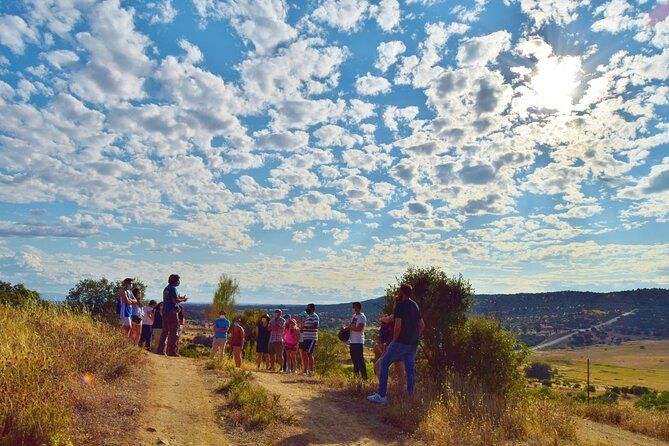
The Battlefield of Talavera is a historic site located in the Castilla-La Mancha region of Spain, where a significant battle took place in 1809 during the Peninsular War.
With a rating of 5.0 out of 3 reviews, this battlefield draws visitors interested in exploring the site of a pivotal clash between the British-led Allied forces and the French army.
The battle was a strategic victory for the Allied forces, but it came at a heavy cost.
Today, the battlefield is a somber reminder of the sacrifices made during this important chapter in Spanish history.
Visitors can enjoy the history of the site and gain a deeper appreciation for the events that unfolded there over 200 years ago.
You can also read our reviews of more tours and experiences in Castilla La Mancha.
Transportation and Meeting
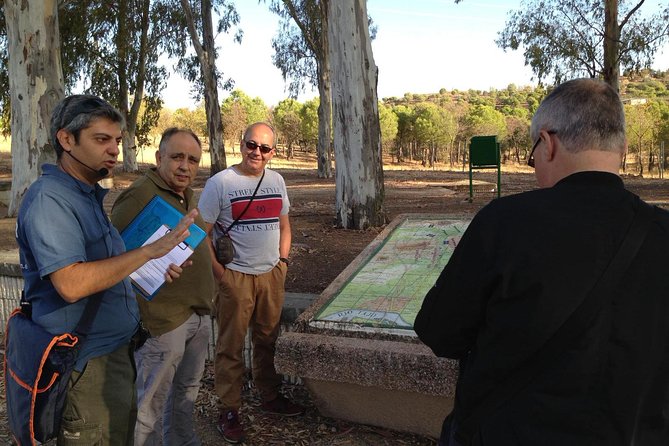
Travelers can access the Battlefield of Talavera through private transportation provided by the tour company. The meeting point for the tour is the Monumento a la Batalla de Talavera de 1809, located in Talavera de la Reina, Toledo, Spain. Pickup is available at any location in Talavera de la Reina or select locations like Atocha station in Madrid. The tour ends back at the meeting point.
This private tour ensures that only your group will participate, allowing for a more personalized experience.
The tour company offers several options, including:
-
Free cancellation up to 24 hours before the experience starts.
-
Reserve now and pay later.
-
Infant seats available for those traveling with young children.
Tour Options and Pricing
Pricing for the Battlefield of Talavera 1809 tour starts from $142.44, with the exact cost varying depending on the size of the group.
Free cancellation is available up to 24 hours before the experience begins, and customers can choose the reserve now and pay later option if desired.
The private tour is only available for your group, ensuring a personalized experience.
Visitors should note that while the tour isn’t wheelchair accessible, it’s stroller accessible, and infant seats are available.
Service animals are allowed, and most travelers can participate.
Booking confirmation is received within 48 hours, subject to availability, so it’s best to reserve your spot early.
Accessibility
While the tour isn’t wheelchair accessible, it’s stroller accessible, and visitors can bring service animals along. Infant seats are available too, so most travelers can participate in the experience.
There are a few accessibility considerations to keep in mind, though. For example:
-
The battlefield terrain may be uneven and challenging for those with limited mobility.
-
Visitors will need to be able to walk for extended periods to fully explore the site.
-
Those with visual or hearing impairments may find certain aspects of the tour more difficult.
Additional Information
Booking a tour of the Battlefield of Talavera 1809 requires confirmation within 48 hours, subject to availability. This private tour is tailored to each group’s preferences, so visitors should check the opening hours of their chosen option.
Plus, a reserve now and pay later policy is available. Regardless of the selected tour, private transportation to and from the meeting point at the Monumento a la Batalla de Talavera de 1809 is provided.
Pickup is available at various locations, including Talavera de la Reina and Atocha station in Madrid, with the tour ending back at the meeting point.
Accessibility features include stroller access and infant seats, though the site isn’t wheelchair accessible.
Battlefield History
The Battle of Talavera in 1809 was a significant clash between the British-Spanish and French forces during the Peninsular War, which saw the Duke of Wellington’s first major victory over the French army.
Fought over two days on the banks of the Tagus River, the battle involved over 100,000 men and saw heavy casualties on both sides.
The outcome was a tactical victory for the allied forces, but they were unable to capitalize on it due to their own exhaustion and the arrival of a French reinforcement led by Marshal Soult.
Key factors that contributed to the outcome of the battle included:
-
The bravery and resilience of the British infantry.
-
The skillful command and tactics of the Duke of Wellington.
-
The failure of the French to fully coordinate their attack.
Tactical Maneuvers
The Duke of Wellington employed a series of tactical maneuvers at Talavera that allowed the allied forces to hold their ground against the French assault. Key to his strategy was the deployment of his infantry in dense blocks, which weathered the French artillery bombardment and cavalry charges with disciplined and devastating volleys of musket fire. Plus, Wellington carefully positioned his artillery to provide enfilade fire down the French lines, inflicting heavy casualties as the French infantry advanced.
| Tactic | Description | Outcome |
|---|---|---|
| Infantry Deployment | Dense blocks weathered French attacks | Held the line |
| Artillery Placement | Enfilade fire down French lines | Heavy casualties |
| Cavalry Maneuvers | Counterattacked French cavalry charges | Repelled attacks |
| Terrain Utilization | Occupied high ground and defensible positions | Tactical advantage |
| Command & Control | Coordinated troop movements and support | Cohesive defense |
Significance of the Battle
Ultimately, the Battle of Talavera marked a significant victory for the allied forces, solidifying the Duke of Wellington‘s reputation as a skilled military commander and laying the foundation for future successes against Napoleon’s armies in the Peninsular War.
The battle demonstrated Wellington’s ability to coordinate British, Spanish, and Portuguese troops, effectively countering the French’s numerical advantage.
Plus, the victory boosted the morale of the allied forces, inspiring them to continue their fight against the French occupation.
The Battle of Talavera was also a pivotal moment in the broader strategic context of the Peninsular War, as it prevented Napoleon from reinforcing his forces in central Spain, ultimately contributing to the French’s eventual withdrawal from the region.
Frequently Asked Questions
What Weather Conditions Did the Armies Face During the Battle?
The armies faced intense summer heat and dry conditions during the battle. The scorching sun and lack of shade or water supplies likely contributed to the physical toll on the soldiers as they fought across the open terrain.
How Much of the Original Battlefield Remains Preserved Today?
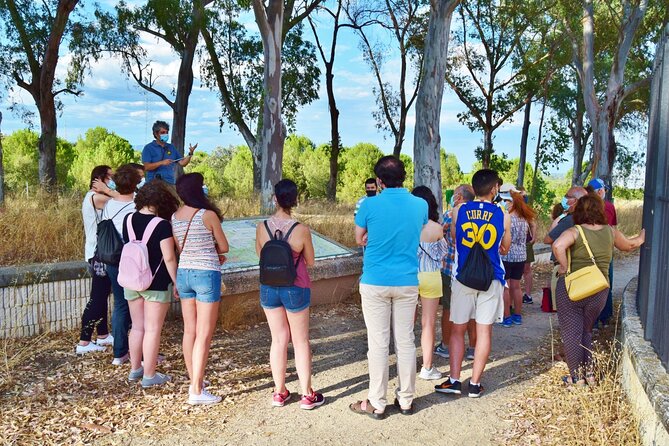
Much of the original Talavera battlefield has been preserved, allowing visitors to explore the historic site. The area features monuments, walking trails, and interpretive displays providing insight into the 1809 clash between British and French forces.
What Specific Military Tactics Were Used by the Opposing Commanders?
The opposing commanders employed a range of tactics, including defensive positions, flanking maneuvers, and strategic use of artillery. The British under Wellesley adopted a defensive stance, while the French under Joseph Bonaparte attempted to outmaneuver and outflank the enemy.
Were There Any Notable Individual Acts of Heroism or Bravery?
There were several notable acts of heroism during the battle. British forces under Sir Arthur Wellesley fought tenaciously, with many individual soldiers displaying great courage in the face of the French assault. Specific accounts of bravery by officers and men have been recorded.
What Impact Did the Battle of Talavera Have on the Overall Peninsular War?
The Battle of Talavera was a significant engagement in the Peninsular War, demonstrating Spain’s ability to resist French forces. However, the British and Spanish ultimately failed to capitalize on their victory, allowing the French to maintain control of much of the region.
Recap
The Battle of Talavera in 1809 was a significant clash during the Peninsular War.
Despite heavy casualties, the Allied British-Spanish forces achieved a strategic victory that bolstered morale and solidified the Duke of Wellington‘s military reputation.
The battle exemplified effective coordination among British, Spanish, and Portuguese troops, ultimately hindering Napoleon’s reinforcements and contributing to the French withdrawal from Spain.