
Nepal’s Dashain festival is a captivating cultural extravaganza that showcases the country’s rich heritage. Celebrated over several days, this vibrant event honors the revered Goddess Durga and invites Nepalese families to come together in a spirit of unity and reverence. From sowing auspicious barley seeds to colorful processions and blessings exchanged between generations, each ritual and tradition holds profound significance. As the festivities unfold, one can’t help but wonder about the deeper meaning behind this beloved celebration that has endured for centuries, transcending time and embracing the hearts of the Nepalese people.
Key Points
-
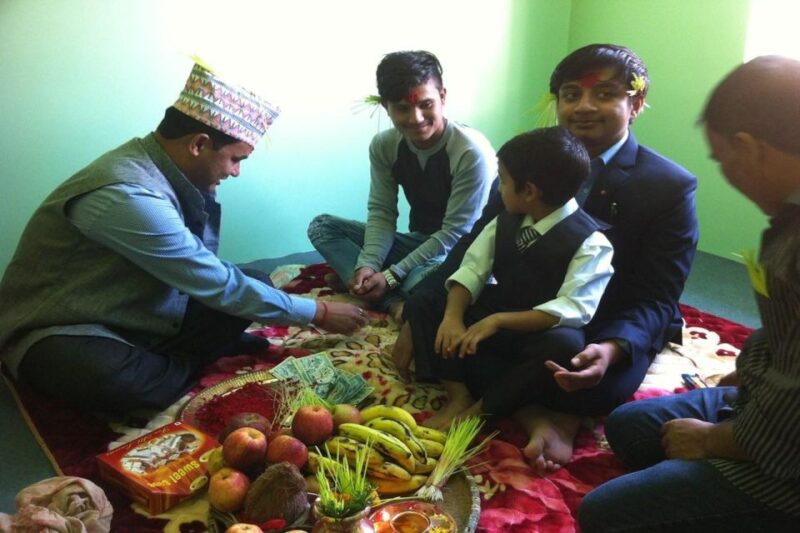
Dashain is the longest and most auspicious festival in the Nepalese calendar, celebrated globally in October with a series of rituals over several days.
-
The festival begins with the auspicious Ghatasthapana ceremony, where barley seeds are sown in a kalasha filled with holy water to symbolize prosperity.
-
On Fulpati, the seventh day, a procession of sacred royal items is brought from Gorkha to Kathmandu by Brahmin priests and offered at significant temples.
-
Maha Aasthami, the eighth day, centers on worshipping Goddess Durga and Kali, often with animal sacrifices, while Mahanavami emphasizes spiritual fulfillment through nine meals and Lord Bhawani worship.
-
The festival culminates with Bijaya Dashami, where elders apply tika on children’s foreheads, and Kojagrata Purnima, when devotees visit temples to seek blessings and guidance from elders.
Festival Overview
Dashain is the longest and most auspicious festival in the Nepalese annual calendar, celebrated by Nepalese people globally during October.
The festival spans several key days, including Ghatasthapana, Fulpati, Maha Aasthami, Mahanavami, Bijaya Dashami, and Kojagrata Purnima.
Ghatasthapana marks the beginning, involving sowing barley seeds in a kalasha filled with holy water.
Fulpati is celebrated on the seventh day with royal items brought by Brahmins from Gorkha.
Maha Aasthami focuses on worshipping Goddess Durga and Kali, often including animal sacrifices.
Mahanavami involves worshipping Lord Bhawani and traditional practices of eating nine times.
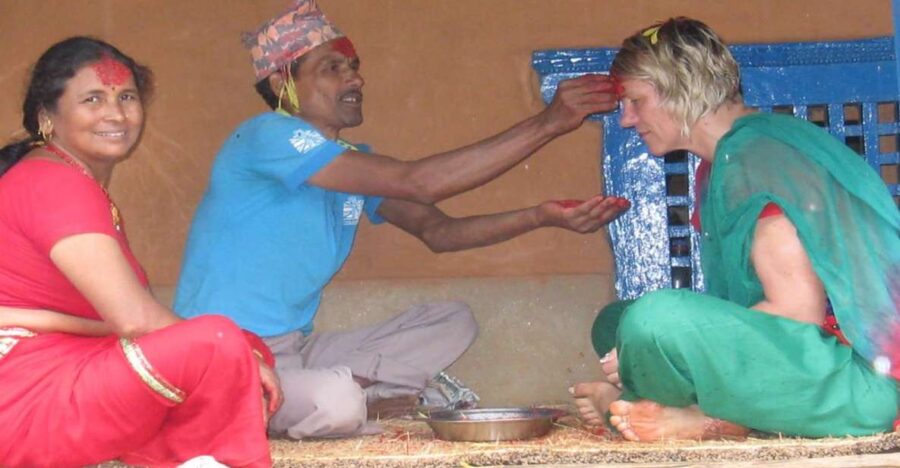
Bijaya Dashami includes the ritual of applying tika, and Kojagrata Purnima involves visiting temples and elders for blessings.
You can also read our reviews of more tours and experiences in Kathmandu.
Key Rituals and Activities
The festival’s rituals and activities span several auspicious days.
Ghatasthapana marks the beginning, involving sowing barley seeds in a kalasha filled with holy water.
Fulpati is celebrated on the seventh day with royal items brought by Brahmins from Gorkha.
Maha Aasthami, the eighth day, involves worshipping Goddess Durga and Kali, often including animal sacrifices.
Mahanavami focuses on worshipping Lord Bhawani, with traditional practices of eating nine times.
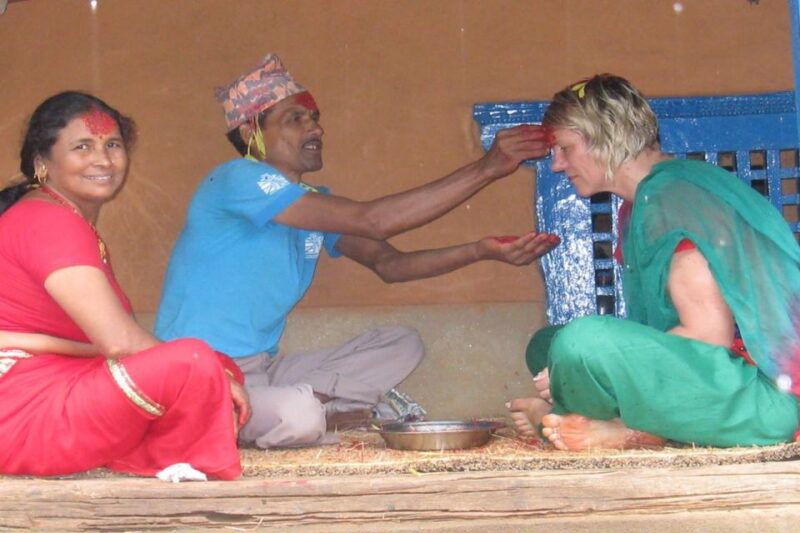
Bijaya Dashami, the tenth day, includes the ritual of applying tika to children’s foreheads by elders, who also give blessings and Dakshina.
Kojagrata Purnima, the festival’s last day, involves attending temples and visiting elders for blessings.
Ghatasthapana: Festival’s Inception
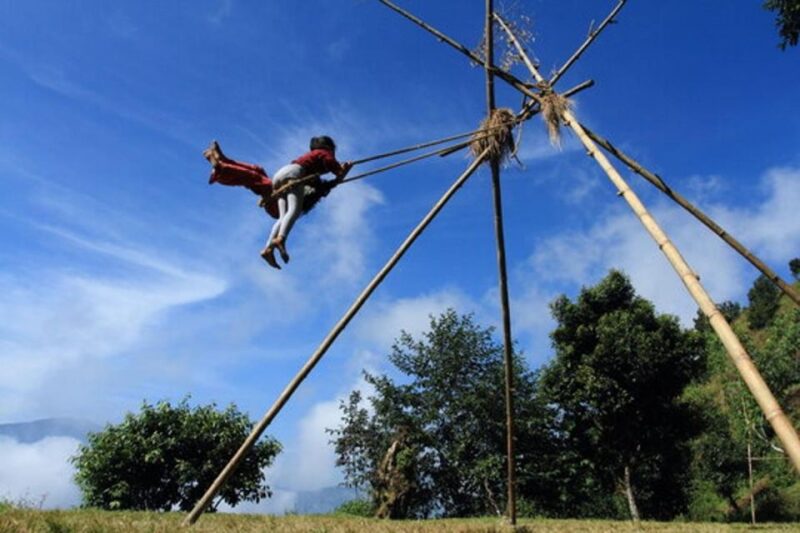
Ghatasthapana marks the auspicious beginning of the Dashain festival. On this day, devotees sow barley seeds in a kalasha, or sacred vessel, filled with holy water.
The kalasha is placed in the family’s main prayer room and decorated with flowers, leaves, and other auspicious items. This ritual symbolizes the welcoming of the divine Goddess Durga and her children.
As the seeds sprout over the coming days, the growth is seen as a sign of prosperity and abundance. Ghatasthapana sets the tone for the entire festival, invoking blessings and preparing the household for the celebrations to come.
Fulpati: Royal Items Procession
On the seventh day of Dashain, the festival takes a regal turn with the celebration of Fulpati.
This ceremonious event involves the arrival of a special procession carrying sacred royal items from Gorkha to Kathmandu. Led by Brahmin priests, the procession includes flowers, leaves, and other symbolic objects that are believed to embody divine blessings.
These items are then offered at the Hanuman Dhoka palace and other important temples throughout the city.
Fulpati is a significant ritual that underscores the cultural and historical significance of Dashain, connecting the present celebration to Nepal’s royal heritage.
More Great Tours NearbyMaha Aasthami: Goddess Worship
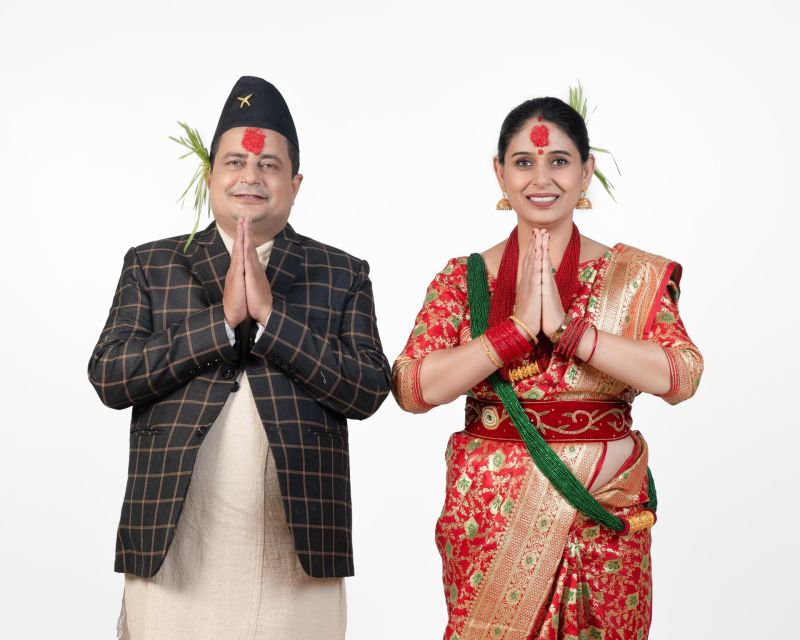
On the eighth day of Dashain, devotees flock to temples across Nepal to worship Goddess Durga and Kali. Maha Aasthami is a significant day that honors the divine feminine, with rituals and offerings made to the deities.
This day is marked by:
- Animal sacrifices, as a symbolic gesture of devotion and the triumph of good over evil.
- Prayers and chants for prosperity, protection, and the eradication of negative forces.
- The belief that the divine feminine energy is at its peak, granting blessings and fulfilling wishes.
These rituals underline the deep spiritual connection Nepalese people have with their goddesses during the auspicious Dashain festival.
- Everest Base Camp Helicopter Tour Stop at Everest View Hotel
- Private Kathmandu Sightseeing Tour – UNESCO World Heritage Sites
- Everest Base Camp Helicopter Tour Landing at Hotel Everest View
- 14-Day Private Annapurna Base Camp Trek
- Everest Base Camp Trek-12 Days
- 200 Hours Yoga Teacher Training at Nepal Yoga Home (Starts on 1st of Everymonth)
After the solemn rituals of Maha Aasthami, the festival of Dashain takes an introspective turn on Mahanavami.
This ninth day is dedicated to worshipping Lord Bhawani, the divine feminine. Participants engage in traditional practices of eating nine meals, representing the completion of one cycle and the start of the next. The number nine is considered auspicious, signifying the attainment of spiritual fulfillment.
Families come together to share these sacred moments, fostering a deep connection to their heritage and the divine. Through these spiritual practices, Mahanavami embodies the essence of Dashain – a time to reflect, recharge, and renew one’s commitment to the higher purpose of life.
Bijaya Dashami: Blessings and Tika
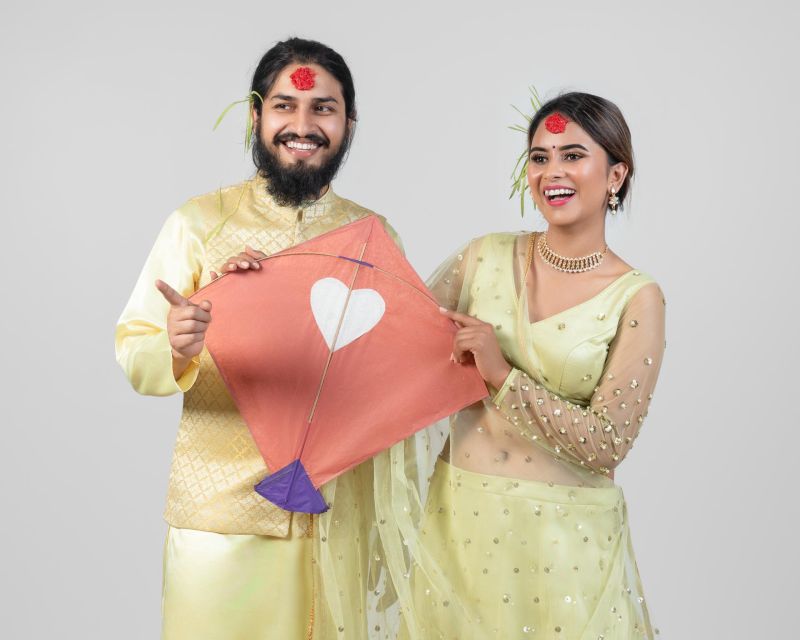
The tenth day of Dashain, known as Bijaya Dashami, marks a celebratory culmination of the festival. On this auspicious day, elders bestow blessings upon children and younger family members by applying a tika – a mixture of rice, yogurt, and vermilion – on their foreheads.
This ritual symbolizes:
- Receiving divine grace and protection
- Strengthening familial bonds
- Embracing a new beginning
Plus, elders may offer Dakshina, a token of money, to the younger generation, signifying their support and guidance.
Bijaya Dashami encapsulates the essence of Dashain – a time to cherish traditions, seek blessings, and nurture meaningful connections within the community.
Kojagrata Purnima: Temples and Elders
As the festival of Dashain draws to a close, Kojagrata Purnima marks its final day.
On this auspicious full moon, devotees flock to temples to seek blessings. Elders are visited, and their wisdom and advice are sought. Families come together to exchange well-wishes and share a final meal.
The day is spent in reverence, reflection, and gratitude for the blessings received during the festival. Temples are illuminated, and the air is filled with the sounds of hymns and prayers.
Kojagrata Purnima is a time to honor the sacred and strengthen familial bonds before the cycle begins anew the following year.
Frequently Asked Questions
What Is the Significance of the Dashain Festival for Nepalese People?
Dashain is the most important annual festival for Nepali people. It celebrates the triumph of good over evil, and the festival’s rituals and activities strengthen family and community bonds, honor elders, and renew spiritual beliefs.
How Do Nepalese People Celebrate Dashain in Their Daily Lives?
Nepalese people celebrate Dashain by observing rituals, worshipping deities, spending quality time with family, exchanging gifts, and seeking blessings from elders. The festival is deeply rooted in their cultural identity and daily lives.
Are There Any Safety Precautions Tourists Should Be Aware of During Dashain?
Tourists should be aware of potential crowding and traffic during Dashain. They should exercise caution when participating in rituals involving animals and avoid handling religious items. Following local etiquette and respecting cultural norms is essential for a safe and enjoyable experience.
Can Tourists Participate in All the Dashain Rituals and Activities?
While travelers can observe many Dashain rituals, they may not be permitted to actively participate in all ceremonies, especially those involving animal sacrifices. Tourists should be respectful and follow the guidance of local hosts.
Are There Any Dress Code or Cultural Etiquette Guidelines for Tourists During Dashain?
While there’s no strict dress code, travelers should dress modestly and respectfully. Avoid revealing clothing, and cover shoulders and knees. Observe cultural etiquette, like removing shoes before entering temples and homes, and avoid touching deities or offerings.
Recap
Dashain is Nepal’s most anticipated and celebrated festival, marked by a deep reverence for the divine, cherished family traditions, and a spirit of unity. The vibrant rituals, joyous gatherings, and exchange of blessings across generations exemplify the country’s rich cultural heritage, making Dashain a profoundly meaningful time for Nepalis to come together, reflect, and revel in the abundance of the harvest season.
You can check availability for your dates here:More Tour Reviews in Kathmandu
Not for you? Here's more things to do in Kathmandu we have recnetly reviewed
- 2 Best Guided Tours In Jagat
- 20 Best 2 Day Tours In Kathmandu
- 20 Best 3 Day Tours In Kathmandu
- 20 Best 4 Day Tours In Kathmandu
- 8 Best Dining Experiences In Kathmandu
- 20 Best Full-Day Tours In Kathmandu
- 25 Best Helicopter Flights And Tours In Kathmandu
- 25 Best Helicopter Flights And Tours In Kathmandu
- 13 Best Massage And Relaxation Services In Kathmandu
- 5 Best Photography Experiences In Kathmandu
- 8 Best Dinner Tours In Kathmandu
- 17 Best Lunch Experiences In Kathmandu