
Nestled in the lush landscapes of Southeast Asia, a fascinating avian species captivates the hearts and palates of many. The Chim Yen, small birds renowned for their intricate nest-building skills, have long been the subject of fascination and culinary delight. From the specialized ‘birds nest buildings‘ constructed to mimic their natural habitats to the complex process of harvesting their edible nests, the world of the Chim Yen unveils a rich tapestry of cultural traditions and gustatory pleasures. Delve deeper to uncover the captivating story behind one of the most sought-after delicacies in the world – the legendary birds nest soup.
Key Points
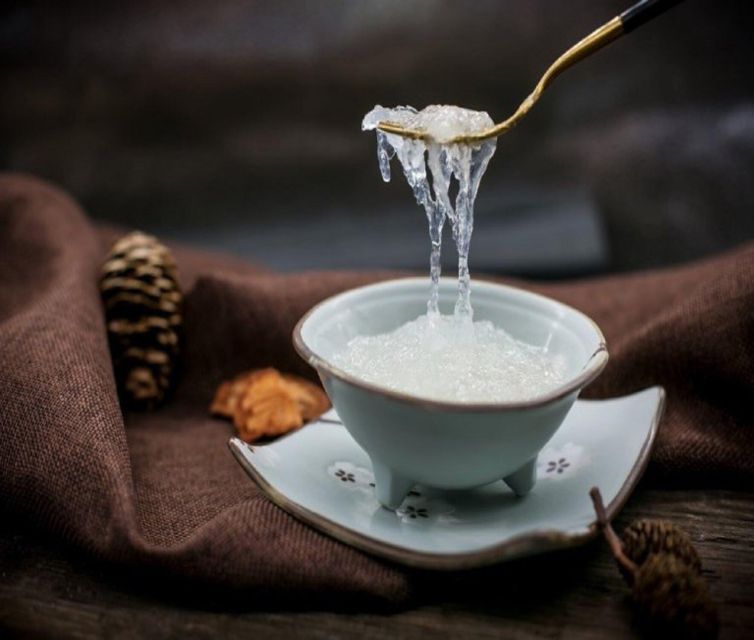
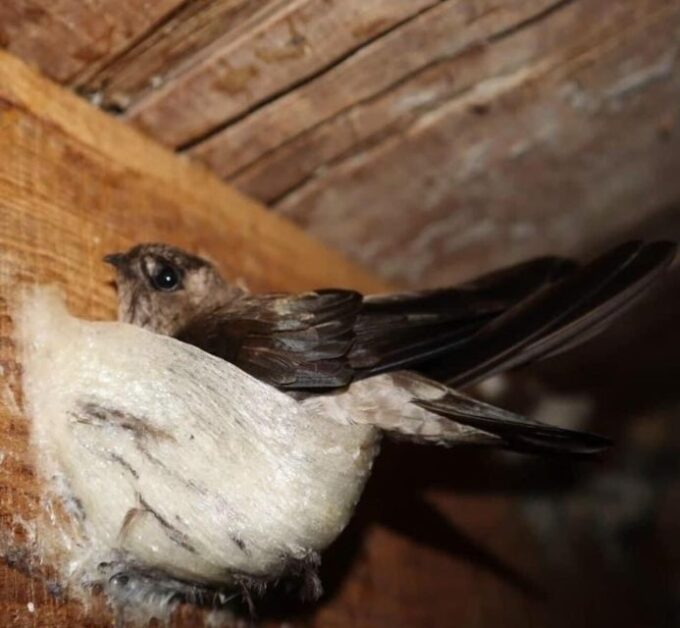
- Chim Yen, small birds native to Southeast Asia, are known for their intricate nest-building skills using saliva to weave sturdy, cup-shaped nests on cliffs and cave walls.
- Local people construct specialized ‘birds nest buildings’ to mimic the natural habitat of Chim Yen, considering factors like wind patterns and migration routes to attract the elusive birds.
- Carefully harvested Chim Yen nests are cleaned and prepared for culinary use, contributing to their high value and reputation as a luxurious ingredient.
- Birds nest soup is simmered in water or chicken broth, with the softened bird’s nest added back in, resulting in a smooth, gelatinous soup with a delicate, earthy taste.
- Chim Yen nests are rich in essential vitamins, minerals, and high-quality proteins, contributing to their potential health benefits, such as enhancing skin health and supporting lung and respiratory function.
Chim Yen and Their Homes
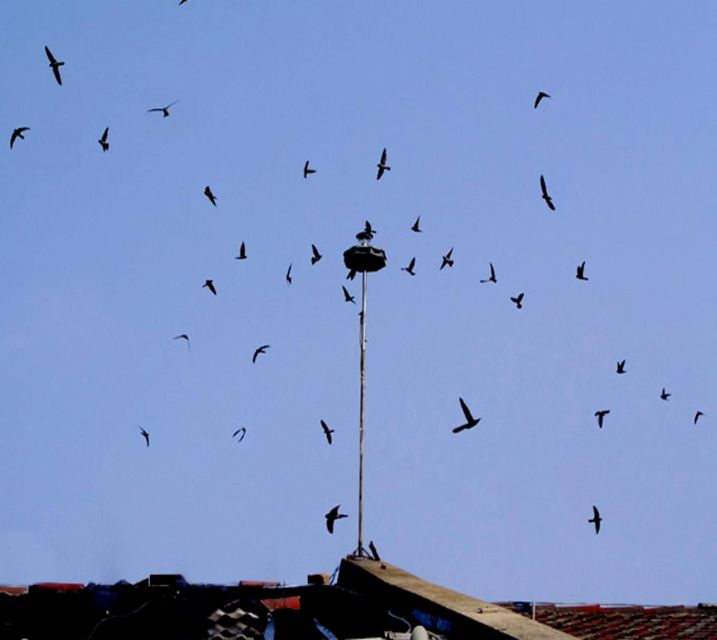
Nestled in the lush forests and rocky caves of Southeast Asia, the Chim Yen, a species of small birds indigenous to the region, have long called these natural habitats their home.
These little birds are renowned for their intricate and remarkable nest-building skills. Using their beaks and feet, they skillfully weave together strands of saliva to create sturdy, cup-shaped nests that cling to the sides of cliffs and cave walls.
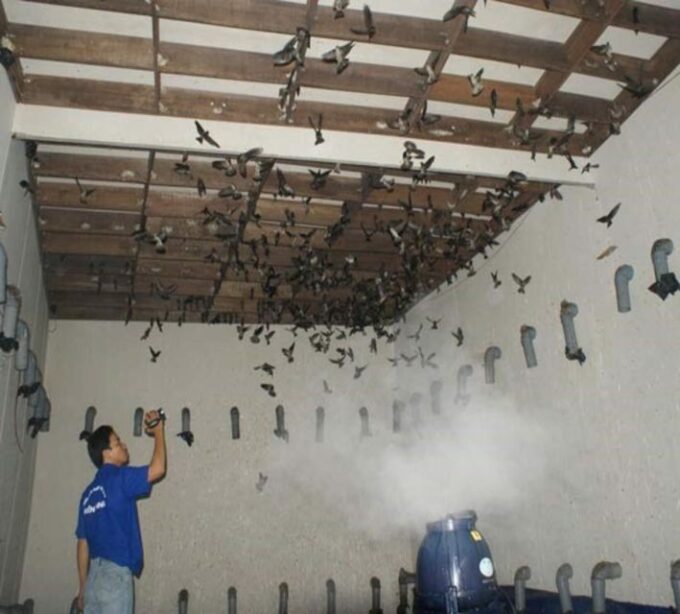
The local people have long studied the nesting habits of the Chim Yen, and they’ve even constructed specialized ‘birds nest buildings‘ to mimic the birds’ natural environment and attract them. These structures are carefully designed to take into account factors like wind patterns and migration routes, helping to create an ideal nesting ground for the elusive Chim Yen.
Taste buds happy? More delicious discoveries we love in Hoi An
Constructing Birds Nest Buildings

The local people carefully study and construct Birds Nest Buildings to imitate the caves where Chim Yen naturally reside. They consider factors like wind patterns and bird migration routes to attract the elusive birds to these specialized structures.
Some buildings even play recorded bird songs to lure new arrivals. The intricate construction of these nesting sites is essential, as the Chim Yen are very particular about their living conditions.
Meticulously designed to mimic the birds’ natural habitat, the Birds Nest Buildings provide the perfect environment for the Chim Yen to thrive and produce the highly sought-after edible nests. The skillful construction of these unique structures is a testament to the local people’s deep understanding and respect for the Chim Yen and their delicate ecosystem.
Attracting Chim Yen to the Buildings

Discover Birds Nest Life, Making & Tasting Birds Nest Soup
To attract the elusive Chim Yen to the carefully constructed nesting sites, the local people employ a range of strategic techniques. They strategically position the Birds Nest Buildings along the birds’ well-traveled migration routes, taking into account prevailing wind patterns that the Chim Yen favor.
Plus, some structures feature recorded bird songs that help lure new arrivals to the inviting environment.
Harvesting Edible Birds Nests
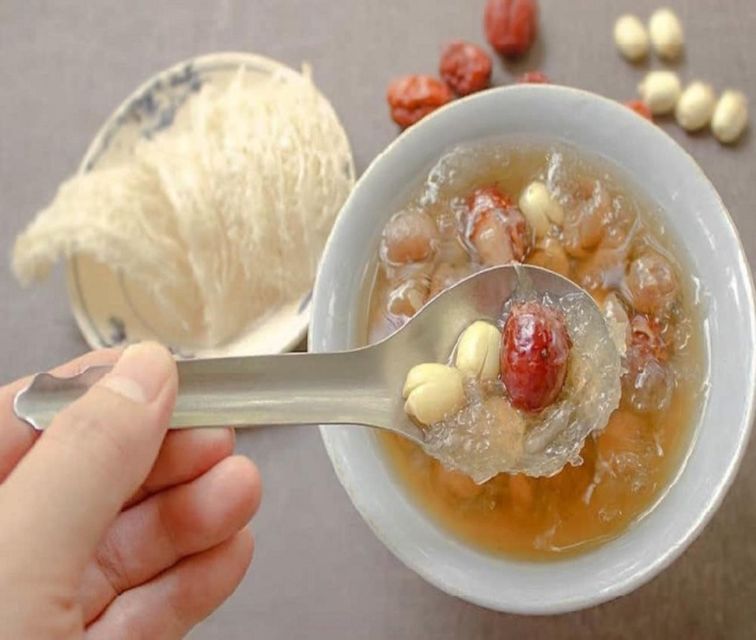
Though the Chim Yen build their nests high up in the rocky caves, the local people have developed specialized techniques to carefully harvest the edible birds nests.
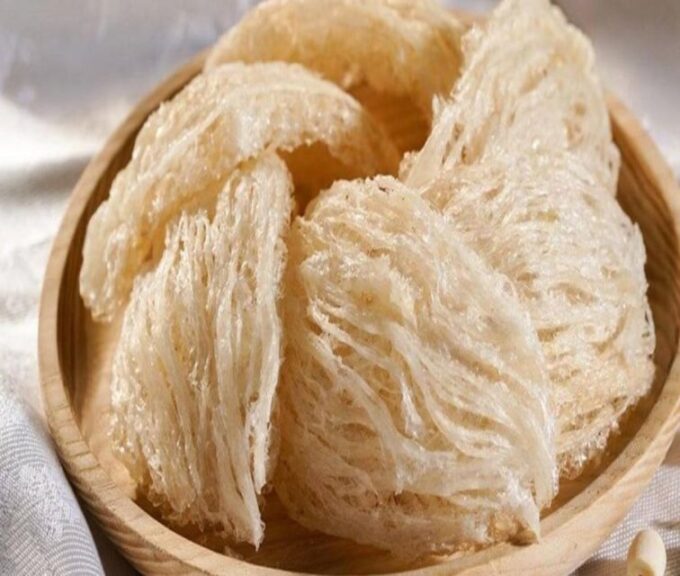
With great skill and precision, they scale the cliffs and use long bamboo poles to retrieve the fragile nests, which are then meticulously cleaned and prepared for culinary use.
The harvested nests are composed of solidified saliva and contain high levels of nutrients like calcium, iron, potassium, and magnesium. This makes them a highly sought-after delicacy, often used to create the renowned birds nest soup.
The rarity and complexity of harvesting these nests contribute to their high value and reputation as a luxurious ingredient in Asian cuisine.
More Great Thing To Do NearbyNutritional Value of Birds Nests
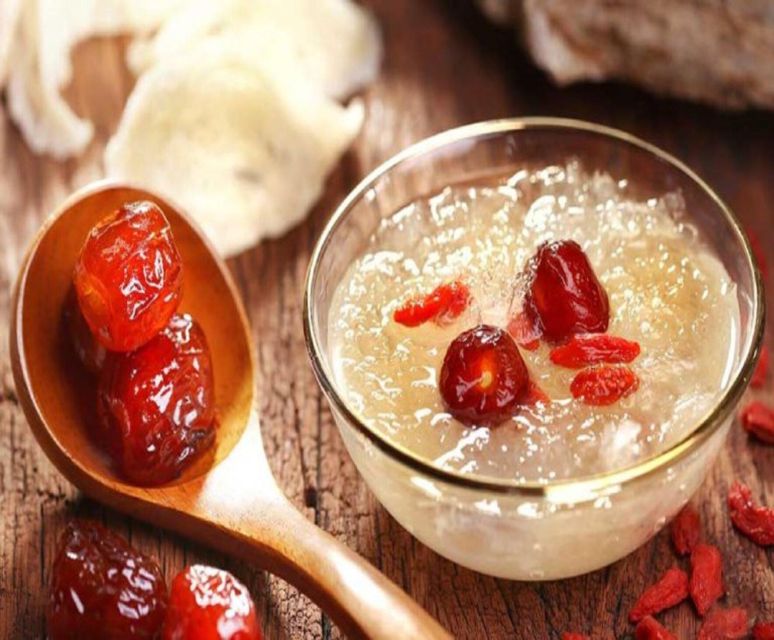
Besides their prized culinary status, edible birds nests are prized for their remarkable nutritional profile. They’re rich in a variety of essential vitamins and minerals that offer potential health benefits.
| Nutrient | Amount per 100g |
|---|---|
| Protein | 60-90g |
| Carbohydrates | 8-10g |
| Calcium | 80-150mg |
| Iron | 0.1-0.3mg |
Birds nests contain high-quality proteins, essential amino acids, and trace minerals like zinc, copper, and magnesium. Regularly consuming birds nest soup may help boost immunity, support skin health, and even aid in digestion. The unique nutrient composition of this delicacy makes it a sought-after addition to traditional Chinese medicine and wellness practices.
- Hoi An: Guided Tour of Town and Fish Market With Breakfast
- From Chan May Port : Marble Mountain And Hoi An City Tour
- Hoi An Pre-Wedding Standard Package
- From Hoi An: Professional Chauffeurs to Hue Imperial City
- Da Nang To Marble Mountain & Hoi An Ancient Town Tour
- Hoi An / Da Nang: My Son Sanctuary With Thu Bon River Cruise
The History of Birds Nest Soup
For centuries, birds nest soup has held a revered place in Chinese culinary and medicinal traditions. The earliest historical records of this delicacy date back to the Tang Dynasty in the 7th century, where it was consumed by the imperial court.
Over time, the reputation of birds nest soup spread throughout Asia, becoming a symbol of wealth and status. Today, it’s still highly sought after, with the rarest and finest varieties commanding premium prices.
The unique texture and subtle flavor of birds nest soup, combined with its purported health benefits, have made it a cherished part of Chinese culture for generations. Its enduring popularity shows no signs of waning in the years to come.
Preparing Birds Nest Soup
With the rich history and cultural significance of birds nest soup established, we can now explore the preparation process that transforms this delicacy into a culinary delight.
The first step involves carefully cleaning and soaking the edible bird’s nests to remove any impurities. Next, the nests are simmered in water or chicken broth, along with additional ingredients like red dates, goji berries, and rock sugar.
The mixture is then strained, and the softened bird’s nest is added back in. Finally, the soup is seasoned to taste, often with a touch of salt or, for a richer flavor, a sprinkle of MSG.
The result is a smooth, gelatinous soup with a delicate, earthy taste that has captivated palates for centuries.
Health Benefits of Birds Nest Soup
Birds nest soup boasts an impressive array of health benefits, from promoting overall well-being to strengthening the immune system and aiding digestion. Rich in essential vitamins and minerals, including calcium, iron, potassium, and magnesium, this delicacy is believed to have numerous restorative properties:
- Enhances skin health and complexion
- Supports lung and respiratory function
Consuming birds nest soup on a regular basis may help boost the body’s natural defenses, improve digestion, and contribute to a stronger, more vibrant state of health.
Its unique nutritional profile and long history of use in traditional Chinese medicine make it a truly remarkable culinary and wellness experience.
- Aids in reducing inflammation
- Increases energy and vitality
- Promotes healthy aging and longevity
Frequently Asked Questions
How Long Do Chim Yen Live?
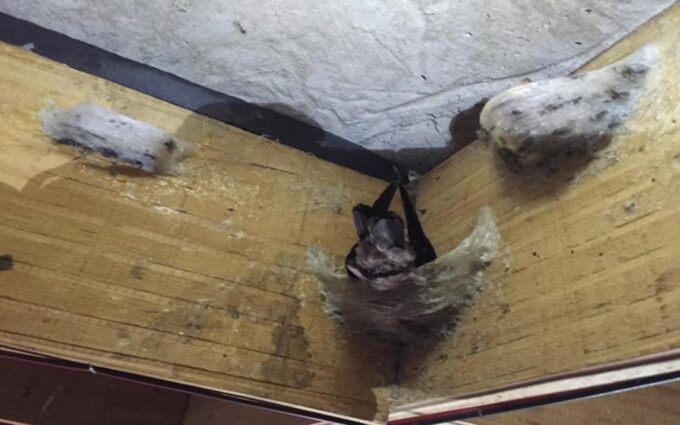
Chim yen, also known as swiftlets, typically live for around 10-15 years in the wild. These small birds native to Southeast Asia are known for their unique nesting behavior and the creation of the highly-prized edible bird’s nests.
Can Chim Yen Be Kept as Pets?
Chim yen, the small birds native to Southeast Asia, are not typically kept as pets. They’re wild birds that build their unique nests used in traditional cuisine, and efforts focus on conserving their natural habitats rather than domesticating them.
Are There Any Ethical Concerns With Harvesting Birds Nests?
There are some ethical concerns around harvesting birds’ nests, as the practice can disturb the birds and their breeding cycles. Sustainable harvesting methods and regulations aim to balance conservation with the cultural and economic value of birds’ nests.
How Much Does a Bowl of Birds Nest Soup Cost?
The cost of a bowl of birds nest soup can vary widely, ranging from $30 to $100 or more, depending on the quality and rarity of the birds nest used. Prices are typically higher for the more premium, pristine nests.
Can People With Allergies Consume Birds Nest Soup?
People with allergies should consult their doctor before consuming birds nest soup, as it may contain allergens. While nutritious, the soup may trigger reactions in those with sensitivities to the ingredients.
Recap
Chim Yen birds build intricate nests, which are harvested by local people and used to create the delicacy of birds nest soup.
This soup has a long history, dating back to the Tang Dynasty, and is prized for its unique texture, subtle flavor, and purported health benefits.
The harvesting and preparation of birds nest soup is a complex process, highlighting the cultural significance and culinary value of these elusive birds.
You can check if your dates are available here:More Food & Drink Experiences in Hoi An
More Tour Reviews in Hoi An
- Hoi An Ancient Town & the Memories Show: Half-Day Tour
- Da Nang: Marble Mountains, Cam Thanh & Hoi An Full-Day Tour
- My Son Sanctuary & Hoi An City Shore Excursion Private Tour
- Hoi An River Life Private Photography Tour
- South Hoi An River Safari With Candle-lit Beach Dinner
- From Hoi An: Explore Ruins of My Son Private Tour
Not for you? Here's more things to do in Hoi An we have recnetly reviewed
- Hoi An: Private Cycling to My Son Sanctuary With Local Guide
- Easy Rider Hoi An to My Son Sanctuary – Marble Mountain
- Da Nang & Hoi an City : Private Tour of Top Highlights
- Private Full Day Tour Danang & Hoi an Hightlights
- Da Nang: My Son Holly Land & Marble Mountain by Private
- Hoi An: My Son Private Tour With Cham Dance Performance
- From Da Nang: 4 Days 3 Nights in Central Vietnam Highlights
- Hoi An: Full-day My Lai Massacre Memory Tour
- From Tiên Sa Port: Da Nang And Hoi An City Sightseeing Tour
- Hoi An: Loc Yen Ancient Village And O O Waterfall Adventure
- Da Nang: 2-Day Tour to Marble Mountains, Hoi An, and Ba Na
- Ha Noi: HALONG EXCURSION DAY TOUR ON 5-STAR LUXURY CRUISE