
Tucked away in the vibrant tapestry of North African culture, Morocco’s culinary heritage unveils a captivating story. From the fragrant spice markets of Marrakech to the coastal havens of Essaouira, this kingdom’s gastronomic landscape reflects centuries of diverse influences, seamlessly blending Berber, Arab, and Mediterranean traditions. Beyond the iconic tagines and couscous, each dish serves as a window into Morocco’s rich history, where the interplay of geography, climate, and cultural exchange has shaped a cuisine that tantalizes the senses. Explore this culinary odyssey, and uncover the secrets that have made Moroccan food a global sensation.
Key Points
-
Moroccan cuisine is a diverse tapestry woven with Berber, Arab, Mediterranean, and sub-Saharan African cultural influences, resulting in a unique flavor profile.
-
The geography of Morocco, from the Atlas Mountains to the Mediterranean coastline, shapes the availability of local ingredients and the development of regional culinary specialties.
-
Mastery of spice blending is a hallmark of Moroccan cuisine, with earthy cumin, warm cinnamon, and fragrant saffron creating the foundation for complex, layered flavors.
-
Iconic Moroccan dishes, such as tagines, couscous, pastilla, and briouates, showcase the depth and diversity of the country’s culinary heritage.
-
Moroccan culinary arts and craftsmanship, from ornate tagine pots to intricate brass and copper trays, are imbued with rich cultural traditions and meticulous techniques.
Moroccan Culinary Traditions
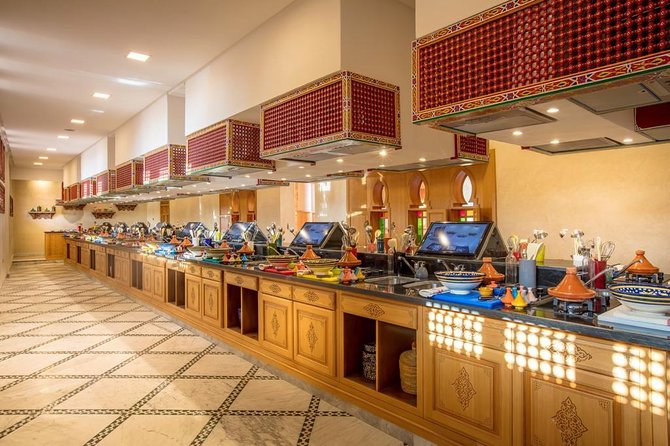
Moroccan cuisine reflects a rich culinary heritage, drawing from the country’s diverse cultural influences and geographic regions.
The flavors and techniques of Moroccan cooking have been shaped by the country’s Berber, Arab, Mediterranean, and sub-Saharan African traditions.
Staple ingredients like couscous, tagines, and aromatic spices like cumin, cinnamon, and paprika are hallmarks of Moroccan cuisine.
Traditional dishes often feature slow-cooked meats, vegetables, and fruits, resulting in complex, layered flavors.
Moroccan chefs are masters of balancing sweet, sour, and savory notes.
From the hearty stews of the Atlas Mountains to the fragrant seafood dishes of the coastal cities, Moroccan culinary traditions showcase the country’s vibrant cultural identity and natural bounty.
You can also read our reviews of more tours and experiences in Atlantic Coast.
The Influence of Geography
Morocco’s diverse geography has significantly shaped its culinary heritage, with each region contributing unique flavors and cooking techniques.
From the lush Mediterranean coastlines to the rugged Atlas Mountains, the country’s varied landscapes provide a wealth of fresh, local ingredients that have been expertly woven into traditional Moroccan dishes.
The fertile plains of the north yield an abundance of produce, while the semi-arid regions of the south are known for their hearty, slow-cooked tagines.
The coastal cities, like Essaouira, are renowned for their seafood specialties, while the desert oases offer a bounty of dates, olives, and nuts.
This interplay of geography and cuisine has created the rich tapestry that defines Moroccan food.
Spice Blends and Flavors
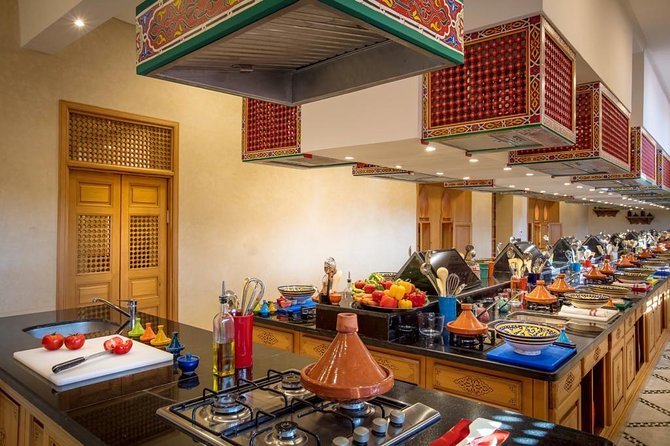
At the heart of Moroccan cuisine lies an intricately curated blend of spices that impart depth, complexity, and distinct regional flavors to the dishes. From the earthy warmth of cumin and paprika to the fragrant notes of cinnamon and saffron, these carefully balanced spice mixtures are the foundation upon which the country’s culinary traditions are built. The diverse spice combinations vary from one province to another, reflecting the unique cultural and geographic influences that have shaped Moroccan cooking over centuries.
| Spice | Origin | Flavor Profile |
|---|---|---|
| Cumin | Middle East | Earthy, nutty, slightly bitter |
| Cinnamon | Asia | Warm, sweet, slightly citrusy |
| Saffron | Middle East | Floral, slightly bitter, intense yellow color |
Signature Moroccan Dishes
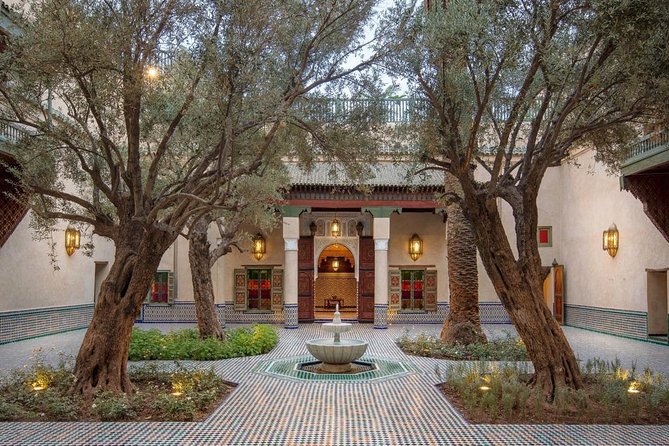
From the ubiquitous tagine to the beloved couscous, Morocco’s culinary landscape is dotted with a diverse array of signature dishes that have captivated the hearts and palates of locals and visitors alike.
Tagines, slow-cooked stews simmered in earthenware pots, showcase the country’s rich spices and produce, infusing meats, vegetables, and fruits with complex, aromatic flavors.
Couscous, the fluffy semolina grains, are a staple accompaniment, often served with a variety of toppings like tender lamb, chickpeas, and raisins.
Pastilla, a savory pie filled with minced pigeon or chicken, is a delicate balance of sweet and salty, while briouates, fried pastries stuffed with meat or cheese, offer a delightful textural contrast.
These iconic Moroccan dishes represent the depth and diversity of the country’s culinary heritage.
Culinary Arts and Craftsmanship
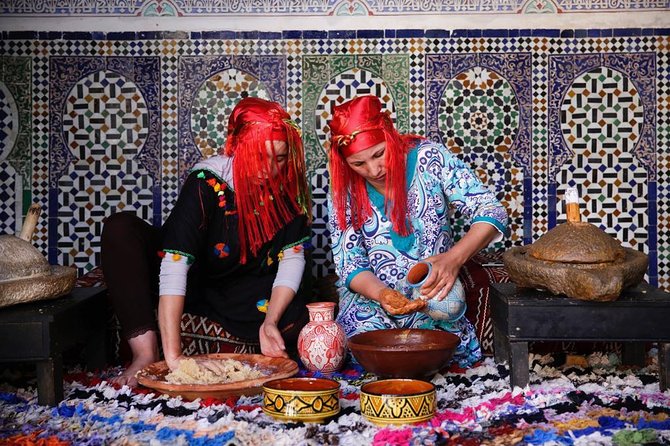
Moroccan culinary arts and craftsmanship extend far beyond the alluring flavors of its signature dishes, revealing a rich tapestry of cultural traditions and meticulous techniques passed down through generations. At the heart of this heritage are the skilled artisans and master craftspeople who transform humble ingredients into culinary masterpieces. From the intricate tilework adorning tagine pots to the ornate brass serving platters, each element is imbued with a deep sense of history and artistry.
| Technique | Description |
|---|---|
| Ceramic Crafting | Handmade tagine pots, serving bowls, and other vessels showcasing intricate designs and glazes. |
| Metalworking | Ornate brass and copper trays, platters, and tea sets crafted with intricate patterns and finishes. |
| Weaving | Vibrant Berber carpets and textiles used to adorn dining spaces and serve as tablecloths. |
Moroccan Culinary Evolution
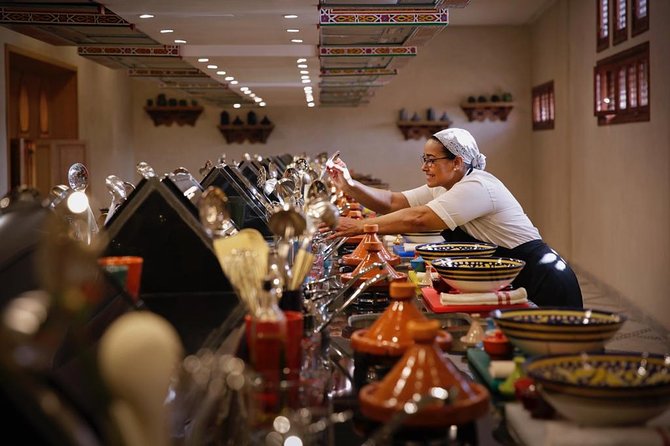
How has Moroccan cuisine evolved over time, reflecting the cultural influences and geographical diversity of this North African nation? Shaped by a rich history of trade, conquest, and cultural exchange, Moroccan culinary traditions have adapted and expanded, incorporating ingredients and techniques from the Mediterranean, the Middle East, and sub-Saharan Africa.
The country’s position as a crossroads between Europe, Africa, and the Arab world has led to a unique fusion of flavors, with dishes drawing from Berber, Arab, Mediterranean, and even Jewish culinary influences.
From the aromatic tagines and couscous of the interior to the seafood specialties of the Atlantic coast, Moroccan cuisine continues to evolve, blending ancient traditions with modern interpretations.
Embracing Diverse Ingredients
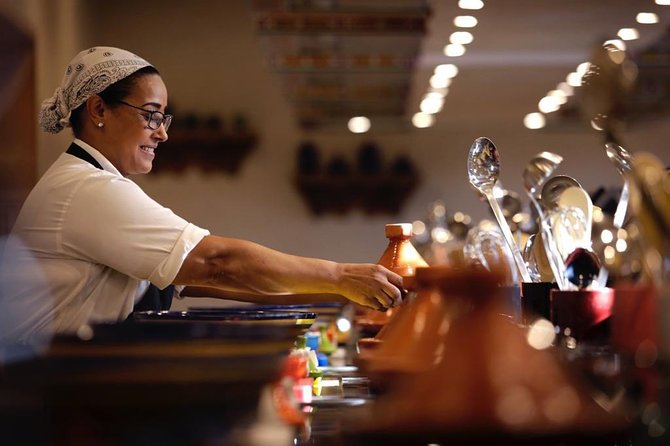
Embracing a diverse array of ingredients, Moroccan cuisine draws from the country’s rich agricultural heritage and strategic location at the crossroads of civilizations. From the fragrant spices of the Atlas Mountains to the abundant seafood of the Atlantic coast, Moroccan cooks masterfully weave together an eclectic mix of flavors. A glimpse into the diversity of Moroccan ingredients can be seen in the table below:
| Ingredient | Origin |
|---|---|
| Saffron | High Atlas Mountains |
| Argan Oil | Southwestern Morocco |
| Preserved Lemons | Mediterranean Coast |
| Chermoula | Spice Markets of Fez |
| Ras el Hanout | Centuries-old Spice Blends |
This synergistic blend of local and global influences has yielded a culinary tradition that is both deeply rooted and ever-evolving, reflecting the rich tapestry of Moroccan culture.
Culinary Experiences and Immersion
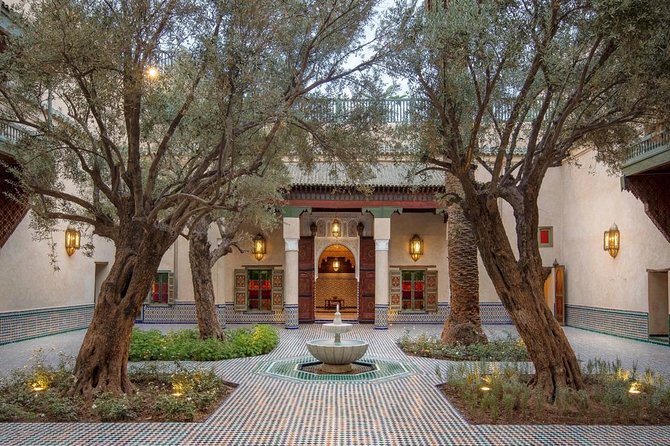
Through immersive culinary experiences, travelers can dive into the vibrant flavors and time-honored traditions that define Moroccan gastronomy. From hands-on cooking classes to guided market tours, these activities offer an unparalleled opportunity to connect with local culture.
Participants will learn to craft signature dishes like tagines and couscous, uncover the secrets behind beloved spice blends, and savor every bite alongside Moroccan hosts.
Beyond the kitchen, culinary-focused experiences may also include visits to artisanal producers, wine tastings, and intimate meals in family homes. By seeing these rich traditions, travelers gain a deeper appreciation for the ingenuity and artistry that shape Moroccan cuisine, one of the world’s most vibrant and enduring food cultures.
Frequently Asked Questions
What Is the Average Cost of a Moroccan Cooking Class?
The average cost of a Moroccan cooking class ranges from around $50 to $100 per person, depending on the location, duration, and inclusions such as ingredients, equipment, and a meal. Many classes also offer optional add-ons like wine or tea tastings.
Can I Request a Vegetarian or Gluten-Free Menu?
Yes, you can request a vegetarian or gluten-free menu for this Moroccan cooking class. The provider offers customized menus to accommodate dietary requirements and preferences upon prior request.
Do Moroccan Cooking Classes Include Market Visits?
Many Moroccan cooking classes do include visits to local markets, allowing participants to shop for fresh ingredients and gain insights into traditional Moroccan cuisine. This hands-on experience enhances the overall learning experience.
How Long Do Moroccan Cooking Classes Typically Last?
Moroccan cooking classes typically last between 3 to 5 hours, including a market visit, hands-on cooking session, and lunch tasting the prepared dishes. The duration allows participants to fully immerse in the rich Moroccan culinary experience.
Are There Any Age Restrictions for Moroccan Cooking Classes?
Moroccan cooking classes typically don’t have age restrictions, though they may require parental supervision for young children. Most classes welcome participants of all ages, from children to seniors, as long as they can comfortably participate in the hands-on activities.
Recap
Moroccan cuisine’s rich heritage reflects the nation’s diverse cultural influences and geographical bounty.
The skilled use of aromatic spices, balanced flavors, and time-honored culinary techniques have elevated Moroccan dishes to iconic status.
Embracing a wide array of local ingredients, Moroccan culinary traditions continue to evolve, offering unique and immersive gastronomic experiences that celebrate the country’s rich cultural tapestry.