
The Everest Base Camp Budget Trekking offers an affordable yet enchanting journey to one of the world’s most iconic destinations. With an entry price of just $900, this package provides essential services like experienced guides, domestic transportation, and basic meals, allowing adventurers to enjoy the stunning Himalayan landscapes. Crafted with safety and acclimatization in mind, the trek promises breathtaking views and cultural experiences for budget-conscious trekkers. But the real allure lies in the opportunity to customize your adventure and access a whole new domain of possibilities.
Key Points
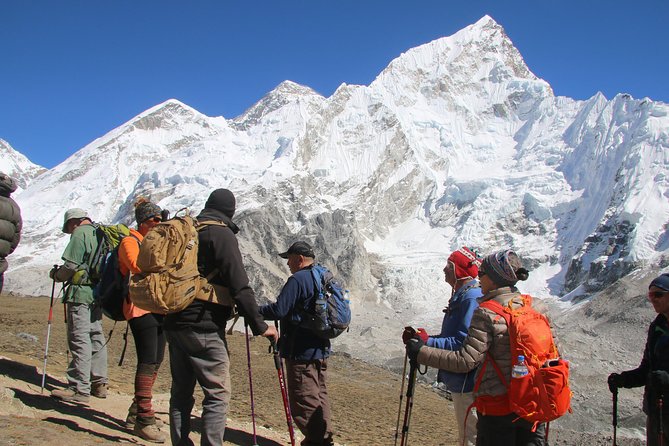
- Budget-friendly Everest Base Camp treks start from $900, including domestic transportation, flights, experienced guides, and basic meals during the trek.
- Trekking packages offer airport transfers, flights to Lukla, and essential services to support budget-conscious travelers.
- Gradual ascent and proper equipment are crucial for managing the risks of acute mountain sickness during the trek.
- Customization options are available, ranging from budget treks to luxury lodge experiences, to cater to diverse traveler preferences.
- Kathmandu offers a chance to explore UNESCO World Heritage sites and natural wonders, complementing the Everest Base Camp trekking experience.
Budget-Friendly Everest Base Camp Trekking
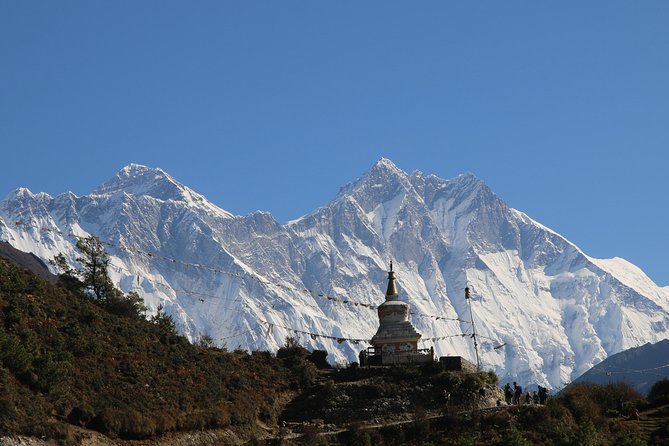
One of the more affordable options for trekking to Everest Base Camp is the budget-friendly package, priced from $900.00.
This budget-friendly trek includes the necessary components for the Everest Base Camp experience, such as domestic transportation, flights to and from Lukla, an experienced English-speaking guide, and basic meals during the trek.
While it may not offer the same level of luxury as the premium packages, the budget trek still provides access to the stunning Himalayan landscapes and the opportunity to reach the iconic Everest Base Camp.
Travelers on a tighter budget can still enjoy this once-in-a-lifetime trekking adventure through this more affordable option.
Ready to hit more trails? More hiking adventures we feature in Kathmandu
Logistics and Inclusions for Budget Treks
The budget-friendly Everest Base Camp trekking packages typically include the essential logistical elements required for this iconic journey. This includes domestic and international airport transfers, a flight from Kathmandu to Lukla, and the return journey – all with a 15 kg luggage limit.
Travelers will also benefit from the services of an experienced, English-speaking trekking guide and porters to carry their gear. Meals are covered during the trek, though lunch and dinner in Kathmandu aren’t included.
These carefully curated offerings guarantee budget-conscious trekkers can initiate the Everest adventure without compromising on essential support and services.
Safety Considerations for High-Altitude Trekking
Trekking at high altitudes, such as the route to Everest Base Camp, brings exhilarating experiences but also poses inherent risks.
Acute mountain sickness (AMS) is a significant concern, as the body struggles to adapt to the reduced oxygen levels. Symptoms like headaches, nausea, and fatigue can worsen quickly if not addressed promptly. Trekkers must ascend gradually, allowing their bodies to acclimatize, and be aware of the signs of AMS.
Proper equipment, including warm clothing and sturdy footwear, is vital to withstand the challenging conditions. Seeking immediate medical attention from experienced guides is necessary if symptoms persist or worsen.
Safety should be the top priority when starting high-altitude treks, as it guarantees a successful and enjoyable experience.
Customizing Your Everest Base Camp Experience
Countless trekkers commence on the Everest Base Camp journey, each seeking a uniquely personalized experience.
Hikers can customize their trek by choosing from a range of budget-friendly options. The Everest Base Camp Budget Trekking package, priced from $900, offers an affordable yet thorough experience.
Alternatively, the Luxury Lodge Trek, starting at $3,800, provides upscale accommodations and amenities. Intrepid adventurers may opt for the classic Everest Base Camp Trek, averaging $1,420.
Beyond the trek itself, travelers can enhance their Nepalese exploration with day trips to Bhaktapur, Nagarkot, and Chitwan National Park.
Exploring Kathmandu and Nearby Attractions
Aside from the awe-inspiring Everest Base Camp trek, Nepal’s capital city of Kathmandu offers a wealth of cultural and historical attractions that captivate visitors.
The city boasts seven UNESCO World Heritage Sites, including Boudhanath Stupa, Durbar Square, and Swayambhunath Stupa. Nearby, the ancient city of Bhaktapur showcases traditional Newari architecture, while Nagarkot provides stunning Himalayan vistas.
Beyond Kathmandu, day trips to Pokhara and Chitwan National Park allow for further exploration of Nepal’s natural wonders. Travelers can also enjoy local culture through experiences like cooking classes.
With its blend of spiritual sites, architectural gems, and outdoor adventures, Kathmandu and its surroundings provide an enriching complement to the Everest Base Camp trekking experience.
The Solukhumbu region, home to the iconic Mt. Everest, boasts a well-maintained trail network that attracts trekkers from around the globe. Steering through this network requires careful planning and preparation. To help you understand the options, consider the following table:
| Trek | Duration | Difficulty |
|---|---|---|
| Everest Base Camp | 14 Days | Moderate to Challenging |
| Gokyo Ri | 12 Days | Challenging |
| Three Passes Trek | 21 Days | Strenuous |
| Tengboche Monastery | 7 Days | Moderate |
Regardless of the trek, it’s essential to ascend slowly, take rest days, and be mindful of the risks of acute mountain sickness. With proper planning and guidance, trekkers can safely explore the Solukhumbu’s breathtaking landscapes and experience the rich Sherpa culture.
Acclimatization and Altitude Adjustment Strategies
Maneuvering the well-maintained trails of the Solukhumbu region is just the first step in a successful Everest Base Camp trekking experience.
The high-altitude terrain poses significant risks, including acute mountain sickness (AMS), which can be life-threatening if not properly managed. Trekkers must ascend slowly and incorporate rest days to acclimatize effectively.
Maintaining a moderate pace, staying hydrated, and monitoring for symptoms like headaches, dizziness, or nausea is essential. Travelers with pre-existing medical conditions should consult with a healthcare professional before starting this challenging journey.
Post-Trek Reflections and Customer Feedback
Travelers who’ve completed the Everest Base Camp trek often reflect on their transformative experiences with a profound sense of accomplishment.
Many express gratitude for the personalized support provided by the trekking guides, whose expertise and attention to detail enhanced the overall journey.
Customers consistently praise the seamless logistics, from airport transfers to meal arrangements, which allowed them to focus on the breathtaking scenery and culture.
With an overall rating of 5.0 from previous participants, the Everest Base Camp Budget Trekking experience is lauded for its exceptional value and memorable moments.
Travelers also highlight the flexibility offered, enabling them to fully customize their adventure.
Frequently Asked Questions
Can I Use My Personal Trekking Gear During the Trek?
Yes, you can use your personal trekking gear during the trek. The trekking packages generally allow you to use your own equipment, as long as it meets the necessary safety and quality standards for high-altitude trekking.
How Much Spending Money Should I Budget for the Trek?
When planning for trekking in Nepal, it’s recommended to budget around $20-30 per day for meals, snacks, and other incidentals not included in the trek package. This can vary depending on individual spending habits and any additional activities.
Is It Possible to Extend the Trek Duration if Needed?
Yes, it’s generally possible to extend the trek duration if needed. Trekking operators often offer flexibility to accommodate changes in schedule or individual pace. This can be discussed with the guide and arranged through the tour company.
What Is the Recommended Training Regimen for the Trek?
To prepare for a high-altitude trek, experts recommend a training regimen of cardiovascular exercise, strength training, and gradually increasing hiking distance and elevation. This helps build endurance and acclimatize the body to the demands of the trek.
Can I Purchase Additional Porter Services During the Trek?
Yes, additional porter services can be arranged during the trek. Travelers can request extra porters to carry their personal belongings, providing more comfort and flexibility throughout the journey. This service typically comes at an additional cost.
Recap
The Everest Base Camp Budget Trekking package offers an affordable and unforgettable adventure in the stunning Himalayan landscapes. With experienced guides, domestic transportation, and basic meals, budget-conscious adventurers can fully enjoy the journey. By prioritizing safety and acclimatization, the trek combines breathtaking views and cultural experiences, ensuring a memorable experience. Customizable day trips to explore Kathmandu and its surroundings further enhance the overall trekking experience.
More Hiking & Trekking Tours in Kathmandu
More Tour Reviews in Kathmandu
Not for you? Here's more things to do in Kathmandu we have recnetly reviewed
- 2 Best Guided Tours In Jagat
- 20 Best 2 Day Tours In Kathmandu
- 20 Best 3 Day Tours In Kathmandu
- 20 Best 4 Day Tours In Kathmandu
- 8 Best Dining Experiences In Kathmandu
- 20 Best Full-Day Tours In Kathmandu
- 25 Best Helicopter Flights And Tours In Kathmandu
- 25 Best Helicopter Flights And Tours In Kathmandu
- 13 Best Massage And Relaxation Services In Kathmandu
- 5 Best Photography Experiences In Kathmandu
- 8 Best Dinner Tours In Kathmandu
- 17 Best Lunch Experiences In Kathmandu